




Security - Defense
As a result of global strategic competition, security and defense issues are marked by the return of major wars and nuclear deterrence, the transformation of terrorism and the race for military technologies.
Related Subjects
War and Peace in the Middle East: What Role for the Europeans? (World Policy Conference 2024)
Saturday, December 14, 2024 - 17th edition of the World Policy Conference in Abu Dhabi, United Arab Emirates. Plenary session 19: War and Peace in the Middle East: What Role for the Europeans?

Hostage diplomacy of the Islamic Republic of Iran. The case of Europeans detained in Iran
The so-called hostage diplomacy of the Islamic Republic of Iran refers to a political and diplomatic strategy in which Tehran uses the detention of Western nationals, dual citizens, or Iranian citizens residing in Europe, Australia, or the United States as leverage in diplomatic negotiations. This practice aims to exert pressure to secure political, economic, or diplomatic concessions as part of Tehran’s asymmetric response strategy. Hostage diplomacy remains a controversial yet effective tool from the perspective of the Islamic Republic of Iran, given its context of economic sanctions and diplomatic isolation.
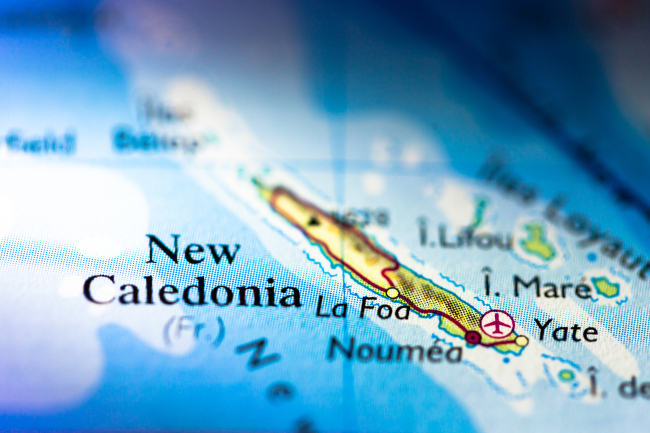
France’s maritime security cooperation in the Pacific
France plays a significant role in Pacific maritime security, particularly through the active participation of its overseas territories and the contribution of its stationed armed forces to regional cooperation initiatives.
From Cuba to Ukraine: Strategic Signaling and Nuclear Deterrence
Strategic signaling—the range of signs and maneuvers intended, in peace time, to lend credibility to any threat to use nuclear weapons—is back.
Rebooting Italy's Africa Policy: Making the Mattei Plan Work
Against the backdrop of increasing anti-French rhetoric across parts of Francophone Africa, the relative failure of the counterinsurgency operation in the central Sahel (Operation Barkhane) and diplomatic rifts with several Sahelian countries, Paris has been rethinking its relationship with the continent for several years now. As a former imperial power that has seen its colonial domain in Africa gain independence between 1956 (Morocco-Tunisia) and 1977 (Djibouti), France has invented two successive roles for itself in Africa since 1960, particularly in French-speaking sub-Saharan Africa.
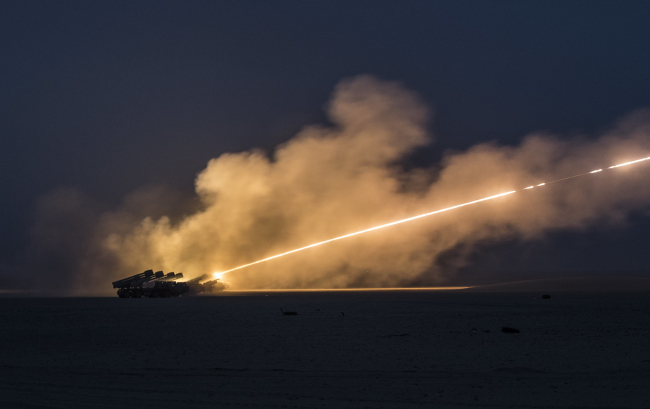
Deep Precision Strikes: A New Tool for Strategic Competition?
Reaching deep into the enemy’s system to weaken it and facilitate the achievement of operational or strategic objectives is a key goal for armed forces. What capabilities are required to conduct deep strikes in the dual context of high-intensity conflict and strengthened enemy defenses?
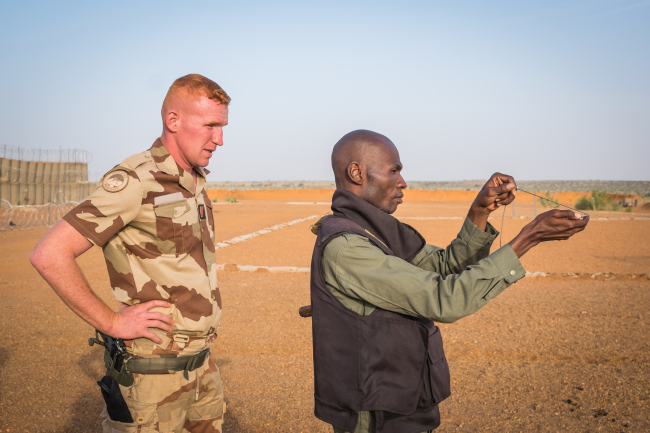
The dilemma of the Franco-African military relationship: reinvent or turn the page?
The origins of military presence and cooperation in Africa can be traced back to the tacit decolonization pact between the countries of French-speaking Africa. This cooperation led to the creation of African armies in the former colonies, as part of a project to prevent the spread of communism and maintain France's influence in the newly independent countries.

The High Authority for Peacebuilding (HACP) in Niger 2011-2023. Placing the State at the heart of conflict prevention and management.
Like other Sahelian countries, Niger has been affected by terrorism for almost two decades now. This issue has highlighted both the limits of these countries’ security systems and, more profoundly, their inability to offer stability to the populations of certain parts of the country. In a way, these “jihadized insurgencies” are a continuity of groups that regularly take up arms against central states.


Will Europe's pivot to Asia have any teeth?
Spurred by fears of a ‘new Ukraine’ in East Asia, European powers are ramping up their presence in the Indo-Pacific.

Japan: Deciphering Prime Minister Ishiba’s Strategic Vision. Toward an Asian version of NATO?
On Tuesday, October 1, Shigeru Ishiba was sworn in as Prime Minister of Japan. His proposal to revise the security alliance with the United States and create an Asian version of the North Atlantic Treaty Organization (NATO) attracted attention and sparked lively debate.
NATO: 75 Years of Strategic Solidarity (replay)
The war in Ukraine, burden-sharing between Allies, U.S. disengagement from Europe, new areas of conflict... At a time when the Alliance has just celebrated its 75th anniversary and the Stoltenberg era is drawing to a close after ten years at the head of the organization, NATO's agenda bears witness to the diversity of its areas of action, as well as to the different perceptions of the Allies on these issues.
In the wake of the Washington summit, this conference of diplomats, military officers and researchers aims to analyze the short- and medium-term prospects for the Atlantic Alliance.

Russian Strategic Thinking and Culture Before and After February 24, 2022: Political-Strategic Aspects
Written by Dimitri Minic, the scientific article "Russian Strategic Thinking and Culture Before and After February 24, 2022: Political-Strategic Aspects" in Russia’s war against Ukraine: Complexity of Contemporary Clausewitzian War by the National Defence University Department of Warfare, Helsinki 2024.
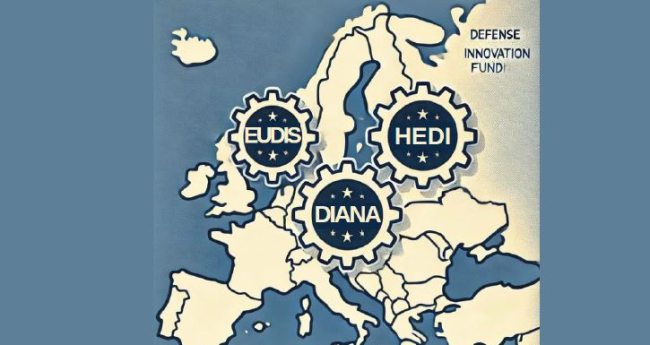
EUDIS, HEDI, DIANA: What's behind Three Defense Innovation Acronyms?
In Europe, with Russia’s war of aggression against Ukraine showing little sign of abating, a persistent gap remains between security needs and defense spending. According to a 2006 commitment enshrined at the 2014 Wales NATO summit, the North Atlantic Treaty Organization (NATO) members should disburse no less than 2% of their national gross domestic product (GDP) on defense, out of which 20% is to be spent on equipment and research and development. In 2024, only 23 Allies out of 32 are expected to meet or exceed this target, though a significant improvement from only three in 2014. This total includes the United States (US) devoting 3.38% of its GDP to defense, constituting almost 70% of all NATO member defense spending combined.
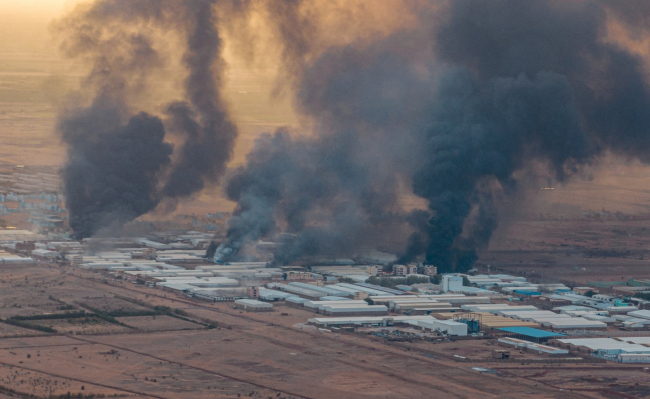
Gulf States: A Paradoxical Economic Lifeline for Sudan
For decades, Gulf states have provided crucial financial assistance to Sudan. Gulf interest in Sudan is driven by economic benefits and geopolitical competition, though each country has its own interests and approach.
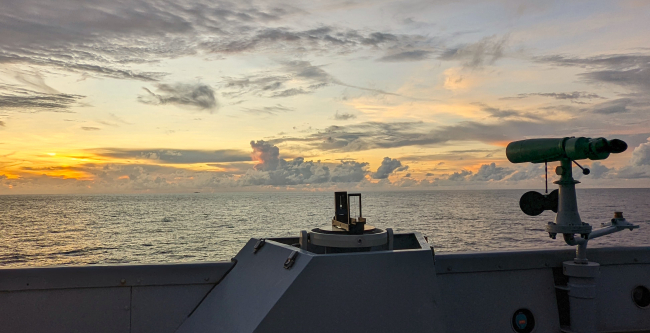
Deployment of the French Frigate Bretagne in the Indo-Pacific: Implementing French Strategy in the Region
The deployment of the French Navy’s multi-mission frigate (FREMM) Bretagne in the Indo-Pacific in recent months demonstrates France’s capability to project power far from the mainland and solidifies its Indo-Pacific strategy.
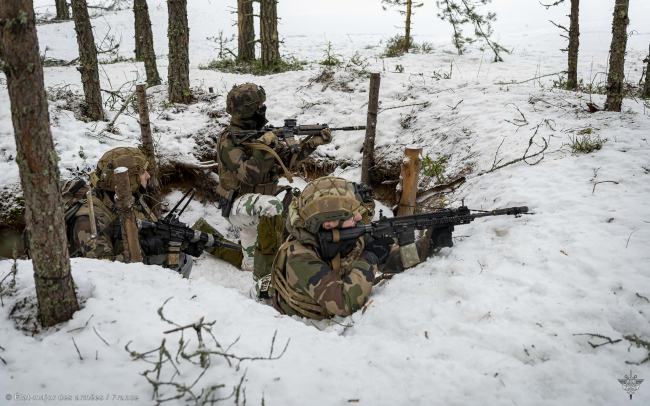
Return to the East: the Russian Threat and the French Pivot to Europe's Eastern Flank
Russia’s full-scale invasion of Ukraine on February 24, 2022, has flung Europe’s Eastern flank into a new phase of strategic confrontation. It has had a major effect on France’s position, which was previously somewhat timid, leading it to significantly reinforce its deterrence and defense posture in support of the collective defense of Europe, in the name of strategic solidarity and the protection of its security interests.

The Future of Nuclear Proliferation after the War in Ukraine
In the context of deep changes to the international security environment, especially the war in Ukraine, the risks of nuclear proliferation seem quite high, especially in the Middle East and East Asia.
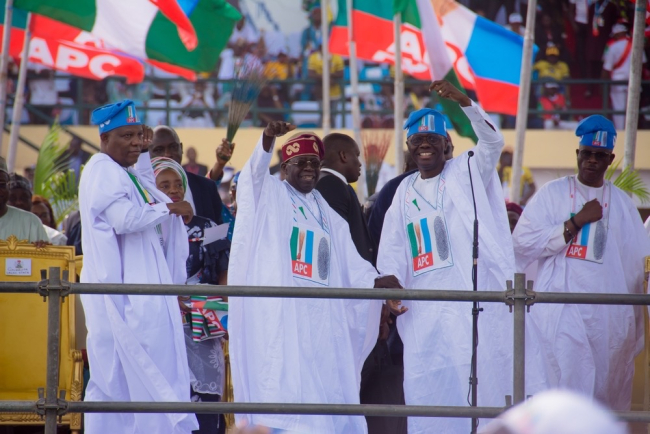
The Major Challenges of Ahmed Bola Tinubu's Nigerian Administration
Voter turnout for Nigeria's presidential elections in February-March 2023 has never been so low since the country's return to democracy in 1999. Nigeria's new president, Ahmed Bola Tinubu, must now reassure voters that Africa's leading economy is capable of putting the lie to a persistent image of a country in decline.

The World Through the Lens of Ukraine
This issue of Politique étrangère looks at three conflicts currently unfolding around the world.
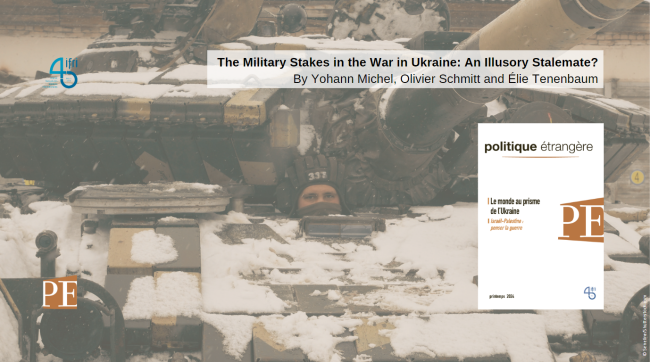
The Military Stakes in the War in Ukraine: An Illusory Stalemate?
The Ukrainian counter-offensive, which was supposed to result in a major breakthrough in 2023, came up against solid Russian defenses and ended in failure.
A Transatlantic Defense Industrial Base? Two Contrasting Views
The evolving landscape of global defense cooperation has brought the transatlantic relationship between the United States (US) and Europe into sharp focus. As geopolitical tensions rise and the threat environment becomes more complex, the question of how Europe can best ensure its security while navigating its relationship with the United States has become paramount. This double feature report offers two contrasting views on the dynamics of US-Europe defense industrial relations, highlighting the challenges and opportunities that lie ahead for both parties.
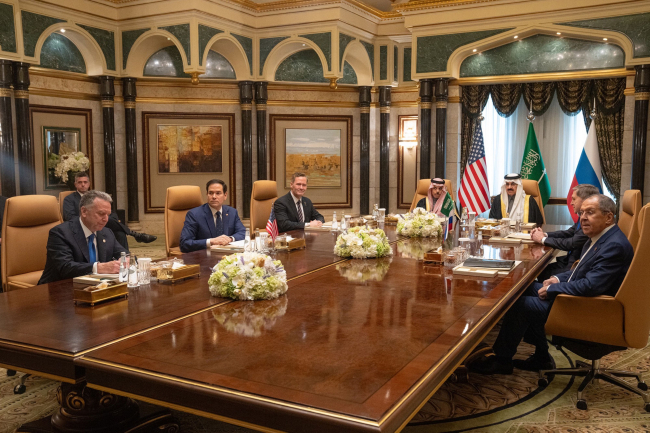
How the US under Trump Became a Strategic and Ideological Adversary of Europe
The Europeans' worst security nightmare seems to be coming true: on Tuesday, February 18, 2025, U.S. Secretary of State Marco Rubio and Russian Foreign Minister Sergey Lavrov met in Saudi Arabia to initiate the normalization of relations between their two countries. The meeting also aimed to set up peace negotiations for Ukraine. However, despite having the potential to affect the entire continent, the discussions took place without the Europeans or the Ukrainians being present.
France’s Contributions to Pacific Maritime Governance
France stands out as the only European country capable of making a substantial security contribution to the South Pacific, with a permanent presence of 2,800 military personnel extensively skilled in regional cooperation.
The China-Russia Partnership and the Ukraine War: Aligned but not allied
China and Russia maintain a strategic partnership rooted in shared opposition to the U.S. and liberal democracies, but their relationship is shaped more by pragmatism than trust.
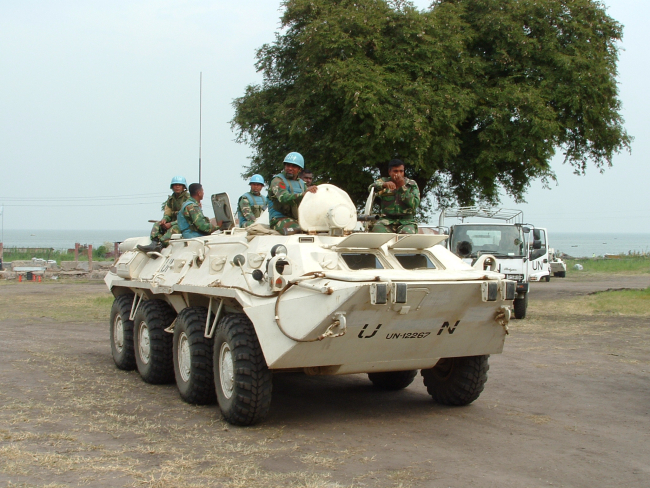
The United Nations Mission in Congo or the exemplary uselessness of the United Nations peacekeepers
During the M23 conflict in 2012-2013 in the Democratic Republic of Congo (DRC), the United Nations (UN) took the diplomatic initiative (by initiating the Addis Ababa agreement) and the military initiative (by launching a coordinated counter-offensive with the Congolese army). Since the resurgence of this conflict in 2022, the United Nations, which still has more than 10,000 peacekeepers deployed in eastern DRC, no longer plays any role.
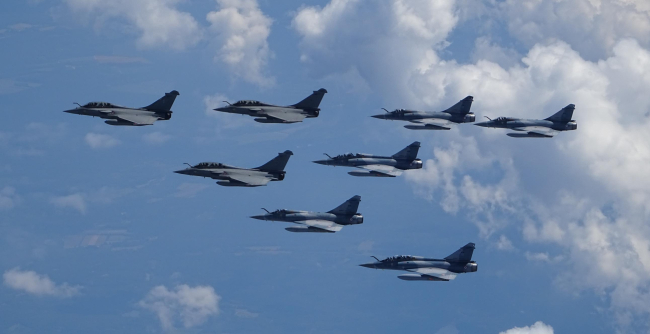
The Future of Air Superiority. Command of the Air in High Intensity Warfare
Air superiority, understood as control of the air, is a cornerstone of the Western art of warfare. It is a decisive condition, albeit not sufficient by itself, to achieve military victory, as it enables the concentration of air power toward the achievement of wider strategic objectives and protects other components from unbearable attrition levels. It is best achieved through the offensive use of air power in a joint effort to neutralize the enemy’s air power.
Hostage diplomacy of the Islamic Republic of Iran. The case of Europeans detained in Iran
The so-called hostage diplomacy of the Islamic Republic of Iran refers to a political and diplomatic strategy in which Tehran uses the detention of Western nationals, dual citizens, or Iranian citizens residing in Europe, Australia, or the United States as leverage in diplomatic negotiations. This practice aims to exert pressure to secure political, economic, or diplomatic concessions as part of Tehran’s asymmetric response strategy. Hostage diplomacy remains a controversial yet effective tool from the perspective of the Islamic Republic of Iran, given its context of economic sanctions and diplomatic isolation.
From Cuba to Ukraine: Strategic Signaling and Nuclear Deterrence
Strategic signaling—the range of signs and maneuvers intended, in peace time, to lend credibility to any threat to use nuclear weapons—is back.
Rebooting Italy's Africa Policy: Making the Mattei Plan Work
Against the backdrop of increasing anti-French rhetoric across parts of Francophone Africa, the relative failure of the counterinsurgency operation in the central Sahel (Operation Barkhane) and diplomatic rifts with several Sahelian countries, Paris has been rethinking its relationship with the continent for several years now. As a former imperial power that has seen its colonial domain in Africa gain independence between 1956 (Morocco-Tunisia) and 1977 (Djibouti), France has invented two successive roles for itself in Africa since 1960, particularly in French-speaking sub-Saharan Africa.
Deep Precision Strikes: A New Tool for Strategic Competition?
Reaching deep into the enemy’s system to weaken it and facilitate the achievement of operational or strategic objectives is a key goal for armed forces. What capabilities are required to conduct deep strikes in the dual context of high-intensity conflict and strengthened enemy defenses?
Ifri, a foundation recognized as being of public utility, relies largely on private donors – companies and individuals – to guarantee its sustainability and intellectual independence. Through their funding, donors help maintain the Institute's position among the world's leading think tanks. By benefiting from an internationally recognized network and expertise, donors refine their understanding of geopolitical risk and its consequences on global politics and the economy. In 2026, Ifri partners with over 90 French and international companies and organizations.

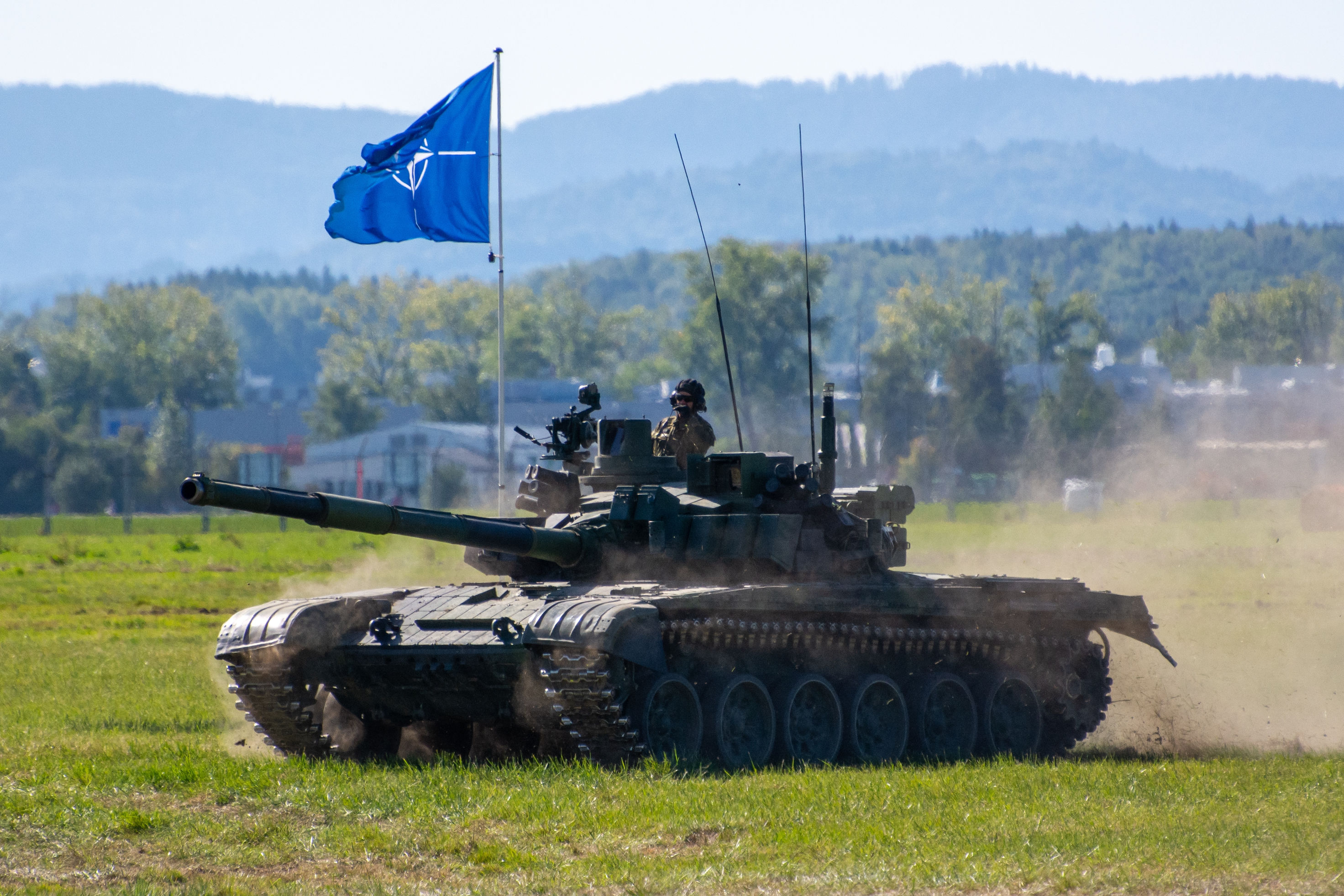
The European & Transatlantic Security Program aims to contribute to the strategic debate by developing analyses around three main axes: European defense and the security architecture of the European continent, institutional and strategic links between the Treaty Organization of North Atlantic (NATO) and the European Union (EU), as well as the evolution of the transatlantic relationship.
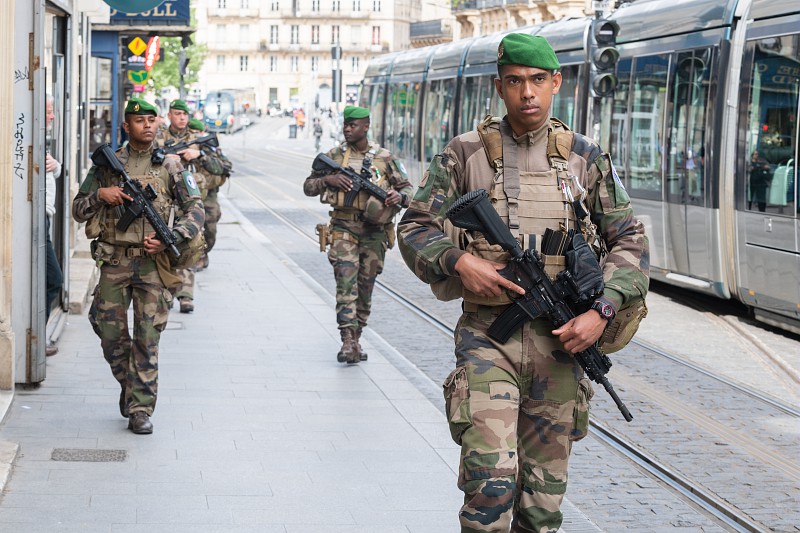
The distinction between internal and external threats is often exaggerated, as the borders are so porous. Conflicts taking place thousands of kilometers from France can have tragic resonances on national territory. Radicalization, terrorism and even organized crime have an international dimension that cannot be ignored.
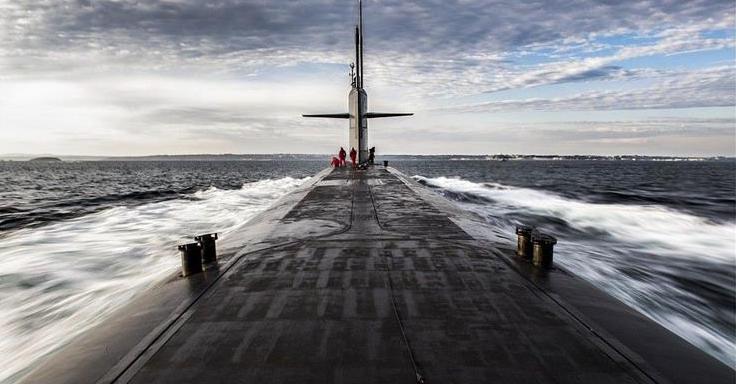
The conflicts in Europe, Asia and the Middle East demonstrate a return of nuclear power to the balance of power. Arsenals are being modernized and expanded, while arms control is collapsing. This research program aims to analyze these phenomena.
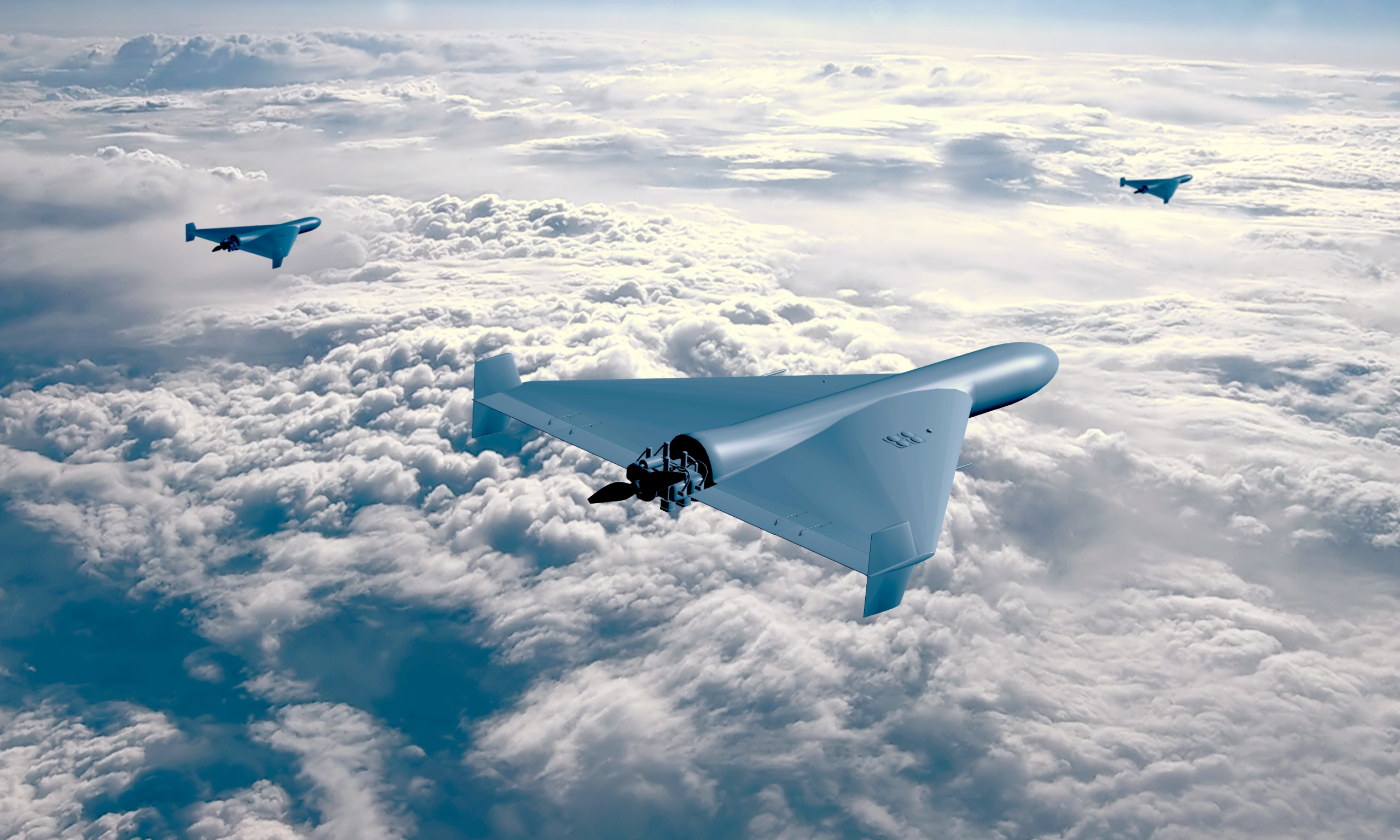
The Observatory of Future Conflicts is a research program carried out by the French Institute of International Relations and the Foundation for Strategic Research on behalf of the three army headquarters aimed at studying developments in tensions and armaments at the horizon 2040 in a transversal perspective, taking into account the issues of each army.
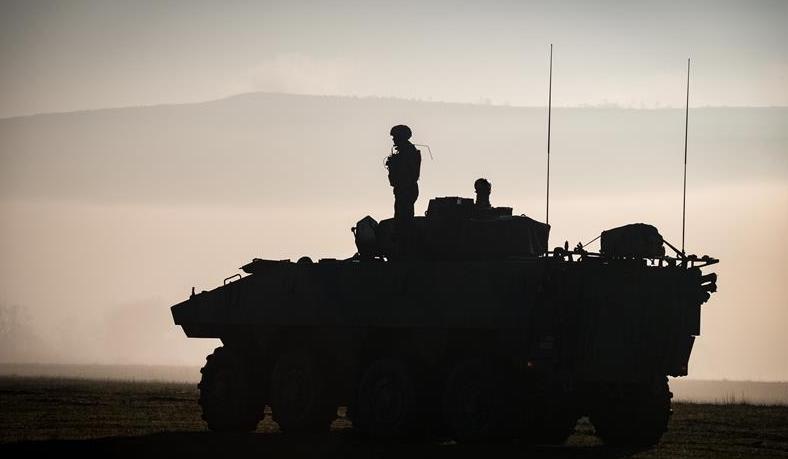
Heir to a tradition dating back to the founding of Ifri, the Security Studies Center provides public and private decision-makers as well as the general public with the keys to understanding power relations and contemporary modes of conflict as well as those to come. Through its positioning at the juncture of politics and operations, the credibility of its civil-military team and the wide distribution of its publications in French and English, the Center for Security Studies constitutes in the French landscape of think tanks a unique center of research and influence on the national and international defense debate.
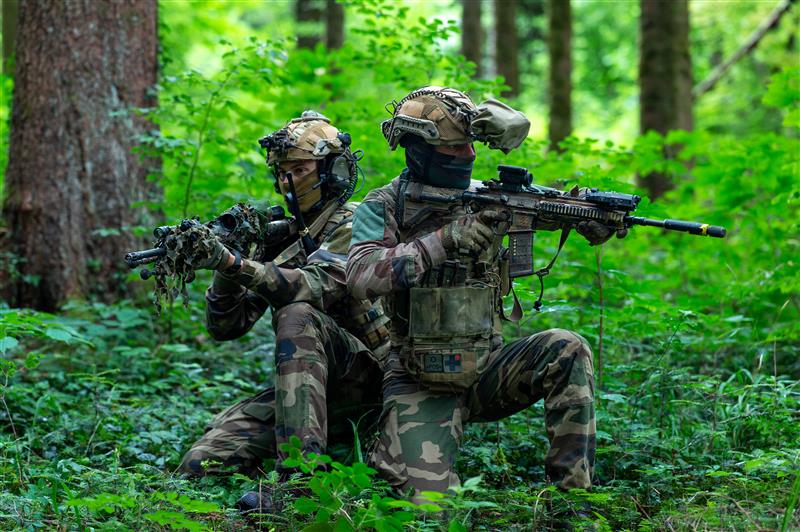
The Defense Research Unit is a program that aims at stimulating the strategic debate by dealing with subjects at the junction of the “technico-operational” and the “political-strategic”. A unique structure in France, it brings together civilian researchers and “military fellows” from each of the three armies to produce work on defense policies, the capability and strategic adaptation of armies, and foresight on tomorrow's conflicts.