




Security - Defense
As a result of global strategic competition, security and defense issues are marked by the return of major wars and nuclear deterrence, the transformation of terrorism and the race for military technologies.
Related Subjects
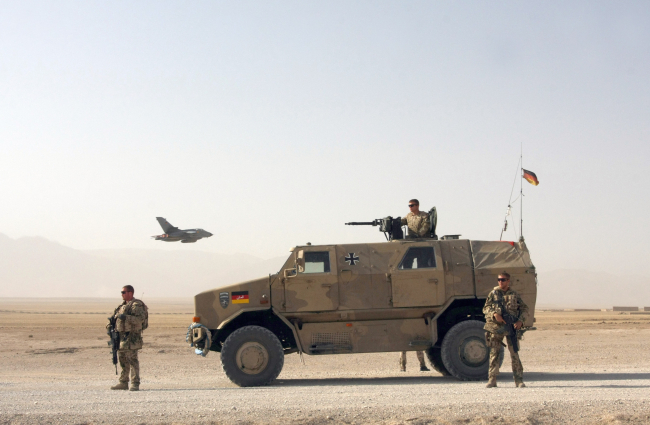
Circumstantial Pacifism: Political Parties and the Participation of the Bundeswehr in Foreign Operations
In Germany's parliamentary democracy, political parties play an important role in mandating Bundeswehr missions abroad and in overseeing their deployment. The political debate on these deployments is polarized between opponents, who are called “pacifists”, and supporters, who are called “militarists”.

Cyber-influence : les nouveaux enjeux de la lutte informationnelle
The coming of age of a digital “info sphere” has dramatically changed the nature of military information support strategy.
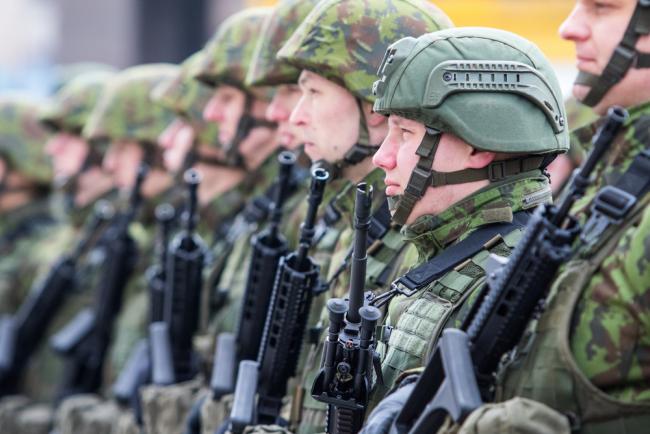
Collective Collapse or Resilience? European Defense Priorities in the Pandemic Era
To what extent has the COVID-19 pandemic affected defense priorities across Europe?
Once a Jihadist, Always a Jihadist? A Deradicalization Program Seen from the Inside
France has traditionally taken a security-based approach to the fight against terror. It was a latecomer to the field of radicalization prevention and the establishment of disengagement programs aimed at jihadists. It only started to think seriously about the issue in 2013 and its first attempts involved certain irregularities.

Réparer 2020 ou préparer 2030 ? L’entraînement des forces françaises à l’ère du combat multi-domaine
From basic training to the conduct of international exercises, operational readiness planning aim to make the components of military capabilities (equipment, doctrines, operational know-hows) consistent with the operational contracts decided at the strategic level.
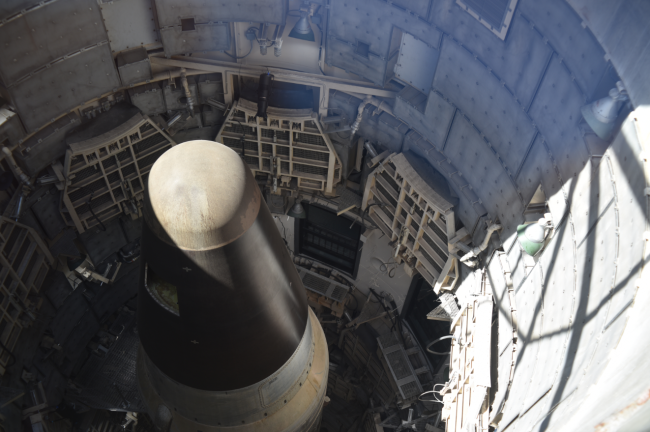
Strategic Risk Reduction between Nuclear-Weapons Possessors
The topic of nuclear risk reduction has gained momentum in the international security debate among policymakers, nongovernmental organizations, and experts.
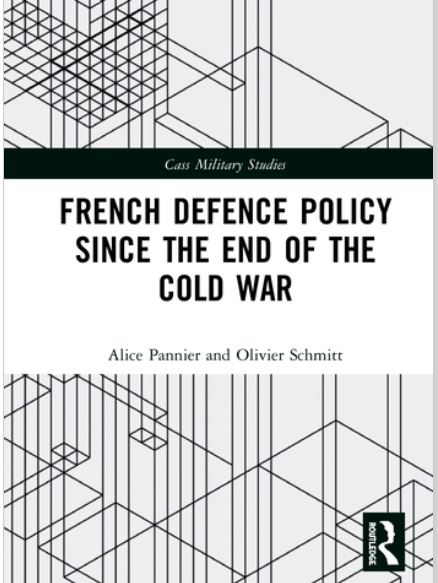
French Defence Policy Since the End of the Cold War
With a look at evolutions over the past three decades, the thematic chapters cover French defense institutions and civil-military relations, the transformation of armed forces, nuclear deterrence, the defense industry, military interventions, and alliances.
Europe in the World: for a Modest and Effective Reform
This sad year ends with a pandemic that continues in full swing over a large part of the planet, especially in the United States and Europe, with no other reassuring prospect than that of one or more vaccines, which is already a lot. But that’s not the subject I want to focus on in this eighth letter, the last one for 2020. Internationally, two other facts have dominated the scene in recent months.
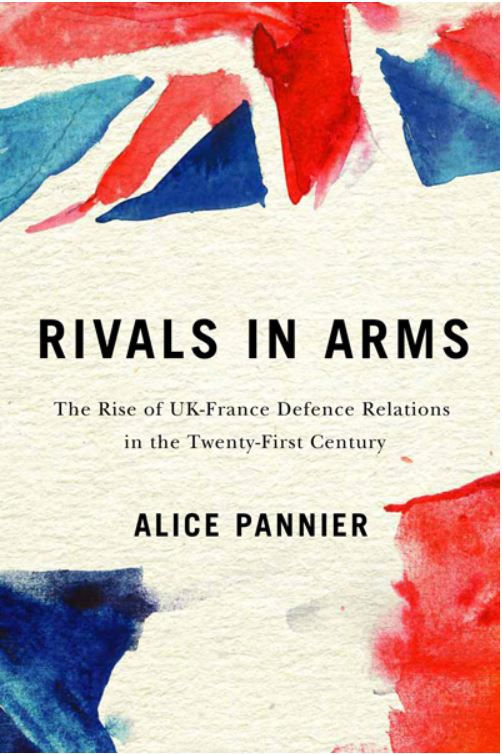
Rivals in Arms: The Rise of UK-France Defence Relations in the Twenty-First Century
The untold story of the thriving yet complicated defense relationship of two countries caught between strategic decline and global ambitions. As the UK leaves the European Union and as the multilateral international order is increasingly under stress, bilateral security links are more important than ever. Among such relationships, the UK-France partnership has become particularly critical in the past decades.
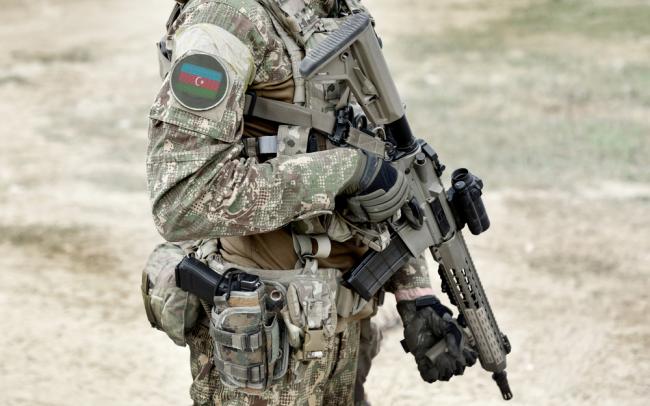
No Peacemakers for the New / Old Caucasian War: Understanding the Armenia-Azerbaijan Clash
A full-blown war erupted in the South Caucasus last Sunday, September 27, and as the two belligerents — Armenia and Azerbaijan — mobilize their forces under martial law, no international authority is trying in earnest to stop the hostilities. The conflict over the disputed Nagorno-Karabakh region ignited 30 years ago as the Soviet Union was collapsing and has never effectively “frozen.” The cease-fire Russia negotiated in May 1994 was not backed by a peacekeeping operation, and clashes have kept occurring, most notably in April 2016.
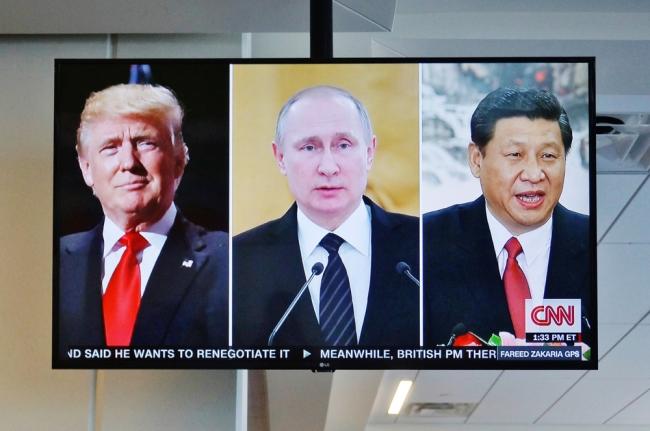
Global Order in the Shadow of the Coronavirus: China, Russia and the West
The coronavirus pandemic has thrown a harsh spotlight on the state of global governance. Faced with the greatest emergency since the Second World War, nations have regressed into narrow self-interest. The concept of a rules-based international order has been stripped of meaning, while liberalism faces its greatest crisis in decades.
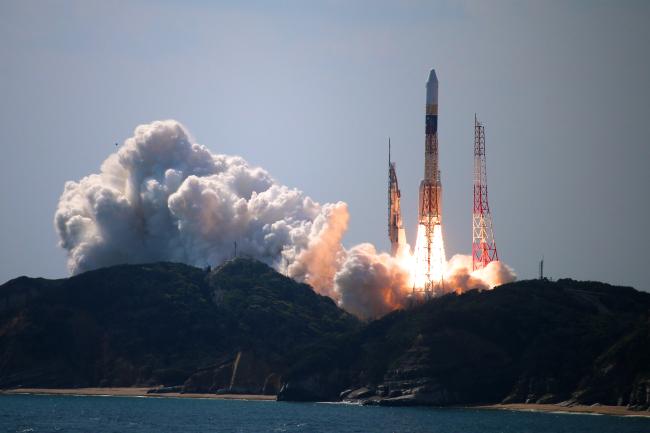
Japan’s Space Program: Shifting Away from “Non-Offensive” Purposes?
Japan’s space program has evolved greatly since the end of the Cold War, driven by a rapidly changing geopolitical environment and tailored by the emergence of an “intra-alliance hedging strategy”.
The European Equation of Nuclear Deterrence, Variables and Possible Solutions
Ever since nuclear weapons were developed by the United States and the Union of Socialist Soviet Republics, Europe has lived under the nuclear shadow. A major direct confrontation between “the West” and “the East” could have very likely resulted in the detonation of nuclear weapons on the continent. As the Cold War ended, massive reductions in the US and Soviet arsenals (from 70,300 in 1986 to 13,890 in 2019) and a new security architecture radically transformed the European security environment.
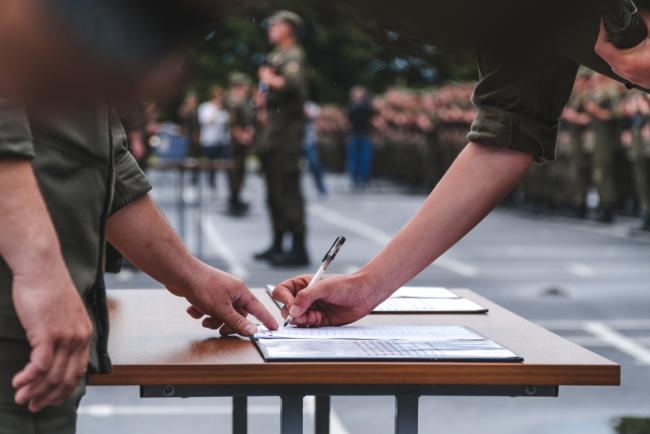
Les ressources humaines, un enjeu stratégique pour les armées
The French Military Planning Act for the years 2019-2025, is “dedicated” to men and women in the services, showing how crucial the human factor is for the armed forces.
Nuclear Multipolarity: Myths and Realities of Competition
The term “arms race” does not accurately reflect the events of the Cold War, let alone the multipolar logics that have followed it.
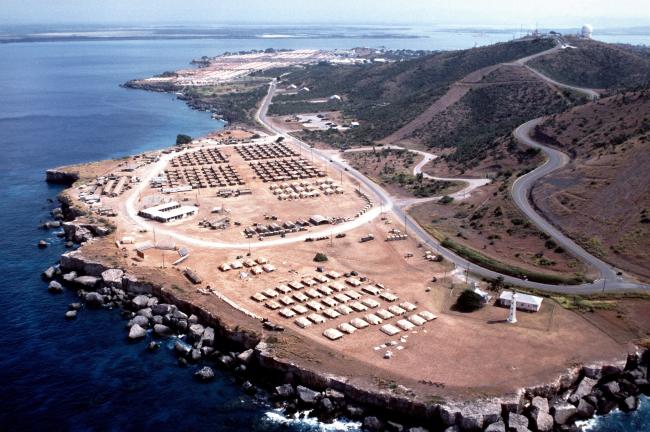
Les bases de la puissance. Enjeux géopolitiques et stratégiques des bases militaires avancées
Throughout history, great powers have relied upon forward military bases, either to support their interventions in areas of interest, to re-assure allies or to control a territory.
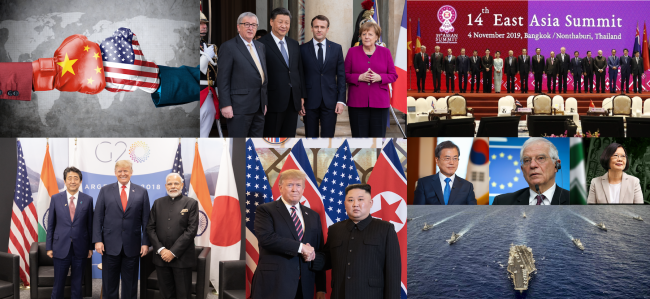
East Asia Security in Flux. What Regional Order Ahead?
In February 2020, the Ifri Center for Asian Studies and the Research Institute for Peace and Security (RIPS) held a conference on the Asian security environment.
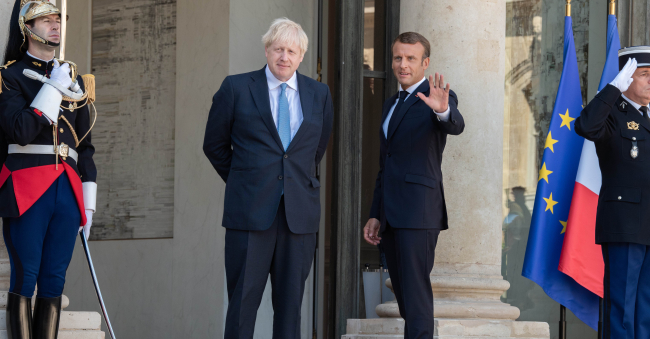
Complementarity or Competition? Franco-British Cooperation and the European Horizon of French Defense Policy
What does future hold for the Franco-British defense partnership after Brexit?
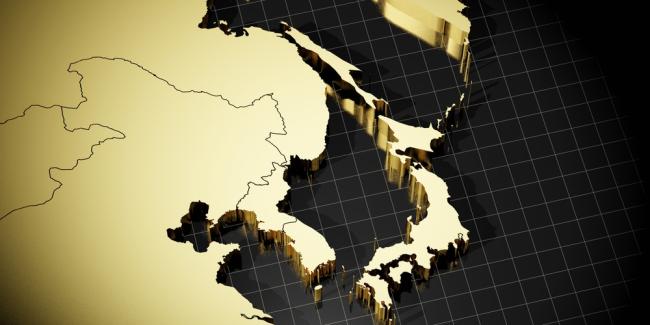
The Return: Russia and the Security Landscape of Northeast Asia
Northeast Asia has emerged as a critical theater of Russian foreign policy in recent years.
Moscow’s historical Westerncentrism is giving way to a new awareness about the vital importance of the region. The “turn to the East” now has genuine substance and impetus. Yet Russian policy is a work in progress, more opportunistic than strategic. The security landscape is complex and fluid, and Moscow has struggled to manage its contradictions.
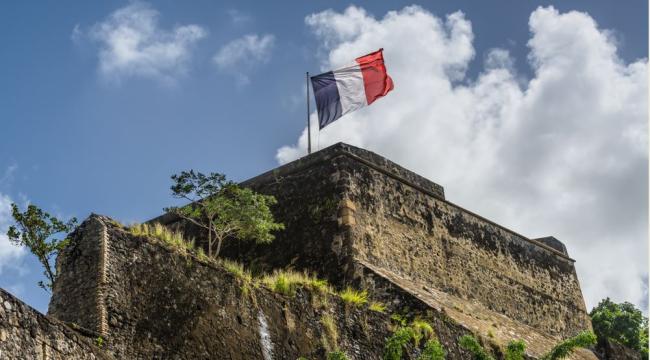
Confettis d’empire ou points d’appui ? L’avenir de la stratégie française de présence et de souveraineté
France is one of the few nations in the world to benefit from a permanent global military presence. With more than 10,000 military personnel from all three services, deployed across the five continents and the three main oceanic basins, it benefits from the second largest network of prepositioned forces in the world.
North Korea's Nuclear Posture: an Evolving Challenge for U.S. Deterrence
A more capable, nuclear-armed, North Korea will pose very substantial challenges to the U.S. deterrence posture.
The NPT and the Origins of NATO’s Nuclear Sharing Arrangements
Russia has recently accused the United States and NATO Allies of violating the Treaty on the Non-Proliferation of Nuclear Weapons (NPT) by arguing that NATO's nuclear sharing arrangements are not permitted under the Treaty.
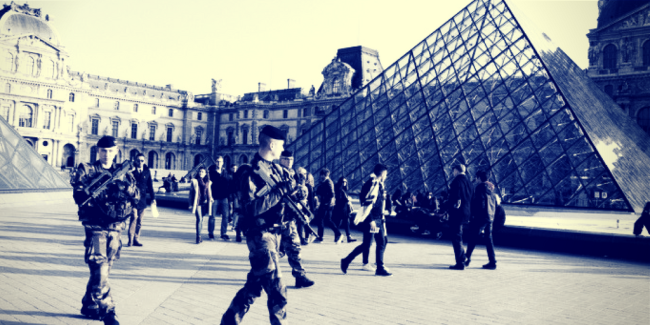
France vs. Jihadism: The Republic in a New Age of Terror
This paper assesses the current state of the jihadist threat to France, as well as the French authorities’ security response. With the upcoming presidential election, 2017 will be a decisive year for the country. Terrorism will be at the heart of the campaign and ISIS will most likely try to strike again.

Making Sense of Europe’s Southern Neighbourhood: Main Geopolitical and Security Parameters
Europe’s southern neighbourhood is a diverse but interlinked geopolitical ensemble, whose specificities need to be carefully assessed before Europeans devise dedicated security strategies, divide responsibilities and make policy decisions.

Beyond national styles. Towards a connected history of Cold War counterinsurgency
This book is a major new study of the extent to which national mentalities, or 'ways of war', are responsible for 'national styles' of insurgency and counterinsurgency
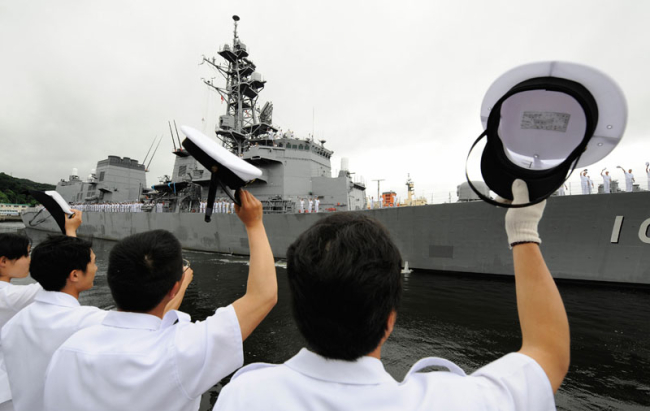
Japan’s Coast Guard and Maritime Self-Defense Force: Cooperation among Siblings
Coping with “gray zone” situations has in recent years become the core security challenge for Japan. Since September 2012, Beijing has been challenging Japan’s sovereign control of the Senkaku Islands by regularly sending law-enforcement vessels into Japanese territorial waters and contiguous zones.
Japan's New Dual-Use Space Policy: The Long Road to the 21st Century
Japan’s latest space policy is designed to support a more proactive US-Japan alliance role in containing China, and robustly defend Japan against North Korean ballistic missile threats.
The Future Middle East Strategic Balance. Conventional and Unconventional Sources of Instability
This paper seeks to analyze the future Middle Eastern military balance of power, in a time horizon of five to ten years.
War and Democratic Decision Making: How do Democracies Argue and Decide Whether or Not to Intervene in Distant Wars?
What is the proper place and forum for decisions about war and peace in a democracy? There is surprisingly little consensus on this matter, not in theory and not in practice. While in Iraq, Libya and Syria, all Western actions have ended in failure, it seems necessary to analyze the place and importance of this aspect of the democratic decision making.
La Sentinelle égarée ? L’armée de Terre face au terrorisme
The 2015 terror attacks in France and the ensuing activation by the Ministry of Defense of its homeland protection plan opened a new phase in the long history of the French Army’s involvement in internal security.
Ifri, a foundation recognized as being of public utility, relies largely on private donors – companies and individuals – to guarantee its sustainability and intellectual independence. Through their funding, donors help maintain the Institute's position among the world's leading think tanks. By benefiting from an internationally recognized network and expertise, donors refine their understanding of geopolitical risk and its consequences on global politics and the economy. In 2026, Ifri partners with over 90 French and international companies and organizations.

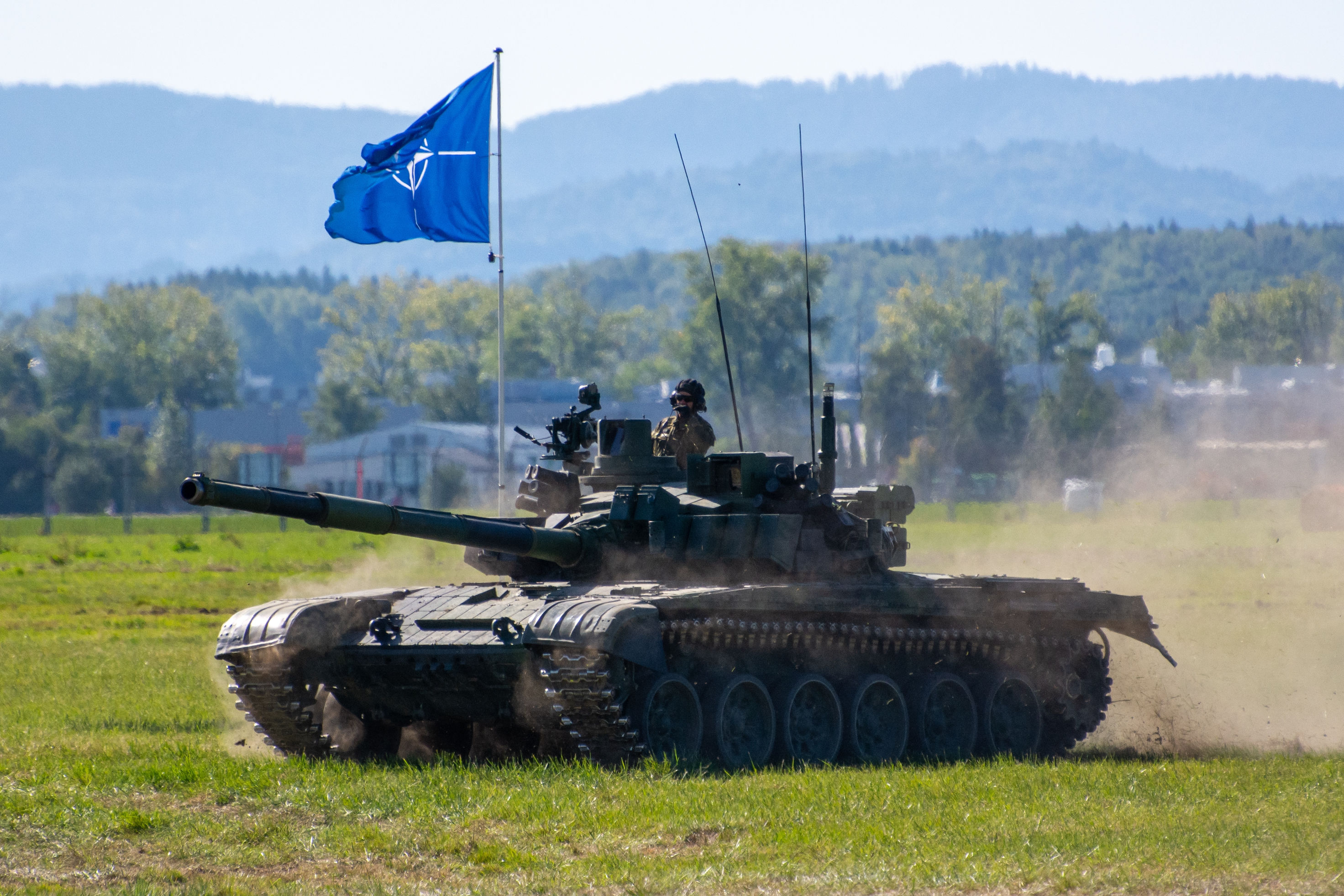
The European & Transatlantic Security Program aims to contribute to the strategic debate by developing analyses around three main axes: European defense and the security architecture of the European continent, institutional and strategic links between the Treaty Organization of North Atlantic (NATO) and the European Union (EU), as well as the evolution of the transatlantic relationship.
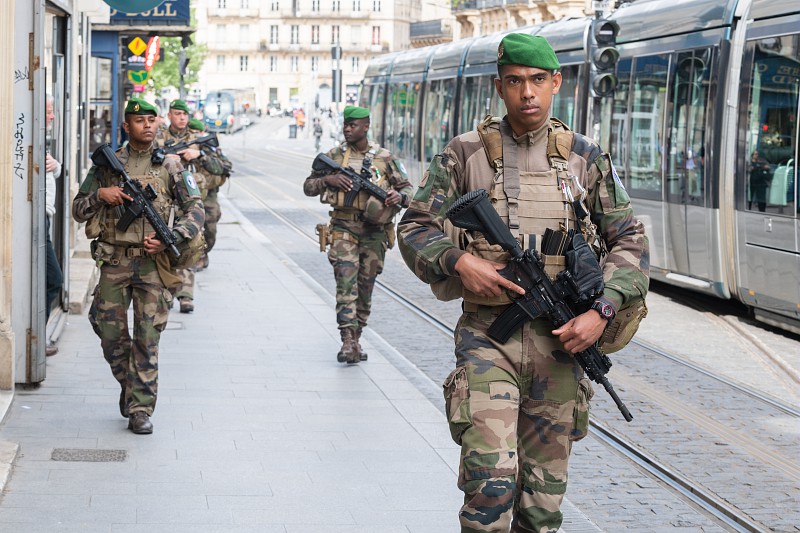
The distinction between internal and external threats is often exaggerated, as the borders are so porous. Conflicts taking place thousands of kilometers from France can have tragic resonances on national territory. Radicalization, terrorism and even organized crime have an international dimension that cannot be ignored.
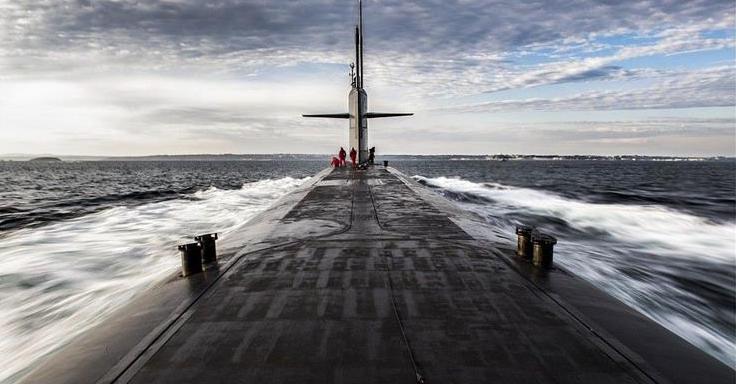
The conflicts in Europe, Asia and the Middle East demonstrate a return of nuclear power to the balance of power. Arsenals are being modernized and expanded, while arms control is collapsing. This research program aims to analyze these phenomena.
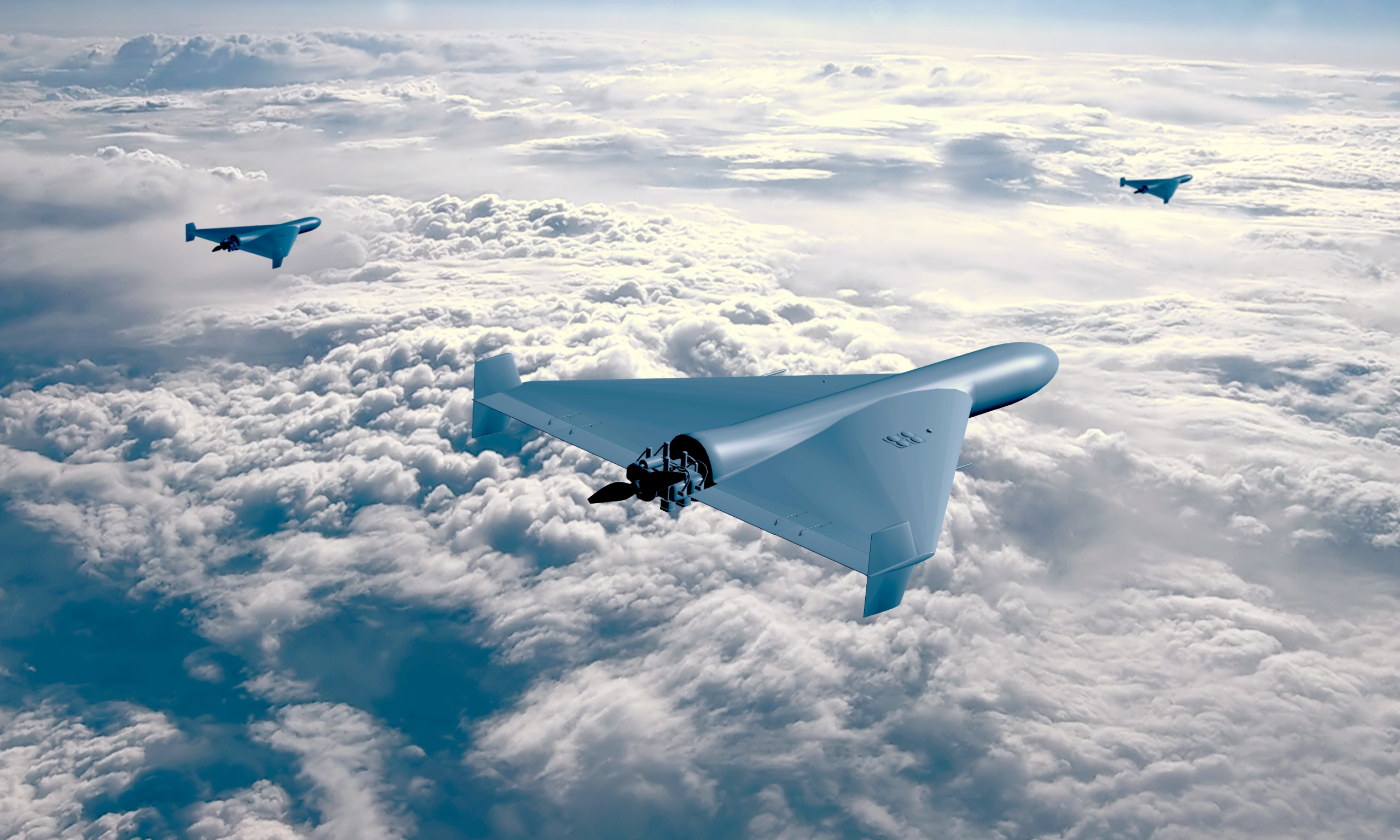
The Observatory of Future Conflicts is a research program carried out by the French Institute of International Relations and the Foundation for Strategic Research on behalf of the three army headquarters aimed at studying developments in tensions and armaments at the horizon 2040 in a transversal perspective, taking into account the issues of each army.
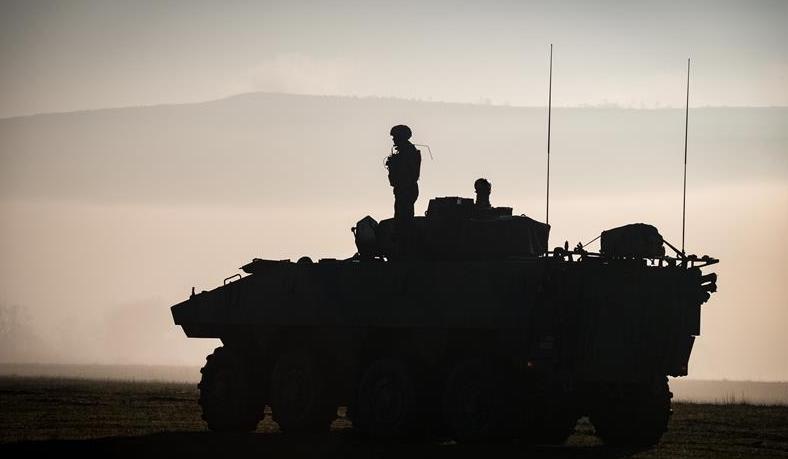
Heir to a tradition dating back to the founding of Ifri, the Security Studies Center provides public and private decision-makers as well as the general public with the keys to understanding power relations and contemporary modes of conflict as well as those to come. Through its positioning at the juncture of politics and operations, the credibility of its civil-military team and the wide distribution of its publications in French and English, the Center for Security Studies constitutes in the French landscape of think tanks a unique center of research and influence on the national and international defense debate.
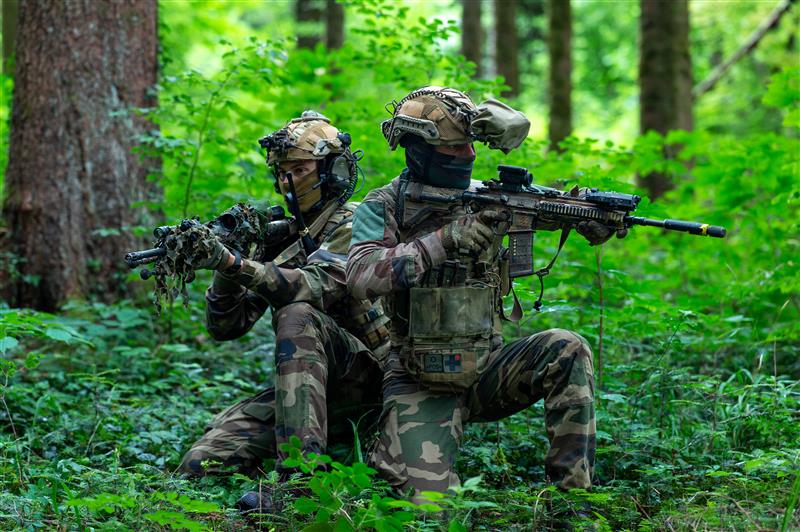
The Defense Research Unit is a program that aims at stimulating the strategic debate by dealing with subjects at the junction of the “technico-operational” and the “political-strategic”. A unique structure in France, it brings together civilian researchers and “military fellows” from each of the three armies to produce work on defense policies, the capability and strategic adaptation of armies, and foresight on tomorrow's conflicts.