




Security - Defense
As a result of global strategic competition, security and defense issues are marked by the return of major wars and nuclear deterrence, the transformation of terrorism and the race for military technologies.
Related Subjects
It’s difficult to assess the consequences of the strikes on the nuclear program itself and the facilities, as we are still waiting for independent analyses of the satellite imagery.

quoted in the Bulletin of the Atomic Scientists
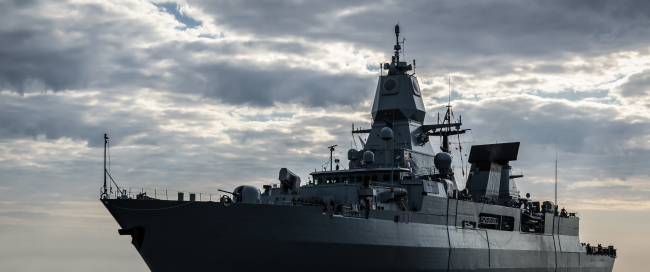
The Hunt for Economic Security: The Role of Navies in Deterring Threats to the Maritime Economy
The maritime domain is currently faced with a wide variety of threats, such as climate change, economic warfare, shadow fleet operations, protection of critical infrastructures, and illicit activities ranging from illegal fishing to piracy. Navies suffer from inherent limitations when deterring threats to the global maritime economy: their global presence and permanence limits their credibility in terms of deterrence, their focus usually set on immediate deterrence, implementing deterrence by punishment in and from the naval domain is difficult and costly.

quoted by Leila Abboud in the Financial Times
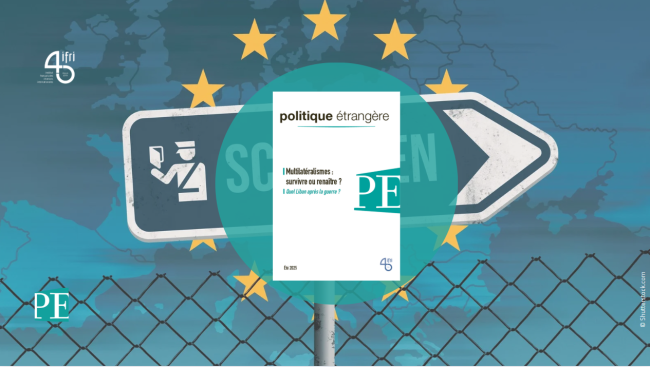
The "Europe of Internal Security": An Unknown Quantity - Politique étrangère, Vol. 90, No. 2, Summer 2025
The new European Internal Security Strategy, unveiled by the European Commission in April 2025, provides an opportunity to shine a light on a little-known policy. To mitigate the problems created by freedom of movement, substantial additions have been made to European internal security policy over the last few years. The European Union is constantly striving to become stronger in order to combat crime, terrorism, illegal immigration, and hybrid threats more effectively.
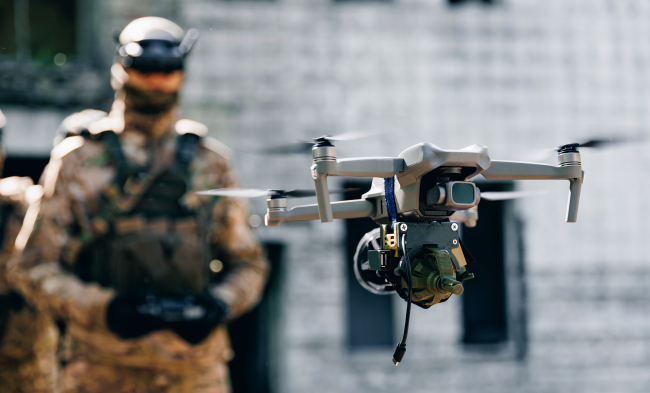
Design, Destroy, Dominate. The Mass Drone Warfare as a Potential Military Revolution
The widespread use of drones observed in Ukraine—both in terms of the scale of the fleets deployed and their omnipresence in the operations of both belligerents—appears to meet the conditions of a genuine military revolution.


The 'Macron Doctrine' goes to Asia: Autonomy with partners, steady on China
The French president calls for a 'third way' in the Indo-Pacific
Macron calls for Europe and Asia to unite and resist ‘spheres of coercion’
French President Emmanuel Macron used a keynote speech Friday at Asia’s top regional security conference to call on European and Indo-Pacific nations to pursue "strategic autonomy" — avoiding picking sides between China and the United States — and instead forge “coalitions of action” while standing up to “spheres of coercion.”
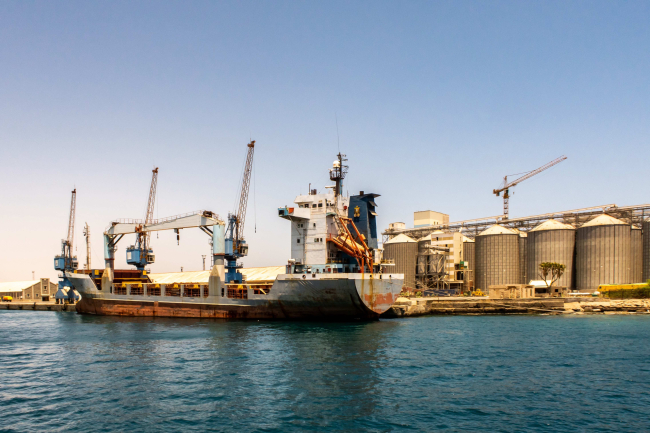
The Revenue Sources Sustaining Sudan’s Civil War. Lessons for the year 2023
Wars require money and resources, and often, most conflicts involve controlling sources of income and supply lines or denying them to enemies. This has been the case in Sudan’s past conflicts and is again as the civil war—between the Sudan Armed Forces (SAF), commanded by General Abdelfattah al-Burhan, and the paramilitary Rapid Support Forces (RSF), commanded by General Mohammed Hamdan Daglo “Hemedti” —has sunk into a protracted conflict.
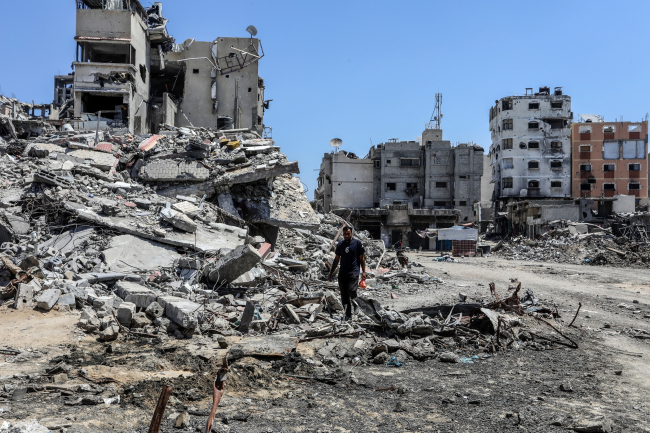
Taking the Pulse: Should the EU Suspend its Association Agreement With Israel?
Israeli leaders are clearly stating their intention to forcibly displace Gazans out of the Strip, a policy which amounts to ethnic cleansing. To uphold its commitment to human rights, should the EU suspend its association agreement with Israel?
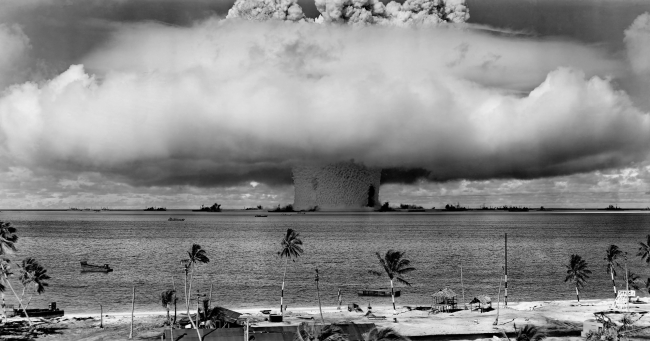
A Fragile Consensus? The Pressure on the Norm Against Nuclear Testing
Apart from North Korea, no state has conducted explosive nuclear tests in the 21st century, reflecting the emergence of a strong international norm against such testing.
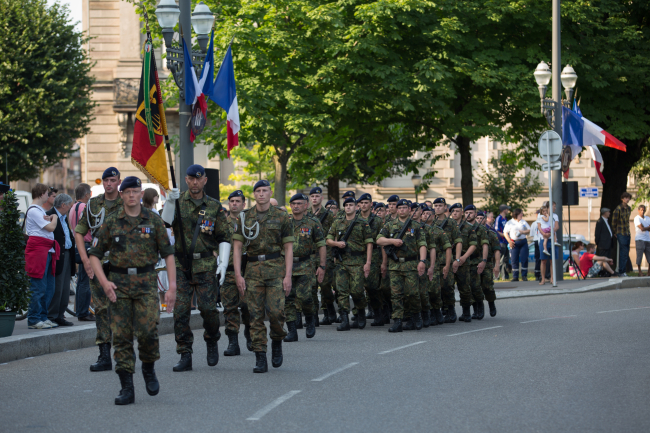
The Franco-German Brigade and the Revival of European Defense
One thing has been clear since Donald Trump's return to the White House: the very existence of the European unification project is threatened. Unless it develops a sovereign defense policy to counter the war in Ukraine and the weakening of American security guarantees, the European Union will continue to see its internal cohesion and external attractiveness wane.
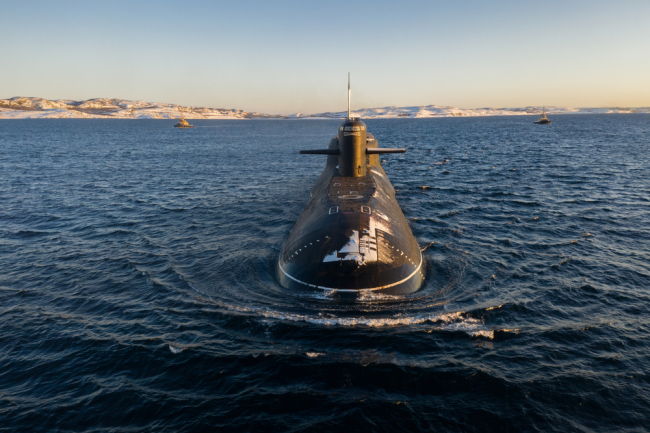
Taking the Pulse: Can Europeans Build Their Independent Extended Nuclear Deterrent?
Confronted with a U.S. disengagement and the Russian threat, Europeans are reconsidering their stance on nuclear deterrence. Given the capabilities of the French and British arsenals, can Europe develop an independent nuclear deterrent?
2nd Maritime Security Conference: Threats to Maritime Trade and Maritime Infrastructure
Guillaume Furgolle, military fellow at the Defense Research Unit of the Security Studies Center at Ifri, participated in the 2nd Maritime Security Conference held on April 2, 2025. The topic of the conference was "threats to maritime trade and maritime infrastructure". Guillaume Furgolle spoke about the French vision of maritime security.
Replay - European Security: Perspectives from Latvia. Debate with the Minister of Defense of the Republic of Latvia, Andris Sprūds
How should European security be approached in the face of the challenges posed by the war in Ukraine? Replay of the conference European Security: Perspectives From Latvia. Debate with the Minister of Defense of the Republic of Latvia, Andris Sprūds.
Arctic: A New Era of Geopolitical Tensions? The Alert from the Norwegian Intelligence Director
An interview with Nils-Andreas Stensønes, Director of the Norwegian Intelligence Service, conducted by Daphné Benoit, Head of international affairs, AFP, on the occasion of Ifri's conference "New geopolitical realities of the Arctic", 19 March 2025.
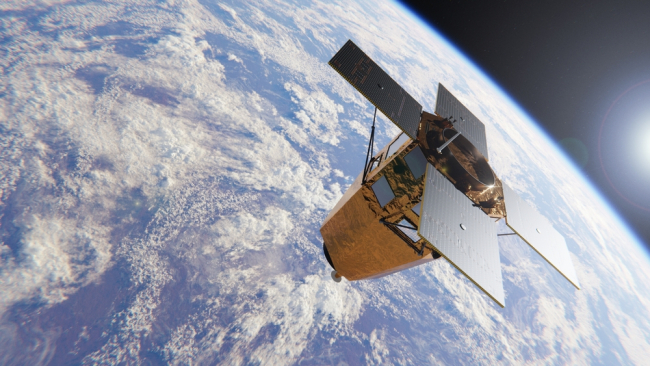
The European Space Model: Renewing Ambition in a Changing Strategic Landscape
The European space model, based on science, cooperation and trade, is now being undermined by changes in international relations and the economic upheavals brought about by New Space. In light of the war in Ukraine and American disengagement, Europe needs to rethink its strategy by adding a fourth pillar dedicated to defense, in order to strengthen its sovereignty and deter possible aggression against the continent.
A Transatlantic Defense Industrial Base? Two Contrasting Views
The evolving landscape of global defense cooperation has brought the transatlantic relationship between the United States (US) and Europe into sharp focus. As geopolitical tensions rise and the threat environment becomes more complex, the question of how Europe can best ensure its security while navigating its relationship with the United States has become paramount. This double feature report offers two contrasting views on the dynamics of US-Europe defense industrial relations, highlighting the challenges and opportunities that lie ahead for both parties.
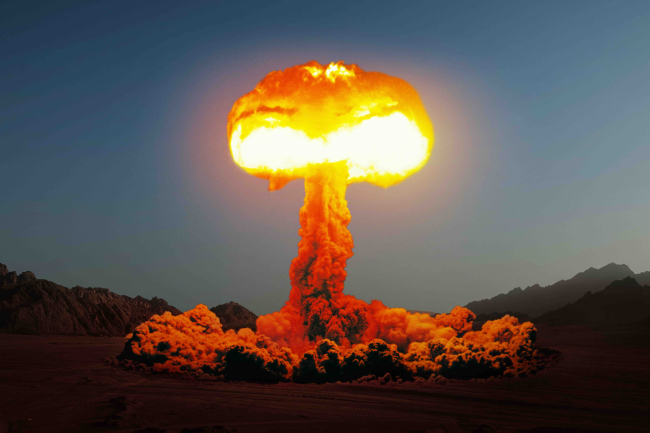
Europe thinks the unthinkable on a nuclear bomb
Poland wants co-operation with France on a nuclear deterrent. That could take many forms.
(Replay) US-China-Taiwan Relations: What to expect in the Trump II Era?
Replay of Ifri's Center for Asian Studies' conference "US-China-Taiwan Relations: What to expect in the Trump II era?", held at Ifri on Tuesday 11 March 2025.
Better know a nuke: France
In this episode of The Arms Control Poseur, host Dr Alexander Bollfrass is joined by nuclear policy experts Héloïse Fayet, Emmanuelle Maitre and Dr Liviu Horovitz to discuss the history and the current trajectory of France's nuclear arsenal.
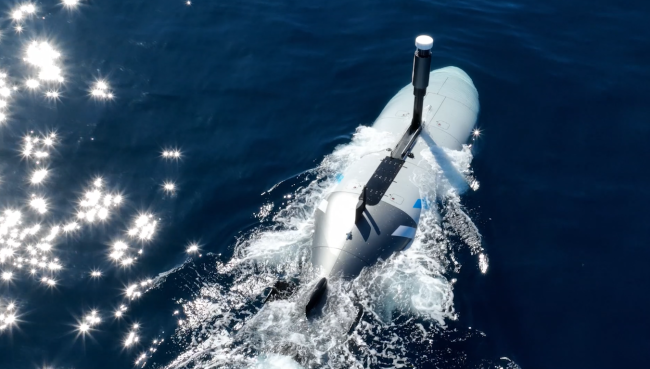
Autonomous Systems in the Underwater Domain: A Limitless Revolution?
One of the decisive strategic factors in the ongoing Russo-Ukrainian war is the mass use of aerial, maritime, and terrestrial autonomous capabilities, which are transforming the face of the battlefield. Nevertheless, many of these drones are still remotely piloted, operated, or supervised, testifying to the fact that the autonomization of military capabilities is still at an embryonic stage.

Main Battle Tank: Obsolescence or Renaissance?
Since February 2022, Russian and Ukrainian forces combined have lost more than 5,000 battle tanks, a much higher volume than all the European armor combined. Spearhead of the Soviet doctrine from which the two belligerents came, tanks were deployed in large numbers from the first day and proved to be a prime target for UAVs that became more numerous and efficient over the months. The large number of UAV strike videos against tanks has also led a certain number of observers to conclude, once again, that armor is obsolete on a modern battlefield. This approach must, however, be nuanced by a deeper study of the losses and their origin, UAVs rarely being the sole origin of the loss itself, often caused by a combination of factors such as mines, artillery or other anti-tank weapons.

Europe-Russia: Balance of Power Review
European countries can no longer avoid the "Russian question," as Russia has chosen war. They have the necessary potential—that is, the economic means, military capabilities, and technological expertise—to face Russia by 2030, provided they demonstrate the political will to do so.
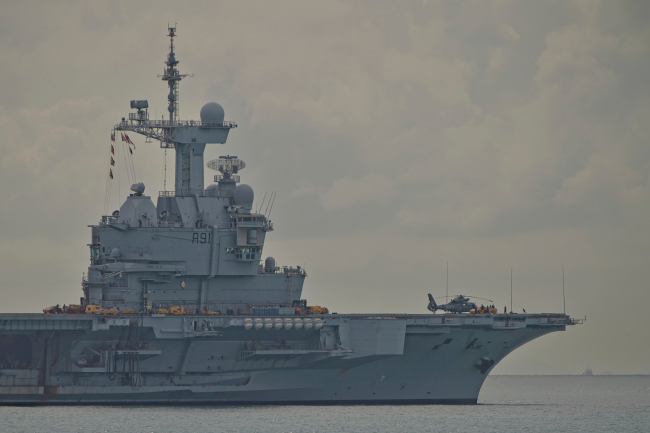
Expanding SPDMM as a pivotal institution in the Pacific – A French perspective
The South Pacific Defence Ministers’ Meeting (SPDMM) is the only forum that brings together defense ministers from the wider South Pacific — including Chile, which is hosting it for the first time. This heterogeneous group of countries with varying resources, capacities, and interests — Australia, Chile, Fiji, France, New Zealand, Papua New Guinea (PNG), and Tonga — are united by their shared determination to strengthen cooperation on maritime security and humanitarian assistance and disaster relief (HADR) activities.
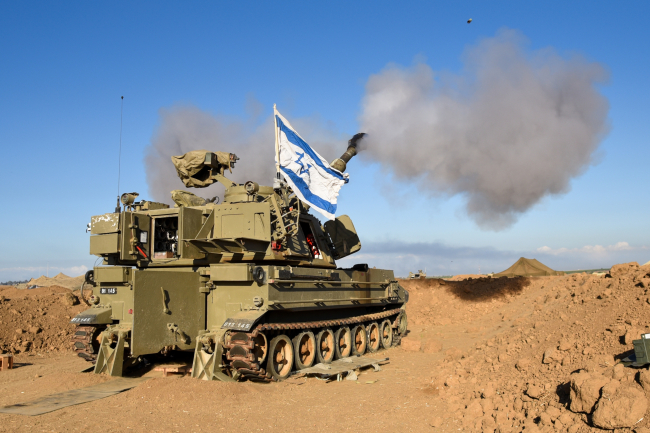
"Iron Swords" A Military Analysis of Israel's War in Gaza
On October 7, 2023, Hamas' attack, dubbed “Al-Aqsa Flood,” caused a major shock and led Israel to launch the longest war in its history. Operation “Iron Swords” was notable for its unprecedented intensity, both in terms of the massive ground forces deployed and the firepower used.
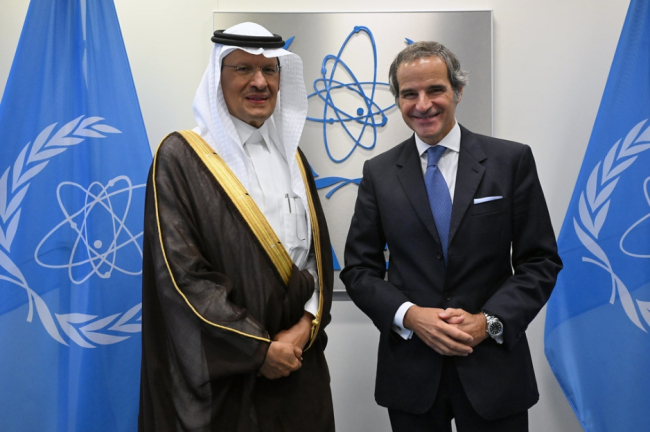
Saudi Arabia’s Nuclear Temptations. Lessons Learned from Regional Instability
Saudi Arabia’s integration in the international arena and regional stability, notably through reducing its dependence on fossil energies, are crucial elements for the success of the Kingdom’s Vision 2030, the Crown Prince’s top priority. However, Mohammed bin Salman’s declarations in 2018 and 2021, indicating that “if Iran develops a nuclear bomb, we will follow suit as soon as possible”, combined with the recent strikes on key Iranian nuclear facilities, do not bode well for the future of the Kingdom, the region and the non-proliferation regime at large.
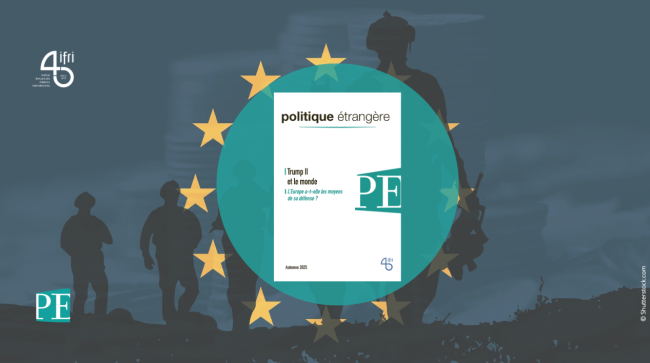
Europe Uncovered?
As Russia continues to threaten Europe, the Trump administration is making no secret of its desire to withdraw—at least partially—from the defense of the Old
Continent in order to focus on strategic competition with China. It is thus putting pressure on its European allies to increase their investment in the military sector. The NATO Summit in The Hague in June 2025 resulted in ambitious commitments by member states to increase their defense spending.
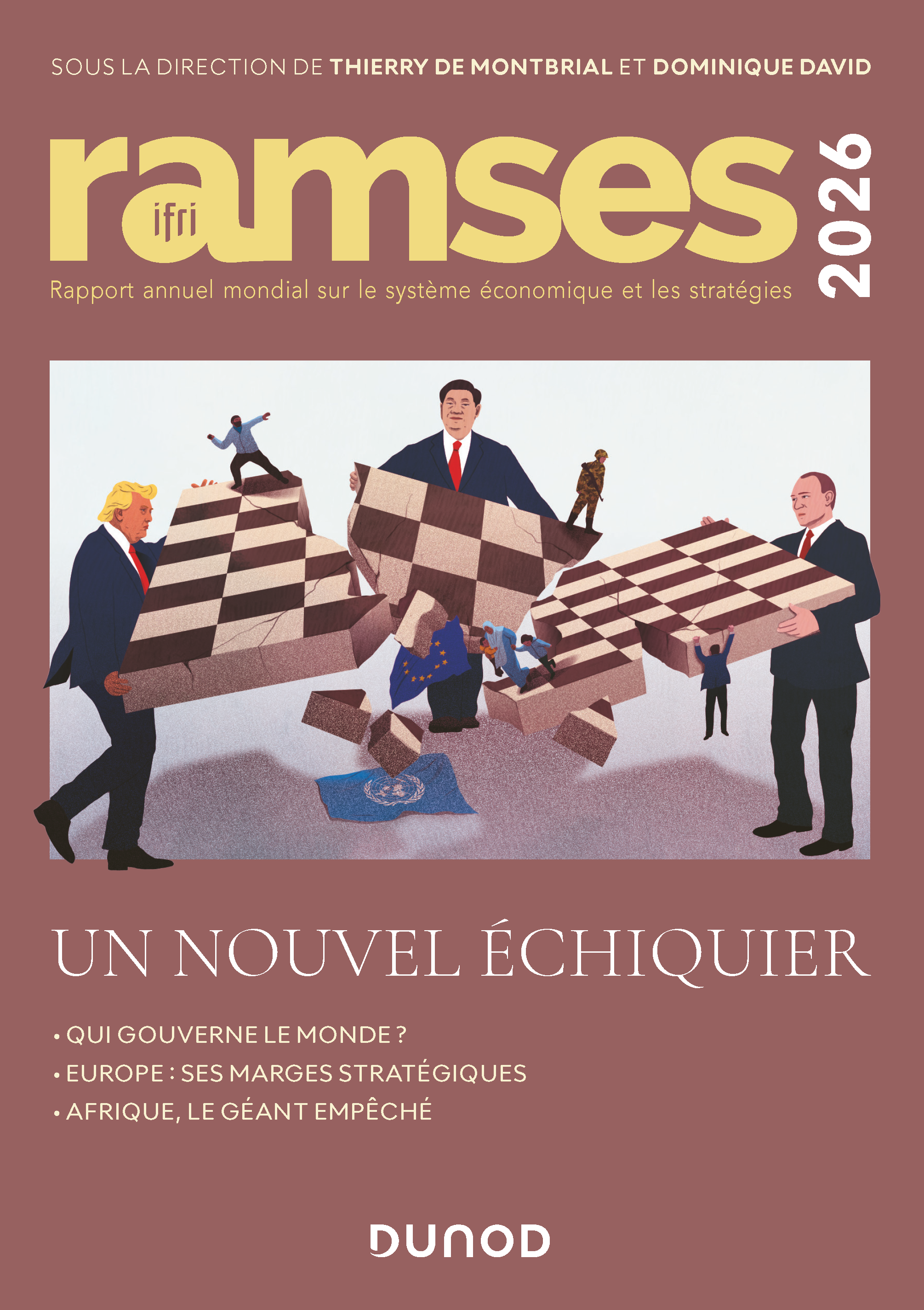
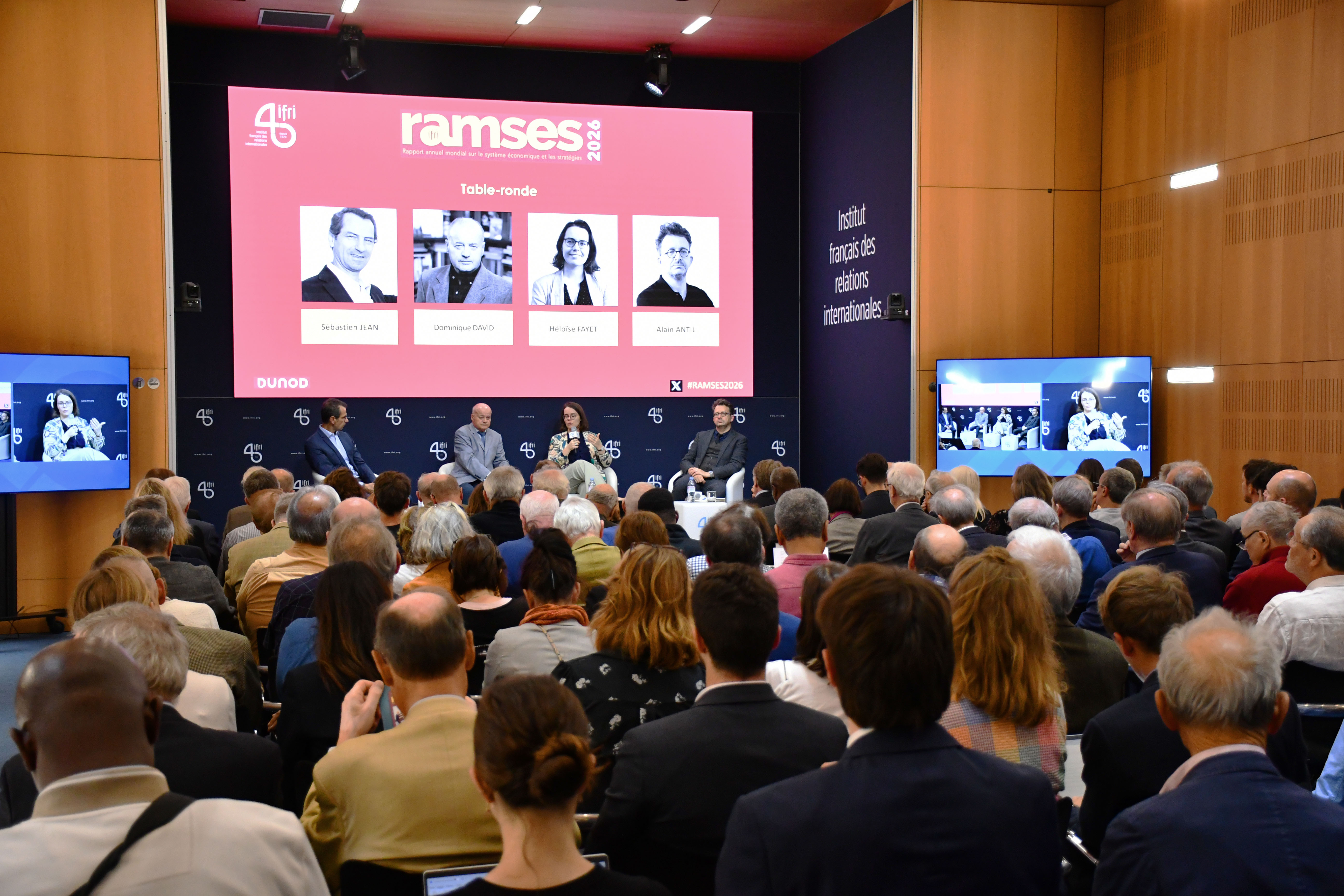
Ramses 2026. A New Chessboard
A world chessboard chopped up by the vertigo of power...
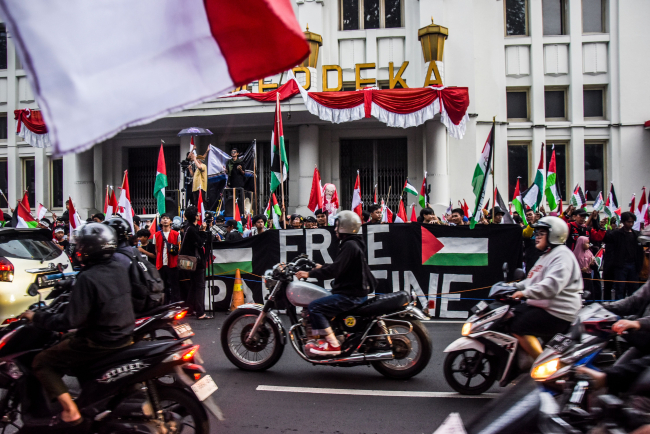
Indonesia and the Palestinian Cause
During his inaugural presidential speech on October 20, 2024, Indonesia’s incumbent president, Prabowo Subianto, iterated certain principles central to the philosophical foundation of the Indonesian nation. He noted Indonesia’s longstanding foreign policy of non-alignment or “bebas dan aktif” (free and active) and its aversion to military pacts.
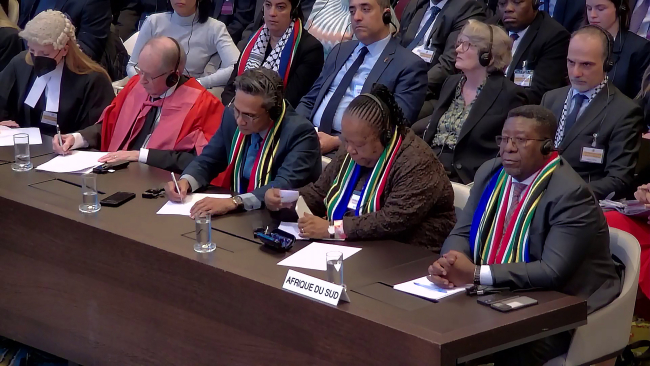
Middle Power Lawfare : South Africa, International Justice, and the Gaza Crisis
The intensification of violence in Gaza following Hamas’s 7 October 2023 Al Aqsa Flood attack and Israel’s military response prompted a broader reassessment of global diplomacy. Longstanding geopolitical alignments were disrupted, and questions about humanitarian obligations, institutional accountability, and the limits of state conduct returned to the centre of international debate.

French "State Action at Sea" as a Model for SE Asian Coast Guards
South-East Asian countries like Philippines and Indonesia have to cope with an increasing number of maritime issues in order to exert their sovereign rights over their territorial waters, archipelagic waters and exclusive economic zones (EEZ). In the midst of a tense geostrategic environment, the security of maritime areas and, more broadly, security in the high seas, are subject to major threats and illegal activities as recently summarized in the last Information Fusion Centre (IFC) annual report: piracy and sea robbery, maritime terrorism, cyber-attacks and AIS spoofing, trafficking of all kinds, illegal fishing activities and maritime pollution.
AUKUS, a Hot Topic at Beijing Xiangshan Forum Webinar 2021
BEIJING, Oct. 28 -- The 5th session of Beijing Xiangshan Forum Webinar 2021 was held on the evening of October 26 around the topic of “Strategic Stability: Impasse and Way Out”, in which the establishment of the so-called trilateral security partnership, AUKUS, by the US, Britain and Australia and their nuclear submarine cooperation were heatedly discussed.

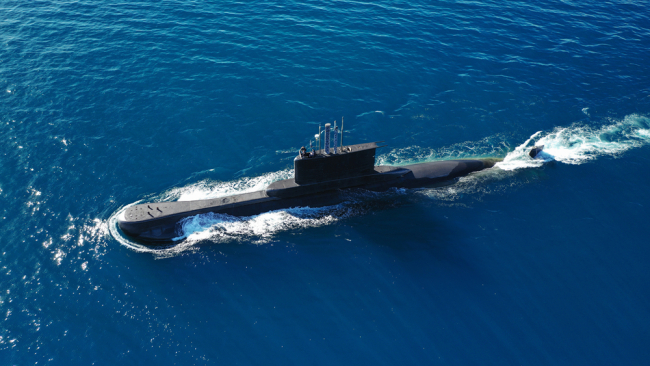
France’s submarine trouble highlights its precarious status as a great power
French admiral says US has broken a pact among nuclear powers on the UN Security Council by agreeing to sell nuclear submarines.

Paris attacks: Survivors hope for justice as France's biggest criminal trial in history begins
"Still now I have the images of the corpses next to my feet": Olivier Laplaud and his wife were in the Bataclan enjoying themselves amongst a crowd of 1,500 people when everything changed in an instant.

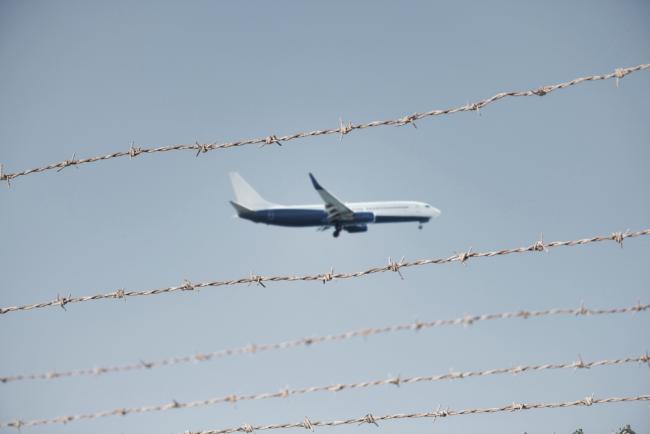
France hopes deporting more alleged radicals will bring security
France has repatriated more than half the people it defined as radical Islamists living in the country without a residence permit since 2018. Now it wants to extend the penalty and deport even more.

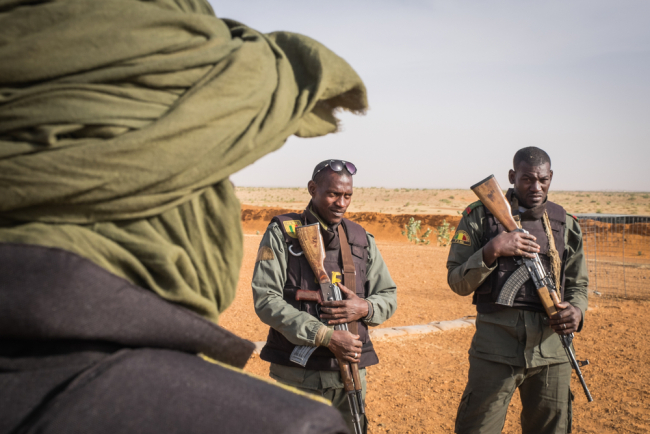
Army colonel sworn in as Mali president as tensions with Paris grow
Assimi Goïta vows to uphold republican regime and democracy in Mali.

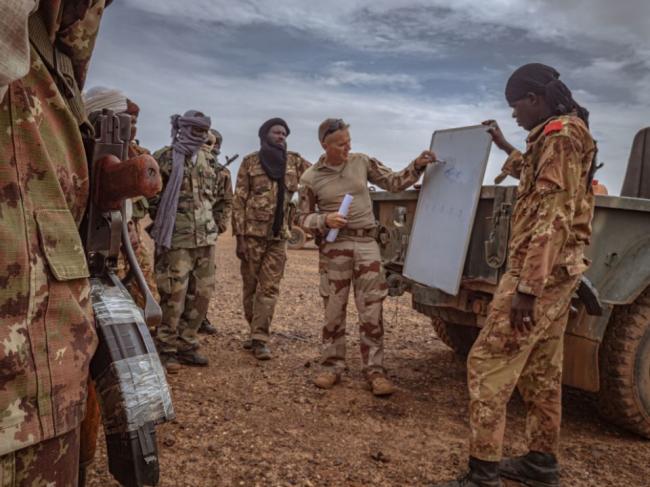
France Halts Joint Military Operations with Mali Over Coup
PARIS - France said Thursday it would suspend joint military operations with Malian forces after the West African country's second coup in nine months, adding to international pressure for the military junta to return civilians to positions of power.

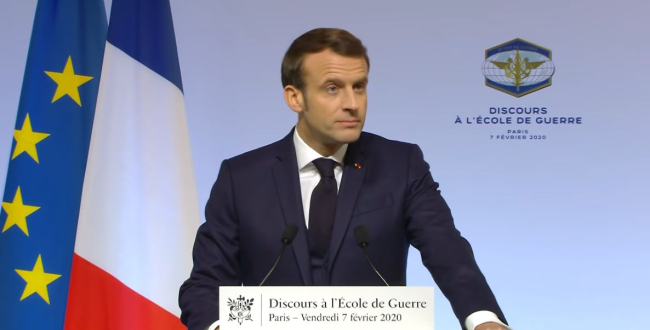
France to spell out post-Brexit nuclear weapons strategy
France, the European Union's sole nuclear power since Britain's exit from the bloc, will unveil Friday how it intends to use its atomic arsenal as a deterrent in an increasingly unstable world.

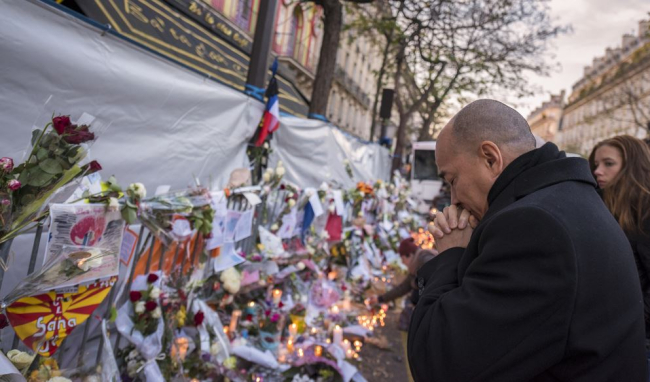
Jihadist Prisoners: The Fear of Recidivism
On July 16, Djamel Beghal is expected to be released from the Rennes-Vezin prison in the west of France. Beghal is a well-known figure in the European jihadist sphere. Born in Algeria in 1965, he settled in France in 1987. Ten years later, he moved to the United Kingdom with his French wife and their children. In November 2000, the family left for Afghanistan, a country then governed by the Taliban.

Missiles of March: A political means of last resort for Putin
President Vladimir Putin’s extra-heavy emphasis on new strategic missile systems in his March 1 address to parliament was quite unexpected and rather out of character.
Ifri, a foundation recognized as being of public utility, relies largely on private donors – companies and individuals – to guarantee its sustainability and intellectual independence. Through their funding, donors help maintain the Institute's position among the world's leading think tanks. By benefiting from an internationally recognized network and expertise, donors refine their understanding of geopolitical risk and its consequences on global politics and the economy. In 2026, Ifri partners with over 90 French and international companies and organizations.
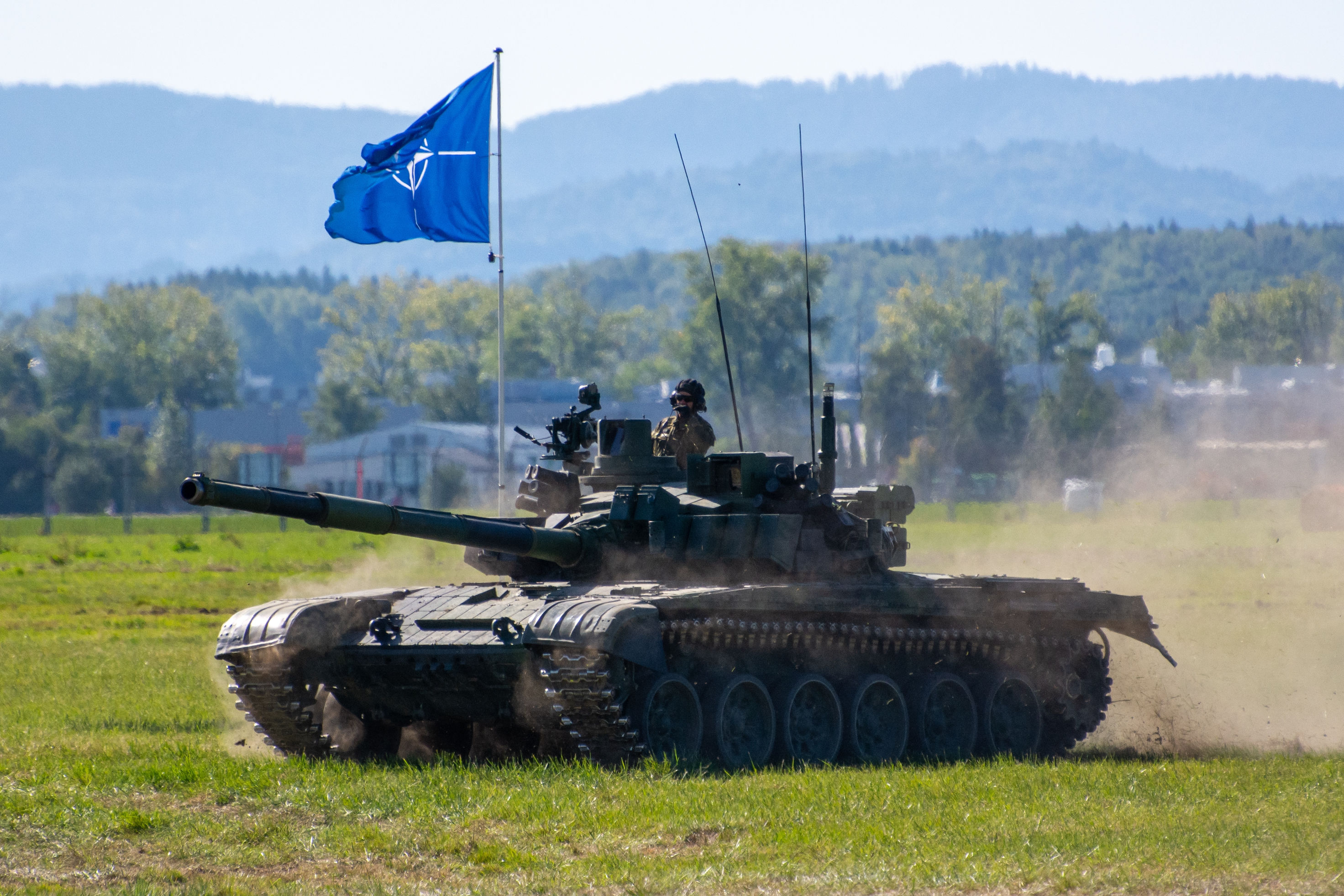
The European & Transatlantic Security Program aims to contribute to the strategic debate by developing analyses around three main axes: European defense and the security architecture of the European continent, institutional and strategic links between the Treaty Organization of North Atlantic (NATO) and the European Union (EU), as well as the evolution of the transatlantic relationship.
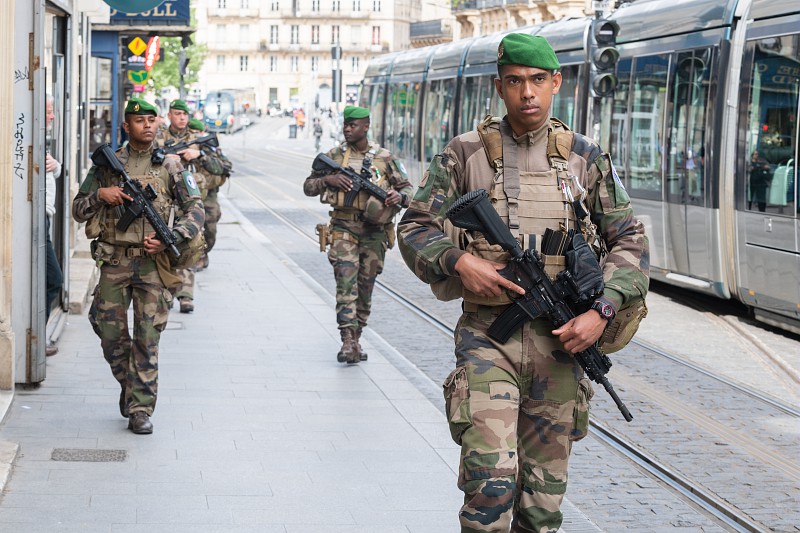
The distinction between internal and external threats is often exaggerated, as the borders are so porous. Conflicts taking place thousands of kilometers from France can have tragic resonances on national territory. Radicalization, terrorism and even organized crime have an international dimension that cannot be ignored.
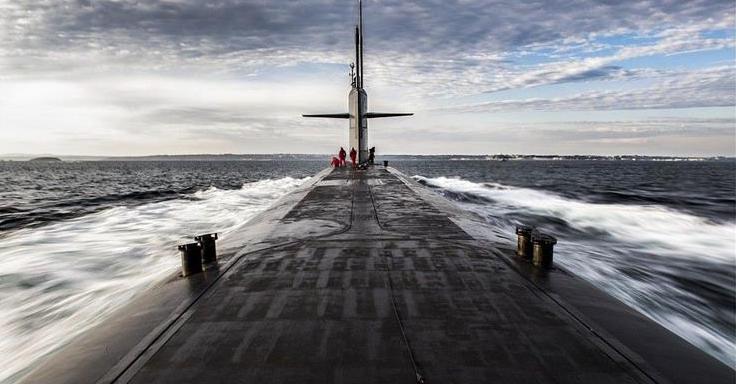
The conflicts in Europe, Asia and the Middle East demonstrate a return of nuclear power to the balance of power. Arsenals are being modernized and expanded, while arms control is collapsing. This research program aims to analyze these phenomena.
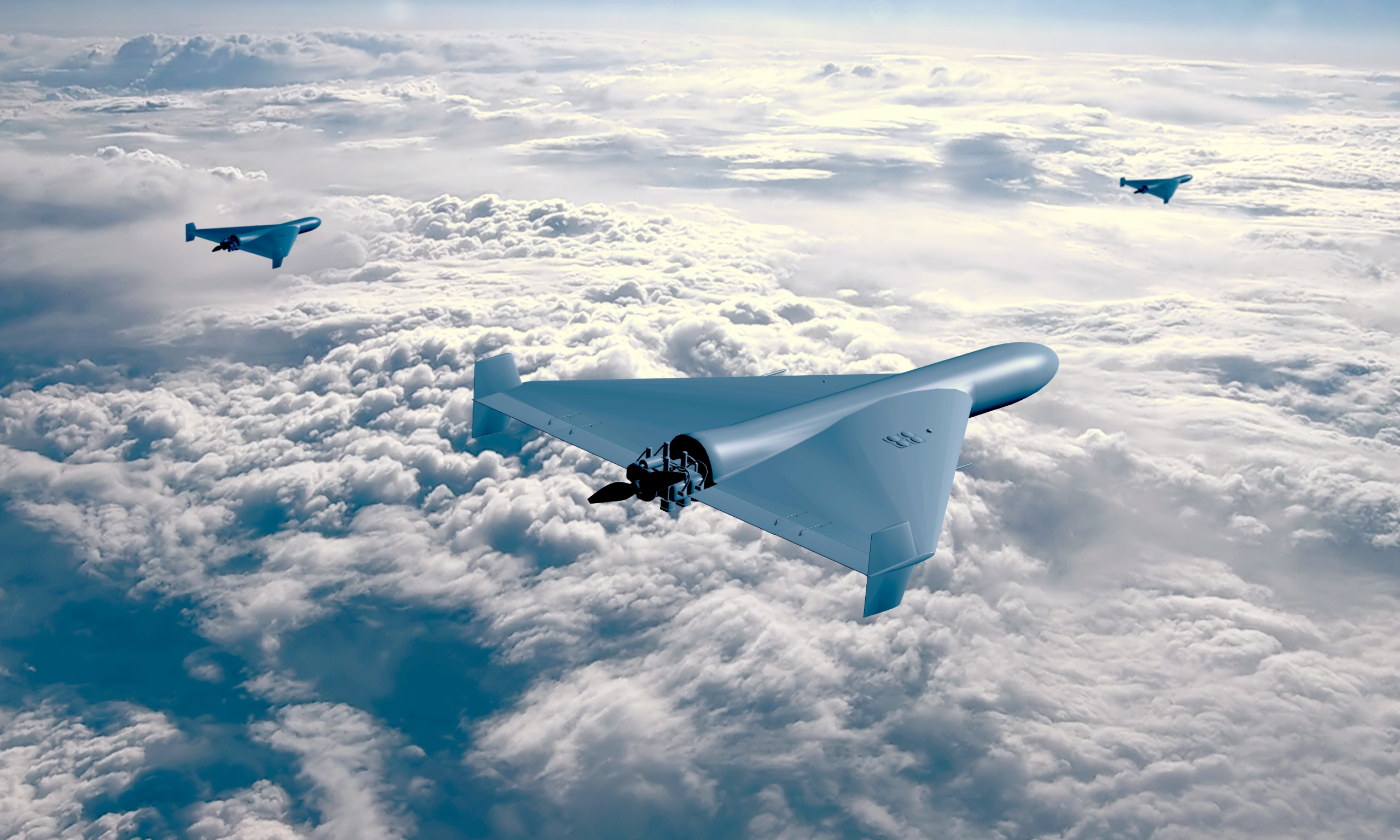
The Observatory of Future Conflicts is a research program carried out by the French Institute of International Relations and the Foundation for Strategic Research on behalf of the three army headquarters aimed at studying developments in tensions and armaments at the horizon 2040 in a transversal perspective, taking into account the issues of each army.
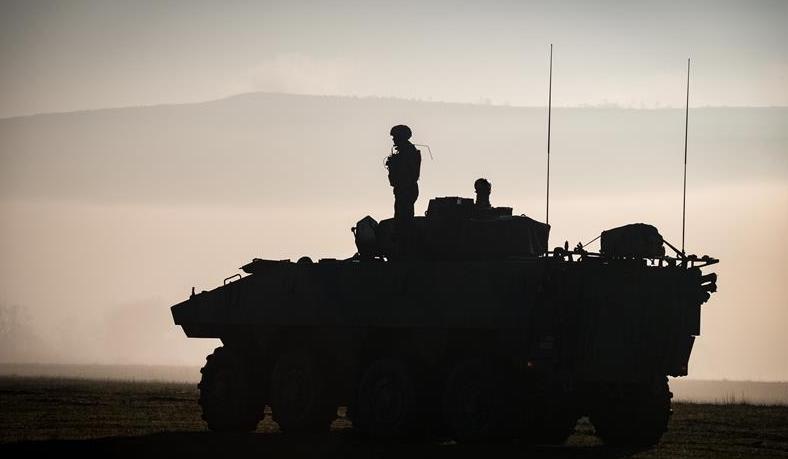
Heir to a tradition dating back to the founding of Ifri, the Security Studies Center provides public and private decision-makers as well as the general public with the keys to understanding power relations and contemporary modes of conflict as well as those to come. Through its positioning at the juncture of politics and operations, the credibility of its civil-military team and the wide distribution of its publications in French and English, the Center for Security Studies constitutes in the French landscape of think tanks a unique center of research and influence on the national and international defense debate.
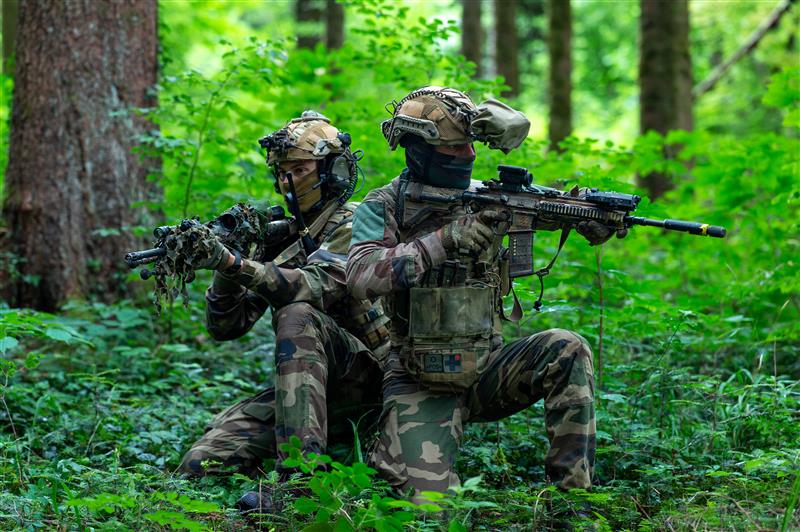
The Defense Research Unit is a program that aims at stimulating the strategic debate by dealing with subjects at the junction of the “technico-operational” and the “political-strategic”. A unique structure in France, it brings together civilian researchers and “military fellows” from each of the three armies to produce work on defense policies, the capability and strategic adaptation of armies, and foresight on tomorrow's conflicts.