





Titre
Events
Filter results
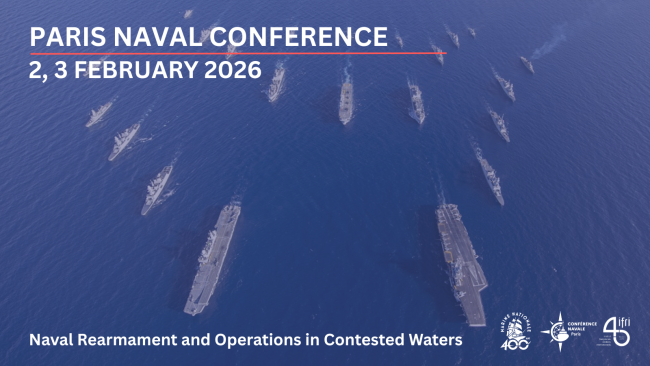
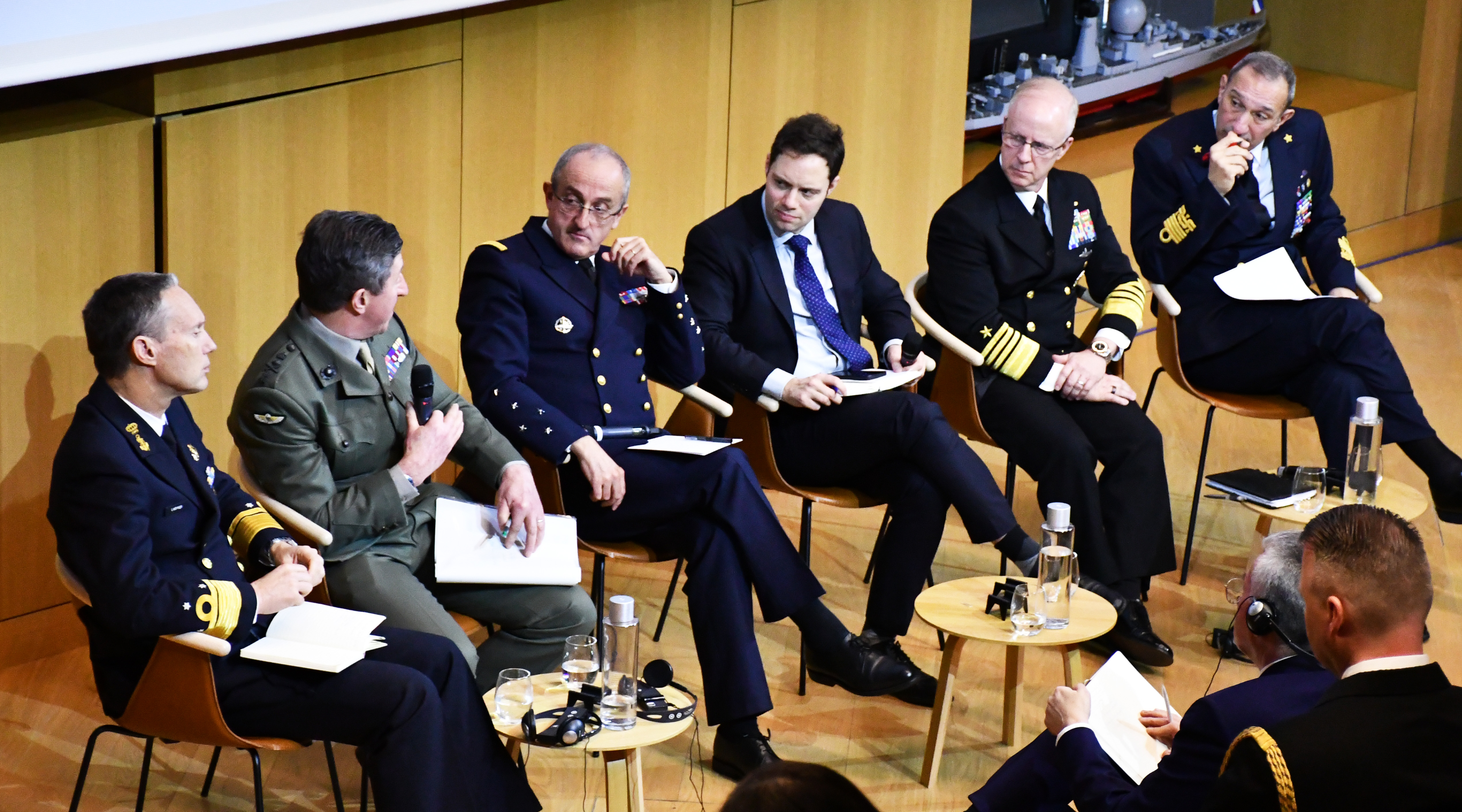
Paris Naval Conference 2026: Naval Rearmament and Operations in Contested Waters
This fourth edition of the Paris Naval Conference (CNP), bringing together high-level military, industrial, and academic speakers, will address the challenges associated with general naval rearmament and naval operations in increasingly contested environments.
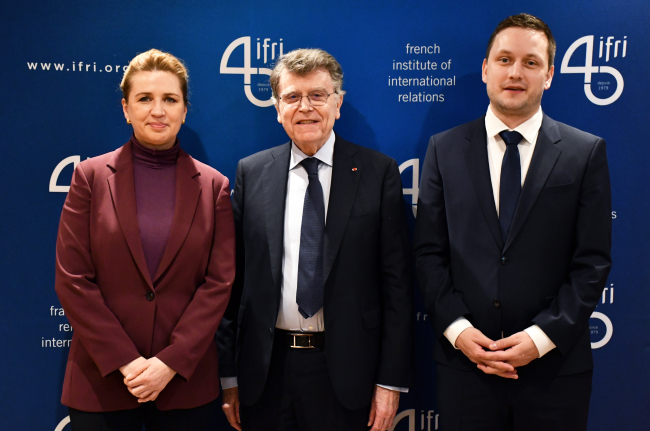
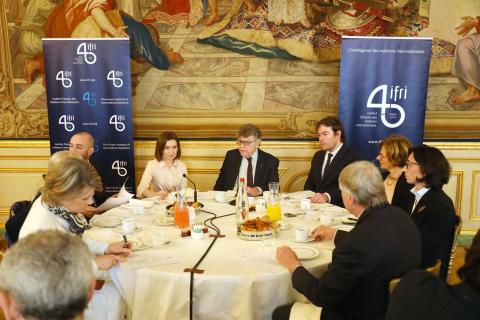
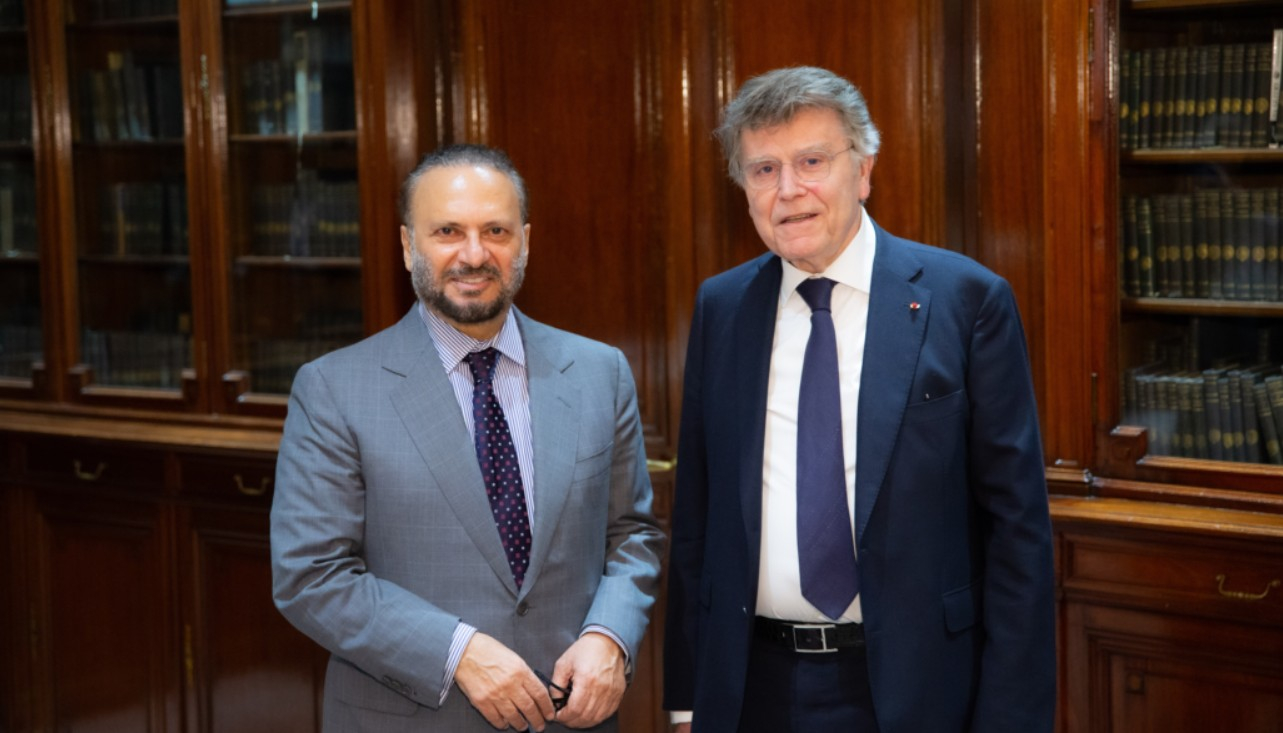
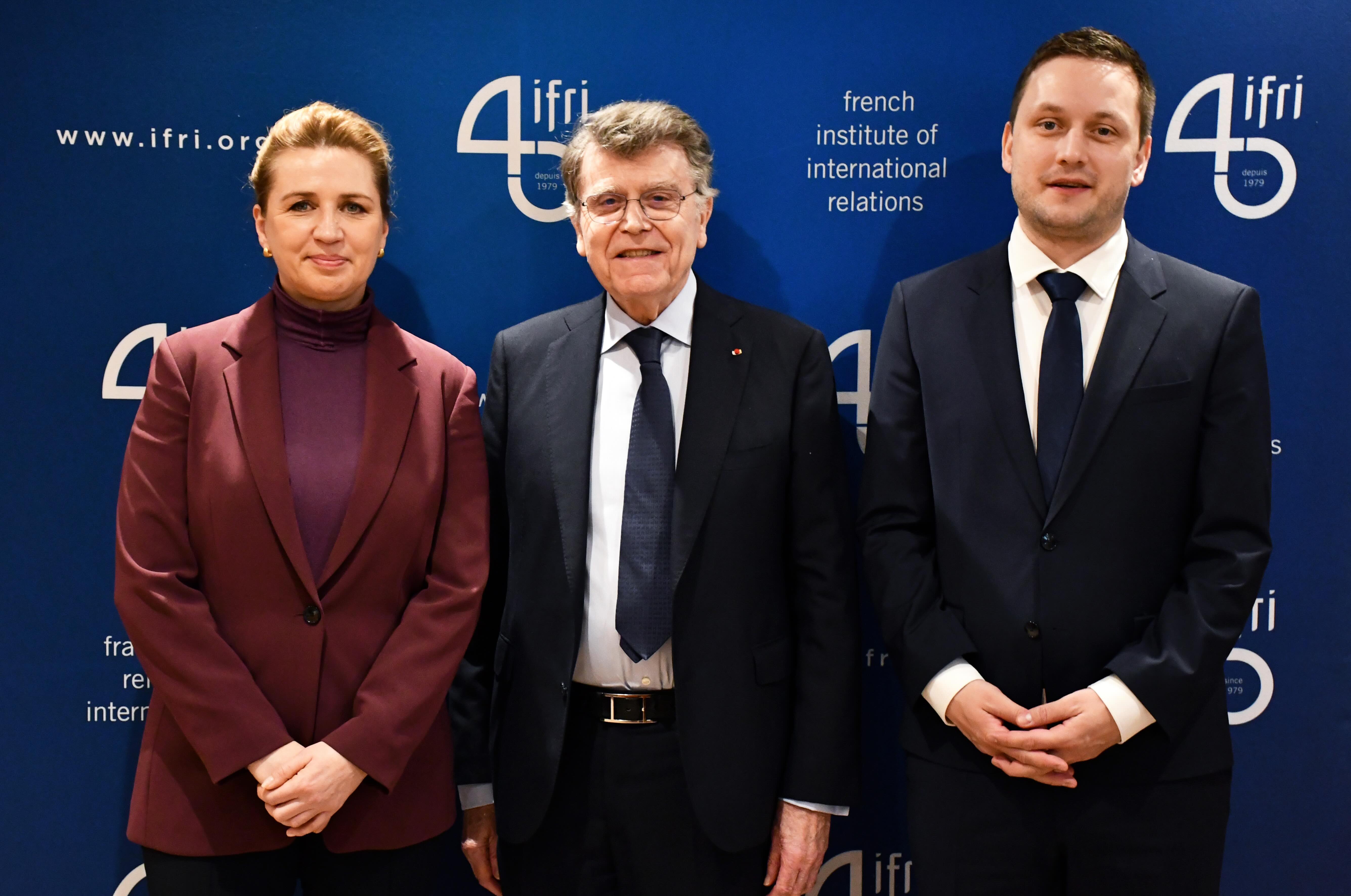
Meeting with Mette Frederiksen, Prime Minister of Denmark, and Jens Frederik Nielsen, Prime Minister of Greenland
On January 28, 2026, Ifri hosted a debate with the Prime Minister of Denmark, Mette Frederiksen, and the Prime Minister of Greenland, Jens Frederik Nielsen. The debate was chaired by Thierry de Montbrial, Executive President of Ifri and a member of the Academy of Moral and Political Sciences.
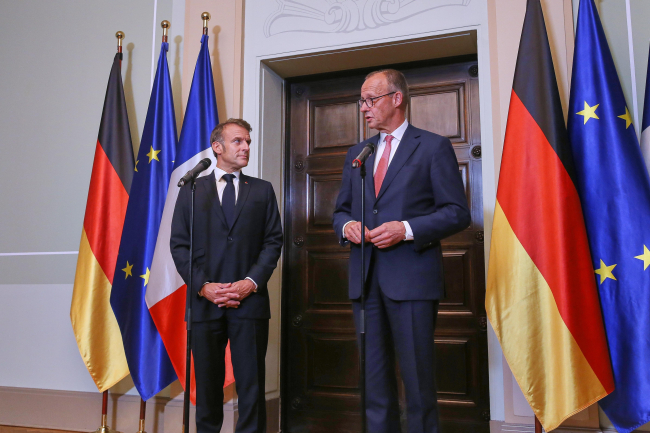
Paris–Berlin in 2026: What Role for the Franco-German Partnership in a World in Crisis?
The Franco-German Day on January 22nd provides an opportunity to reflect on the capabilities and limitations of the Franco-German engine: is it still able to drive Europe forward, or does it need to recalibrate and rethink its ambitions profoundly?
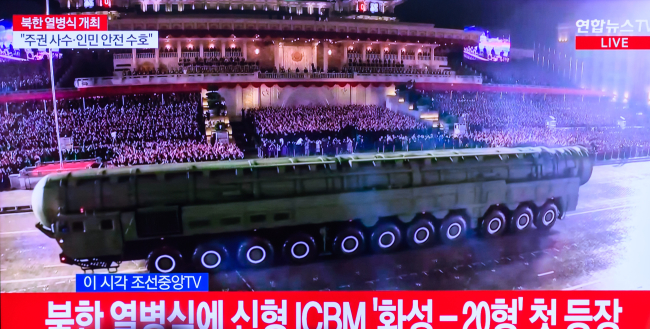
The New Nuclear Instabilities on the Korean Peninsula
From the growing size and diversification of the North Korean nuclear arsenal, and an open rhetoric in favor of nuclear proliferation in the South because of the loss of credibility of U.S. extended deterrence, the Peninsula is facing raising nuclear tensions.
Georgia's Authoritarian Turn and Its Foreign Policy Implications
The Georgian state is currently undergoing a critical phase of democratic decline, marked by the domination of the Georgian Dream party and an authoritarian drift that is disrupting its political institutions.
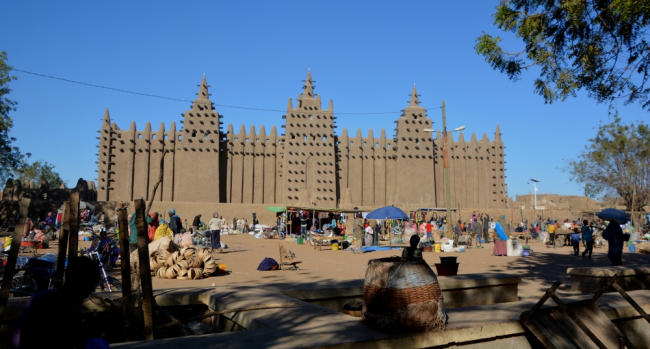
German and French Africa Policies in a Multipolar World
The world order is undergoing a profound and accelerating reconfiguration. In this multipolar context, actors such as China, Turkey, Russia, India, and Gulf region countries like the United Arab Emirates or Saudi Arabia, are increasingly asserting themselves as essential strategic partners for the continent. Simultaneously, European states are also seeking to redefine their roles on the continent.
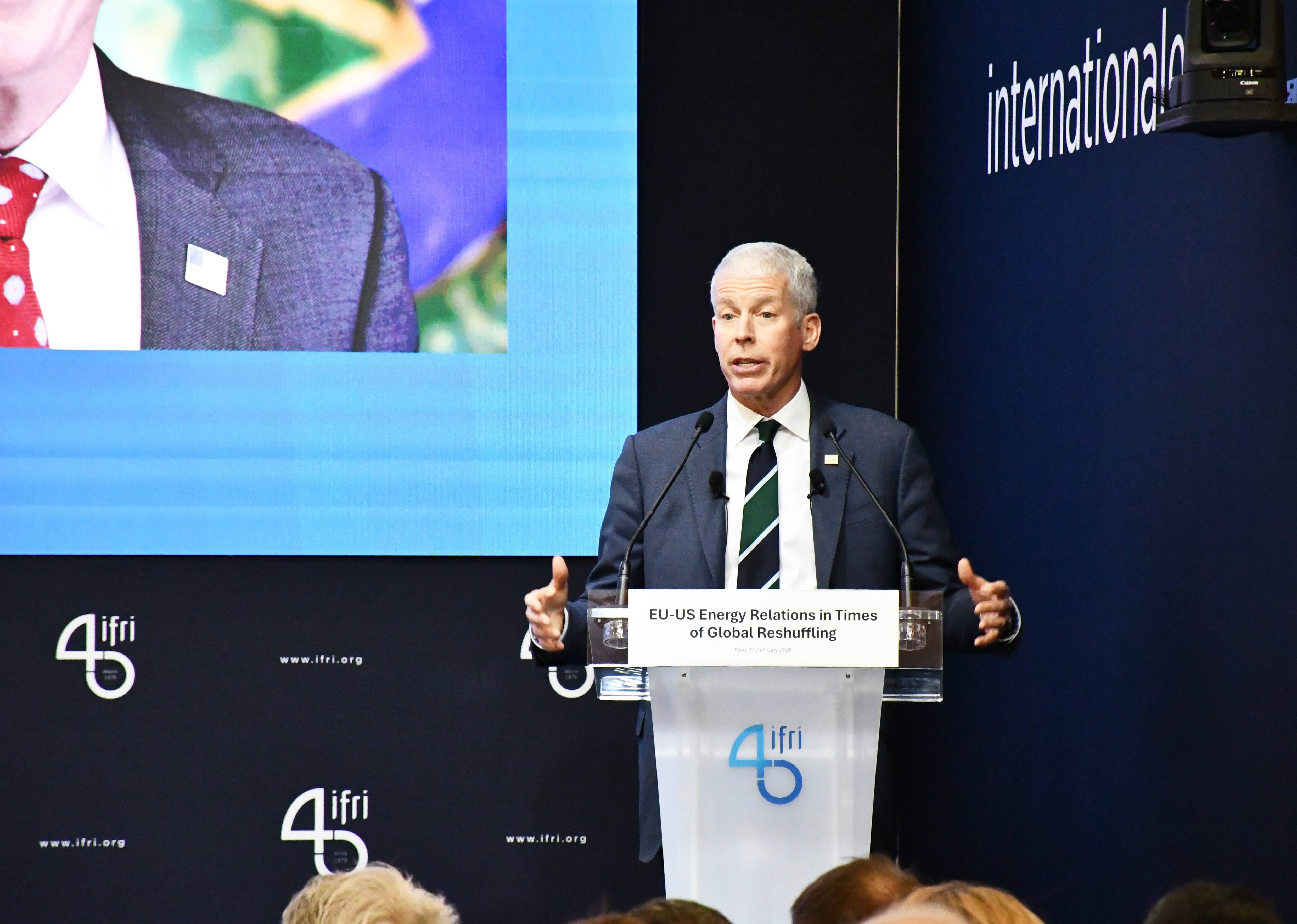
European Strategic Autonomy or New Dependence? Russian Gas, Transatlantic Pressures, and the Green Deal
European energy policy sits at the fault line of geopolitical conflict, climate obligations, and transatlantic bargaining. While Hungary, Slovakia and others remain heavily reliant on Russian gas, the EU has sought to harden its stance through sanctions -most recently with Ursula von der Leyen’s announcement of a ban on Russian LNG imports in the 19th package.
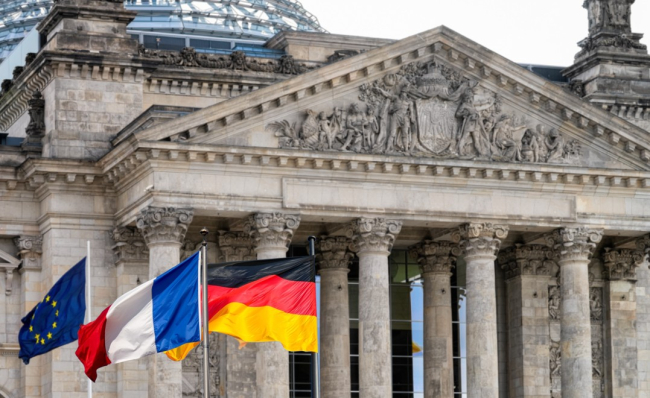
France-Germany, The Engine Under Pressure
Annual Conference of The Study Committe on Franco-German Relations (Cerfa) ─ Faced with a profoundly disrupted strategic and economic environment, Franco-German cooperation is more than ever the central pillar of Europe's future. The war in Ukraine, energy and technological dependence, and uncertainty about the strength of the transatlantic ties require urgent deepening of European sovereignty, both in terms of defence and economic and industrial competitiveness.
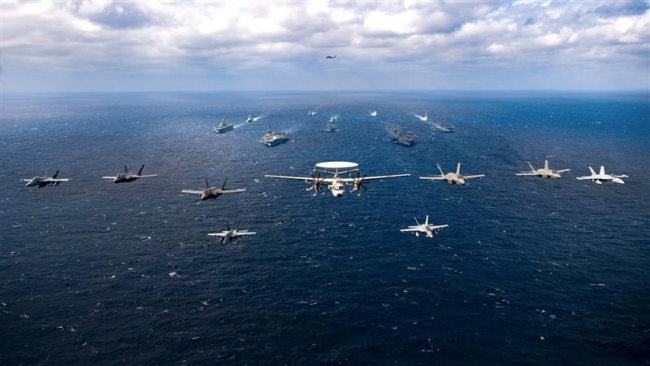
Navigating the Taiwan Strait Tensions: Perspectives from Japan, the Philippines, and France
As tensions continue to rise in the Taiwan Strait and discussions grow about hybrid frictions potentially escalating into a kinetic conflict in the coming years, neighboring countries are bracing for impact. Japan and the Philippines would be on the front lines if a crisis were to erupt in the Taiwan Strait.
Europe’s Southern Courtyard and Southeastern Neighborhood: The Greek Perspective (...and what Europe could learn from great European art)
Greece stands at the crossroads of Europe’s southern flank, the Balkans, and the Eastern Mediterranean, a pivotal position for regional security and stability.
Event Series
Brown Bag Seminar Series
The Ambassadors’ Table
Expert Briefings

Executive Chairman’s Events
Ifri's Corporate Table
Latest retrospectives
One Month Ahead of the Midterms: Where Is Trump’s America Headed?
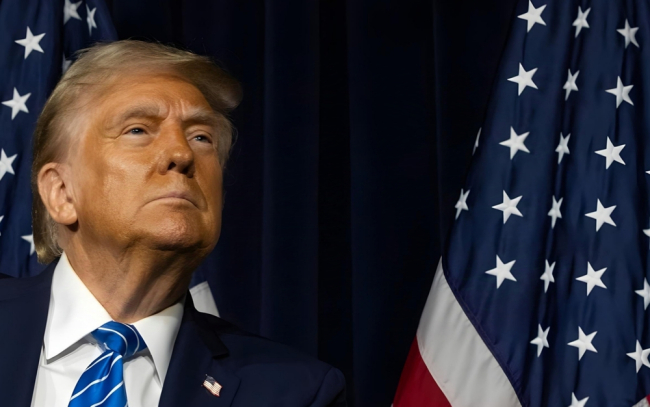
The 24th edition of the Ifri Americas Programme Annual Conference will examine the dynamics at play in the United States and their implications for Europe and the transatlantic relationship. will examine the dynamics at play in the United States and their implications for Europe and the transatlantic relationship.
The November elections will be a test of President Trump’s grip on the U.S. political landscape and, by extension, on global geopolitics. As the political battle intensifies ahead of the vote, the U.S. economy remains resilient despite inflation and the twists and turns of trade policy, while the international order continues to be deeply unsettled by the war with Iran.
Europe Bracing for a Tough Winter: Prospects for Tighter Oil and Gas Markets
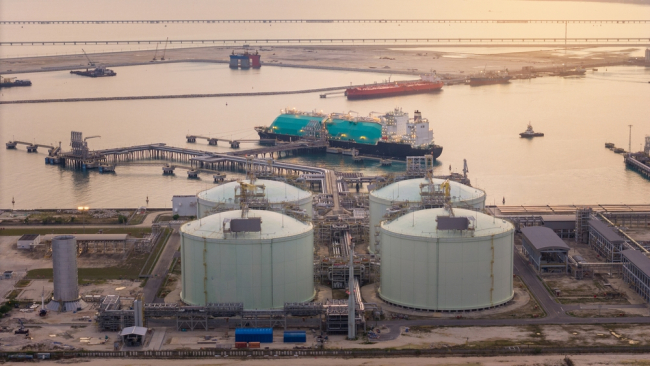
Summer witnessed a sharp escalation in the Russia-Europe confrontation, amidst continued partial closure of Hormuz and major extreme weather events. Oil and gas prices are high, and the price and supply outlooks for Europe this winter are very challenging for oil products, LNG and possibly, electricity markets which see growing contamination from the Hormuz crisis and growing risks of disbalances. Moreover, the phase-out of Russian gas supplies comes with renewed risks. While weather and climate are major uncertain forces of high impact, this discussion will build on the assumption that geopolitics are likely to worsen further and explore how the EU could brace for a storm.
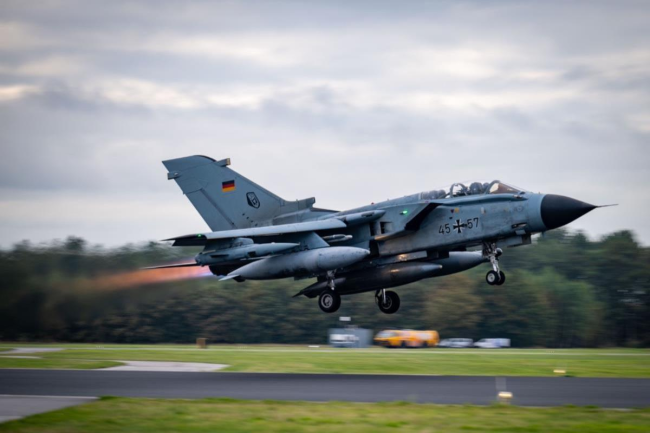
Nuclear Sharing in Europe: A Contested Policy That Endures
Since the end of the Cold War, the number of US nuclear weapons stationed in Europe has fallen more than seventy-fold, yet their presence in Belgium, Germany, Italy, the Netherlands, and Turkey remains a quiet pillar of NATO's deterrence posture. This "nuclear sharing" arrangement, central to the Alliance since its founding, has long been contested by public opinion, political parties, and civil society across Europe, without ever being abandoned by host governments. This paradox lies at the heart of the seminar: why does such an unpopular policy persist?
Titre événement en image
Ifri in Pictures
Ifri, a foundation recognized as being of public utility, relies largely on private donors – companies and individuals – to guarantee its sustainability and intellectual independence. Through their funding, donors help maintain the Institute's position among the world's leading think tanks. By benefiting from an internationally recognized network and expertise, donors refine their understanding of geopolitical risk and its consequences on global politics and the economy. In 2026, Ifri partners with over 90 French and international companies and organizations.