




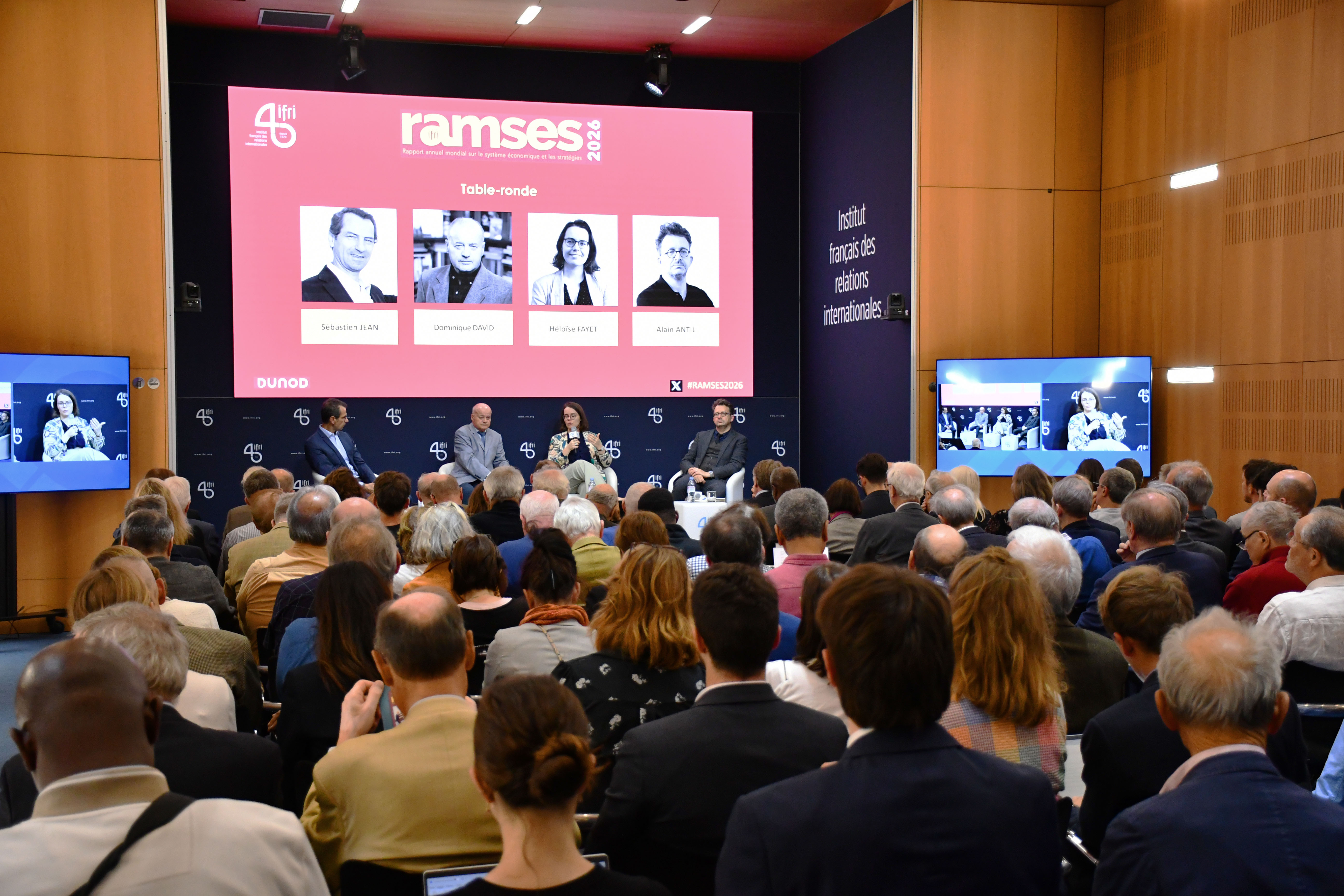
Titre
Events
Filter results
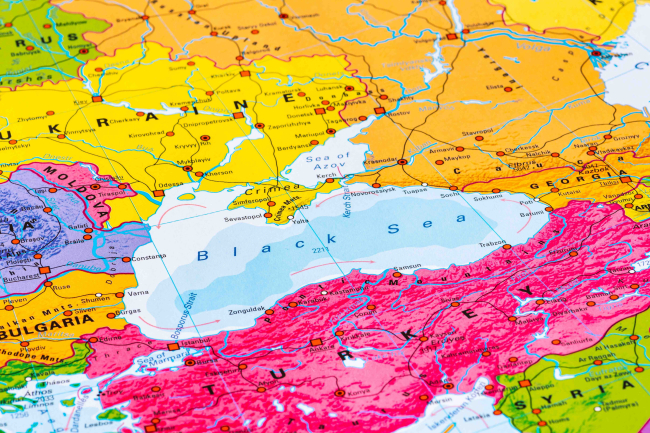
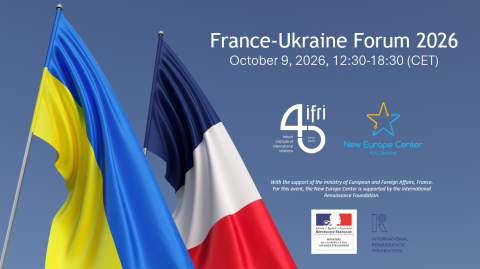
Affirming European Security in Ukraine and the Black Sea Region
European security has been challenged in 2022 with the full-fledged invasion of Ukraine by the Russian Federation.

Foreign Intelligence Services Amidst the War in Ukraine: Adapting to a New Strategic Reality
European foreign intelligence services have had to continuously adapt to the rapidly evolving security landscape of the past few years. Following challenges such as the COVID-19 pandemic, financial crises, and hybrid threats, the Russian war of aggression against Ukraine has placed conventional military conflict at the centre of European security concerns.
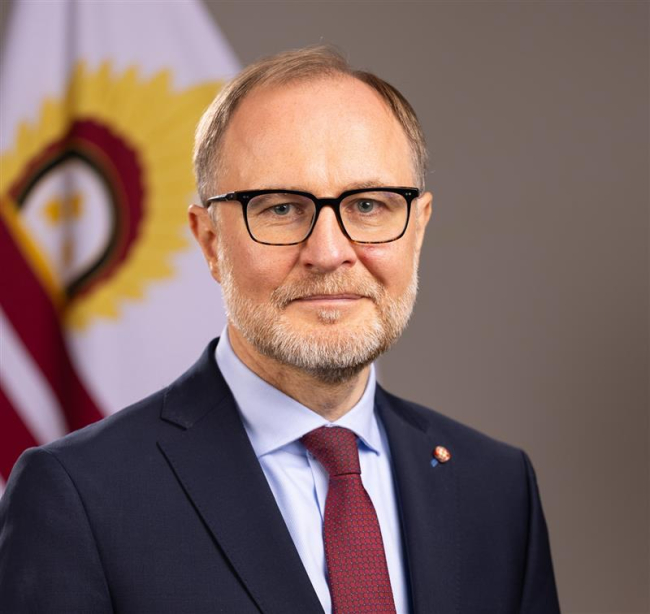
European Security: Perspectives from Latvia. Debate with the Minister of Defense of the Republic of Latvia, Andris Sprūds
How should European security be approached in the face of the challenges posed by the war in Ukraine?
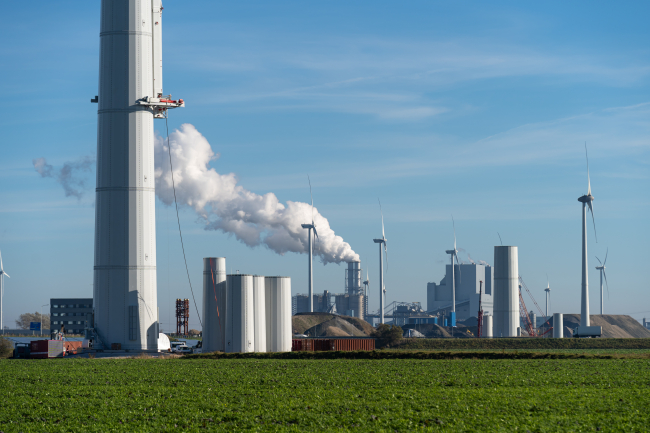
Boosting Electrification in Europe and the Resilience of Critical Value Chains
Ifri is hosting a high-level closed-doors discussion aimed at creating a shared space for open and operational reflections on the future of EU’s technological and industrial resilience against the backdrop of ever-more fraught geopolitics, eroding energy intensive industries, mounting value chain vulnerabilities, and populism.

New geopolitical realities of the Arctic
Donald Trump’s announcement in January 2025 of his intention to seize Greenland has brought the Arctic back to the forefront of great power rivalries.
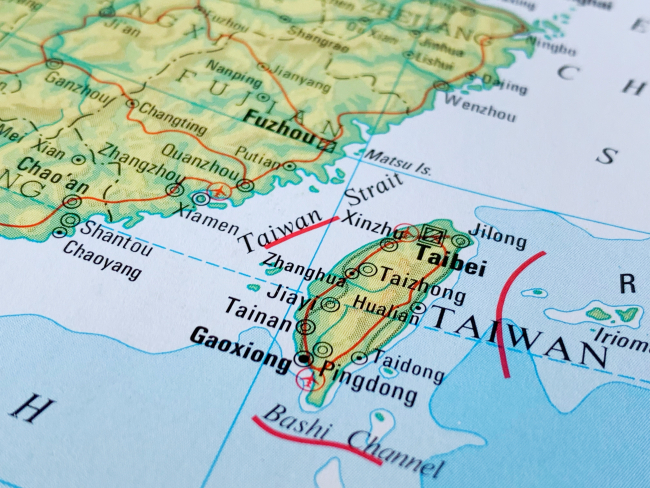
US-China-Taiwan Relations: What to expect in the Trump II era?
As tensions in the Taiwan Strait continue to rise, what will be the US strategy under the new Trump presidency?
France and Germany Face the Challenge of the Trump Administration II
Conference with Anne-Marie Descôtes, Secretary-General of the French Ministry for Europe and Foreign Affairs, and Thomas Bagger, State Secretary of the German Federal Foreign Office.
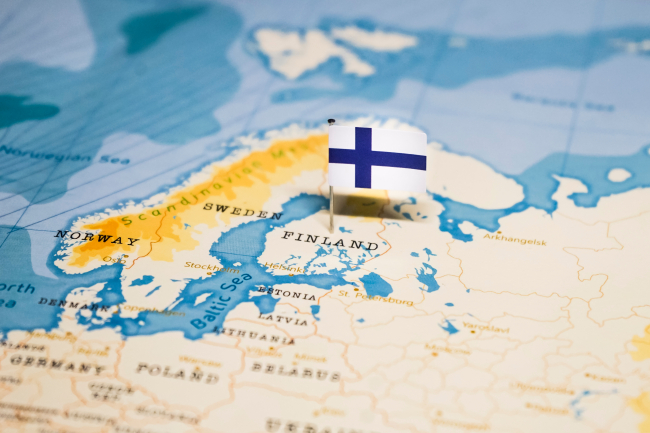
A New Security Landscape in Northern Europe: building up France-Finland partnership for the future
As security tensions mount in Europe's far north, particularly as a result of Russian destabilization and intimidation, France and Finland are developing their defense cooperation and strategic partnership. On this occasion, Ifri welcomes French and Finnish decision-makers and experts to discuss opportunities for strengthening Franco-Finnish cooperation, taking into account current strategic challenges and future prospects.
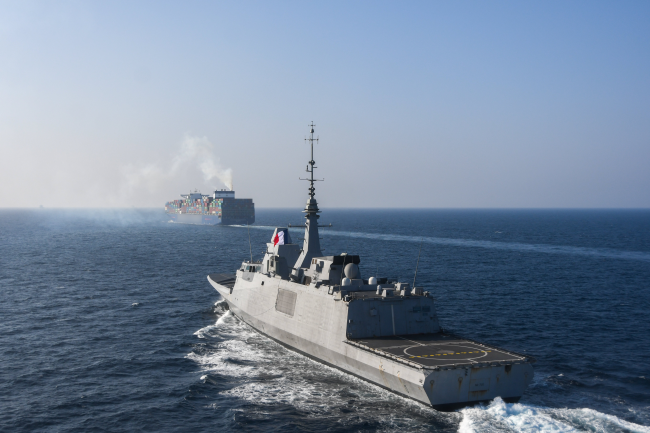
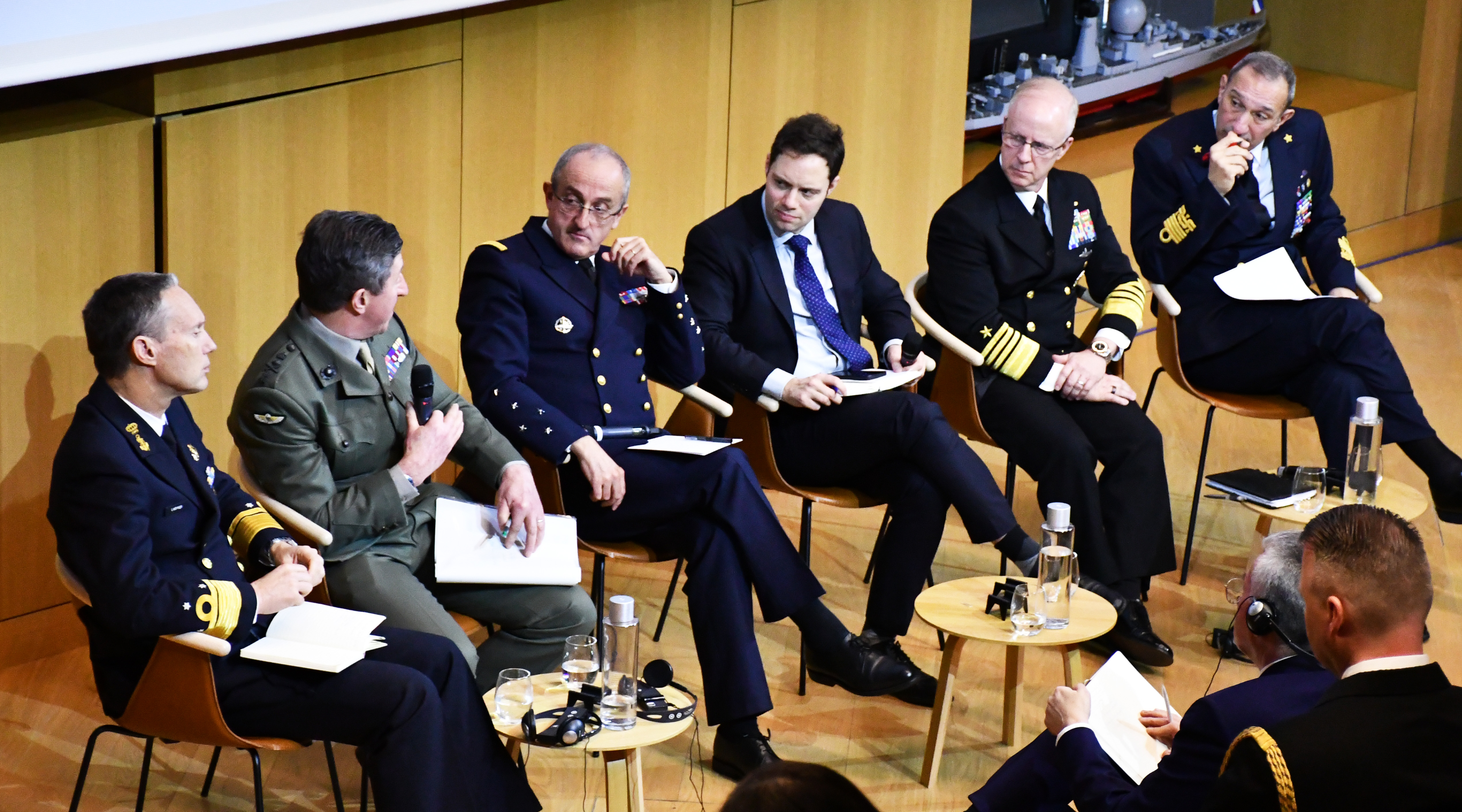
Paris Naval Conference 2025: Naval Power in support of Maritime Economy
This third edition of the Paris Naval Conference (CNP), bringing together high-level speakers from the military, industry and academia, aims to address the issues of securing the maritime economy for the world's navies.
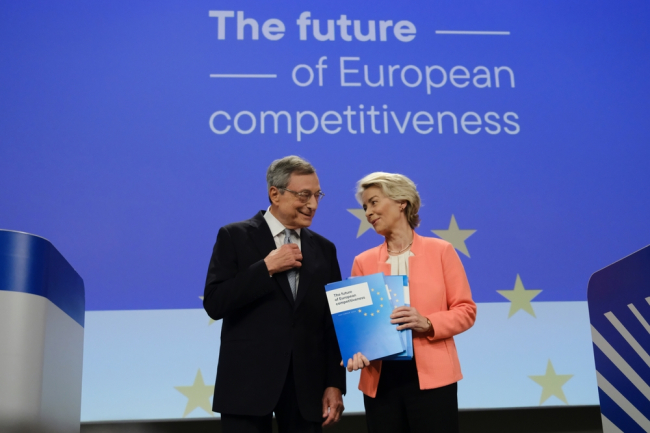
European Competitiveness: Challenges for Germany and France
The competitiveness of the European Union (EU) has become one of the main challenges for the new European Commission. To ensure Europe's competitiveness, prosperity, and global role as a long-term geopolitical player, efforts must be made to bridge the gaps in growth, productivity, investment, and innovation between the EU and its main competitors.
Event Series
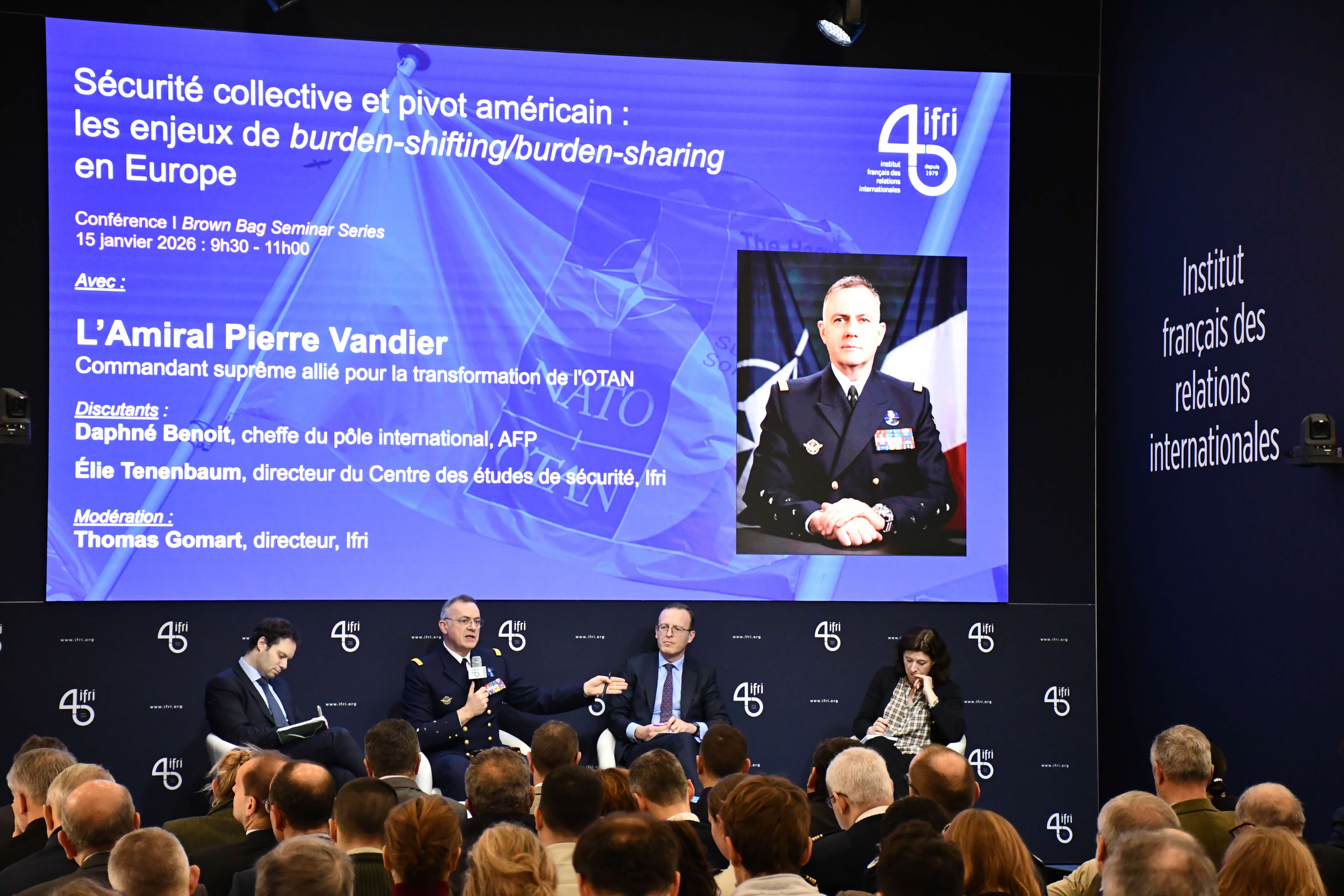
Brown Bag Seminar Series
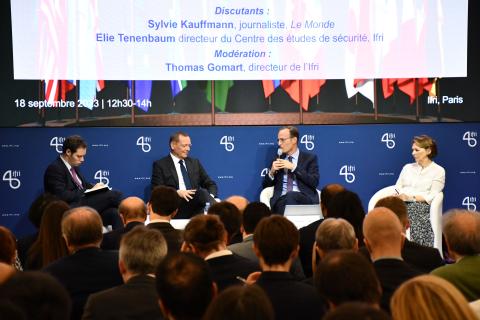
The Ambassadors’ Table
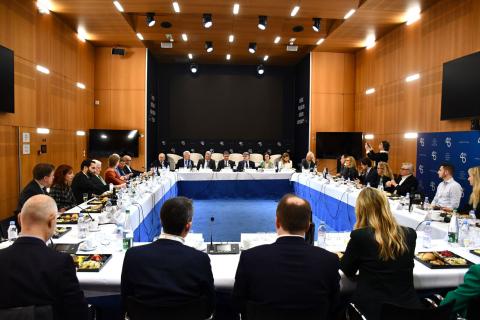
Expert Briefings

Executive Chairman’s Events
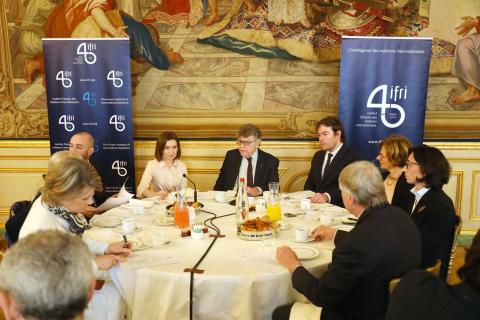
Ifri's Corporate Table
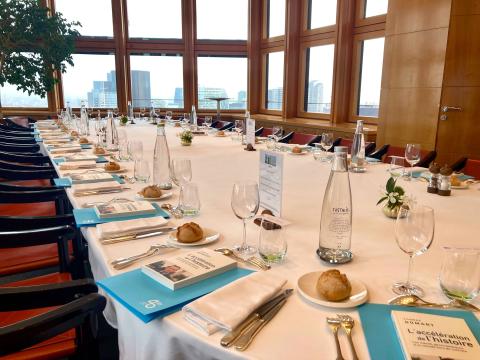
Latest retrospectives
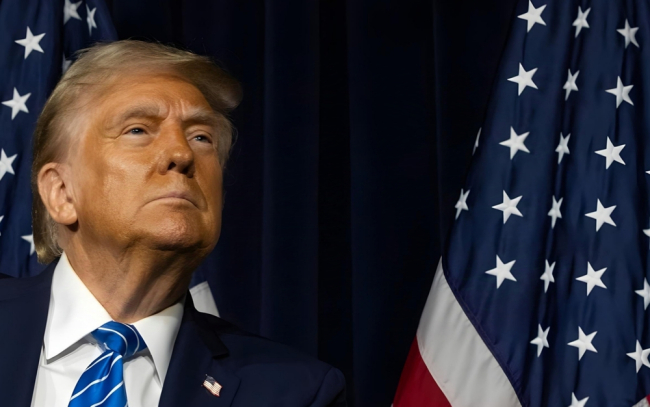
One Month Ahead of the Midterms: Where Is Trump’s America Headed?
The 24th edition of the Ifri Americas Programme Annual Conference will examine the dynamics at play in the United States and their implications for Europe and the transatlantic relationship. will examine the dynamics at play in the United States and their implications for Europe and the transatlantic relationship.
The November elections will be a test of President Trump’s grip on the U.S. political landscape and, by extension, on global geopolitics. As the political battle intensifies ahead of the vote, the U.S. economy remains resilient despite inflation and the twists and turns of trade policy, while the international order continues to be deeply unsettled by the war with Iran.
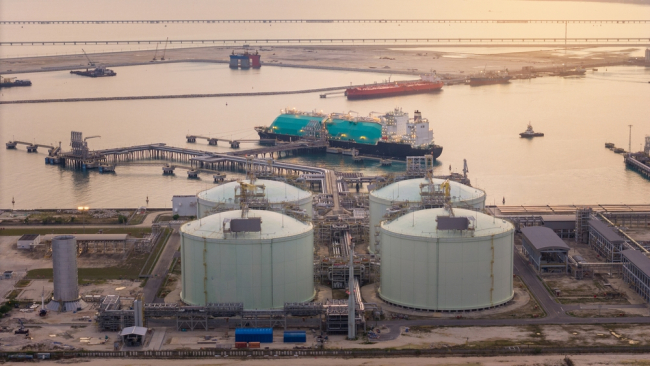
Europe Bracing for a Tough Winter: Prospects for Tighter Oil and Gas Markets
Summer witnessed a sharp escalation in the Russia-Europe confrontation, amidst continued partial closure of Hormuz and major extreme weather events. Oil and gas prices are high, and the price and supply outlooks for Europe this winter are very challenging for oil products, LNG and possibly, electricity markets which see growing contamination from the Hormuz crisis and growing risks of disbalances. Moreover, the phase-out of Russian gas supplies comes with renewed risks. While weather and climate are major uncertain forces of high impact, this discussion will build on the assumption that geopolitics are likely to worsen further and explore how the EU could brace for a storm.
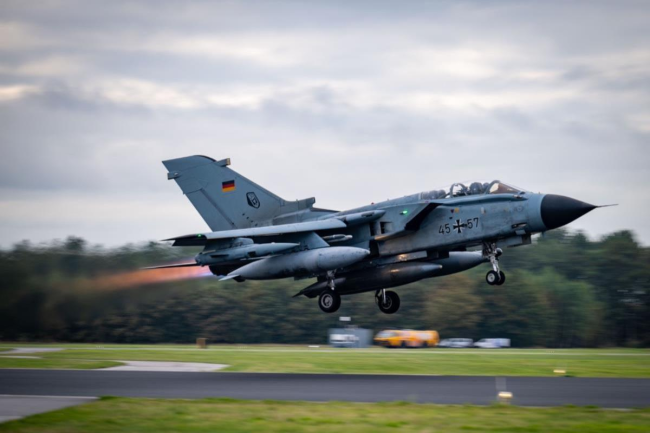
Nuclear Sharing in Europe: A Contested Policy That Endures
Since the end of the Cold War, the number of US nuclear weapons stationed in Europe has fallen more than seventy-fold, yet their presence in Belgium, Germany, Italy, the Netherlands, and Turkey remains a quiet pillar of NATO's deterrence posture. This "nuclear sharing" arrangement, central to the Alliance since its founding, has long been contested by public opinion, political parties, and civil society across Europe, without ever being abandoned by host governments. This paradox lies at the heart of the seminar: why does such an unpopular policy persist?
Titre événement en image
Ifri in Pictures
Ifri, a foundation recognized as being of public utility, relies largely on private donors – companies and individuals – to guarantee its sustainability and intellectual independence. Through their funding, donors help maintain the Institute's position among the world's leading think tanks. By benefiting from an internationally recognized network and expertise, donors refine their understanding of geopolitical risk and its consequences on global politics and the economy. In 2026, Ifri partners with over 90 French and international companies and organizations.