




Titre
Events
Filter results
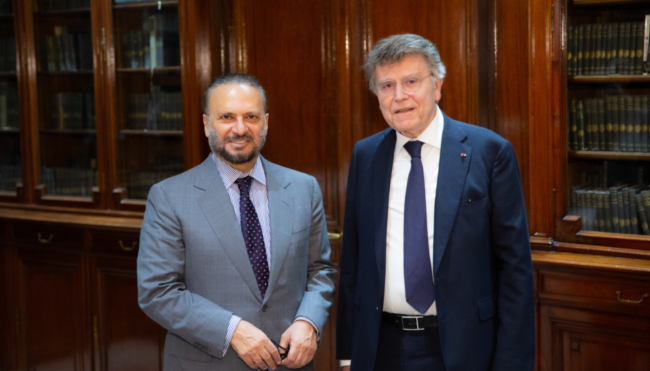
"Paris Dialogue" - First Edition, June 2026
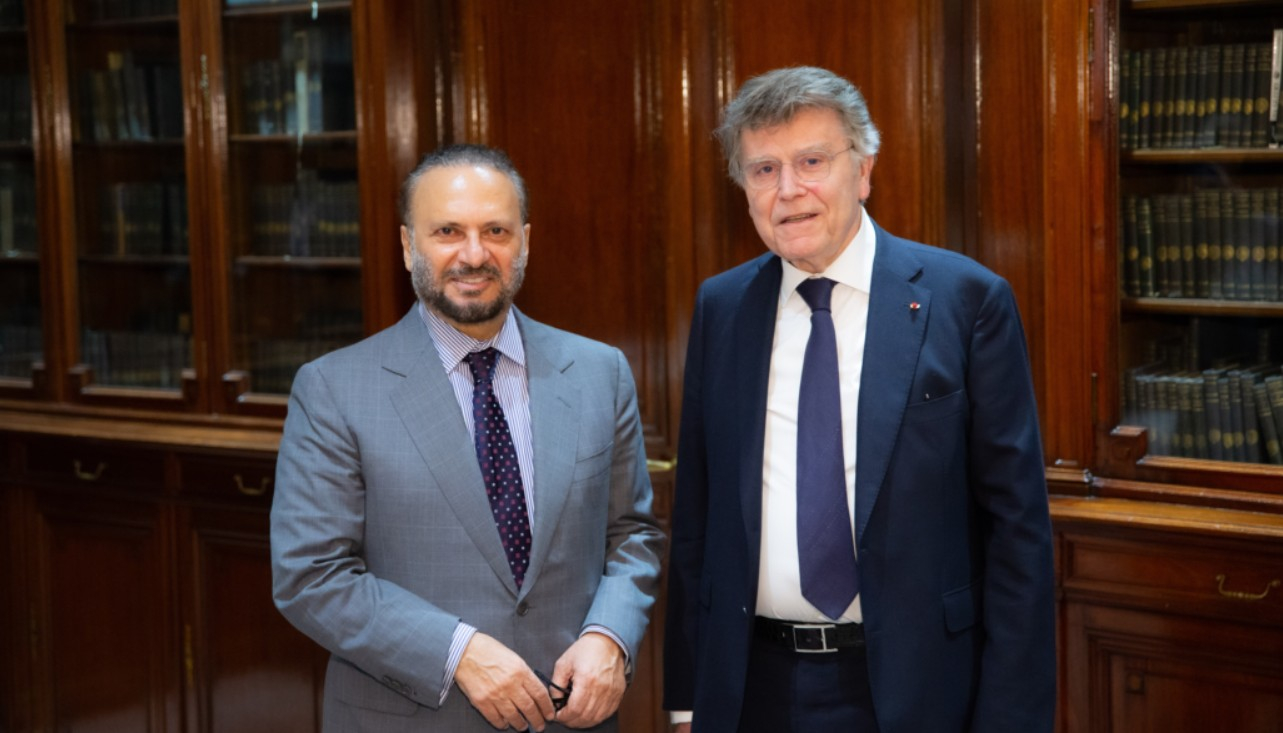
The first edition of the “Paris Dialogue” took place on 8 and 9 June. The initiative was launched by Ifri, France’s leading think tank, and AGDA, a center of excellence based in Abu Dhabi. It is co-chaired by Thierry de Montbrial, executive chairman of Ifri, and Anwar Gargash, diplomatic advisor to H.H. the President of the United Arab Emirates, and deputy chairman of the board of trustees of AGDA.
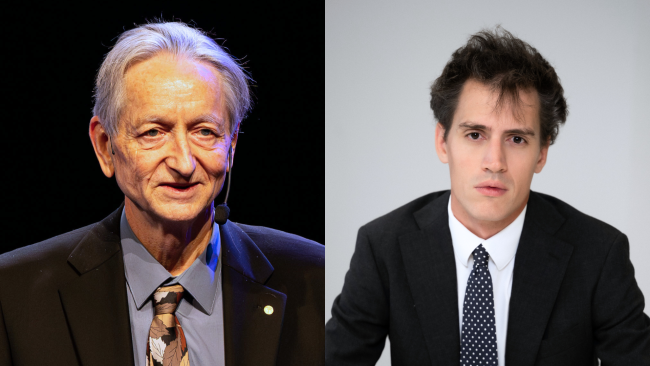
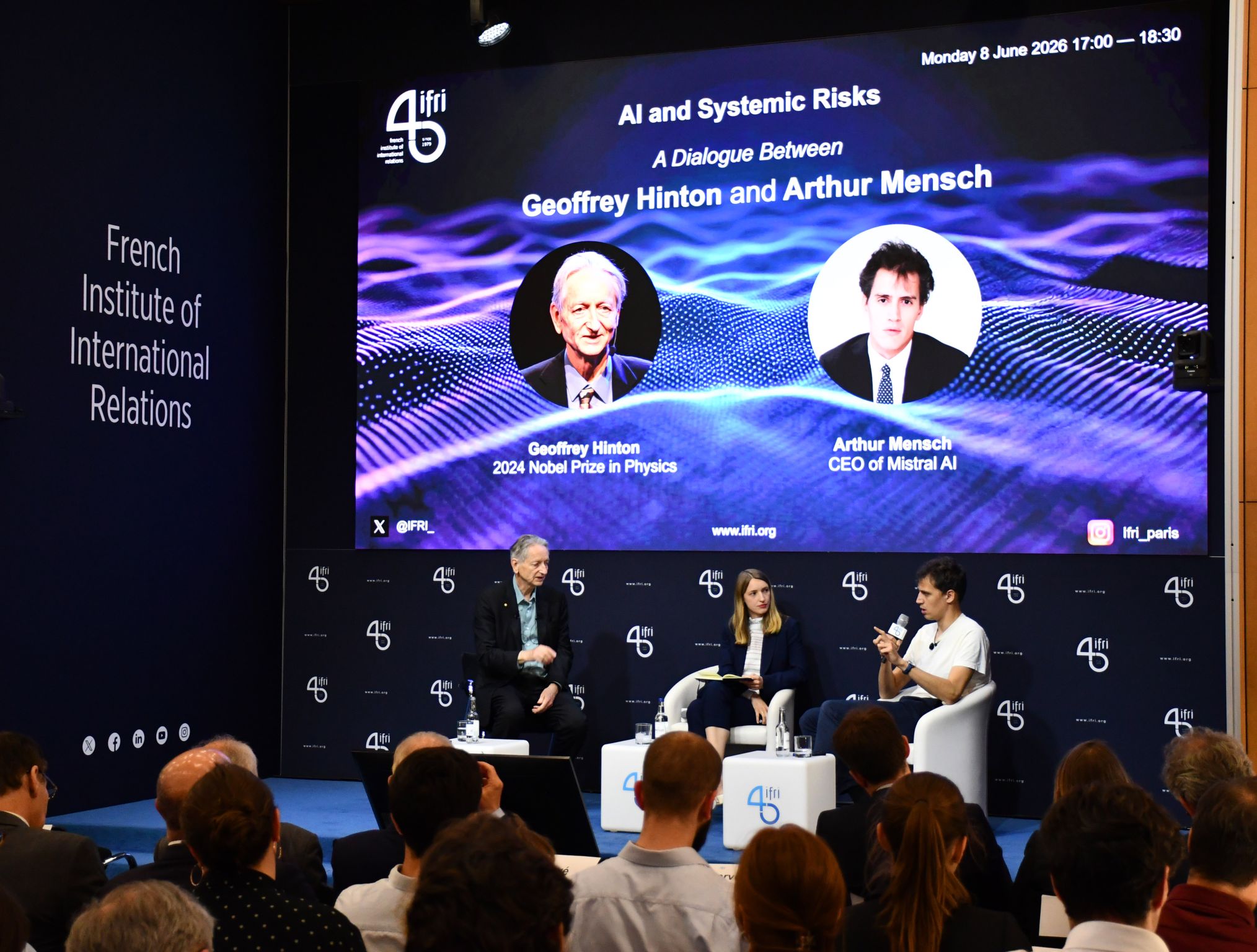
AI and Systemic Risks: A Dialogue Between Geoffrey Hinton and Arthur Mensch
The Ifri Center for Geopolitics of Technology is pleased to welcome two leading figures in AI: Geoffrey Hinton (2024 Nobel Prize in Physics), often referred to as the “godfather of AI”; and Arthur Mensch (CEO of Mistral AI), a key player in the emerging European AI landscape.
Brussels, Germany, France and Italy Facing the Energy and Industrial Crises: Coordinated or Diverging Trajectories?
Amidst soaring defense spending, higher borrowing costs, erosion of energy intensive industries, renewed energy price hikes and possibly physical shortages, the European Union and its Member States are again struggling to stabilize the European economies. Governments are tempted by uncoordinated, short-term moves while in Brussels, there is a struggle between the “more of the same” and the “scrap it largely” approaches to the transition.
The United States and Europe Adrift: Transatlantic Security in the Trump Era
Against an international backdrop marked by the war in Ukraine, Russia’s emergence as a lasting threat to Europe, and an uncertain U.S. commitment to the Old Continent, questions about the future of the transatlantic relationship are mounting.
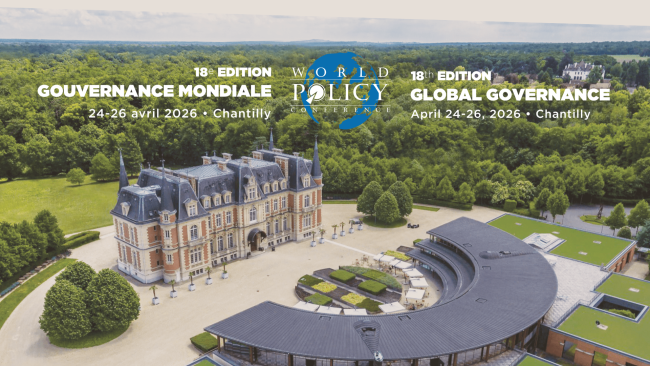
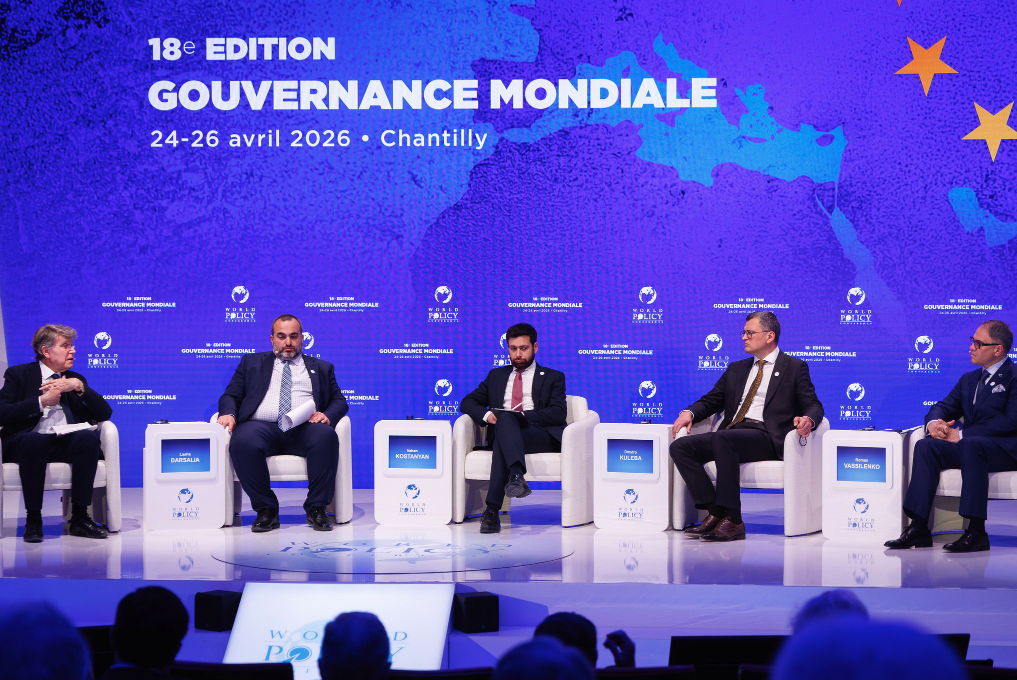
18th Edition of the World Policy Conference, Chantilly, France
Between fragmentation and interdependence: rethinking global governance
Created by Thierry de Montbrial, founder and executive chairman of the French Institute of International Relations (Ifri), the World Policy Conference (WPC) will hold its 18th edition from April 24 to 26, 2026, at Domaine Les Fontaines in Gouvieux, Chantilly.
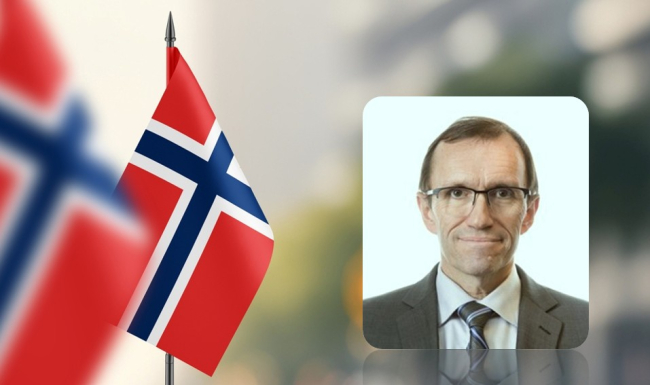
Conference with Espen Barth Eide, Minister of Foreign Affairs of Norway
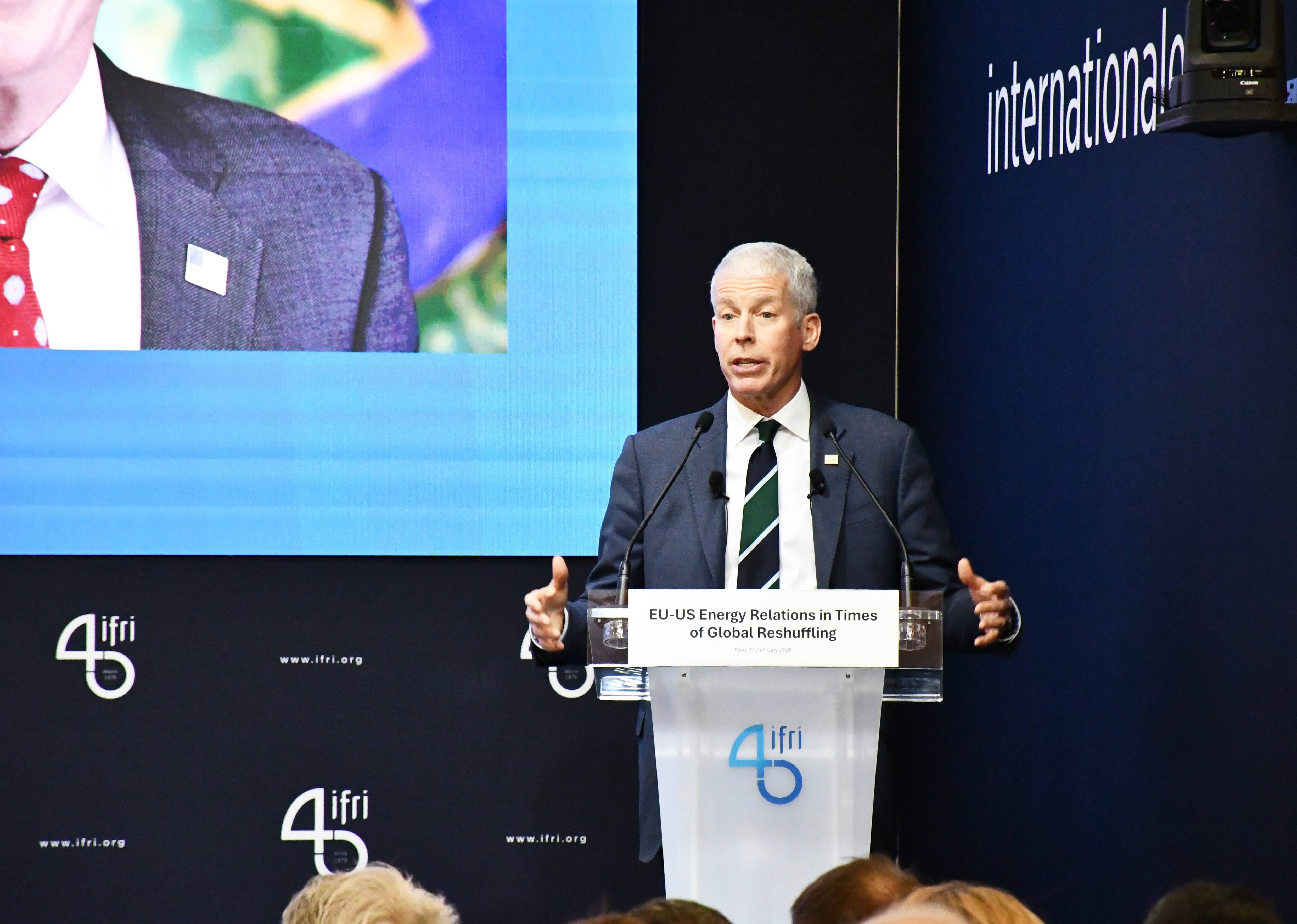
Since the invasion of Ukraine by Russia in 2022, Norway has become the European Union’s leading supplier of gas. This position could be further strengthened given the ongoing war in the Middle East.
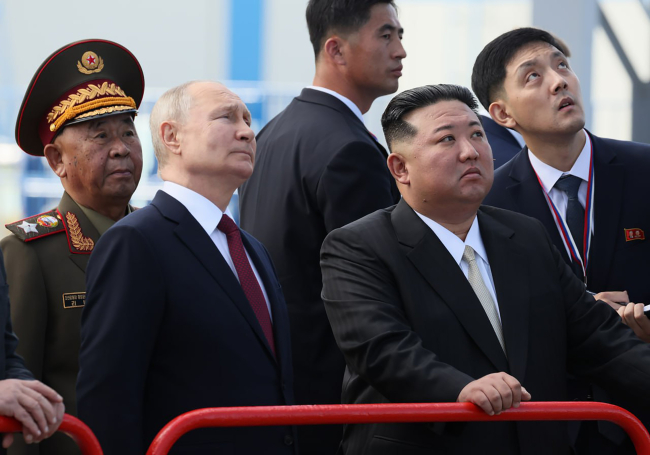
From Signal to Noise, Assessing Nuclear Threats in the Twenty-First Century
The resurgence of crises involving nuclear-armed states, accompanied by increasingly visible military signaling and forceful rhetoric, has renewed concerns about nuclear risk.
Stepping up Another Gear in Supporting EU Raw Material Value Chains
What could be further done rapidly as US and China tensions and pressures rise, too little projects take final investment decisions (FIDs) and vulnerabilities remain?
The goal of this closed-door roundtable is to discuss how to implement already agreed measures (c.f. ResourceEU) and expand strategic actions given that:
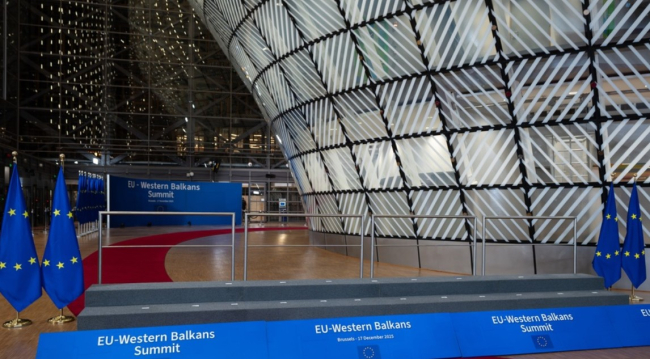
The Enlargement of the European Union: A Strategic Choice? France, the Western Balkans and the EU in an Uncertain Geopolitical Context
Russia’s war against Ukraine has brought the enlargement of the European Union back to the centre of European strategic debates. In this context, the Western Balkans have regained heightened visibility in discussions on the continent’s security, at a time when the international environment is marked by a growing number of destabilising factors.
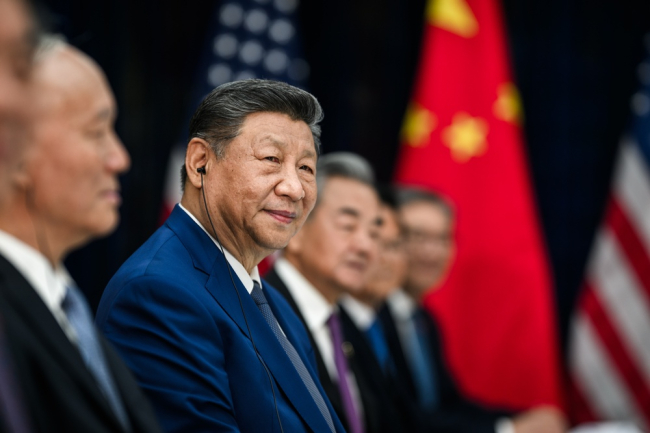
China’s New Five-Year Plan: Accelerated Electrification and Global Clean Tech Export Expansion?
China's energy and clean tech sector developments are continuing to decisively impact the global energy system on the one hand, and to steer the country's economy towards rapid electrification on the other hand.
Event Series
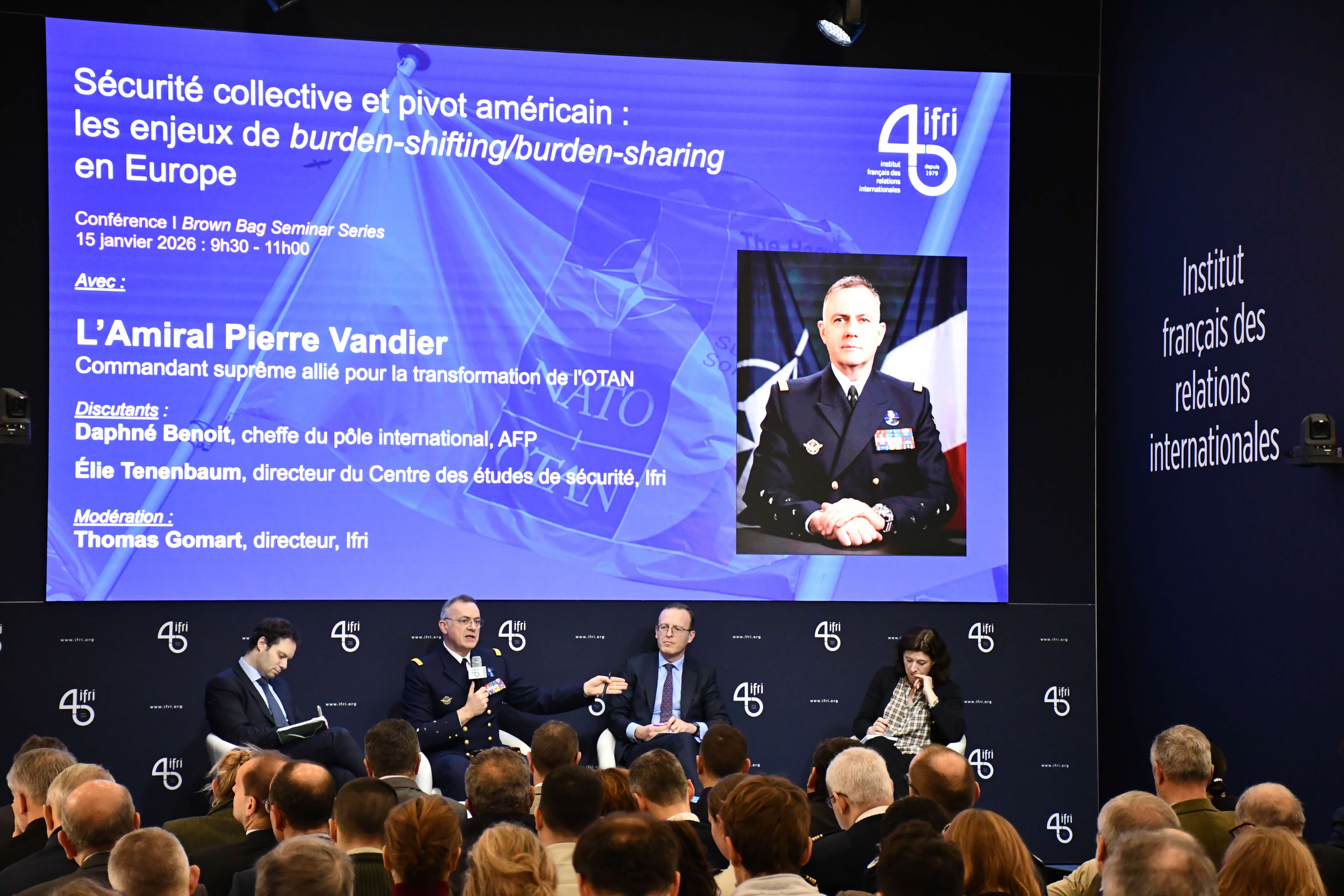
Brown Bag Seminar Series
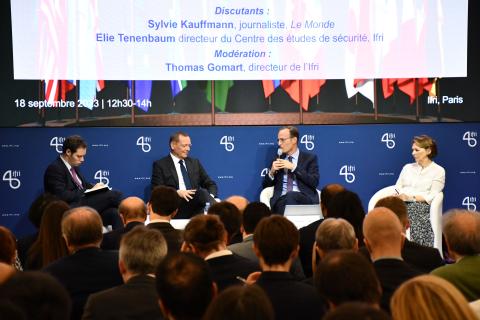
The Ambassadors’ Table
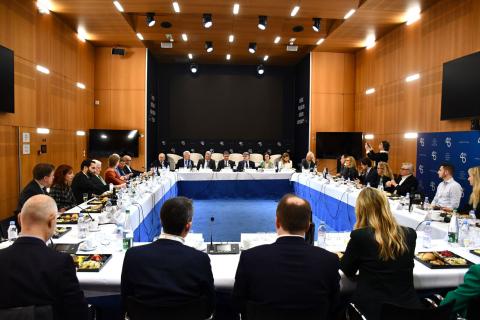
Expert Briefings

Executive Chairman’s Events
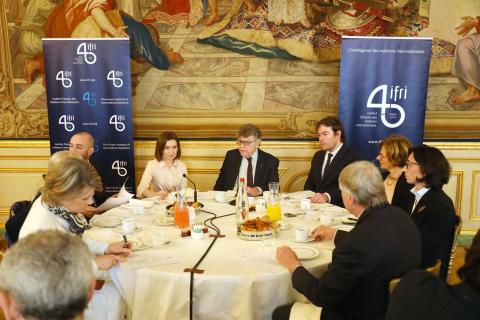
Ifri's Corporate Table
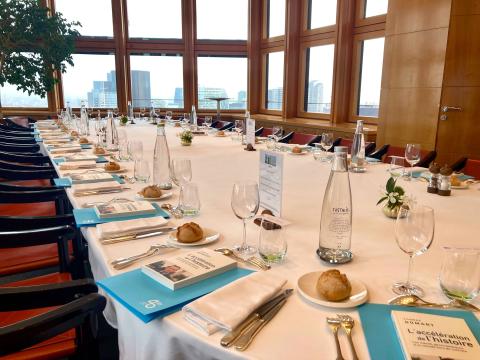
Latest retrospectives
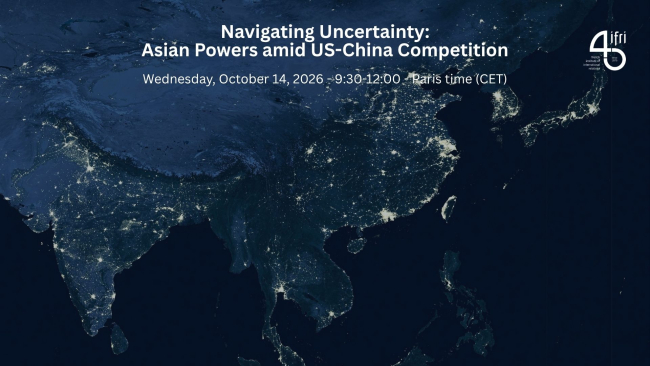
Navigating Uncertainty: Asian Powers amid US-China Competition
As relations between China and the United States oscillate between hardening competition and strategic stability, regional powers in Asia must adapt to greater uncertainty.
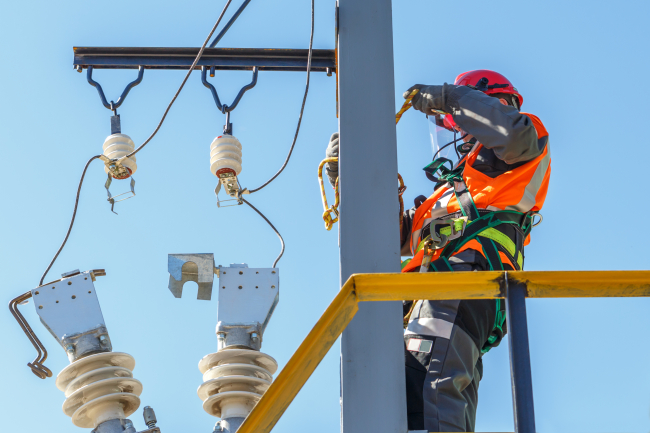
The Road to 27 Electrification Action Plans: Planning and Investing in Europe’s Electric Future
The European Commission’s Electrification Action Plan places the continent on an electric path to structurally reduce dependence on fossil fuel imports and boost the energy transition in industry, transport and buildings.
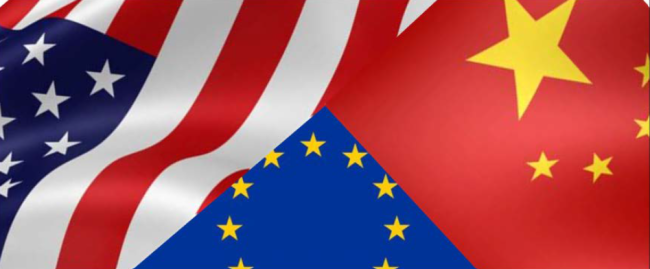
The EU in a World of Economic Warfare: Trade, Geopolitics, and the Battle for Economic Sovereignty
The international trading system has become a primary theatre of geopolitical competition. Tariffs, sanctions, and technology controls have replaced dialogue as the default instruments of economic relations.
Titre événement en image
Ifri in Pictures
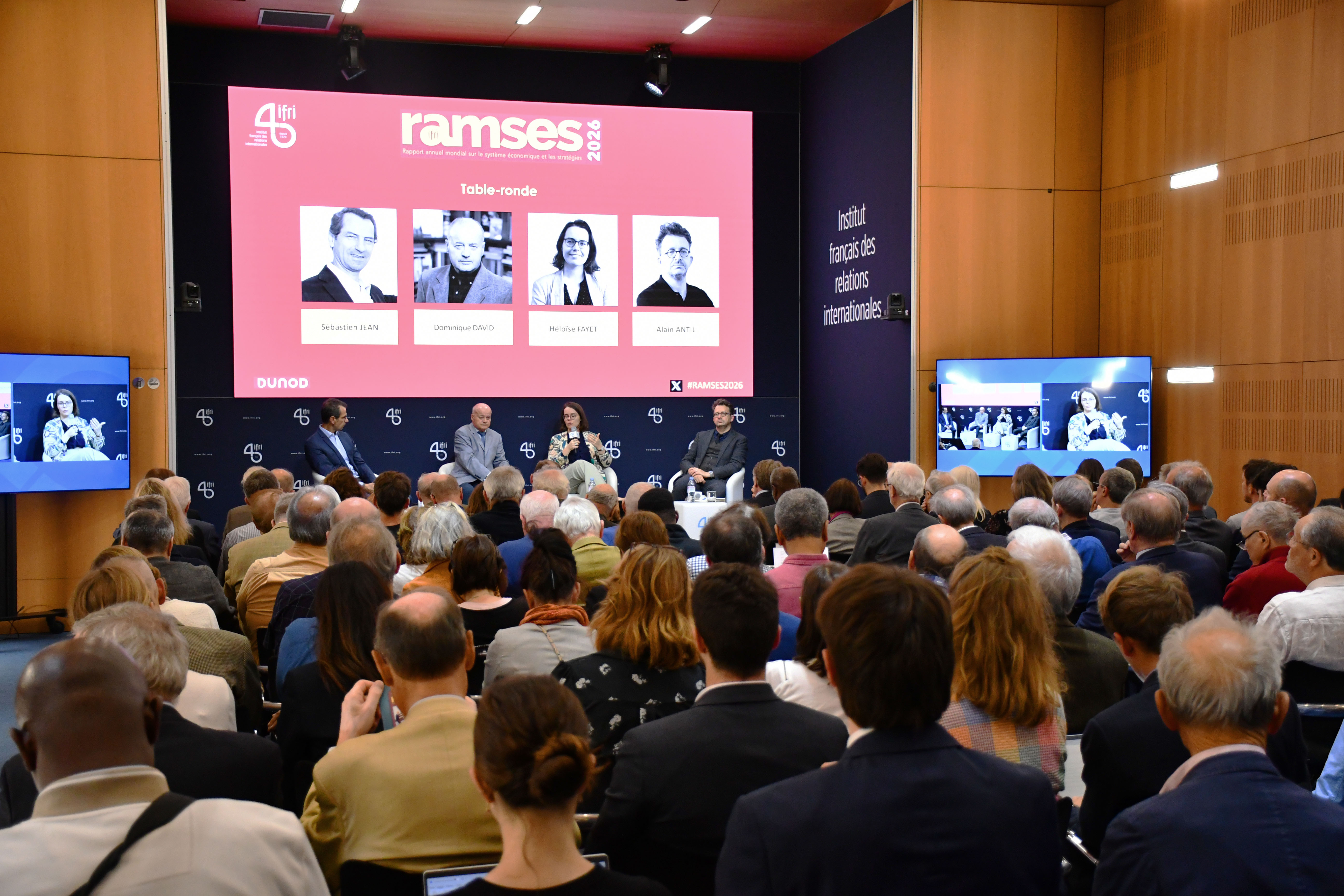
Ifri, a foundation recognized as being of public utility, relies largely on private donors – companies and individuals – to guarantee its sustainability and intellectual independence. Through their funding, donors help maintain the Institute's position among the world's leading think tanks. By benefiting from an internationally recognized network and expertise, donors refine their understanding of geopolitical risk and its consequences on global politics and the economy. In 2026, Ifri partners with over 90 French and international companies and organizations.