





France's strategic thinking in the Middle East is at a standstill
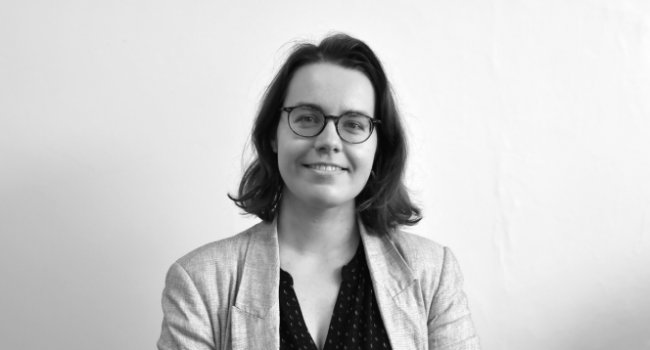
French President Emmanuel Macron was poised to arrive in Jordan for a two-day visit starting on Tuesday, December 20. French troops are deployed in the country as part of the Chammal military operation. Héloïse Fayet, a researcher with the Institut Français des Relations Internationales (French Institute of International Relations) who specializes in the armed forces present in the Middle East, told Le Monde that the terrorist threat in the region was almost eliminated. This, she said, should lead Paris to rethink its strategy. Ms. Fayet published a study in mid-November examining France's strategic posture in the Middle East.
What Strategic Posture Should France Adopt in the Middle East?
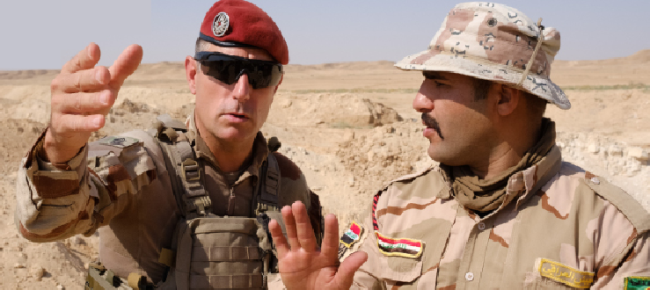
France has a historical presence in the Middle East, where it has many interests to defend: the fight against terrorism, the promotion of the arms industry, the dissemination of humanitarian values, etc. To this end, it has a number of resources at its disposal, notably military: French forces are deployed in Iraq, Syria and Jordan as part of Operation Chammal, in Lebanon for the United Nations Interim Force in Lebanon (UNIFIL), and in the United Arab Emirates.

Climate: Which Way Forward?
Thirty years after Rio, the case file “Climate: Which way forward?” assesses current climate commitments, which are undoubtedly less impressive and less certain than the political pronouncements and media fanfare make them seem. A number of fundamental problems remain.
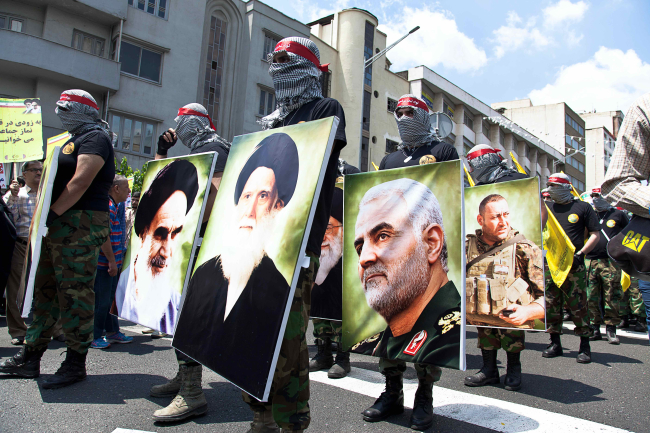
L’Iran et ses “proxys” au Moyen-Orient. Les défis de la guerre par procuration
If Iran is a key player in the Middle East, it is in no small part because of its extensive network of armed militia, which it uses as proxies.
Quel avenir pour le djihadisme ? Al-Qaïda et Daech après le califat
Despite a relative weakening since 2017, the international jihadist movement should continue to pose a genuine threat over the next decade.
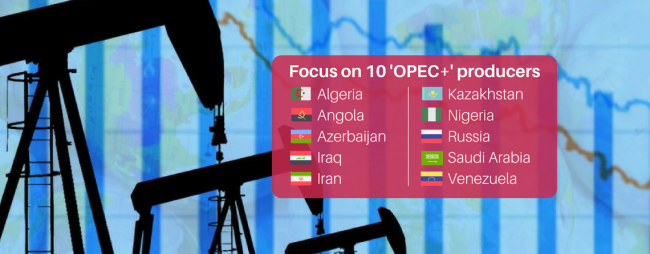
Navigating the Storm: ‘OPEC+’ Producers Facing Lower Oil Prices
On 22 June 2018, “OPEC+” oil Ministers (Organisation of Petroleum Exporting Countries members and an ad hoc alliance with several non-OPEC producers, notably with Russia, Kazakhstan and Azerbaijan) will gather in Vienna to discuss the status and future of their production limitation agreement which was initiated in November 2016 and runs until the end of December 2018.
Iraq after Daesh
Going beyond the numerous claims of rupture, is Trump overturning the international order and the place occupied in it by the United States?
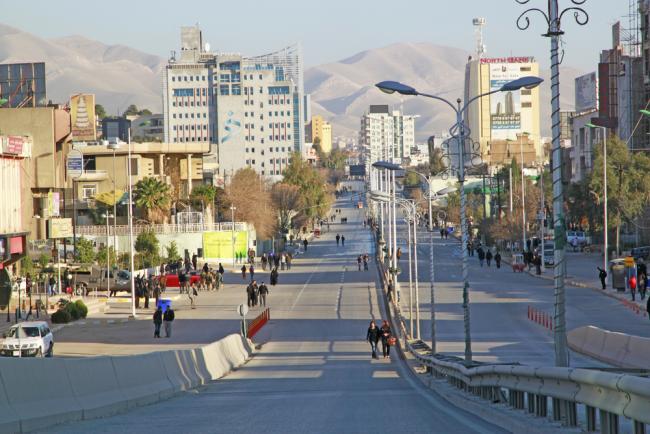
Three Generations of Jihadism in Iraqi Kurdistan
The aim of this report is to describe and explain how structural changes have affected three generations of jihadists in Iraqi Kurdistan: The Jihadi generation of the 1980s, that of Ansar al-Islam in the 2000s and that of the Kurds of Islamic State (ISIS) or Daesh in the 2010s.
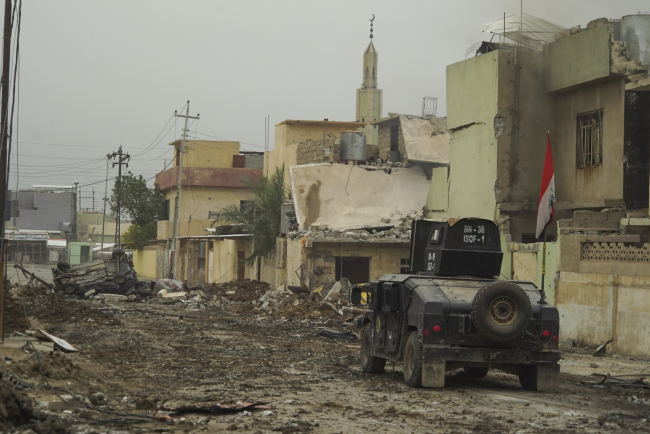
A Victory to End All Victory: Iraq after the Islamic State
The offensive on Mosul against Islamic State crystallises all of the political, social and security issues which determine the future of the Iraqi state.
War and Democratic Decision Making: How do Democracies Argue and Decide Whether or Not to Intervene in Distant Wars?
What is the proper place and forum for decisions about war and peace in a democracy? There is surprisingly little consensus on this matter, not in theory and not in practice. While in Iraq, Libya and Syria, all Western actions have ended in failure, it seems necessary to analyze the place and importance of this aspect of the democratic decision making.
Kurds against IS: An Effective Military Solution?
The Kurdish military’s recent history immediately brings to mind images of its mythical female fighters, and of its real victories against Daesh. But its successes have been primarily in Syria. In Iraq, the Kurdish military has been hindered by poor preparation, lack of effective weaponry, and various political and tactical disagreements between actors. Without support from the West, Kurdish forces will not be able to win the on-ground offensive.
Migrations in Africa: Another Look
Migration in Africa is a major concern, but largely for Africans alone. To adequately study the question of international migration, one must look beyond Europe’s current predicament. Through its dossier on “Migrations in Africa: Another Look”, this issue of Politique étrangère examines a number of factors that determine migration movements, how states in Africa attempt to manage the significant problem of internal migration, the difficulties of integrating migrant workers into their host societies, and the false pretenses of Euro-African agreements on readmission.
De-radicalization and the Prevention of Radicalization in Germany, Great Britain and Denmark
To date, a few thousand Europeans have left Europe to join jihadi fighters in Syria and Iraq. Several hundreds of them have already returned. To deal with this phenomenon, some countries have developed radicalization prevention and de-radicalization programs.
A New Era of Oil Abundance?
From 2014 to 2015, the price of oil fell.
Defeating Daesh: A Financial and Military Campaign
The Islamic State has considerable income, mostly from taking control of banks; managing trafficking networks – particularly hydrocarbons – and from external support.
What Kurdish Policy Will the JDP Adopt?
The emergence of an autonomous Iraqi Kurdistan, the civil war in Syria, and the electoral ambitions of the JDP (Justice and Development Party) have led to new policy being formed by the Turkish government regarding the Kurdish issue.
Iraqi Kurdistan’s Unclear Borders
Since 1991, Kurdish parties have dominated and administered “Iraqi Kurdistan”.
Kurds and the State Option
The Kurds in Iraq occupy what is practically a state. The Syrian civil war has resulted in the autonomization of the country’s Kurdish population. To Kurdish advantage, the JDP’s (Justice and Development Party – Turkey) ambiguous policy has cleared a new political space in Turkey.
What Strategic Posture Should France Adopt in the Middle East?
France has a historical presence in the Middle East, where it has many interests to defend: the fight against terrorism, the promotion of the arms industry, the dissemination of humanitarian values, etc. To this end, it has a number of resources at its disposal, notably military: French forces are deployed in Iraq, Syria and Jordan as part of Operation Chammal, in Lebanon for the United Nations Interim Force in Lebanon (UNIFIL), and in the United Arab Emirates.
Quel avenir pour le djihadisme ? Al-Qaïda et Daech après le califat
Despite a relative weakening since 2017, the international jihadist movement should continue to pose a genuine threat over the next decade.
War and Democratic Decision Making: How do Democracies Argue and Decide Whether or Not to Intervene in Distant Wars?
What is the proper place and forum for decisions about war and peace in a democracy? There is surprisingly little consensus on this matter, not in theory and not in practice. While in Iraq, Libya and Syria, all Western actions have ended in failure, it seems necessary to analyze the place and importance of this aspect of the democratic decision making.
The Effects of Baghdad Politics on Kurdistani Gas Prospects
This paper examines the effects of internal Iraqi politics on the potential for exporting Kurdistani natural gas. It examines Baghdad’s policy with regards to both oil and gas, and predicts what effects it will have on Kurdistan’s gas prospects.
France's strategic thinking in the Middle East is at a standstill
French President Emmanuel Macron was poised to arrive in Jordan for a two-day visit starting on Tuesday, December 20. French troops are deployed in the country as part of the Chammal military operation. Héloïse Fayet, a researcher with the Institut Français des Relations Internationales (French Institute of International Relations) who specializes in the armed forces present in the Middle East, told Le Monde that the terrorist threat in the region was almost eliminated. This, she said, should lead Paris to rethink its strategy. Ms. Fayet published a study in mid-November examining France's strategic posture in the Middle East.
Ifri, a foundation recognized as being of public utility, relies largely on private donors – companies and individuals – to guarantee its sustainability and intellectual independence. Through their funding, donors help maintain the Institute's position among the world's leading think tanks. By benefiting from an internationally recognized network and expertise, donors refine their understanding of geopolitical risk and its consequences on global politics and the economy. In 2026, Ifri partners with over 90 French and international companies and organizations.
