


How Will the Trump Presidency Change EU-China Relations?
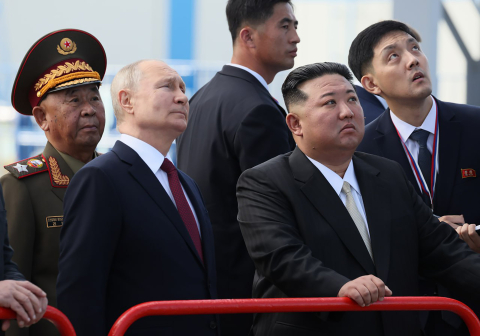
Over the past few years, European countries have started to line up with the United States on China policy. But now, as Donald Trump destroys the trust European countries had in America, China is stepping up, promising stability and consistency.
A "DeepSeek Moment"?
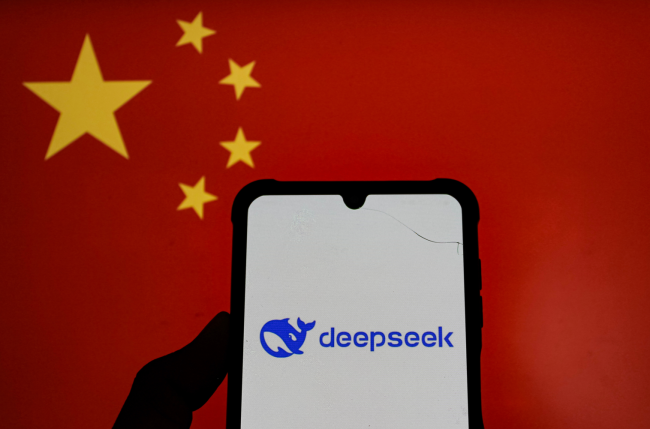
DeepSeek, hailed as a champion of Chinese AI, represents less a revolution than a significant optimization of existing technologies. Doubts remain regarding the figures put forward by the start-up, inviting a more measured response to the media hype surrounding China’s technological catch-up. Nonetheless, DeepSeek signals the need to question an economic model based solely on the race for computational power. By betting on open innovation, Europe can carve out its own path in a competition that is far from being a zero-sum game.
Trump's Trade War: What Answers for the European Union?
The announcement, on April 2, 2025, of “reciprocal tariffs” by the United States has opened a sequence of profound break with decades of established trade policy practices, where the administration behaviour has been marked by dogmatic blindness, amateurism, and self-serving interests.
France, the U.S.' Oldest and Most Complicated Ally: A Stubborn Defender of a Truly European Industrial and Defence Policy
France, the U.S.’ oldest ally, is also the EU country which most stubbornly defends genuinely European industrial and defence policies. It calls for ‘strategic autonomy’ in all political domains, a position increasingly difficult to hold against a hardening international climate.
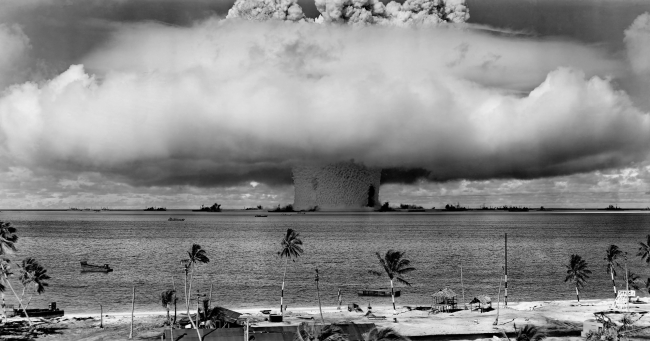
A Fragile Consensus? The Pressure on the Norm Against Nuclear Testing
Apart from North Korea, no state has conducted explosive nuclear tests in the 21st century, reflecting the emergence of a strong international norm against such testing.
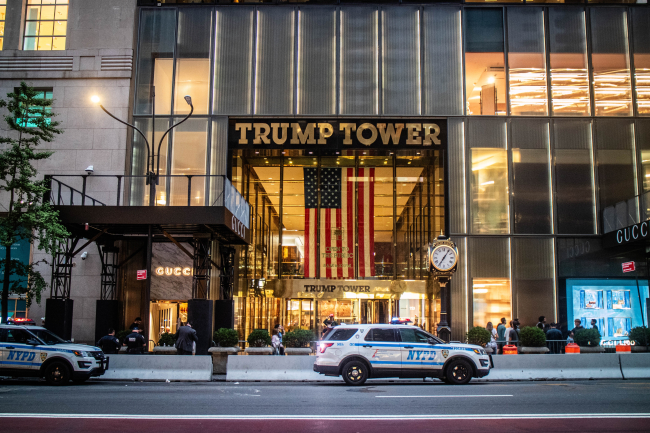
Donald Trump v. the States: the Case of New York
While the disruptive policies of the second Trump administration are being implemented at the federal level and on the international stage, they are also being felt in the federal states and major cities across the country. In the spring of 2025, several cases involving the state and city of New York demonstrate that the president’s attacks on environmental protection, the separation of powers, freedom of speech, etc., are also being carried out at the local level.
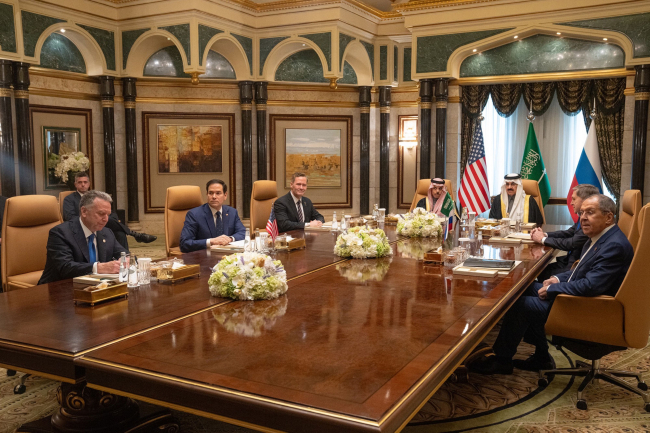
How the US under Trump Became a Strategic and Ideological Adversary of Europe
The Europeans' worst security nightmare seems to be coming true: on Tuesday, February 18, 2025, U.S. Secretary of State Marco Rubio and Russian Foreign Minister Sergey Lavrov met in Saudi Arabia to initiate the normalization of relations between their two countries. The meeting also aimed to set up peace negotiations for Ukraine. However, despite having the potential to affect the entire continent, the discussions took place without the Europeans or the Ukrainians being present.
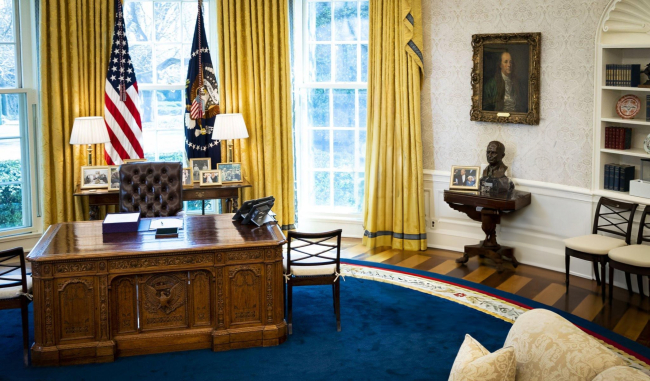
Will Trumpian Authoritarianism Lead to a Constitutional Crisis?
Since his return to the White House on January 20, 2025, President Donald Trump has signed around sixty executive orders to implement his political agenda. Numerous other measures have also been introduced by the White House and the new Department of Government Efficiency (DOGE) as part of these orders.
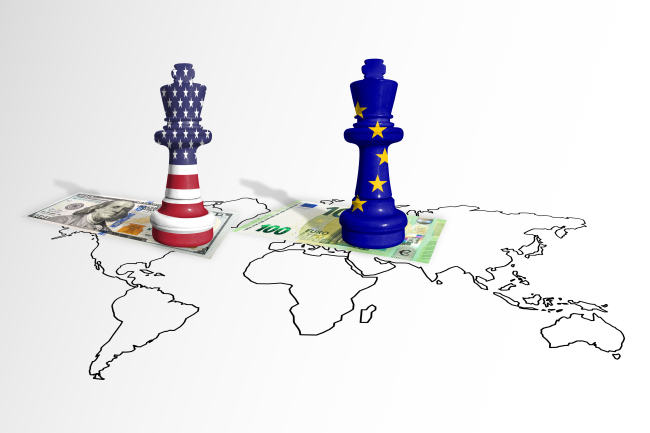
Trump’s Second Term: Laying the Groundwork for a New Trade War
In a statement released on February 1, 2025, President Trump announced the implementation of a 10% tariff on Chinese goods and a 25% tariff on imports from Canada and Mexico. While the former took effect via executive order on February 4, the latter were granted a 30-day reprieve. Sanctions targeting European Union (EU) products are said to be imminent.

From Conservative Nationalists to Tech-Libertarians: Far-Right Ideologies in the Trump 2 Administration
The officials and advisers of the Trump 2 administration represent diverse ideological currents, some of which are relatively new to Washington.
Will Trumpian Authoritarianism Lead to a Constitutional Crisis?
Since his return to the White House on January 20, 2025, President Donald Trump has signed around sixty executive orders to implement his political agenda. Numerous other measures have also been introduced by the White House and the new Department of Government Efficiency (DOGE) as part of these orders.
Trump’s Second Term: Laying the Groundwork for a New Trade War
In a statement released on February 1, 2025, President Trump announced the implementation of a 10% tariff on Chinese goods and a 25% tariff on imports from Canada and Mexico. While the former took effect via executive order on February 4, the latter were granted a 30-day reprieve. Sanctions targeting European Union (EU) products are said to be imminent.
From Conservative Nationalists to Tech-Libertarians: Far-Right Ideologies in the Trump 2 Administration
The officials and advisers of the Trump 2 administration represent diverse ideological currents, some of which are relatively new to Washington.
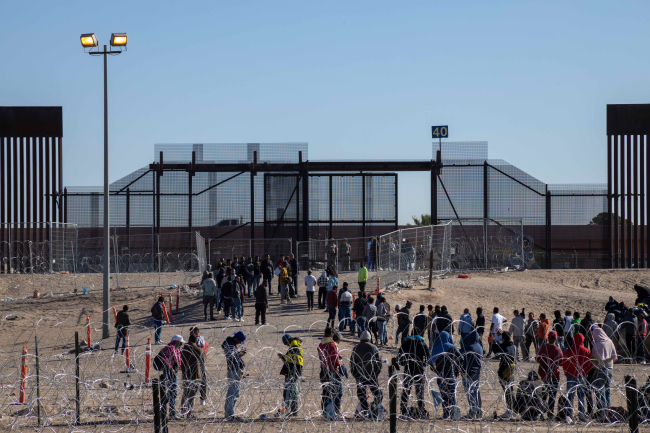
Migrations Between Mexico and the United States: More of the Same or a Headlong Rush?
As Trump prepares to tighten border controls with Mexico and carry out mass deportations of undocumented immigrants, Mexico is questioning the economic consequences of this migration policy and expects to have to negotiate the issue in connection with the tariffs imposed by the Trump administration.
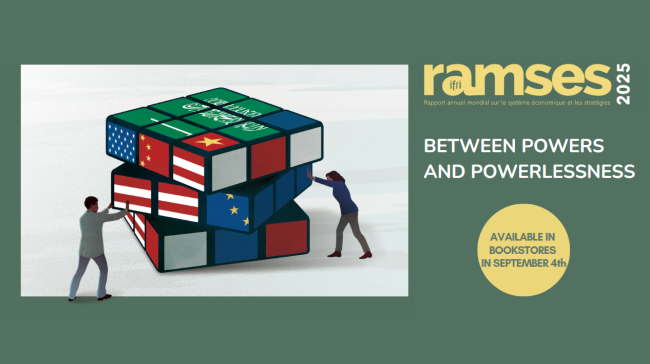
RAMSES 2025. Between Powers and Powerlessness
Never before have there been so many powers able to upset the international balance of power, and never before have the dominant powers seemed so powerless to counter the fragmentation of the world.
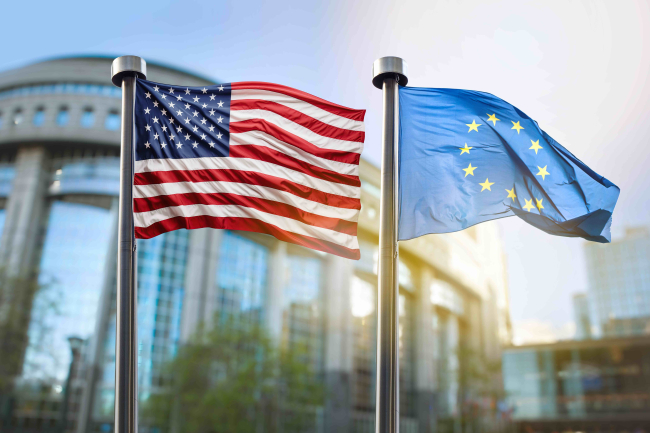
A Transatlantic Defense Industrial Base? Two Contrasting Views
The evolving landscape of global defense cooperation has brought the transatlantic relationship between the United States (US) and Europe into sharp focus. As geopolitical tensions rise and the threat environment becomes more complex, the question of how Europe can best ensure its security while navigating its relationship with the United States has become paramount. This double feature report offers two contrasting views on the dynamics of US-Europe defense industrial relations, highlighting the challenges and opportunities that lie ahead for both parties.
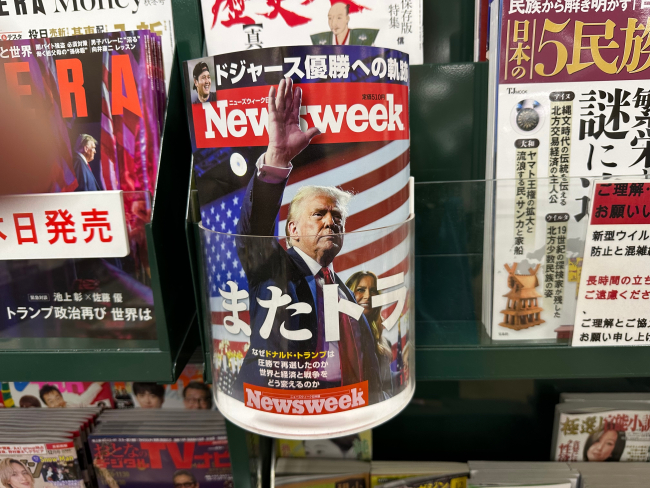
The Indo-Pacific and Trump II. In Uncle Sam’s brutal embrace
In this collective analysis, the research team of the Center for Asian Studies presents a synthetic and non-exhaustive assessment of the relations taking shape between the United States under the Trump II administration and some of the main players in the Indo-Pacific.
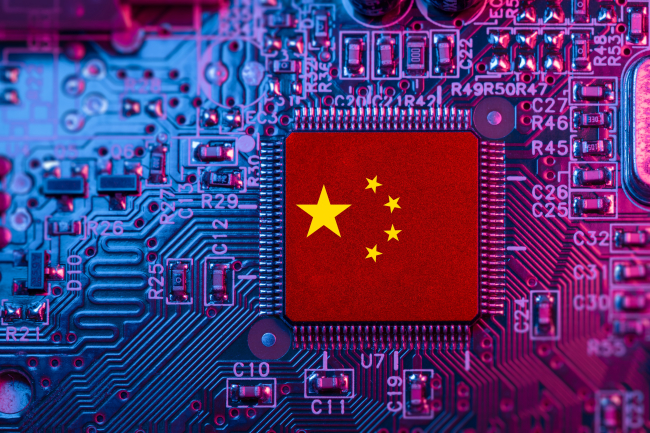
China’s Mature Node Overcapacity: Unfounded Fears
China is decoupling from, not flooding, the global mature-node semiconductor market. As China increasingly pursues industrial policies encouraging domestic chip production, its own growing chip demand will prevent a direct flood of cheap Chinese chips on foreign shores. However, as Beijing achieves its goal of decreasing the reliance of domestic downstream manufacturers on foreign chips, European and American mature-node semiconductor companies will feel the ripple effects of an increasingly “involuted” Chinese chip ecosystem.
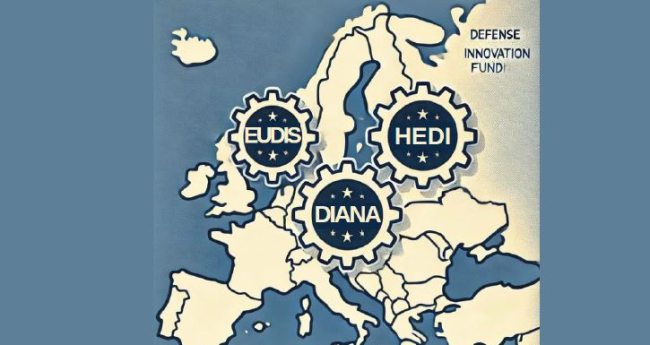
EUDIS, HEDI, DIANA: What's behind Three Defense Innovation Acronyms?
In Europe, with Russia’s war of aggression against Ukraine showing little sign of abating, a persistent gap remains between security needs and defense spending. According to a 2006 commitment enshrined at the 2014 Wales NATO summit, the North Atlantic Treaty Organization (NATO) members should disburse no less than 2% of their national gross domestic product (GDP) on defense, out of which 20% is to be spent on equipment and research and development. In 2024, only 23 Allies out of 32 are expected to meet or exceed this target, though a significant improvement from only three in 2014. This total includes the United States (US) devoting 3.38% of its GDP to defense, constituting almost 70% of all NATO member defense spending combined.
Between „Strategic Autonomy” and „Zeitenwende”: The Importance of Trade Between The EU and Mercosur
This policy paper analyses the geopolitical and economic significance of the EU-Mercosur agreement for the European Union (EU) in the context of the EU’s new European Economic Security Strategy.
The end of globalization ?
Michael Lind, Policy Director of the Economic Growth Program at the New America Foundation in Washington, D.C, was the guest of the French Institute for International Relations (IFRI) on September 29th 2014. In this video, he analyzes the major economic trends post-2008, and forecasts the end of globalization.
What major trends in US politics or party ideology do you see happening over the next generation ?
Michael Lind, Policy Director of the Economic Growth Program at the New America Foundation in Washington, D.C, was the guest of the French Institute for International Relations (IFRI) on September 29th 2014. In this video, he discusses the evolution of US politics and party ideology.
Support independent French research
Ifri, a foundation recognized as being of public utility, relies largely on private donors – companies and individuals – to guarantee its sustainability and intellectual independence. Through their funding, donors help maintain the Institute's position among the world's leading think tanks. By benefiting from an internationally recognized network and expertise, donors refine their understanding of geopolitical risk and its consequences on global politics and the economy. In 2025, Ifri supports more than 80 French and foreign companies and organizations.