







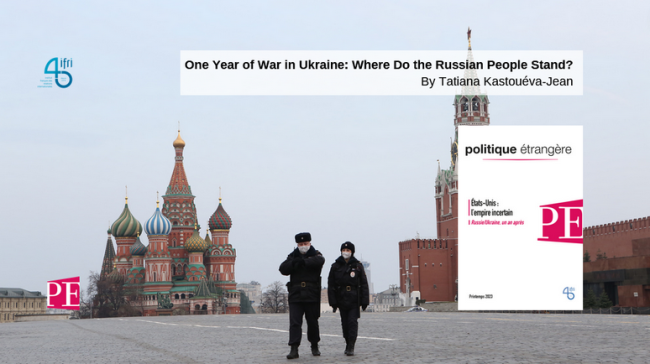
One Year of War in Ukraine: Where Do the Russian People Stand?
The overwhelming majority of the Russian population, having been fed Kremlin propaganda for years, approves of the war in Ukraine.
How will it end? No easy answers over Russia's war on Ukraine
The Kremlin wanted Russia's invasion of Ukraine to yield a lightning victory, but 12 months on the war is dragging into a stalemate with neither side achieving military breakthrough nor prepared to agree a settlement based on the status quo.
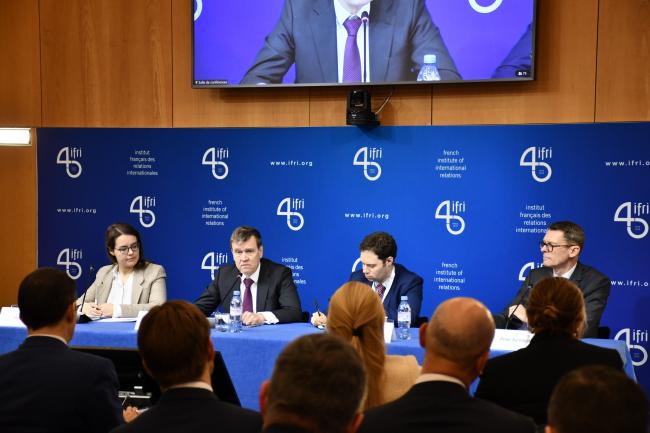
(Replay) Accession to NATO, war in Ukraine: what are the new security challenges for Sweden and Finland?
A conference with Esa Pulkkinen, Permanent Secretary of the Finnish Ministry of Defense, and Peter Sandwall, State Secretary to the Swedish Minister of Defense, held at Ifri on February 9, 2023.
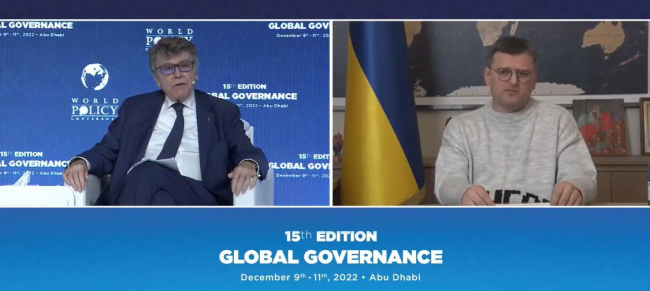
A conversation between Dmytro Kuleba and Thierry de Montbrial, World Policy Conference 2022, Abu Dhabi
Dialogue between Dmytro Kuleba, Minister of Foreign Affairs of Ukraine, and Thierry de Montbrial, founder and president of Ifri and the World Policy Conference, held in Abu Dhabi (Dec. 11), on the occasion of the 15th edition of the World Policy Conference.
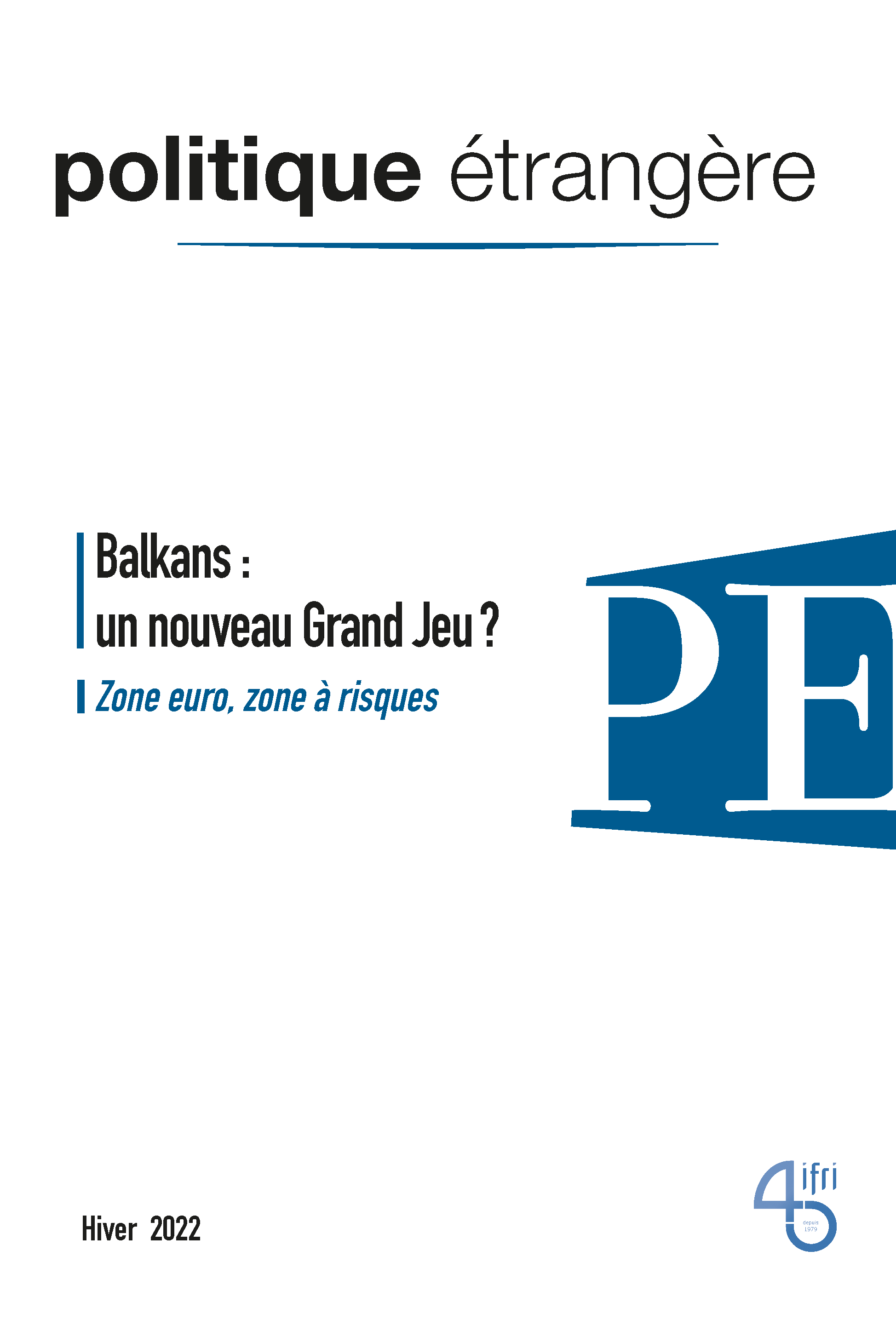
The Balkans: A New Great Game?
What political spaces make up the Old Continent? This question is at the heart of the Ukrainian conflict.
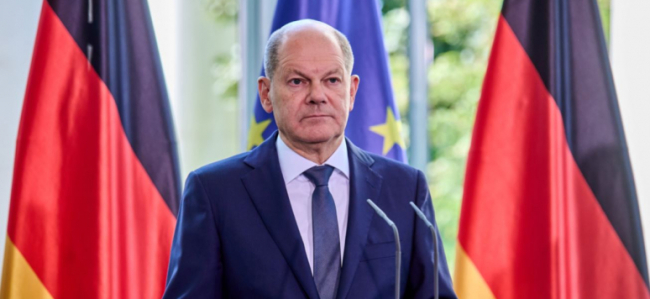
The German Government's Support Plan for Households and Businesses: How to Compensate for the Double Energy and Economic Shock?
In response to Russia's illegal attack on Ukraine, EU member states have issued a series of economic sanctions against Russia. This also includes moratoria on certain products, e.g., in the energy sector.
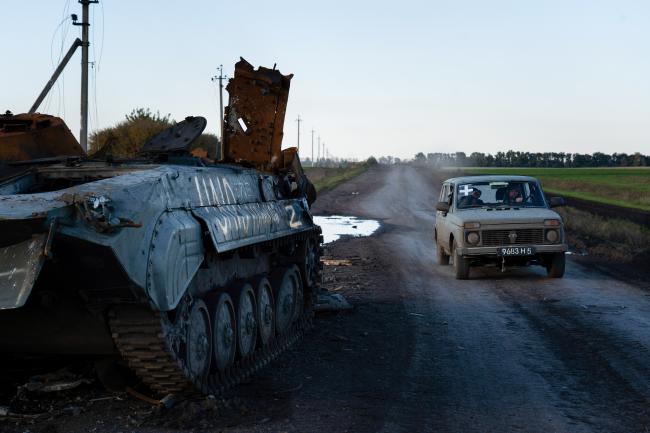
Russia’s War in Ukraine: Misleading Doctrine, Misguided Strategy
The blame for committing the blunder of starting the war with Ukraine is deservedly placed on President Vladimir Putin, but a single-explanation interpretation of the unfolding disaster is unsatisfactory.


Global Focus: Has the War in Ukraine United Europe?
Does the war in Ukraine change the prospect of European Union enlargement? What is the possibility and future of Europe's common foreign and security policy? Does russian aggression unite or unify Europe and what is the role of the European political community? What is Russia's ultimate strategic goal?
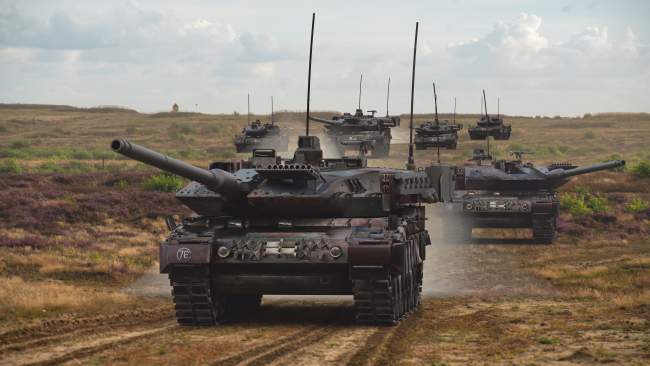
Modernization of the Bundeswehr: Back to basics?
Against the backdrop of the war in Ukraine, the Bundeswehr has been led to refocus on territorial defense and collective security, which constituted the core of its activity for decades. This evolution break with the long period of efforts during which the Bundeswehr painfully tried to transform itself into an intervention army.
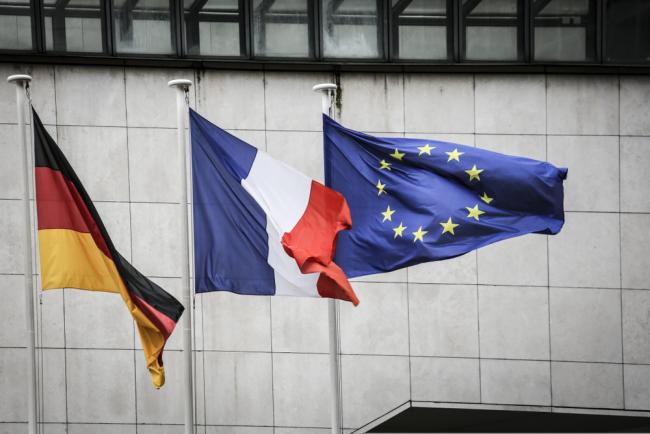
More Europe in the face of realpolitik’s return? French perspectives on 30 years of German reunification
The current geopolitical situation has disrupted the European and global order, which were both consolidated in the 1990s and have been key factors in the modern German model. The Franco-German duo is currently facing new challenges and it will have to respond appropriately in a time when the EU’s global influence is shrinking in the face of what some analysts call a “new Cold War”.


Military briefing: How will Russia’s mobilisation affect the war in Ukraine?
Kyiv expects new recruits to appear within two months but Moscow struggles with training and logistical obstacles.
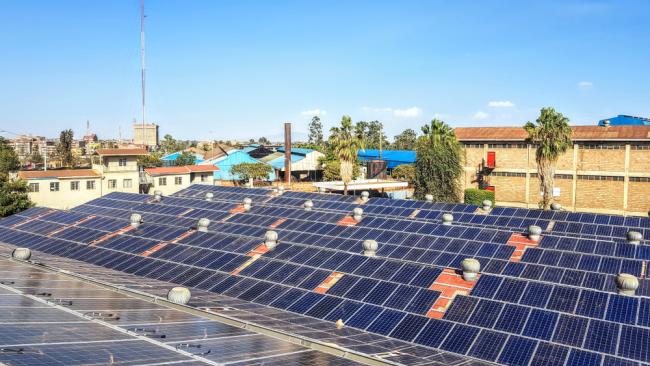
New Paradigm for Electrification in Sub-Saharan Africa: How Are Decentralized Hybrid Systems Changing the Game?
After several decades of reforms, the situation in centralized power sectors has hardly changed. The sub-Saharan power sector remains underdeveloped, and power sectors are experiencing significant financial difficulties that have been further exacerbated first by the effects of the pandemic and then the war in Ukraine.
Interview with David Miliband, President and CEO of the International Rescue Committee
Can you describe the humanitarian impact of the war in Ukraine, in Europe, including with regards to displacement, and beyond the outside of Europe?
War in Ukraine: A New World?
Beyond the tactical sphere, the conflict in Ukraine has already had numerous repercussions, and its conclusion will provoke many more in the global system. In this special issue, Politique étrangère explores some potential outcomes.
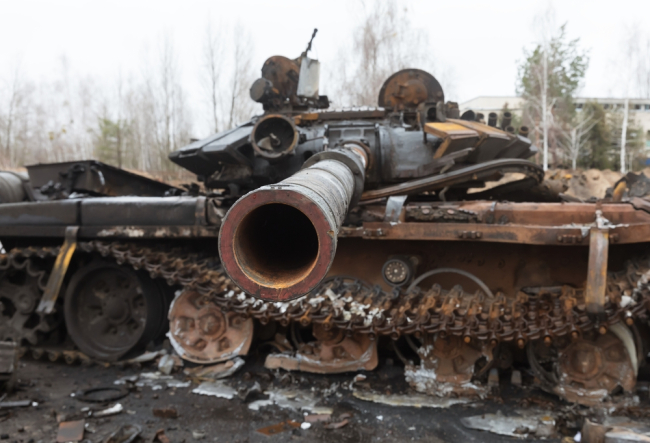
Russian army hobbled by shortage of soldiers
Following the last Ukrainian victories over the Russian Army in the Kharkiv oblast, Russian administration currently faces controversies. As a matter of fact, many question the degree of intensity Russian general staff has decided, avoiding for now general mobilization. According to Dimitri Minic, researcher attached to the Russia / NIS center at the French Institutes of International Relations and expert in russian armed forces, the current russian army not only lacks men but also modern equipment.
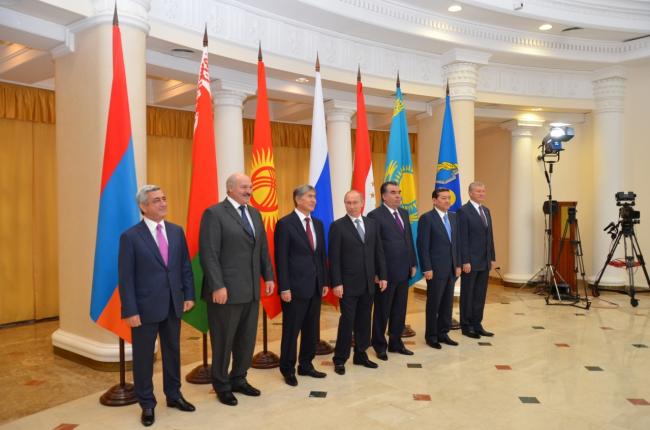
Reflection on Russia’s Changing Image in the Post-Soviet Region
The two years preceding the Russian invasion of Ukraine suggested that Russia had adopted a measured policy toward the post-Soviet space. Faced with social protests in Belarus, a coup in Kyrgyzstan, the victory of pro-European president Maia Sandu in Moldova, the second war in Nagorno-Karabakh, and riots in Kazakhstan, Russia showed diplomatic ability without any hard arm-twisting of partners. In 2020, then Carnegie Moscow Center director Dmitry Trenin even concluded that “there will be no new edition of the empire”. The war in Ukraine has completely changed this analysis.
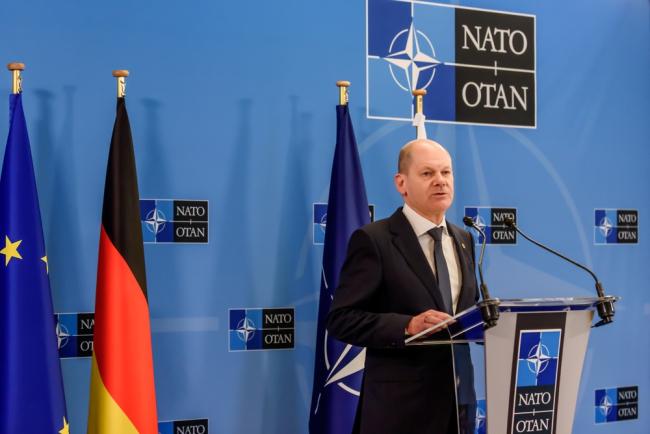
Germany, the “Zeitenwende” and the Future of NATO
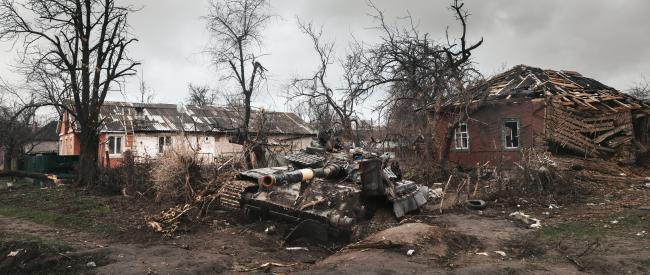
The Return of High-Intensity Conflict in Ukraine: Lessons for Land Forces
After twenty years of counter-terrorism, the Ukrainian battlefield marks the renewal of so-called “high-intensity” warfare. It constitutes a major strategic turning point, reversing the contemporary model of wars involving the West.
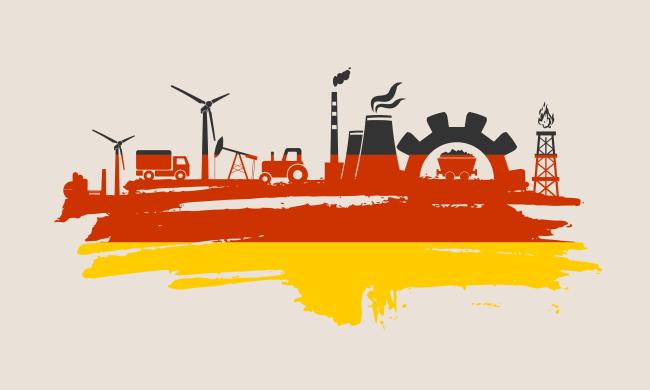
The German Industrial Power in Danger: The Double Shock of Energy Transition and Geopolitical Risk
The German manufacturing industry at the heart of the German economic activity has been confronted in the past years with conjunctural shocks, which question its existence on the German territory: the energy transition which hinders it in the short term to resort to fossile energy from Germany and nuclear energy; a questioning of fossile energy imports from Russia which keeps production sites of fossile energy and nuclear energy in Germany; the currently small capacity of renewable energy to satisfy the important energy needs of the manufacturing industry and the putting into place of alternatives to the importation of energy resources.
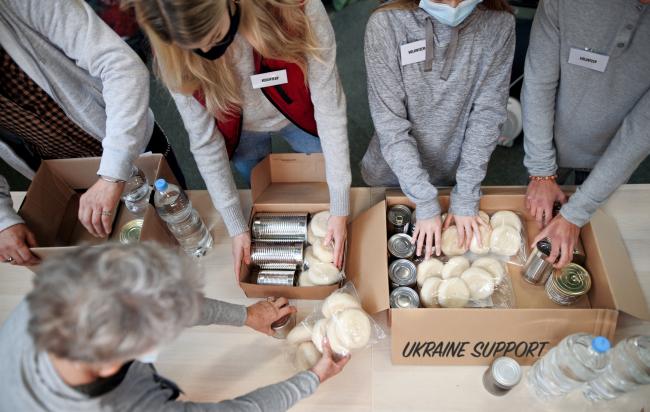
Quelle stratégie pour l’aide civile en Ukraine ?
Ukrainian institutions have overall withstood the shock of the war: the central government and local authorities benefit from a real legitimacy and a solid ability to govern.
Ifri, a foundation recognized as being of public utility, relies largely on private donors – companies and individuals – to guarantee its sustainability and intellectual independence. Through their funding, donors help maintain the Institute's position among the world's leading think tanks. By benefiting from an internationally recognized network and expertise, donors refine their understanding of geopolitical risk and its consequences on global politics and the economy. In 2026, Ifri partners with over 90 French and international companies and organizations.
