



European Solar PV Manufacturing: Terminal Decline or Hope for a Rebirth?

While solar photovoltaic (PV) installations are booming in Europe (and in other parts of the world), the local industry is closing down. Over the past two years, the European installed solar PV capacity has been multiplied by two. On the other hand, the remaining European manufacturers of solar PV panels are dying.
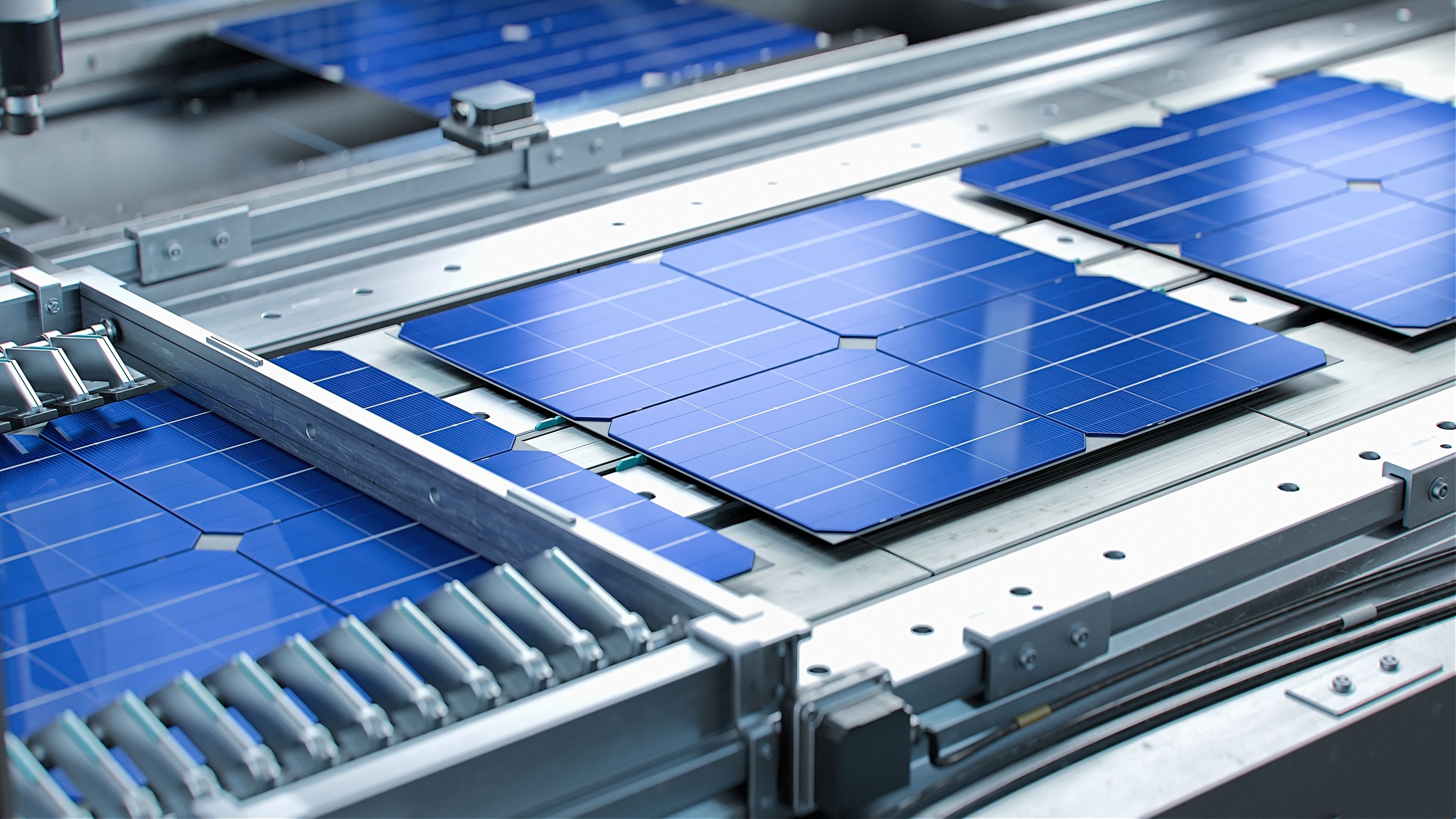
Installed solar PV capacities are experiencing an unprecedented increase in Europe: in two years, they have been multiplied by two with 60 gigawatts (GW) added in 2023. However, local solar PV manufacturers are not benefiting from it as the Chinese competition is knocking them down.
Structurally much more competitive, prices of Chinese solar panels have further decreased by 42% in 2023 – making it difficult even for some Chinese companies to survive and forcing many of the remaining European manufacturers out of the market.
This situation fragilizes Europe’s strategic autonomy and decarbonization. Covid-19-like disruption or an aggression against Taiwan would leave the continent without any supply. American manufacturers are also flexing their muscles with the aggressive Inflation Reduction Act.
Europe’s answer, the Net Zero Industry Act (NZIA), a tougher approach to China’s imports and national support measures, could create a new generation of solar PV manufacturers in Europe.

Available in:
Regions and themes
ISBN / ISSN
Share
This page contains only a summary of our work. If you would like to have access to all the information from our research on the subject, you can download the full version in PDF format.
European Solar PV Manufacturing: Terminal Decline or Hope for a Rebirth?


Thibaud VOÏTA
Associate Research Fellow, Energy and Climate Center, Ifri

Center for Energy & Climate
Ifri's Energy and Climate Center carries out activities and research on the geopolitical and geoeconomic issues of energy transitions such as energy security, competitiveness, control of value chains, and acceptability. Specialized in the study of European energy/climate policies as well as energy markets in Europe and around the world, its work also focuses on the energy and climate strategies of major powers such as the United States, China or India. It offers recognized expertise, enriched by international collaborations and events, particularly in Paris and Brussels.
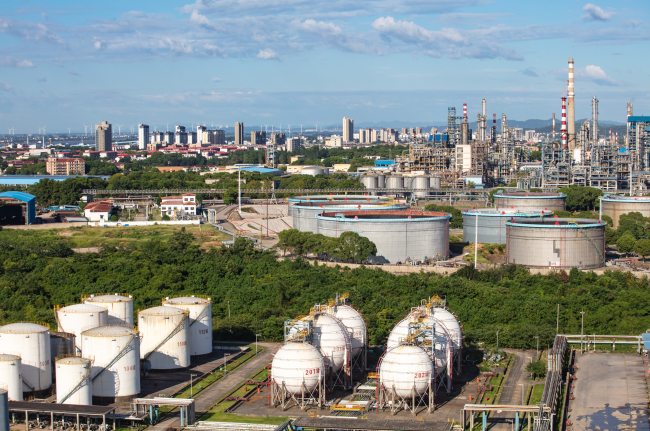
China’s Hydrogen Economy Five Years On
China’s hydrogen sector is not new. It is the world’s largest industrial hydrogen system, rooted in ammonia, methanol, refining, coal chemicals and by-product gas streams.
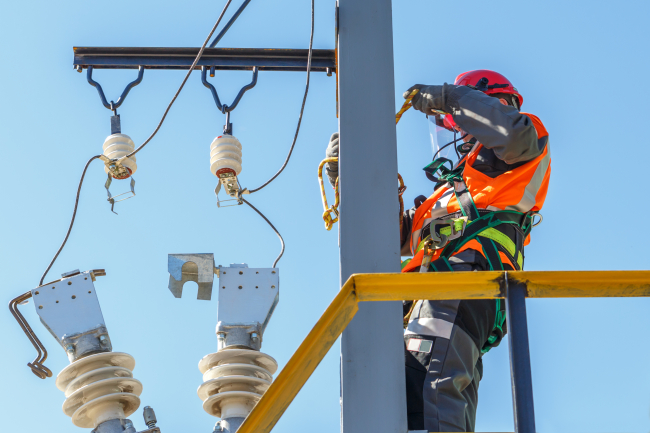
27 Plans for 2027: Turning the Electrification Action Plan into National Action
With the aim of structurally reducing the European economy’s dependence on fossil fuel imports and accelerating the energy transition, the European Commission has opted for electrification.
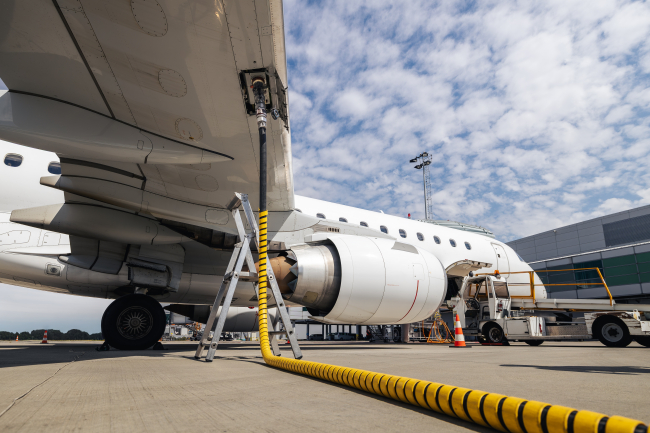
How to Make European e-SAF Production under RefuelEU Aviation Fly?
Three and a half years before the scheduled entry into force of the European regulation ReFuelEU Aviation (RFEUA), which requires aviation fuel suppliers at Union airports to offer a sustainable synthetic alternative (e-SAF), no sizeable commercial production unit (greater than 10,000 tons per year) is active within Europe yet, nor has it even passed the Final Investment Decision (FID). Is a major step in the European Union (EU) plans for decarbonizing air transport at risk of not happening, or at least being postponed for several years? Is Europe losing its bet to create a market for e-SAF? Under what conditions can this bet still be won? Could sovereignty and energy security preoccupations unlock necessary public support and help to overcome economic, financial, logistical or administrative obstacles?
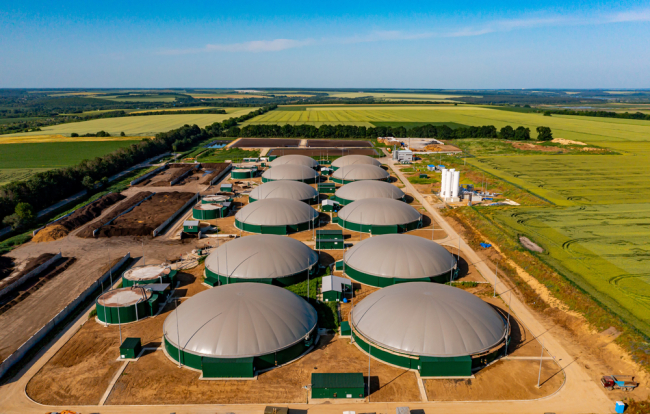
The European Biomethane Sector at a Critical Juncture: Stronger Policy Alignment Will Matter
The European biomethane sector is at a critical juncture.