The European Biomethane Sector at a Critical Juncture: Stronger Policy Alignment Will Matter
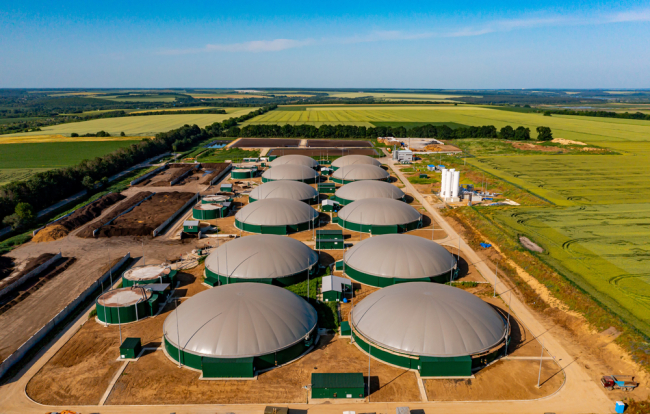
The European biomethane sector is at a critical juncture.
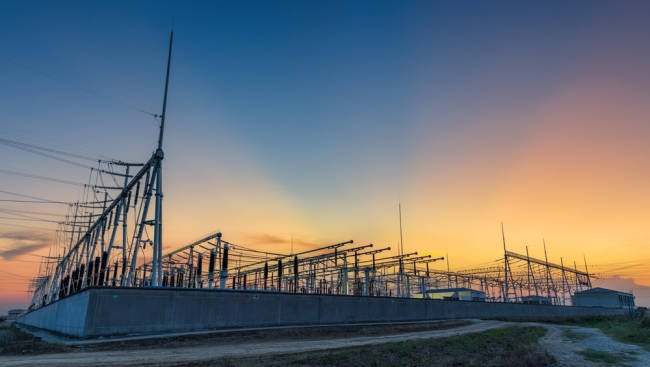
Europe’s Power Grid Challenge: A Make-or-Break for Accelerating Electrification
In April 2023, The Economist published an article pointing to the vast amounts of electricity infrastructure needed to reach energy transition goals.
The US’s Critical Mineral Offensive Strategy: How Can Europe Step Up?
As Organization for Economic Co-operation and Development (OECD) economies are confronted with mounting threats to critical raw materials (CRM) supplies, resolute interventionist policies are needed to build resilient value chains.
Financial Tools for Boosting Resilience of CRM Value Chains and Strategic Stockpiling
Critical Raw Material (CRM) value chains are more vulnerable than ever and entire vital industries in Europe are now at risk if supplies are not secured through strategic and urgent actions, given mounting geopolitical confrontation, resource nationalism, growing demand and limited supply increase.
The Strategic Dimension of Skills in the Clean Industrial Deal
In the competitiveness and energy transition battles, the European Union (EU) must master a determinant factor: skills.

Ensuring a Fair Green Transition
“Humanity has opened the gates of hell”, stated UN Secretary-General António Guterres at the Climate Ambition Summit in September 2023, emphasising that we are currently on a path of global warming above 2.4°C or even 2.9°C.
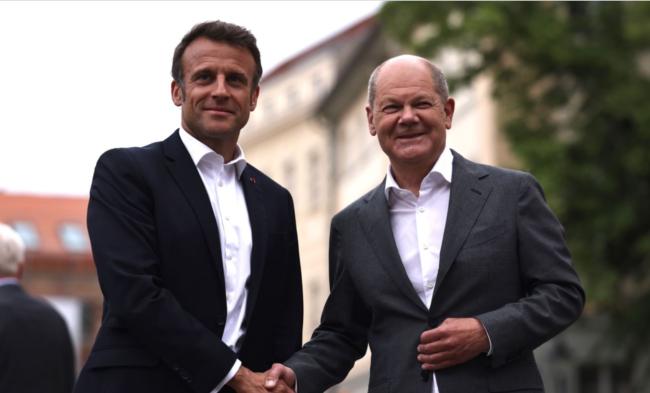
New Impulses for Stagnant Relationships - German-French Ministerial Council Meets in a New Format
As the doors of the illustrious Hôtel Beauharnais on Rue de Lille 78 swung open on the evening of 4 October, and the masses streamed into the German Embassy in Paris to celebrate German Unity Day, the reports of the currently strained state of Franco-German relations seemed almost surreal.

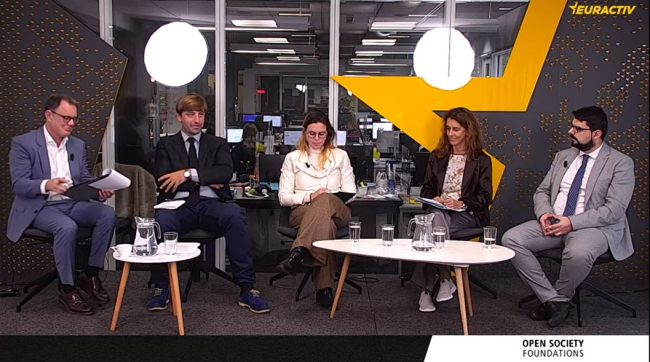
Winter is coming: How to shield the most vulnerable and preserve the consensus on the war
Some of Europe’s poorest countries and communities would be hardest hit by disruptions of Russian energy supplies. With a difficult winter ahead, Europe’s ability to redistribute costs equitably and to shield the most vulnerable will determine whether it can preserve social cohesion and the consensus on the war in Ukraine.
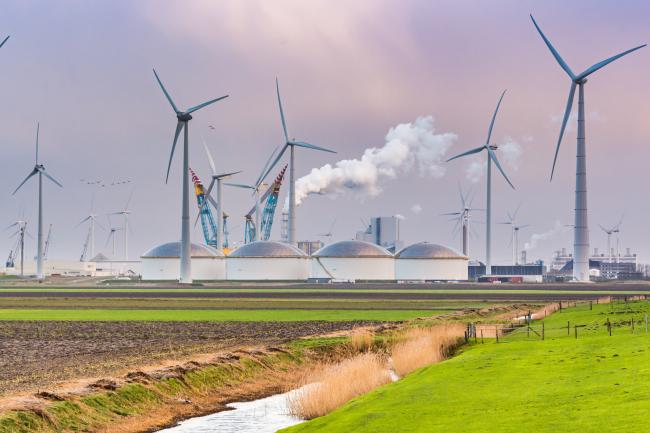
Redefining the Netherlands' Energy Future : Societal Implications of the Nearing End of Dutch Natural Gas
For decades, the large Groningen gas field has been a central pillar of the Dutch welfare state. The availability of gas was so self-evident that many generations still identify with the slogan “Nederland gasland” (“The Netherlands, a gas country”). The nearing end of Dutch gas now requires a mentality shift.
Ukraine: Between Two Peaces?
We have reentered the world of war. In its first special report, Politique étrangère offers a range of in-depth analyses of the military and political dynamics at work in a Europe that has just woken up from its dream of enduring peace. The direct confrontation between Ukraine and Russia has pitted two military and defense systems against each other, whose asymmetrical logics, strengths, and weaknesses we are discovering as the conflict unfolds.
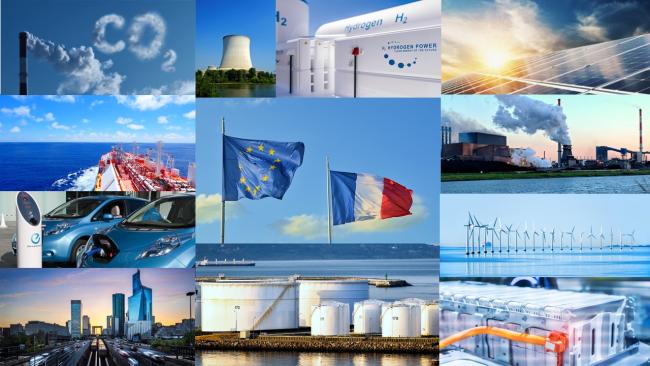
Accelerating the energy transition in France: drawing inspiration from best practice in our European neighbours
The success of energy transition is first and foremost a question of good governance, which must be based on expertise and collective deliberation.
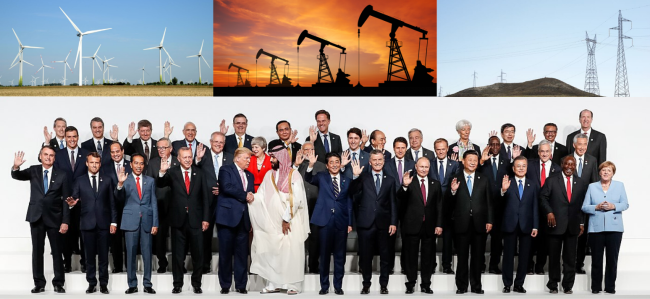
Energy, Climate and the Covid-19 Shocks: Double or Quits
The shocks from COVID-19 likely to affect energy and the climate are multiple and unprecedented in scale and scope.
Shocks from collapsing prices due to plummeting and then paralyzed demand combined with overproduction: this is the case for oil, but also to a lesser extent for electricity and gas. Other raw materials are also being affected.
Shocks to investments, because oil as well as electricity companies are experiencing dramatic falls in earnings while waiting for the peak of the pandemic to pass. They are cutting spending and revising or postponing projects. Jobs and smaller company survival are under threat.
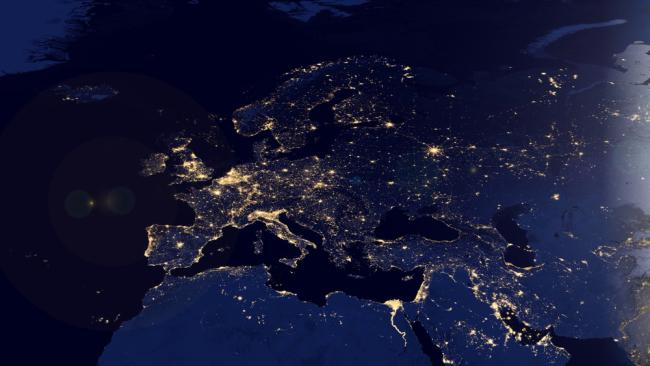
The Green Deal’s External Dimension. Re-Engaging with Neighbors to Avoid Carbon Walls
The European Union (EU)’s Green Deal is a game changer with attention so far focused on forthcoming actions plans, the Climate Law, financial resources, the revision of the 2030 targets and of the emissions trading system (ETS).
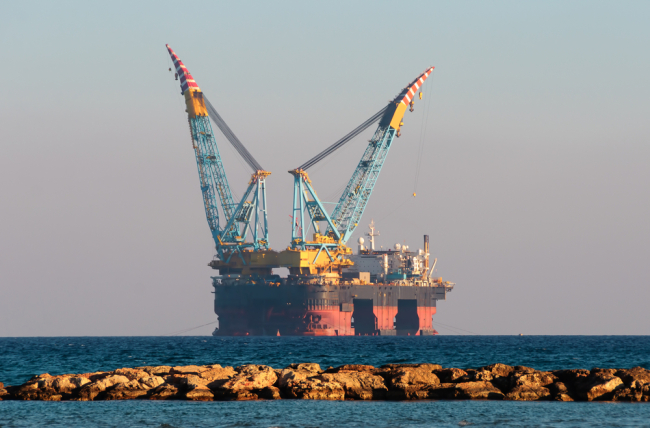
L’Égypte, nouvelle plateforme gazière en Méditerranée orientale
Recent offshore gas discoveries in the Eastern Mediterranean, primarily in Egypt as well as in Israel, but also around Cyprus, are dramatically changing these countries' energy perspectives and economies, and also influence geopolitical balances in the region.
More renewables in the European Union? Yes, we can
The European Union is about to adopt new renewable energy targets for 2030. While going beyond the initially-planned 27% is absolutely feasible, the EU strategy can only be credible if it is based on a good mix between performance and effort obligations, and also includes possible review clauses.
The Gazprom-Naftogaz Stockholm Arbitration Awards: Time for Settlements and Responsible Behaviour
The signing in January 2009 of the gas supply and transit contracts between Gazprom and Naftogaz marked a turning point in Russian-Ukrainian gas relations: yearly intergovernmental, last minute and non-transparent winter deals were replaced by a predictable, long term commercial relationship.
The EU Battery Alliance. Can Europe Avoid Technological Dependence?
With the launch of its “battery alliance”, the European Union is finally taking up the industrial battle with Asia and hopes to meet a large share of the surging demand for electrical batteries. Yet, the clock is ticking and the future of battery manufacturing in Europe depends primarily on the strategies that automakers will adopt.
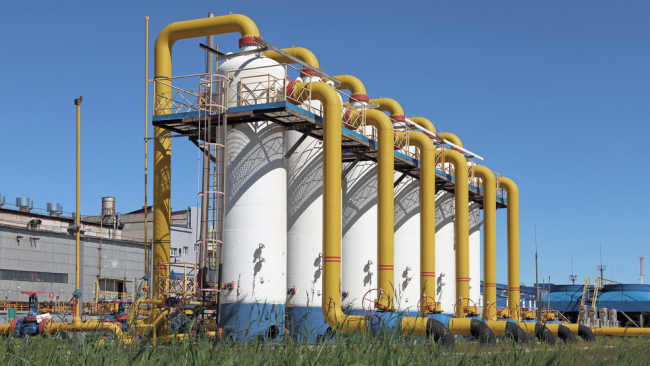
The Role of Gas in the European Energy Transition: Challenges and Opportunities
Following difficult years for the European gas industry, natural gas is back to the front stage.

Europe in the Global Race for Electrical batteries
This study weighs up the different strategic approaches that Europe may adopt in the industrial race for electrical batteries, taking into account the demand potential for e-mobility and stationary storage, the global competitive landscape and the policy support for local players in Asia and the U.S.
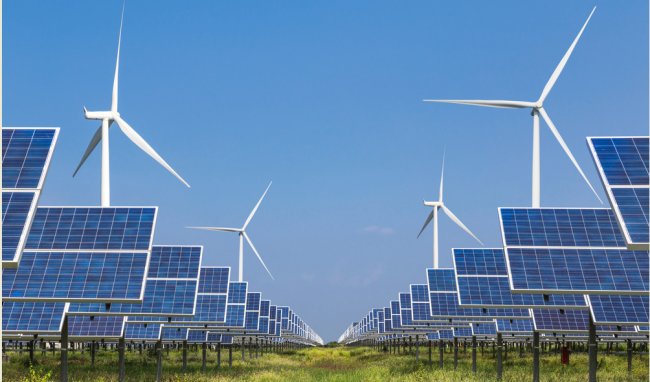
The Landscape of Renewable Energy Sources in Europe in 2030
The study analyses the European rules designed to promote renewable energy, highlighting their innovations and the difficulties they will raise. The study highlights the consequences of some of the measures envisaged and pays particular attention to the electricity market.
The European Biomethane Sector at a Critical Juncture: Stronger Policy Alignment Will Matter
The European biomethane sector is at a critical juncture.
Europe’s Power Grid Challenge: A Make-or-Break for Accelerating Electrification
In April 2023, The Economist published an article pointing to the vast amounts of electricity infrastructure needed to reach energy transition goals.
The US’s Critical Mineral Offensive Strategy: How Can Europe Step Up?
As Organization for Economic Co-operation and Development (OECD) economies are confronted with mounting threats to critical raw materials (CRM) supplies, resolute interventionist policies are needed to build resilient value chains.
Financial Tools for Boosting Resilience of CRM Value Chains and Strategic Stockpiling
Critical Raw Material (CRM) value chains are more vulnerable than ever and entire vital industries in Europe are now at risk if supplies are not secured through strategic and urgent actions, given mounting geopolitical confrontation, resource nationalism, growing demand and limited supply increase.
The Strategic Dimension of Skills in the Clean Industrial Deal
In the competitiveness and energy transition battles, the European Union (EU) must master a determinant factor: skills.
Ensuring a Fair Green Transition
“Humanity has opened the gates of hell”, stated UN Secretary-General António Guterres at the Climate Ambition Summit in September 2023, emphasising that we are currently on a path of global warming above 2.4°C or even 2.9°C.
Energy, Climate and the Covid-19 Shocks: Double or Quits
The shocks from COVID-19 likely to affect energy and the climate are multiple and unprecedented in scale and scope.
Shocks from collapsing prices due to plummeting and then paralyzed demand combined with overproduction: this is the case for oil, but also to a lesser extent for electricity and gas. Other raw materials are also being affected.
Shocks to investments, because oil as well as electricity companies are experiencing dramatic falls in earnings while waiting for the peak of the pandemic to pass. They are cutting spending and revising or postponing projects. Jobs and smaller company survival are under threat.
The Green Deal’s External Dimension. Re-Engaging with Neighbors to Avoid Carbon Walls
The European Union (EU)’s Green Deal is a game changer with attention so far focused on forthcoming actions plans, the Climate Law, financial resources, the revision of the 2030 targets and of the emissions trading system (ETS).
More renewables in the European Union? Yes, we can
The European Union is about to adopt new renewable energy targets for 2030. While going beyond the initially-planned 27% is absolutely feasible, the EU strategy can only be credible if it is based on a good mix between performance and effort obligations, and also includes possible review clauses.
The Gazprom-Naftogaz Stockholm Arbitration Awards: Time for Settlements and Responsible Behaviour
The signing in January 2009 of the gas supply and transit contracts between Gazprom and Naftogaz marked a turning point in Russian-Ukrainian gas relations: yearly intergovernmental, last minute and non-transparent winter deals were replaced by a predictable, long term commercial relationship.
The EU Battery Alliance. Can Europe Avoid Technological Dependence?
With the launch of its “battery alliance”, the European Union is finally taking up the industrial battle with Asia and hopes to meet a large share of the surging demand for electrical batteries. Yet, the clock is ticking and the future of battery manufacturing in Europe depends primarily on the strategies that automakers will adopt.
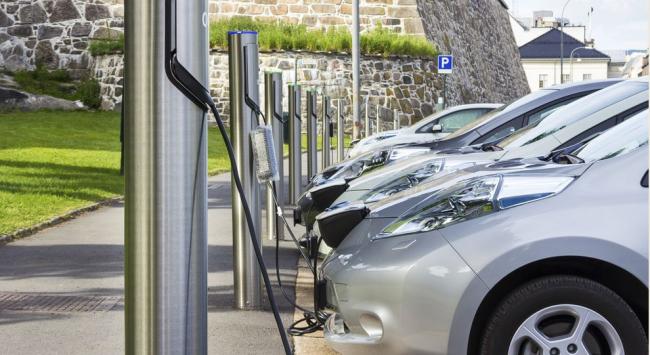
E-mobility: European Energy and Transport Policies at Crossroads
European clean transport policy envisages the development of charging infrastructures for electric vehicles within a European e-mobility framework. After the downturns of the Volkswagen scandal and the prevailing low European carbon price, the EU is bringing forward car passenger transport electrification. This requires new business models based on interoperability.
The European Union : When the Commission and Governments put the Future of Electricity Producers at Stake
RWE, EON, EDF, ENGIE and other large utilities are in financial turmoil. This situation, which would have been unlikely twenty years ago, is related to several failures in governance within the EU as well as to global evolutions. This Edito Energie analyses the situation of large European electricity producers in light of the European energy policy.
Exploring the strengths and weaknesses of European innovation capacity within the Strategic Energy Technologies (SET) Plan
The purpose of this policy report is to explore the strengths and weaknesses of European innovation capacity within the Strategic Energy Technologies (SET) Plan Integrated Roadmap.
Ifri’s conference on the New Frontiers of Energy Identified Strategic Orientations for the European Energy Union
The Ifri Center for Energy held its annual conference in Brussels on March 4th, 2015. The event gathered more than 150 participants, together with prominent policy makers, industry leaders and distinguished academics to discuss how the European energy policy can deliver effective results in light of geopolitical upheavals, technological developments and governance issues.
To download the presentations, click here
The European Energy Policy: Building New Perspectives
“After 17 years of supranationality, we are still seeking how to define a common energy policy and what it might be. [...] Could we have done more in one generation? Or were goals only established to achieve a political balance which it was explicitly agreed to ignore, once the machinery began to operate? Historians will have a hard task to distinguish between excessive ambitions and national hypocrisies”.
Commission Communication of the EU Energy External Policy: Was There an Alternative?
EU is the world’s largest net energy importer and consumer, so why do its Members continue to negotiate individually with the rest of the world rather than as one big market with a big voice?
European Energy Policy: Energy Savings Glass 2/3 Empty
Summing up Europe’s climate policies suggests we still haven’t grasped the full potential for energy savings. We act as if we were living in a system with infinite resources easily exploited by human innovation and ingenuity. We focus on the efficiencies we can gain from components of our system, but not on the system as a whole and we do not consider how the other billions of people on earth can achieve our level of comfort with a resource or carbon-constrained future and with aspirations that necessarily imply sharply growing energy consumption.
Energy Efficiency: The Commission's Complicated Calculations
Who hasn’t heard of the 3x20, those pillars of European energy policy? And yet who is able to give their exact definition?
Will there ever be a European Gas and Electricity Market ?
A year ago, I would have responded to this question rather positively. Nowadays, I am not so sure. My relative optimism before was based on the replacement of a group of monopoly-holding (at least regionally) national operators, by an oligopoly of operators with a sizeable proportion of their activity outside of their countries of origin. These included EON, EdF, RWE, ENEL, GDFSuez, IBERDROLA, VATTENFALL and others.
Ifri, a foundation recognized as being of public utility, relies largely on private donors – companies and individuals – to guarantee its sustainability and intellectual independence. Through their funding, donors help maintain the Institute's position among the world's leading think tanks. By benefiting from an internationally recognized network and expertise, donors refine their understanding of geopolitical risk and its consequences on global politics and the economy. In 2026, Ifri partners with over 90 French and international companies and organizations.