



Chinese Foreign Policy
China's foreign policy is asserting itself between growing tensions with liberal democracies and the commitment of the "Global South". The BRI is complemented by a "Global Development Initiative" whose contours are still unclear.
China and Trade in Critical Raw Materials (CRMs)
Critical raw materials (CRMs) have become central features of a new dynamic in global power politics, with China now wielding considerable leverage. Amid rising regional and global uncertainty, resource security is back in the spotlight as a key determinant of sovereignty and national security for Europe, its allies and its partners. The very survival of key, even vital industries, from automotive to aerospace to health to energy to defense, is at stake.
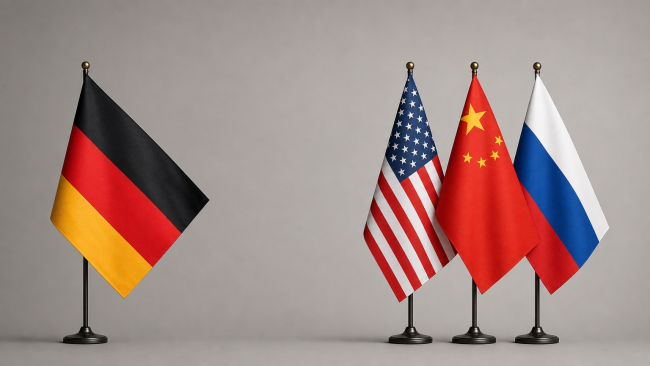
Germany in the Shadow of the United States, Russia, and China – Systemic Paradigm Shifts
Since reunification, Germany has built its prosperity on an international order based on free trade, multilateralism, and geopolitical stability. This model relied on three relationships considered complementary: U.S. military protection, Russian energy supplies, and economic integration with China. For several decades, Berlin viewed these interdependencies as factors contributing to peace, growth, and security.
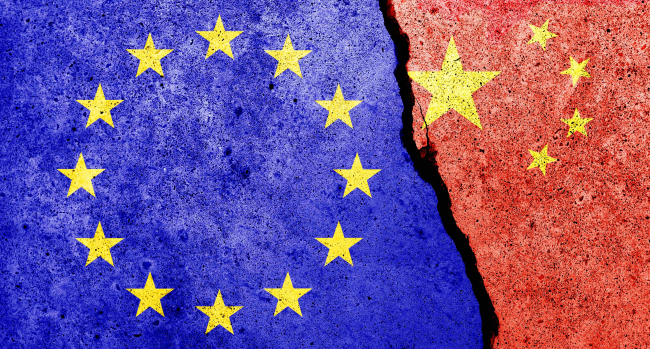
Fragmented Europe: Dealing with China as a technology and innovation power
How is Europe navigating China’s ascension as a technological power? The latest report by the European Think-tank Network on China (ETNC) provides a nuanced account of a converging, yet still fragmented approach across 22 countries.

China Plays Up Image of Reliable Partner as Foreign Monarchs Visit "The visit gives China a chance not only to reaffirm its closeness with the (Thai) Kingdom, but also to signal its continued regional relevance at a time when U.S. influence is visibly receding. It comes just two weeks after Trump's brief stop at the ASEAN Summit, where his visit's only visible outcome was his role in overseeing the signing of the short-lived peace declaration between Thailand and Cambodia. By contrast, China announced the deepening of its free-trade agreement with ASEAN" - Juliette Loesch.

quoted by Liz Lee in Reuters
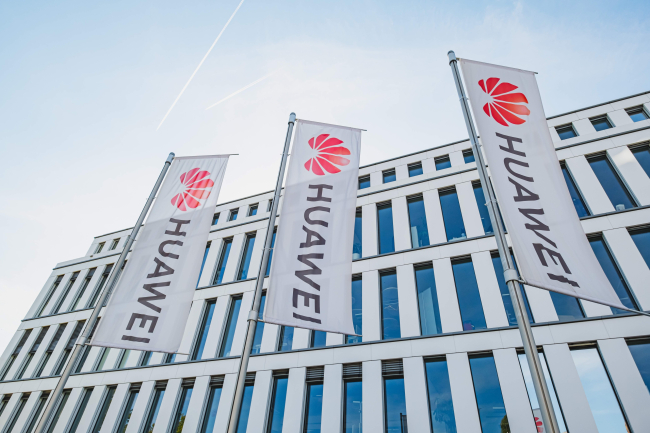
The “Huawei Saga” in Europe Revisited: German Lessons for the Rollout of 6G
While the European Union attempted to coordinate a collective response through its 5G Toolbox in Europe’s 5G infrastructure, member states diverged significantly in balancing political, economic, and technological considerations. Germany, despite its economic ties to China and status as Europe’s largest telecom market, only reached a tentative agreement in July 2024—one that appears largely symbolic.
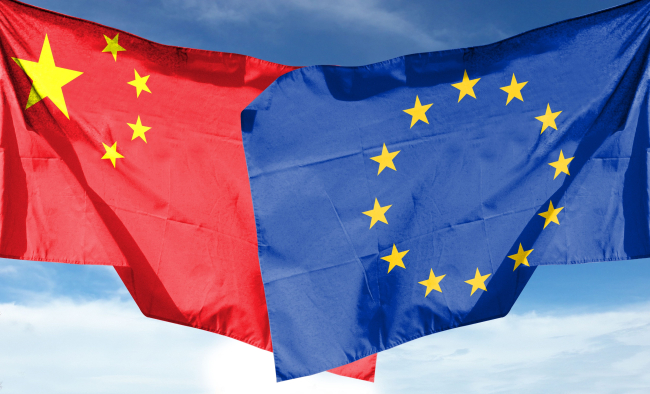
China-EU ties reach half century: 4 things to know
Will Trump 2.0 push the two combative sides to find common ground?
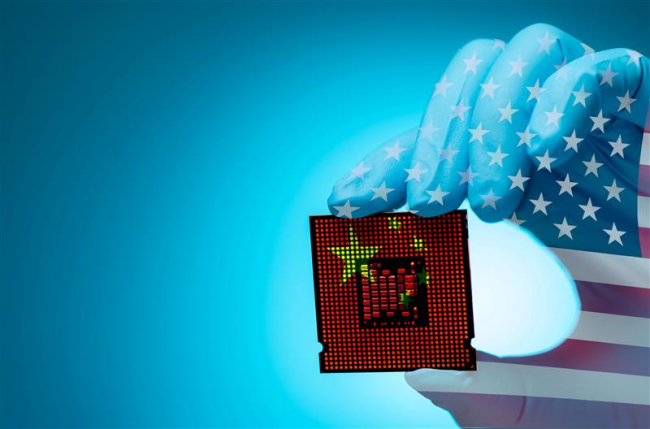
From nonproliferation to strategic competition: US export controls and China
Technological competition is at the heart of the renewed great-power competition that has characterized relations between the USA and China since the 2010s. The role of technological innovation in the evolution of power relations is already recognized in the literature of international relations. However, developments in US technology policy under the last two administrations raise the reverse question: how does the perception of changing power relations (in this case, Chinese technological catch-up perceived as a threat to US leadership) transform policies granting or denying access to technological innovation?


China seeks its own Apollo moment – and more
On April 25, a Long March 2F rocket briefly lit up the dark desert sky above Jiuquan Spaceport in northwest China, carrying three Shenzhou-18 astronauts to the Tiangong space station. Such missions, including crew handovers, have become remarkably routine for China.
European Union: A Geopolitical Illusion?
The European Union (EU) is holding firm in the face of the war in Ukraine—perhaps better than expected. But what long-term effects will the war have on European institutions and policies? The institutions will need to be changed to cope with the forthcoming expansions. The EU has certainly made progress toward common industrial and technological policies. But will this dynamic do away with a conception of strategic autonomy, encompassing both diplomacy and strategy? The European Union, which will undoubtedly be a key mover of future changes for the continent, remains largely uncertain in terms of its future configurations.
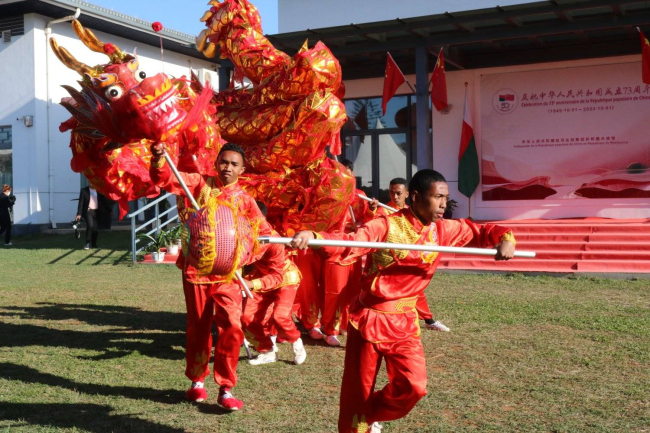
China in Madagascar: Between Quiet Politcal Oppurtunism and Intense Trafficking
In the context of growing regional rivalries between major powers in the Indian Ocean, the stakes of Sino-Malagasy relations are major.
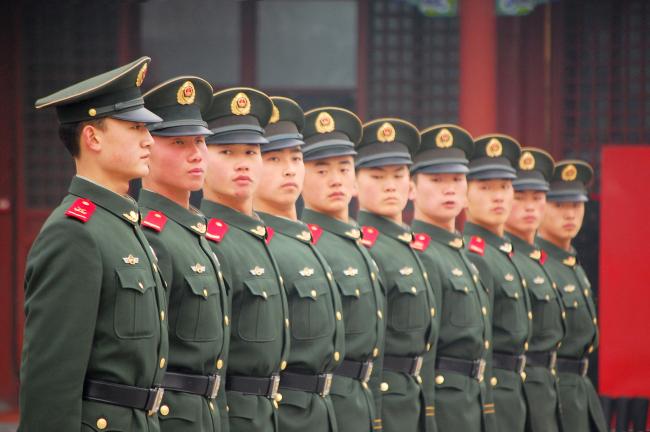
Modernizing the People's Liberation Army: The Human Factor
The tremendous demographic challenges facing China will not significantly affect the People’s Liberation Army (PLA) in the immediate future, but will become more problematic in the medium and long term. The rapid aging of the population and the resulting socio-economic imbalances will put pressure on defense budgets, military wages and the general attractiveness of the army. For the time being, the PLA’s primary goal in terms of human resources is to build a less oversized, more professional army, prepared for high-intensity combat.

Chinese Influences in Africa 2. Myths and Realities in Economic Relations
China and Africa share a strong relationship since the wave of African independences in the 1960s. Nevertheless, China-Africa trade has experienced an unprecedented surge since the late 1990s and has been accompanied by the rise of a discourse of "win-win" partnership between China and Africa.
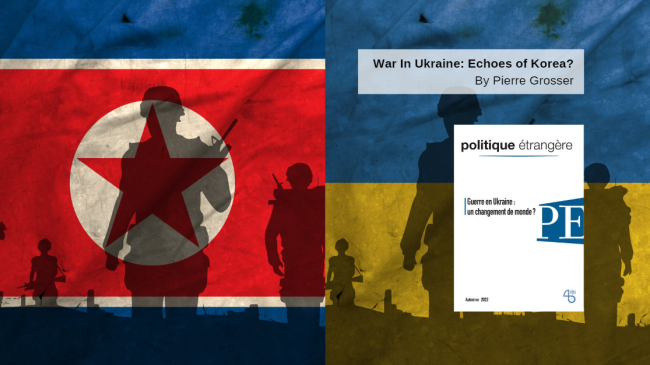
The War in Ukraine: Echoes of Korea?
The war in Ukraine has revived discussion about the Washington-Beijing-Moscow triangle as well as Europe’s place in the geopolitical power struggles.
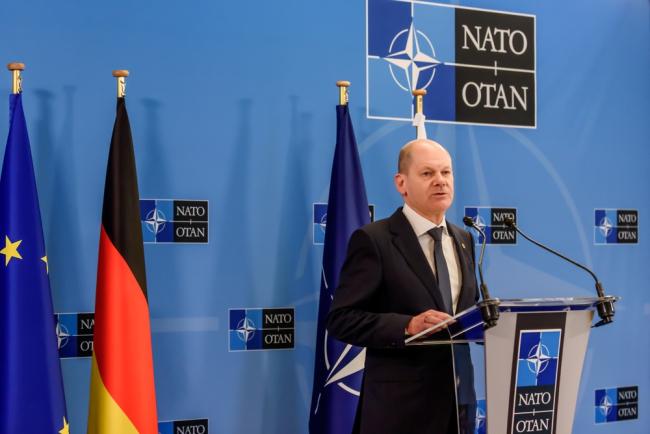
Germany, the “Zeitenwende” and the Future of NATO
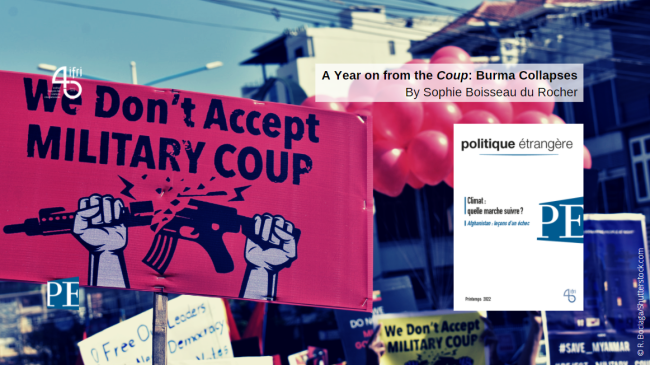
A Year on from the Coup: Burma Collapses
The February 2021 coup encountered a level of resistance that the military did not expect: demonstrations, boycotts, and a slide toward an armed resistance against repression from the authorities.

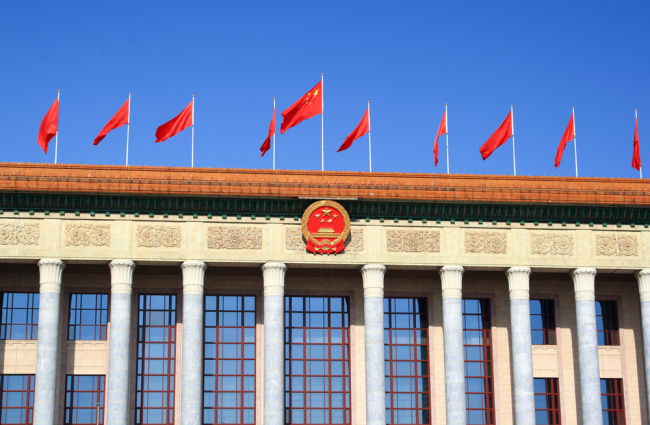
China sees at least one winner emerging from Ukraine war: China
Officials in Beijing believe it can take advantage of a distracted US and weakened Russia. The war in Ukraine is far from over, but a consensus is forming in Chinese policy circles that one country stands to emerge victorious from the turmoil: China.
China's Rising Trade Activism in ASEAN: Implications for the EU
As the world’s center of gravity has shifted to Asia, the European Union must also be present in the region. In particular, it must develop its relations with Asian countries that have long been neglected to the sole benefit of China -- namely India, but above all the countries of Southeast Asia, where China has invested heavily and will continue to gain influence.
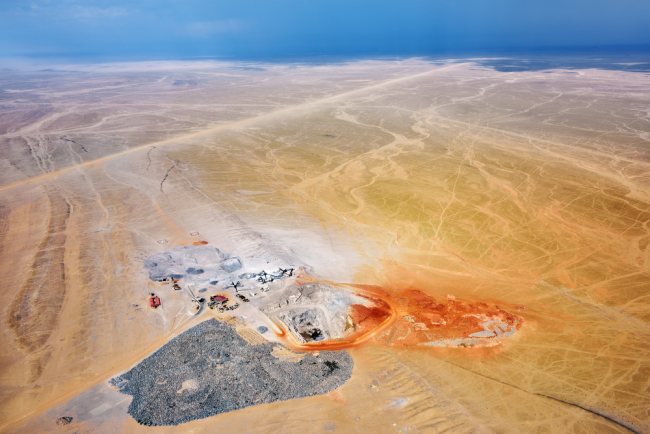
Uranium in Namibia: Yellowcake Fever
Mineral revenues are the driving force behind Namibia’s economic performance. Namibia is rich in mineral resources which include uranium, diamond, copper, gold, lead, lithium and zinc. However, these mineral riches are not always allocated and utilized in a transparent manner and seem to benefit disproportionately a small number of wealthy elites, many of them affiliated with the ruling party SWAPO.
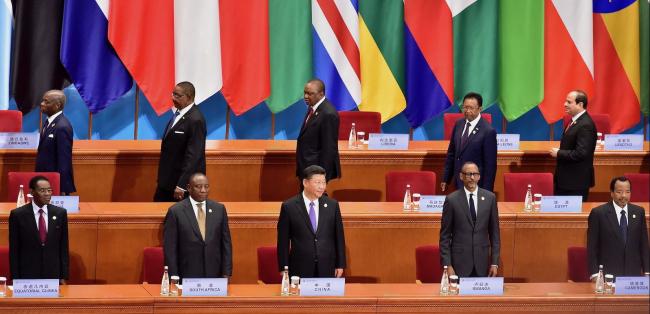
Chinese Influences in Africa. 1. The Political and Diplomatic Tools of the "Great Developing Country"
China and Africa have enjoyed a strong relationship since the wave of African independences in the 1960s. Nevertheless, relations between China and Africa have significantly expanded since the late 1990s and have been fueled by a growing discourse centered on a “win-win” partnership between China and Africa.
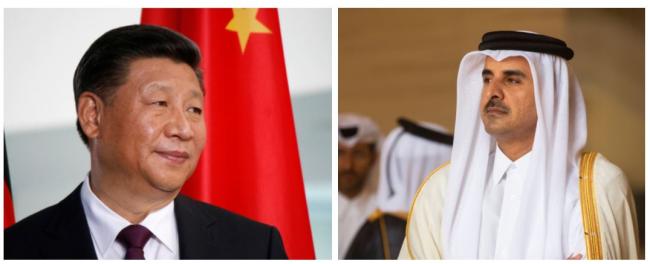
Qatar and the US-China Rivalry: The Dilemmas of a Gulf Monarchy
Like its neighbors in the Arabian Peninsula, Qatar finds itself increasingly confronted with a difficult dilemma: while its economy is looking to the East, more specifically towards China, the security and stability of the country still depend on the United States.
China and Trade in Critical Raw Materials (CRMs)
Critical raw materials (CRMs) have become central features of a new dynamic in global power politics, with China now wielding considerable leverage. Amid rising regional and global uncertainty, resource security is back in the spotlight as a key determinant of sovereignty and national security for Europe, its allies and its partners. The very survival of key, even vital industries, from automotive to aerospace to health to energy to defense, is at stake.
Germany in the Shadow of the United States, Russia, and China – Systemic Paradigm Shifts
Since reunification, Germany has built its prosperity on an international order based on free trade, multilateralism, and geopolitical stability. This model relied on three relationships considered complementary: U.S. military protection, Russian energy supplies, and economic integration with China. For several decades, Berlin viewed these interdependencies as factors contributing to peace, growth, and security.
Fragmented Europe: Dealing with China as a technology and innovation power
How is Europe navigating China’s ascension as a technological power? The latest report by the European Think-tank Network on China (ETNC) provides a nuanced account of a converging, yet still fragmented approach across 22 countries.
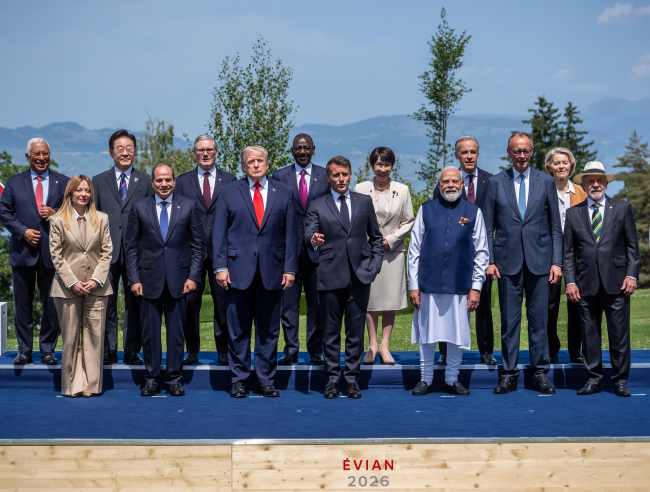
The G7 Leaders’ Summit in France: An Unexpected Success
Overall, it was a successful summit for President Macron. However, caution is warranted regarding the 2026 G7’s lasting legacy, as the unpredictability of the U.S. president could affect the durability of commitments made.
The “Huawei Saga” in Europe Revisited: German Lessons for the Rollout of 6G
While the European Union attempted to coordinate a collective response through its 5G Toolbox in Europe’s 5G infrastructure, member states diverged significantly in balancing political, economic, and technological considerations. Germany, despite its economic ties to China and status as Europe’s largest telecom market, only reached a tentative agreement in July 2024—one that appears largely symbolic.
From nonproliferation to strategic competition: US export controls and China
Technological competition is at the heart of the renewed great-power competition that has characterized relations between the USA and China since the 2010s. The role of technological innovation in the evolution of power relations is already recognized in the literature of international relations. However, developments in US technology policy under the last two administrations raise the reverse question: how does the perception of changing power relations (in this case, Chinese technological catch-up perceived as a threat to US leadership) transform policies granting or denying access to technological innovation?
China-EU ties reach half century: 4 things to know
Will Trump 2.0 push the two combative sides to find common ground?
China seeks its own Apollo moment – and more
On April 25, a Long March 2F rocket briefly lit up the dark desert sky above Jiuquan Spaceport in northwest China, carrying three Shenzhou-18 astronauts to the Tiangong space station. Such missions, including crew handovers, have become remarkably routine for China.
China sees at least one winner emerging from Ukraine war: China
Officials in Beijing believe it can take advantage of a distracted US and weakened Russia. The war in Ukraine is far from over, but a consensus is forming in Chinese policy circles that one country stands to emerge victorious from the turmoil: China.

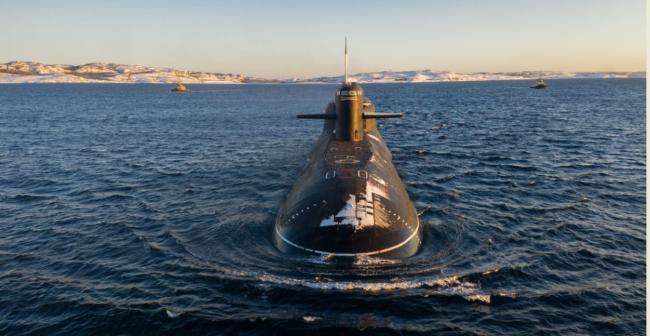
China Bristles as EU Turns Its Attention Toward Indo-Pacific
Recent months have seen the United States and its allies step up their assertiveness toward China, with support voiced for Taiwan, a new deal to provide Australia with nuclear submarines and a new European strategy for increased presence in the Indo-Pacific, according to the Associated Press.

China wants its diplomats to show more fighting spirit. It may not be intended to win over the rest of the world
The rise of the so-called ‘wolf warriors’ heralds a more aggressive approach to promoting the country’s official line. Analysts warn this is likely to harm the country’s image even if their careers benefit as a result.

China, Russia rise in CAR as Western influence shrinks
Russia and China are muscling their way into the Central African Republic as Western clout in the mineral-rich, strategically important nation seems to wane, analysts say.

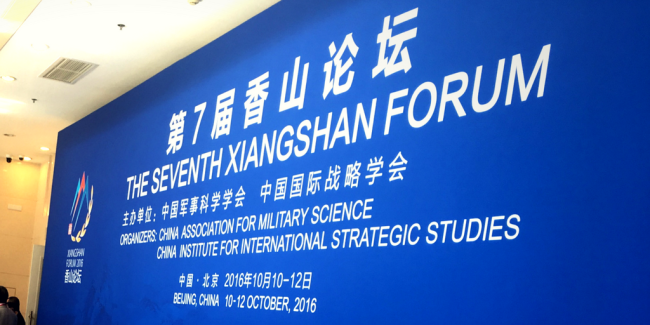
At the 2016 Xiangshan Forum, China Outlines a Vision for Regional Security Governance
Beijing has a plan for a new regional security architecture, and it’s not based around alliances.

China Gets French Wine in Exchange for Chemicals on First Run by ‘New Silk Road’ Train
The first freight train from Wuhan, in China, to Lyon, in France, reached its destination Thursday, carrying a cargo of mechanical, electrical, and chemical products — goods that are generally transported between the two countries by ship.
Ifri, a foundation recognized as being of public utility, relies largely on private donors – companies and individuals – to guarantee its sustainability and intellectual independence. Through their funding, donors help maintain the Institute's position among the world's leading think tanks. By benefiting from an internationally recognized network and expertise, donors refine their understanding of geopolitical risk and its consequences on global politics and the economy. In 2026, Ifri partners with over 90 French and international companies and organizations.


China Plays Up Image of Reliable Partner as Foreign Monarchs Visit "The visit gives China a chance not only to reaffirm its closeness with the (Thai) Kingdom, but also to signal its continued regional relevance at a time when U.S. influence is visibly receding. It comes just two weeks after Trump's brief stop at the ASEAN Summit, where his visit's only visible outcome was his role in overseeing the signing of the short-lived peace declaration between Thailand and Cambodia. By contrast, China announced the deepening of its free-trade agreement with ASEAN" - Juliette Loesch.
quoted by Liz Lee in Reuters
The European Think-tank Network on China (ETNC) is a gathering of China experts from a selection of European research institutes. It is devoted to the policy-oriented study of Chinese foreign policy and relations between China and European countries as well as China and the EU. It facilitates regular exchanges among participating researchers with a view to deepening the understanding within the European policy and research community and the broader public of how Europe, as a complex set of actors, relates with China and how China’s development and evolving global role is likely to impact the future of Europe. The network’s discussions and analyses take a decidedly ‘bottom-up’ approach, accounting for the various aspects of bilateral relations between European countries and China, and the points of convergence and divergence among EU member states in order to examine EU-China relations in a realistic and comprehensive way. The views presented in ETNC reports are the sole responsibility of the signed authors and do not in any way represent the views of all members of the ETNC, its participating institutions, nor the institutions with which the authors are affiliated.