



Fragmented Europe: Dealing with China as a technology and innovation power
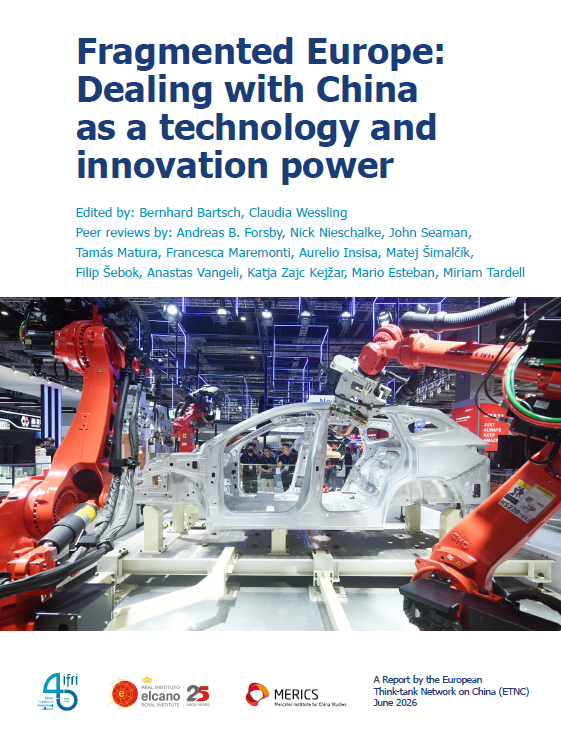
How is Europe navigating China’s ascension as a technological power? The latest report by the European Think-tank Network on China (ETNC) provides a nuanced account of a converging, yet still fragmented approach across 22 countries.
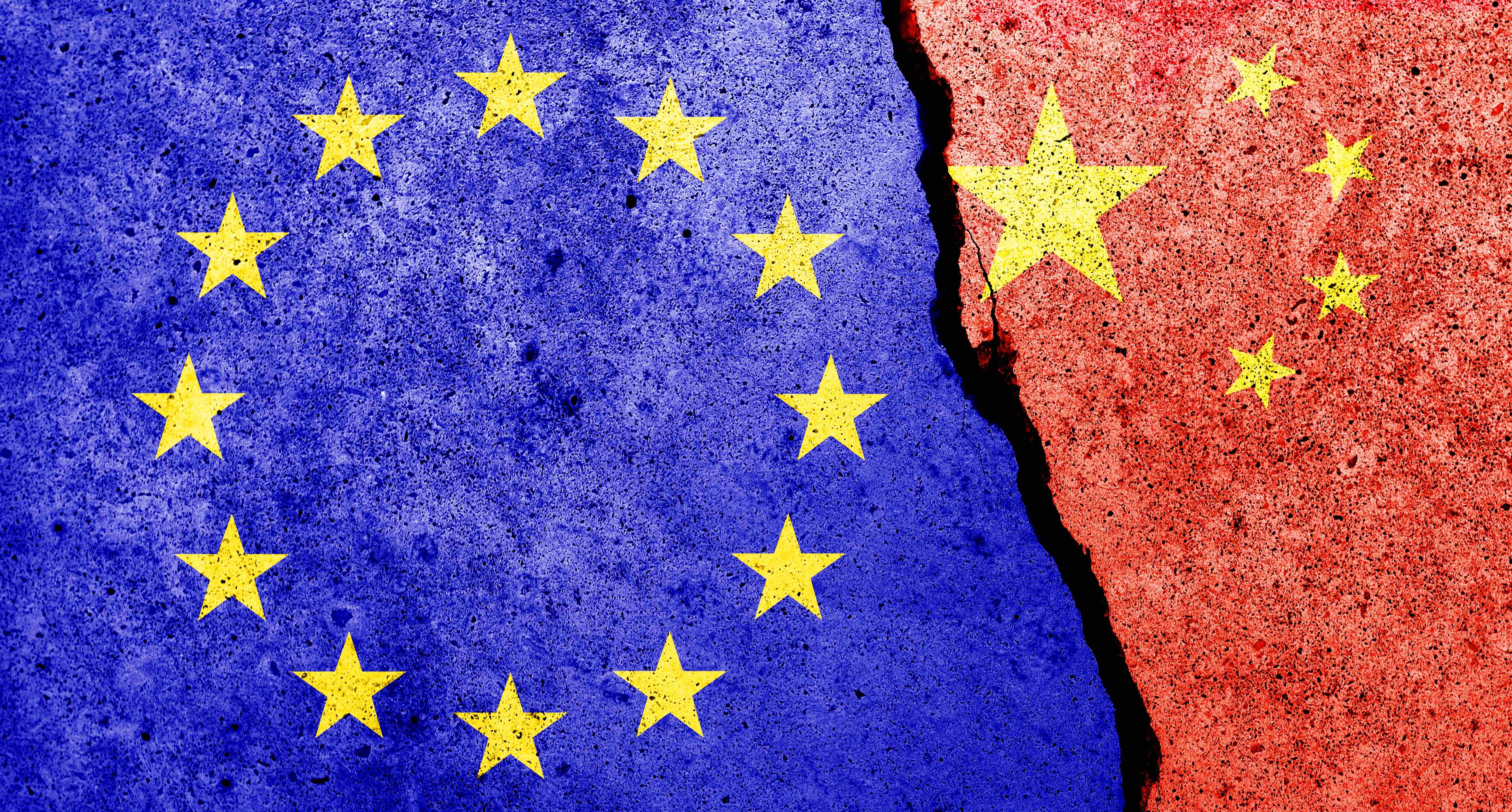
China has emerged as a formidable force in global science, technology and innovation — surpassing the United States in research and development (R&D) spending in 2024 and now leading in great number of key emerging technology research areas. The 15th Five-Year Plan (FYP), published at the National Peoples' Congress in March 2026, outlines bold strategies and steps in the pursuit of continual industrial upgrading and high-tech leadership, marking a significant intensification of China's challenge to Europe's technological competitiveness in the coming years.
Indeed, China's drive for global leadership has huge implications for the EU and its member states. On the one hand, China is becoming a strong competitor in industrial high-tech sectors and innovative science that used to be the stronghold of European actors. Critical dependencies have become acute and are both broadening and deepening. Advanced digital technologies made in China also increasingly pose risks to infrastructures in Europe. On the other hand, China offers itself as a resourceful counterpart for collaboration in R&D and keeps attracting European scientists and businesses alike.
In recent years, the EU's approach to China in science and technology has shifted from unconditional openness to a logic of 'de-risking', focusing on economic and research security. However, when it comes to the details of implementation, alignment among EU capitals is still lacking.
This ETNC report analyses how Europe is affected by China's rise to a technological power and its increasing clout in shaping and creating innovation. By covering the cases of 22 European countries, the report provides a nuanced picture of how these states interact with China in the field of innovative technologies and identifies commonalities and differences. As the analyses show, engagement with China as a technological power differs but each country is exposed one way or another. For some, exposure to Chinese tech is focused on consumer products; for others, it is an integral part of industrial value chains or infrastructures. There are also significant differences in public debates – from virtually no discussions to lively debates about the delicate balance between nuanced collaboration and targeted de-risking on tech and innovation.
In exploring how each country engages with and responds to China as a technological and innovation power, each author provides a similar analytical structure:
- Analyzing recent trends in science and technology collaboration with China in their respective countries
- Highlighting focus areas where interaction with China is most relevant
- Discussing relevant national policy adjustments related to tech cooperation with China
- Providing an outlook on how the future relationship with China may play out in the coming years.
France: Weighing technological sovereignty and competitiveness with China
Ifri Center for Asian Studies' John Seaman explains that, for France, the objective of ensuring national and European sovereignty and competitiveness is now structuring relations with China in the technology and innovation space. While China's capacity for technological innovation has become undeniable, the perception of risk in France is increasingly palpable. Paris is looking to boost European competence in fields that touch on sovereignty and security, such as AI or quantum applications, digital infrastructure or strategic supply chains. This naturally limits the scope of engagement with China (as well as with the United States).
Elsewhere, particularly in technologies related to the green transition, where France emphasizes competitiveness, the government seeks to increasingly condition partnerships and investment on technology transfer from China. Whether Beijing is willing to deliver on such transfers of technology and knowhow remains to be seen, however, as China’s own ambitions for technological leadership coupled with recent regulations to further control outbound investments suggest the contrary.
>> Discover this and all ETNC reports on the network's website: https://etnc.info/

Available in:
Themes and regions
Share
This page contains only a summary of our work. If you would like to have access to all the information from our research on the subject, you can download the full version in PDF format.
Fragmented Europe: Dealing with China as a technology and innovation power



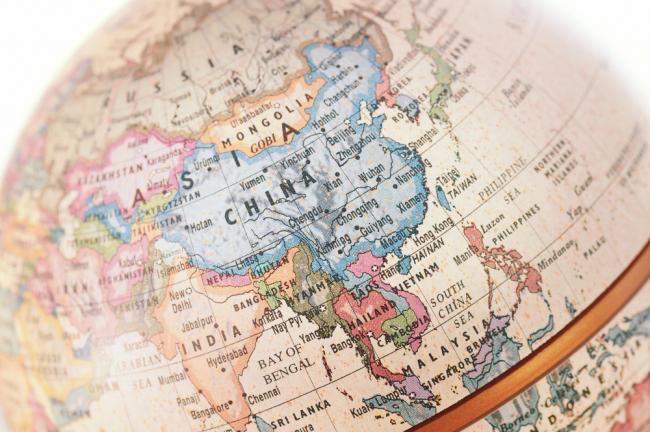
Center for Asian Studies
Asia is a nerve center for multiple global economic, political and security challenges. The Center for Asian Studies provides documented expertise and a platform for discussion on Asian issues to accompany decision makers and explain and contextualize developments in the region for the sake of a larger public dialogue.
The Center's research is organized along two major axes: relations between Asia's major powers and the rest of the world; and internal economic and social dynamics of Asian countries. The Center's research focuses primarily on China, Japan, India, Taiwan and the Indo-Pacific, but also covers Southeast Asia, the Korean peninsula and the Pacific Islands.
The Centre for Asian Studies maintains close institutional links with counterpart research institutes in Europe and Asia, and its researchers regularly carry out fieldwork in the region.
The Center organizes closed-door roundtables, expert-level seminars and a number of public events, including an Annual Conference, that welcome experts from Asia, Europe and the United States. The work of Center’s researchers, as well as that of their partners, is regularly published in the Center’s electronic journal Asie.Visions.
European Think-tank Network on China (ETNC)
The European Think-tank Network on China (ETNC) is a gathering of China experts from a selection of European research institutes. It is devoted to the policy-oriented study of Chinese foreign policy and relations between China and European countries as well as China and the EU. It facilitates regular exchanges among participating researchers with a view to deepening the understanding within the European policy and research community and the broader public of how Europe, as a complex set of actors, relates with China and how China’s development and evolving global role is likely to impact the future of Europe. The network’s discussions and analyses take a decidedly ‘bottom-up’ approach, accounting for the various aspects of bilateral relations between European countries and China, and the points of convergence and divergence among EU member states in order to examine EU-China relations in a realistic and comprehensive way. The views presented in ETNC reports are the sole responsibility of the signed authors and do not in any way represent the views of all members of the ETNC, its participating institutions, nor the institutions with which the authors are affiliated.
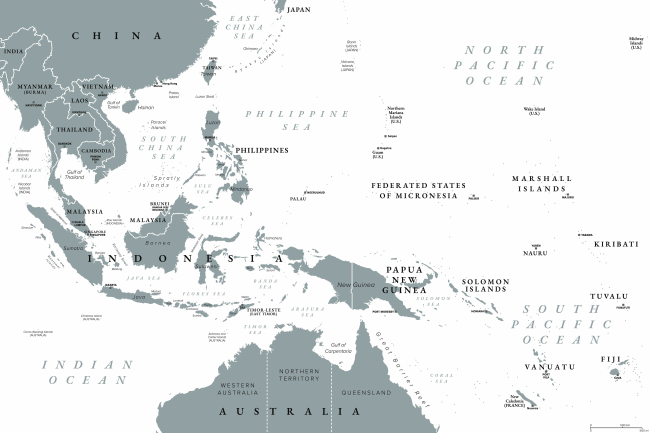
The Oceania Factor in France’s Evolving Indo-Pacific Strategy
This paper examines the two-way relationship between France’s Indo-Pacific strategy and developments in Oceania. Oceania was not a priority in the initial years of France’s Indo-Pacific strategy, as the region was largely treated as secondary to major strategic hotspots and key partnerships, while overseas territories were primarily handled as domestic issues and recipients of a top-down strategy.

France’s View: From Diplomacy to Public-Private Action
France has emerged as the EU’s IMEC forerunner, combining port infrastructure, diplomatic alliances and public-private cooperation. With Marseille Fos at its core, the country brings a strategic hub for logistics, energy and digital connectivity to the corridor.
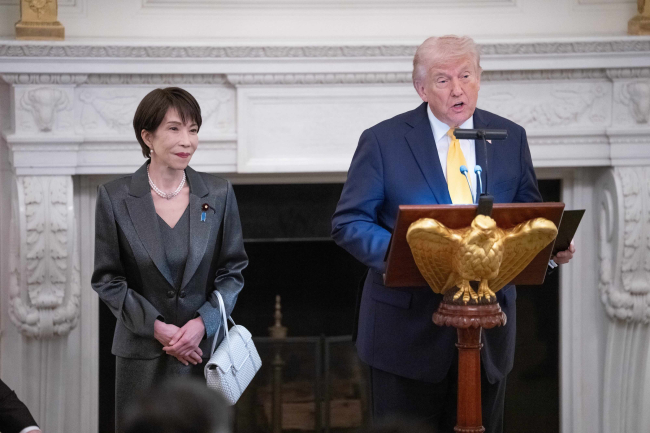
Trump II, the Crisis of the Rules-Based Order and Europe’s Indo-Pacific Strategy
This article examines the implications of Trump II for Europe’s engagement in the Indo-Pacific. The piece contends that Trump II is accelerating the erosion of the rules-based order and undermining the relevance of the Free and Open Indo-Pacific (FOIP) concept, while forcing Europe to refocus on its own continental security amid US retrenchment. Paradoxically, these very constraints create conditions for a more autonomous, pragmatic, and explicitly interest-driven European engagement in the Indo-Pacific, rather than outright withdrawal.
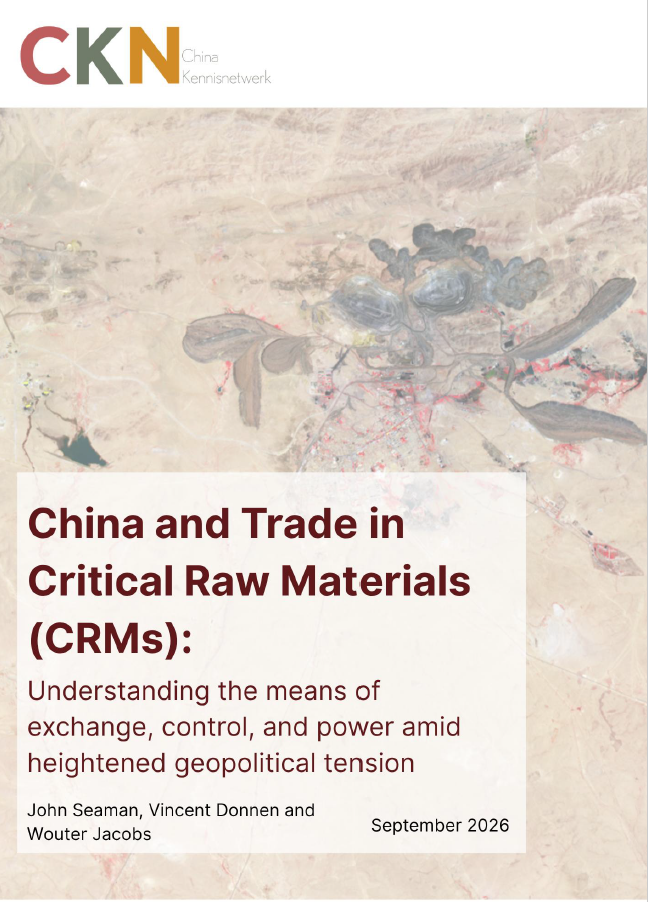
China and Trade in Critical Raw Materials (CRMs)
Critical raw materials (CRMs) have become central features of a new dynamic in global power politics, with China now wielding considerable leverage. Amid rising regional and global uncertainty, resource security is back in the spotlight as a key determinant of sovereignty and national security for Europe, its allies and its partners. The very survival of key, even vital industries, from automotive to aerospace to health to energy to defense, is at stake.