



Europe
Europe is described here in a geographical sense. It is not limited to the European Union, and includes, for example, the United Kingdom and the Balkans. It remains central to international relations.
Related Subjects
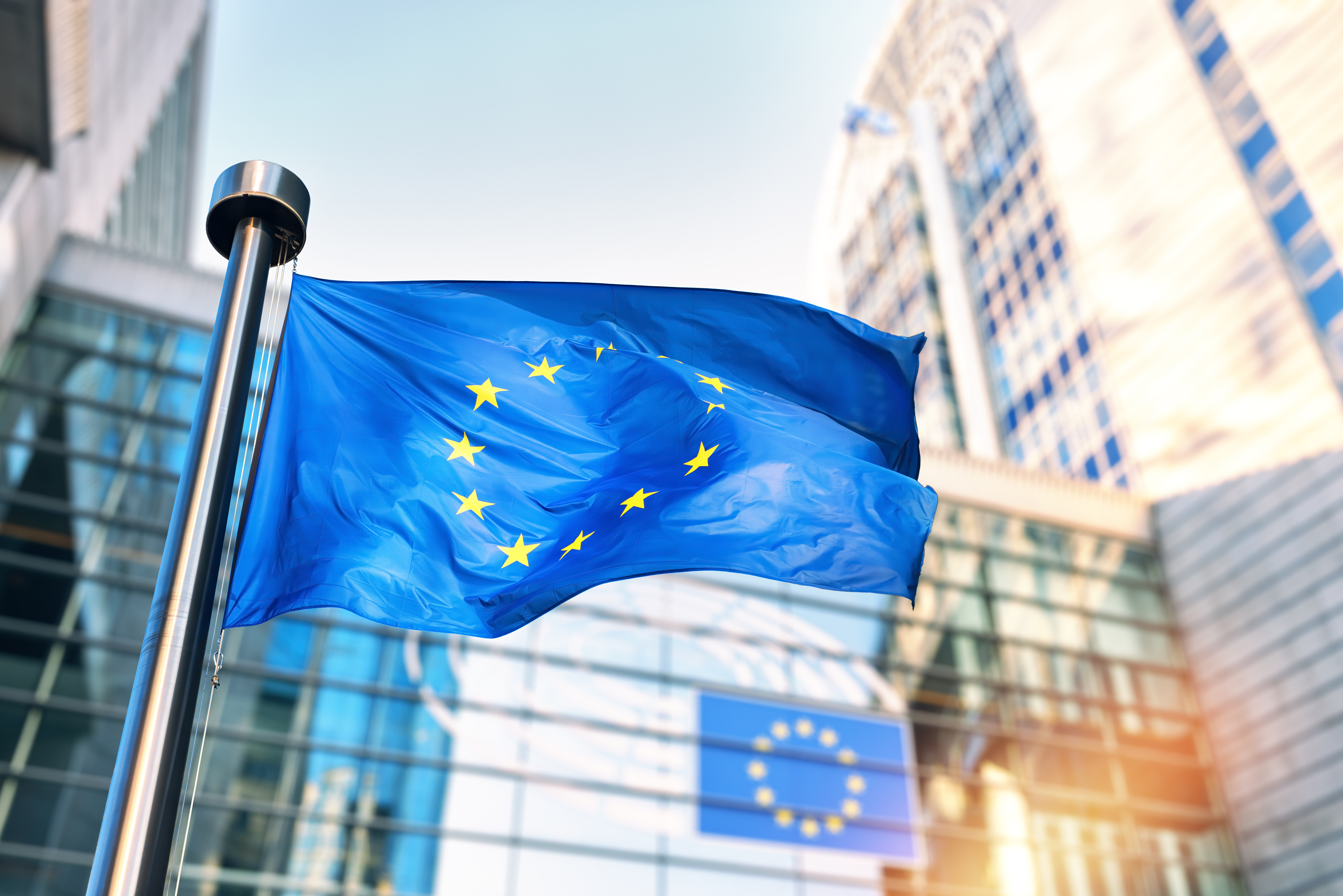
Opening up the G7 to South Korea to Address Contemporary Global Challenges
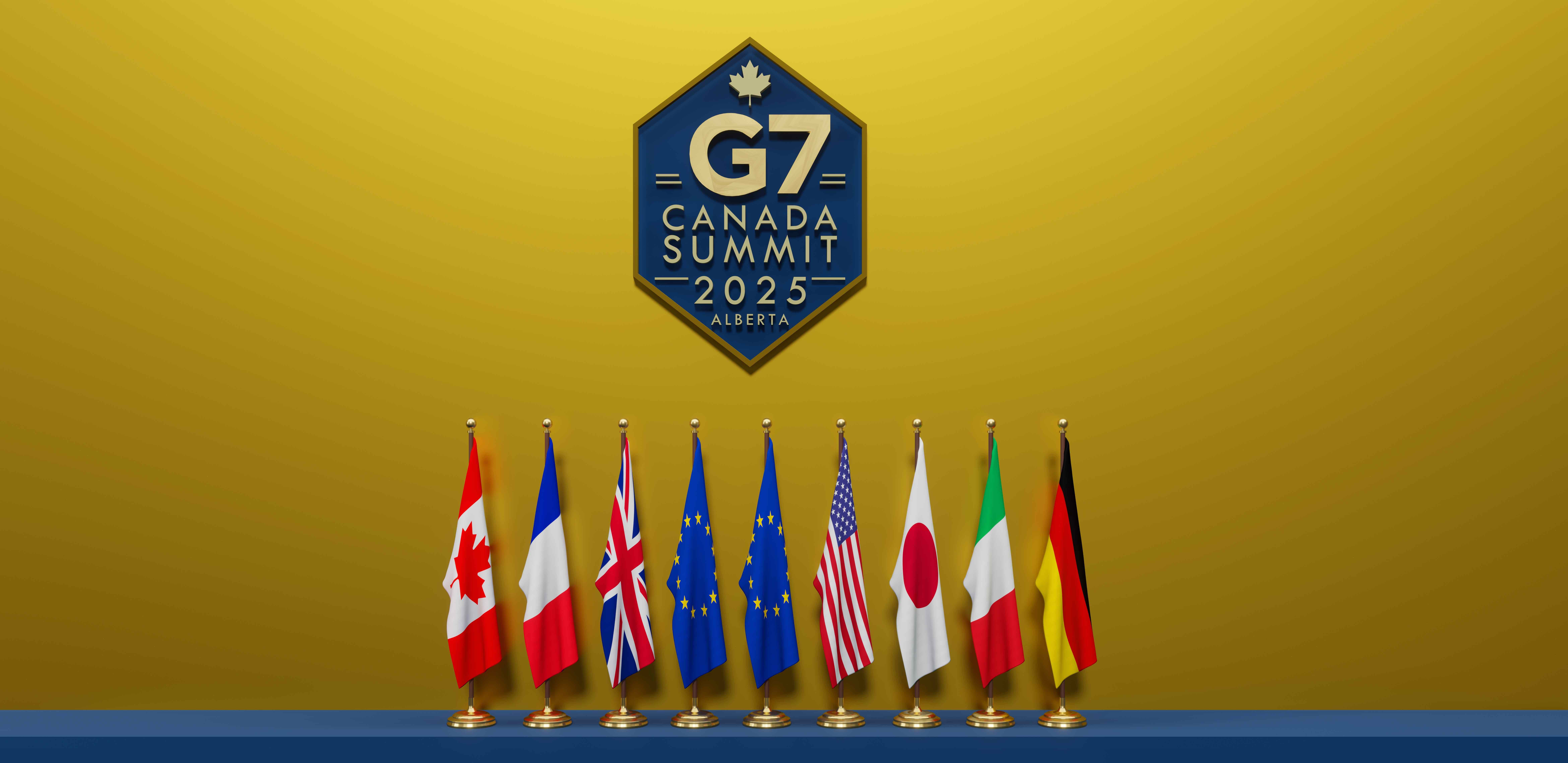
The G7’s global influence has diminished as powers like China reshape international governance through initiatives such as BRICS and the Shanghai Cooperation Organisation (SCO). With the G7 now representing just 10 per cent of the world’s population and 28 per cent of global GDP, its relevance is increasingly questioned.

European Space Programs and the Digital Challenge
The exploration of space and the use of digital tools and systems have in common to be quite recent in human history but to have changed the world, society and economy by connecting people and things, breaking down borders, and redistributing knowledge, power and control.
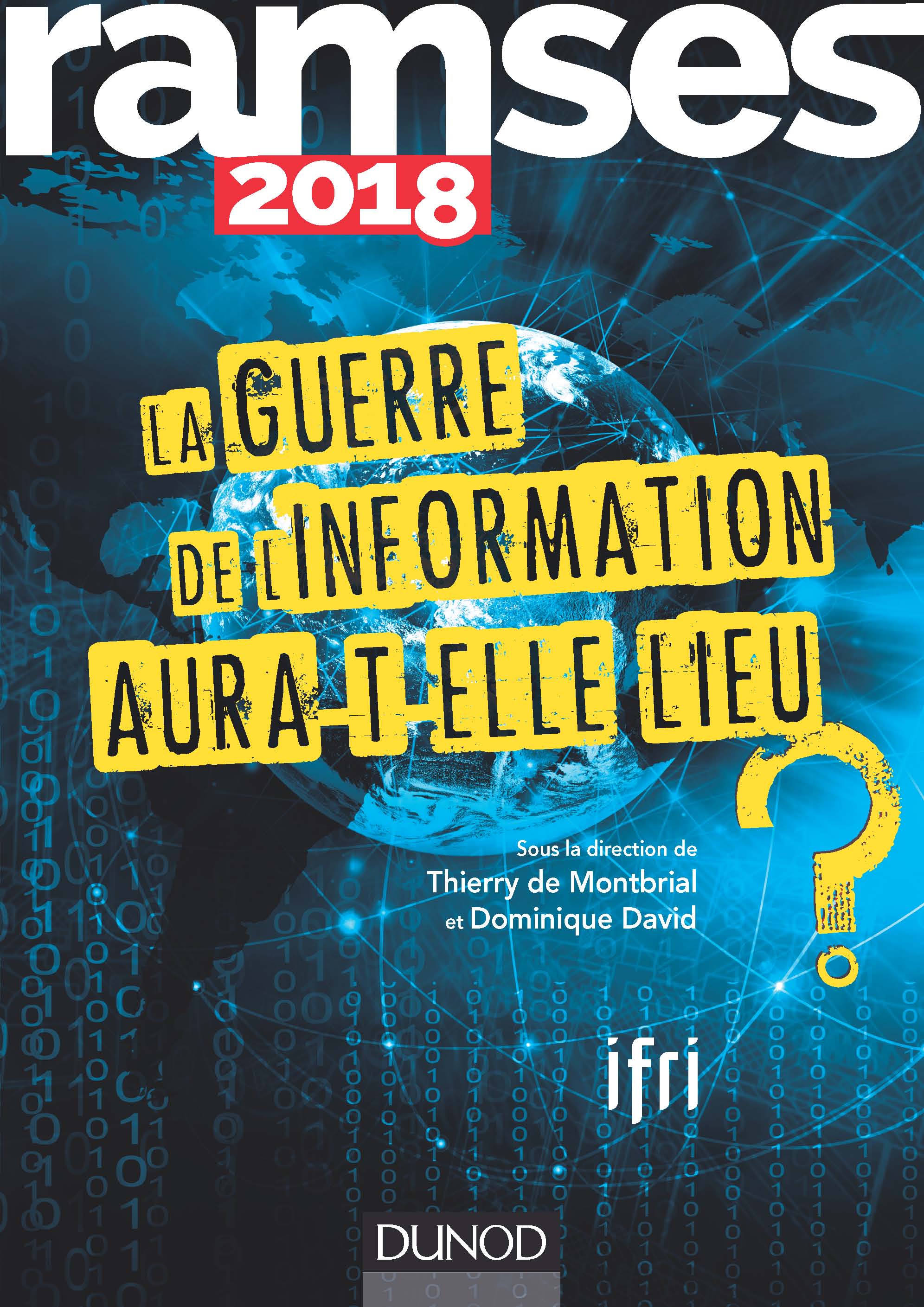
RAMSES 2018. Will the Information War Take Place?
RAMSES 2018. Will the Information War Take Place?, written by Ifri's research team and external experts, offers an in-depth and up-to-date analysis of global geopolitics.

The Future of British Defense Policy
As the prospect of the United Kingdom leaving the European Union raises increasing challenges to its international position, as well as major divisions at home, the future of British defense policy seems more uncertain than ever.

Europe in the Global Race for Electrical batteries
This study weighs up the different strategic approaches that Europe may adopt in the industrial race for electrical batteries, taking into account the demand potential for e-mobility and stationary storage, the global competitive landscape and the policy support for local players in Asia and the U.S.
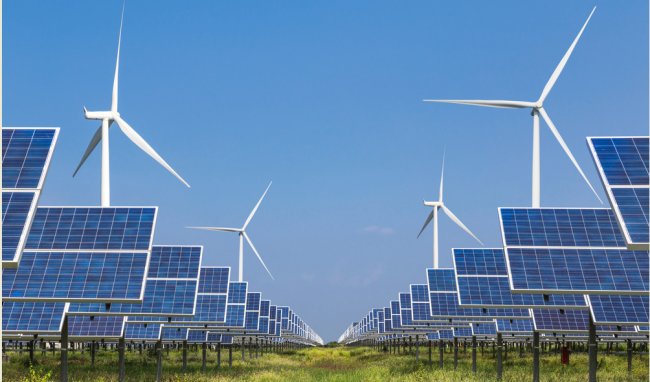
The Landscape of Renewable Energy Sources in Europe in 2030
The study analyses the European rules designed to promote renewable energy, highlighting their innovations and the difficulties they will raise. The study highlights the consequences of some of the measures envisaged and pays particular attention to the electricity market.
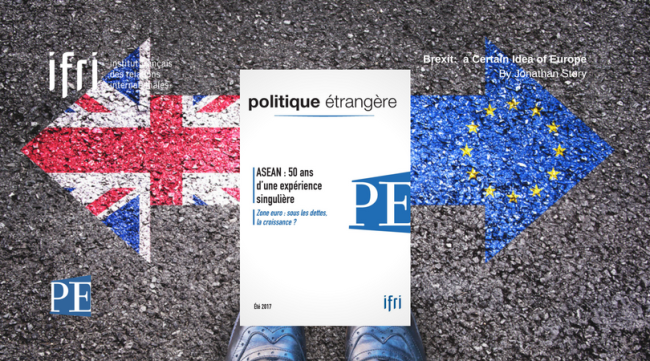
Brexit: a Certain Idea of Europe
The reasons for the result of the UK’s June 2016 referendum reveal nothing we didn’t already know. They have to do with the development of British society and political debates particular to the UK.
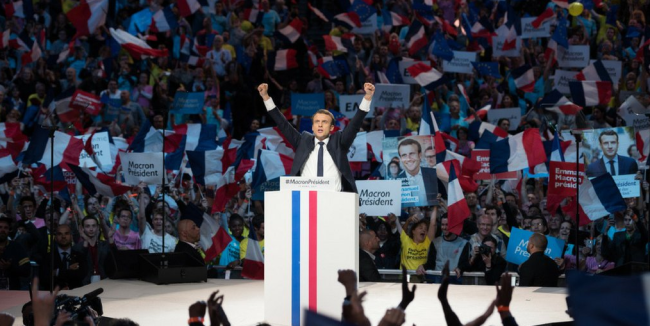
Meeting Macron in the Middle. How France and Germany Can Revive the EU
Macron's presidency offers a rare chance to revive the French-German relationship just when Europe needs it most.
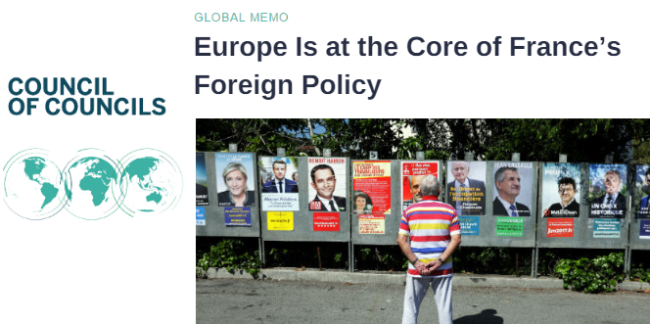
Europe Is at the Core of France’s Foreign Policy
It remains difficult to predict who will be the eventual winner of France’s upcoming presidential elections, with the first round to take place April 23 and a runoff between the top two candidates set for May 7.
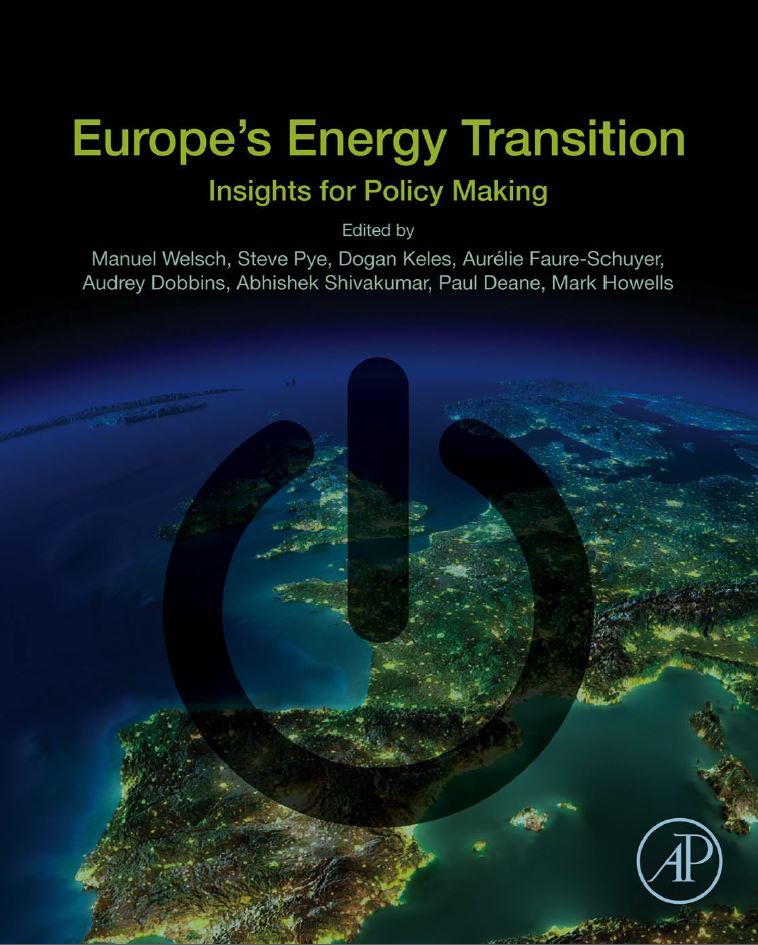
Europe's Energy Transition - Insights for Policy Making
This book was authored by the Insight_e European consortium, in which the Ifri Center for Energy was involved between 2014 and 2017. It is based on the key research projects carried out over the last three years on the Energy Union, greenhouse gas emissions reduction policies, security of gas and electricity supplies and the societal dimensions of the energy transition.
With Trump, Time to Reinvent the European Trade Policy
The new American administration’s protectionist tendencies need to be taken seriously.
EU Integration: Present Challenges and Prospects. Any Lesson for Latin America?
Space Observation for the Environment: Europe's Ambitions after the Washington Summit

Unemployment in East Asia and Europe: Report of the Council for Asia-Europe Cooperation (CAEC)
The Future of Deterrent Capability for Medium-Sized Western Powers in the New Environment
Support independent French research
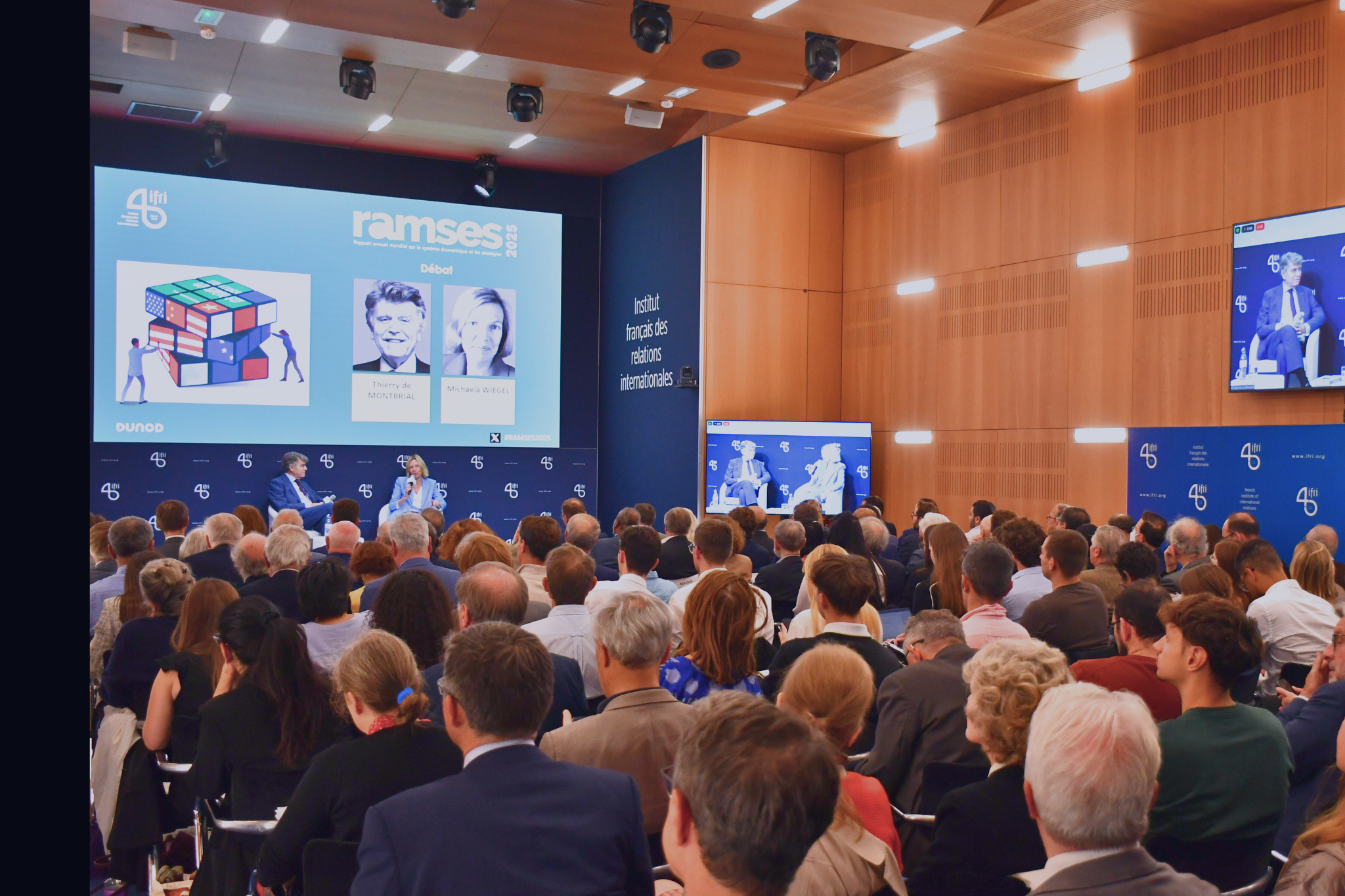
Ifri, a foundation recognized as being of public utility, relies largely on private donors – companies and individuals – to guarantee its sustainability and intellectual independence. Through their funding, donors help maintain the Institute's position among the world's leading think tanks. By benefiting from an internationally recognized network and expertise, donors refine their understanding of geopolitical risk and its consequences on global politics and the economy. In 2025, Ifri supports more than 80 French and foreign companies and organizations.
Related centers and programs
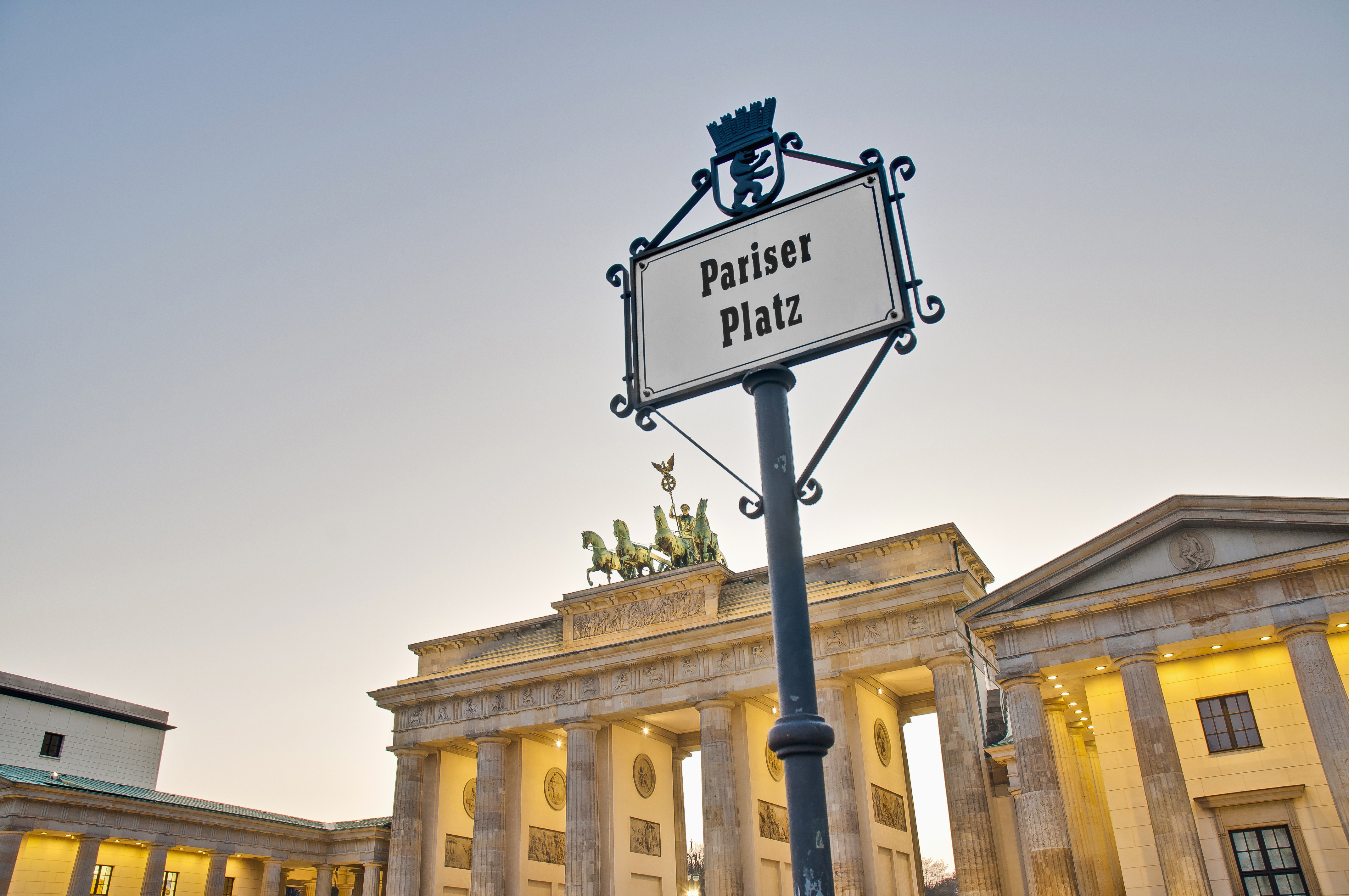
The Study Committee on Franco-German Relations (Cerfa)
The Study Committee on Franco-German Relations (Cerfa) was created in 1954 by an inter-governmental agreement between the Federal Republic of Germany and France, in order to raise awareness of Germany in France and analyze Franco-German relations, including in their European and international dimensions. In its conferences and seminars, which bring together experts, political leaders, senior decision-makers and representatives of civil society from both countries, Cerfa develops the Franco-German debate and stimulates political proposals. It regularly publishes studies through two collections: Cerfa notes and studies as well as Franco-German visions.
Cerfa maintains close relations with the network of German foundations and think tanks. In addition to its research and debate activities, Cerfa promotes the emergence of a new Franco-German generation through original cooperation programs. This is how in 2021-2022, Cerfa led a program on multilateralism with the Konrad Adenauer Foundation in Paris. This program is aimed at young professionals from both countries interested in the issues of multilateralism in the context of their activities. It covered a wide range of themes relating to multilateralism, such as international trade, health, human rights and migration, non-proliferation and disarmament. Previously, Cerfa had participated in the Franco-German future dialogue, co-led with the DGAP from 2007 to 2020, and supported by the Robert Bosch Foundation and the Daniel Vernet group (formerly the Franco-German Reflection Group) which was founded in 2014 upon the initiative of the Genshagen Foundation.
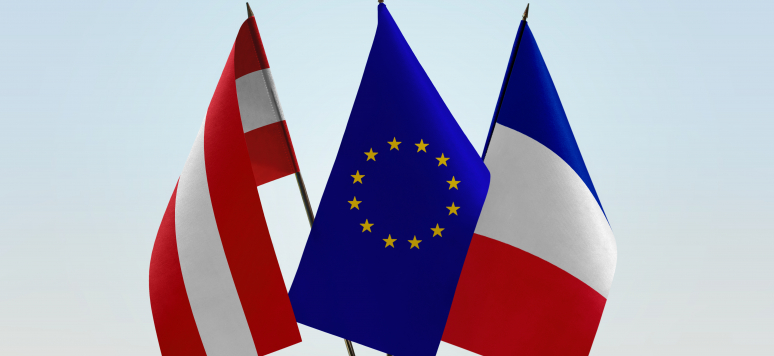
Austro-French Centre for Rapprochement in Europe (ÖFZ)
The Austro-French Centre for Rapprochement in Europe (ÖFZ/CFA) is a Franco-Austrian intergovernmental organization, initiated in 1976 by Prime Minister Jacques Chirac and Federal Chancellor Bruno Kreisky, in order to develop economic relations between Western and Eastern Europe, contributing to the creation of a Europe of peace.
After the fall of the Berlin Wall, the ÖFZ/CFA refocused its action on the problems following the enlargement of the European Union, and integrated the following countries in its field of activities : Hungary, Poland, Czech Republic, Slovak Republic, Slovenia, the Baltic countries, Romania and Bulgaria. ÖFZ/CFA's vocation, as a space for reflection and exchange, is in fact reinforced by the need to support the new member countries of the Union in their integration process. Since 2004, the ÖFZ/CFA has also turned towards the Union's new neighbors, in particular towards the countries of the Western Balkans, which perceive their future from a European perspective.
The ÖFZ/CFA strives to place all of its exchanges in a global perspective concerning the future of our continent. Today it centers its activities around three directions: the Franco-Austrian bilateral dialogue, the future of the European Union, the future recomposition of the continent.
Reports of all events organized by the ÖFZ/CFA are available on its website (http://oefz.at). The ÖFZ/CFA's budget is provided by the French and Austrian foreign ministries. Depending on the themes addressed, the ÖFZ/CFA calls on European public and private institutions to help finance its meetings. The CFA's orientations benefit from the recommendations of an Orientation Council, approved by a Board of Directors, which elects from among its members a president and a secretary general.