

Ukraine
Ukraine is the main target of Russian expansionism. The stakes are high for Kyiv: a long and bloody war, reconstruction, further democratic reforms and European integration.
Related Subjects

Russian Military Manpower After Two and a Half Years of War in Ukraine
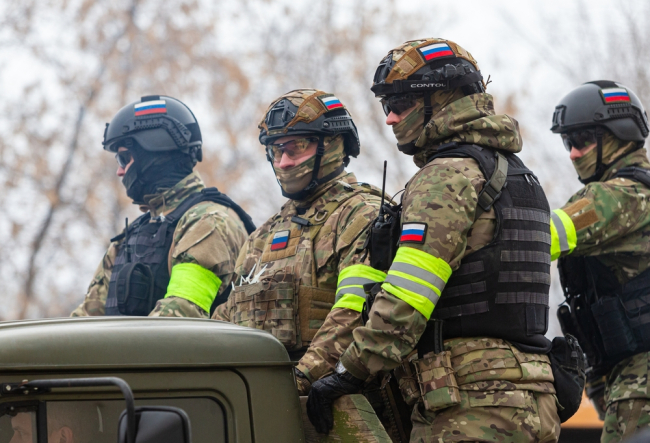
In addition to a military victory in Ukraine, the Russian leadership is planning to build up sizable troop formations for a possible conflict with NATO in the Baltic region and the Kola Peninsula. In particular, current plans aim for the military manpower to grow by about 350,000, reaching a total of 1.5 million soldiers and commanders. In the context of the current conflict in Ukraine, this cannot be accomplished without a new wave of mass mobilization.
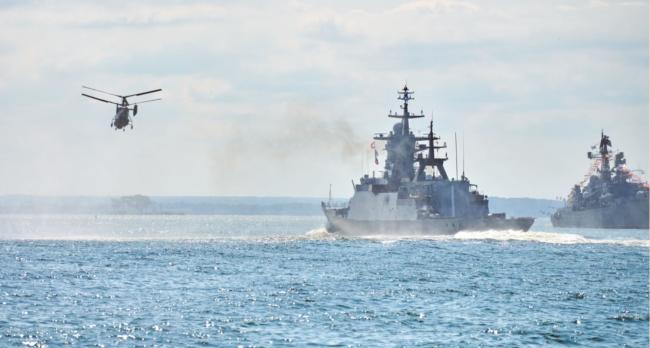
Russia’s New Challenges in the Baltic/Northern European Theater
The long war in Ukraine has brought a drastic geopolitical reconfiguration of the Baltic theater and a deep shift in the military balance between Russia and the North Atlantic Treaty Organization (NATO).
German Defense Policy: A Historic Turning Point?
The war in Ukraine has been a rude awakening for Berlin.
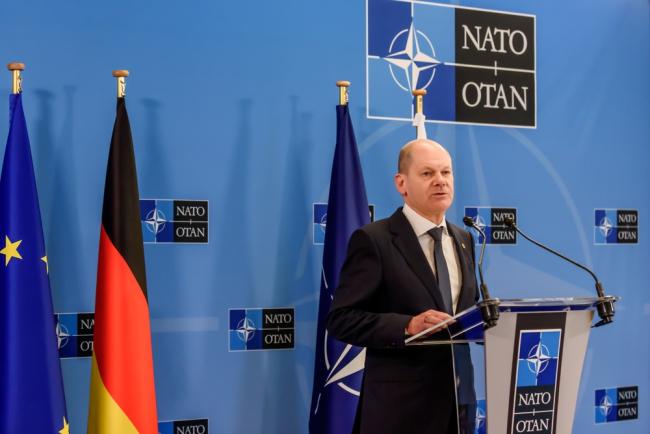
Germany, the “Zeitenwende” and the Future of NATO
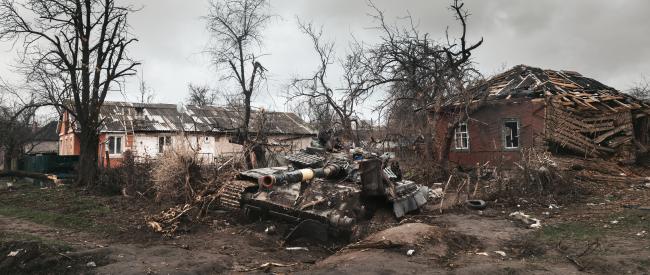
The Return of High-Intensity Conflict in Ukraine: Lessons for Land Forces
After twenty years of counter-terrorism, the Ukrainian battlefield marks the renewal of so-called “high-intensity” warfare. It constitutes a major strategic turning point, reversing the contemporary model of wars involving the West.
War in Ukraine: Schumpeter in Sovietland ?
On 24 February 2022, Russia invaded Ukraine. Moscow’s initial plan was to use a “shock and awe” approach to conquer Kyiv quickly.
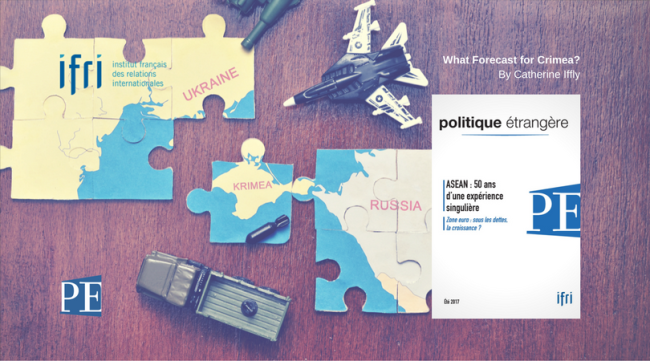
What Forecast for Crimea?
Since Russia’s annexation of Crimea in 2014, the peninsula’s demographics have changed. Thousands have left and new arrivals – Ukrainians fleeing conflict in the east of their country and Russians – have moved in.
Ifri, a foundation recognized as being of public utility, relies largely on private donors – companies and individuals – to guarantee its sustainability and intellectual independence. Through their funding, donors help maintain the Institute's position among the world's leading think tanks. By benefiting from an internationally recognized network and expertise, donors refine their understanding of geopolitical risk and its consequences on global politics and the economy. In 2026, Ifri partners with over 90 French and international companies and organizations.