




Sub-Saharan Africa
Sub-Saharan Africa is not monolithic. While crises in the Sahel have attracted a great deal of attention, other regions also need to be monitored, and not just through the prism of security.
Related Subjects

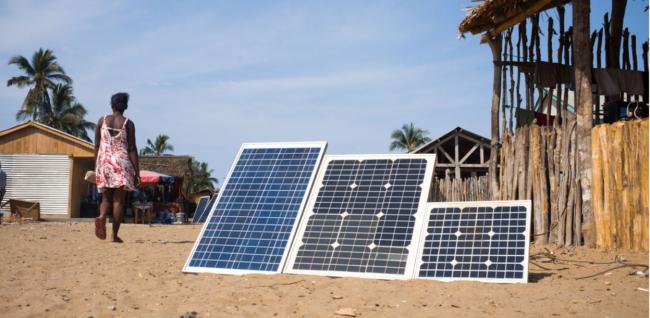
Solar power shines through after a slow start in Africa
The case for the renewable energy source is becoming clearer on the ‘sun continent’


Africa-France: Can Macron’s ‘new partnership’ succeed?
Africa has occupied a significant place in Emmanuel Macron’s political agenda but he will need more than fine speeches to change the longstanding paternalist image of France on the continent.
Japan steps up its Africa engagement
Laying the foundation for the Eighth Tokyo International Conference on African Development (TICAD), Japanese Foreign Minister Yoshimasa Hayashi held talks on 28 March 2022 with ministers from 50 African nations. Hayashi expressed concerns that the COVID-19 pandemic and the war in Ukraine had increased the economic and social vulnerabilities of African countries — deepening their dependence on China. He subsequently committed to increase Japan’s cooperation with Africa.
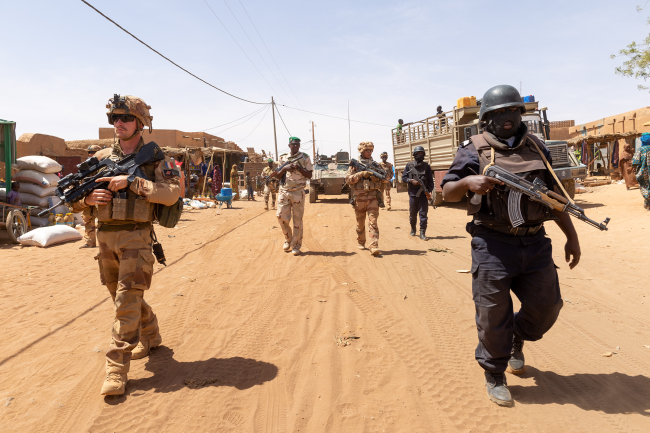
After Barkhane: Rethinking France’s Strategic Posture in West Africa

C.Africa's Leap Into Bitcoin Leaves Its People Bemused
In the Central African Republic (CAR), nine out of 10 people do not have internet, and only one in seven has electricity -- that is, when there are no power cuts.
Yet the CAR has just followed El Salvador in adopting bitcoin as legal tender, a currency that requires access to the net to be bought, sold or used.

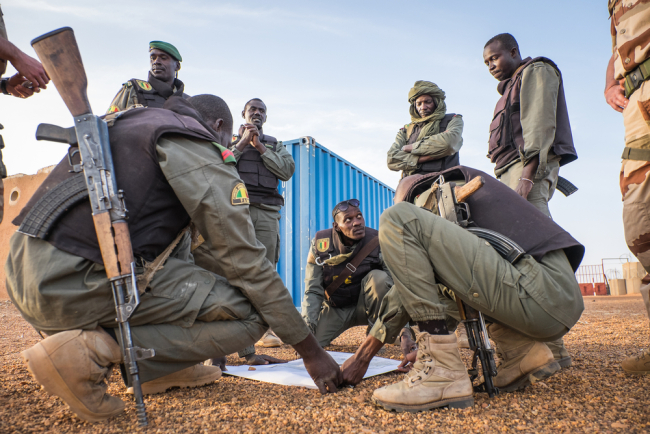
EU Winds Down Military Training Operations in Mali
The European bloc is involved in two training missions in Mali – the EUTM and the EUCAP – to coach soldiers and police.
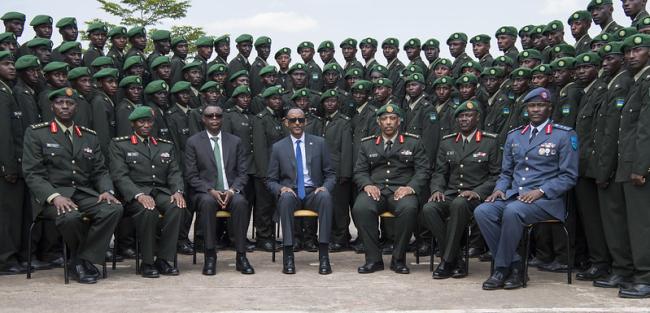
Rwanda’s Military Diplomacy. Kigali’s Political Use of the Military Means to Increase Prestige and Influence in Africa and Beyond
Although it is one of the smallest states on the African continent, Rwanda has adopted a proactive foreign policy. Kigali has deployed troops within the framework of multilateral peacekeeping missions to increase its prestige and influence. Since last year, changes have arisen: Rwanda has extended its activities outside of multilateral operations, intervening unilaterally in the Central African Republic (CAR) and then in Mozambique. Rwanda desires to foster its reputation as a regional and continental “security provider”.
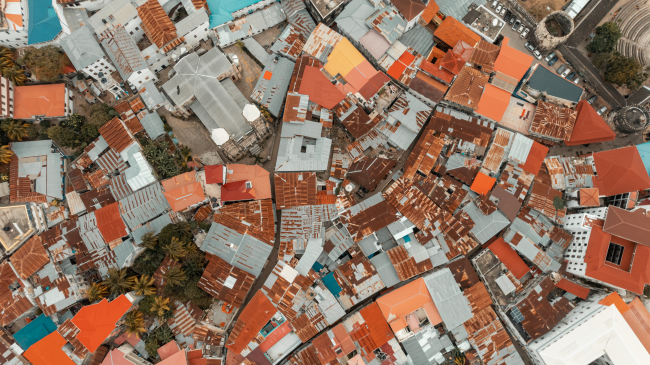
Governing Cities in Africa. A Panorama of Challenges and Perspectives
By 2050, about 60% of the population of Sub-Saharan Africa will live in urban areas. The governance of the rapid growth of capital and intermediary cities in Africa is one of the priorities of the international development agenda.
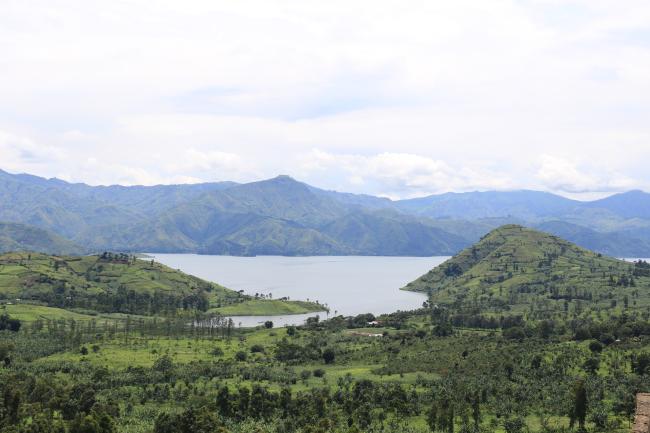
A Sino-Congolese Scandal. Illegal Exploitation of Minerals and Forests by Chinese Companies in South Kivu
Since 2020, the exploitation of gold from mining sites in the Wamuzimu chiefdom in the South Kivu province by Chinese companies has aroused great discontent among the population.
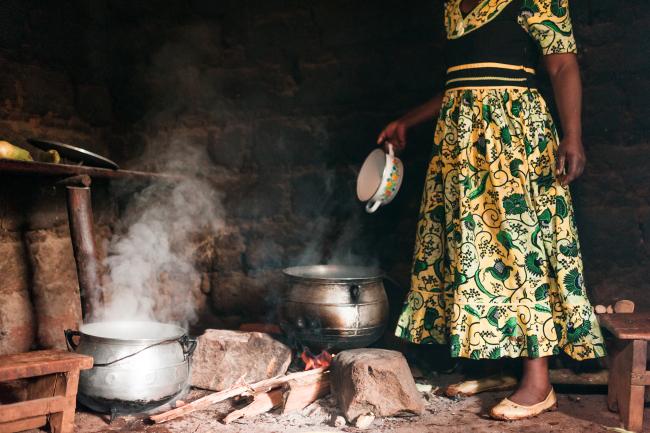
Power to the Cooks! New Clean Cooking Opportunities for Sustainable Development in Sub-Saharan Africa
2.6 billion people globally and 1 billion in Sub-Saharan Africa (SSA) cook using biomass fuel. The detrimental effects on the environment and public health, as well as the time and money lost are considerable. If nothing new is done, this situation will worsen further in SSA.
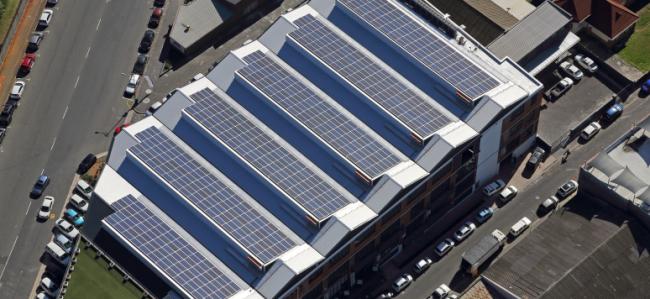
Booming Decentralized Solar Power in Africa’s Cities. Satellite Imagery and Deep Learning Provide Cutting-Edge Data on Electrification
The market for decentralized solar systems first developed in rural Africa, and today it is expanding to the continent’s cities, though these areas are already covered by each country’s central network.
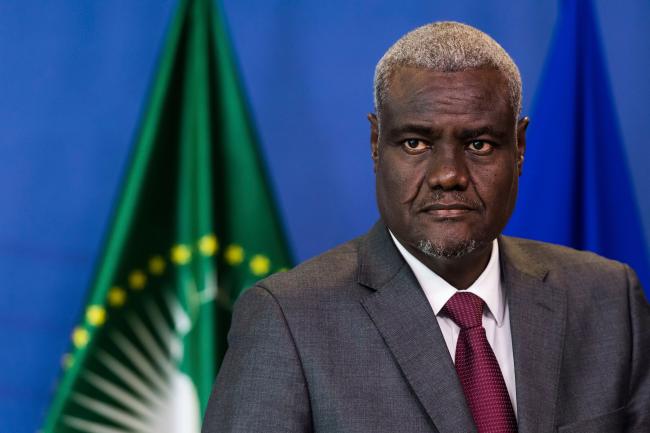
New African Union Commission (2021-2025). Challenges and Issues After the Reform Initiated by Paul Kagamé
The election of the Commission to run the African Union (AU) on February 6 and 7, 2021 was an important step towards implementing its institutional reform. The Commission is the institution’s real government, setting the pan-African organization’s objectives under the leadership of the Heads of State who meet once a year at the Assembly. The Chadian Moussa Faki, who was re-elected as AU Commission (AUC) Chairperson, has the onerous task of undertaking this reform, initiated by the former AU Chair, Rwandan president Paul Kagamé, between 2016 and 2018.
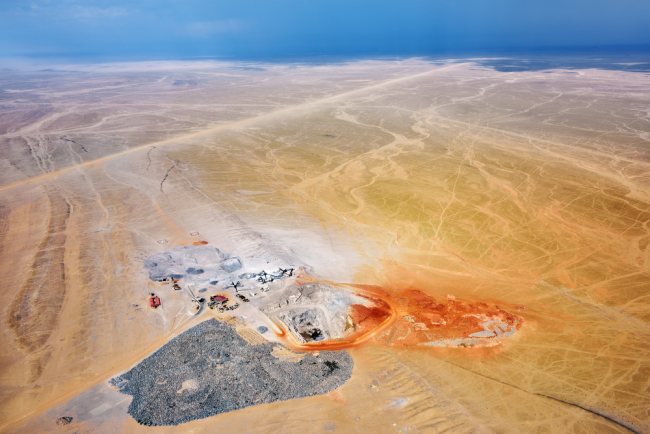
Uranium in Namibia: Yellowcake Fever
Mineral revenues are the driving force behind Namibia’s economic performance. Namibia is rich in mineral resources which include uranium, diamond, copper, gold, lead, lithium and zinc. However, these mineral riches are not always allocated and utilized in a transparent manner and seem to benefit disproportionately a small number of wealthy elites, many of them affiliated with the ruling party SWAPO.
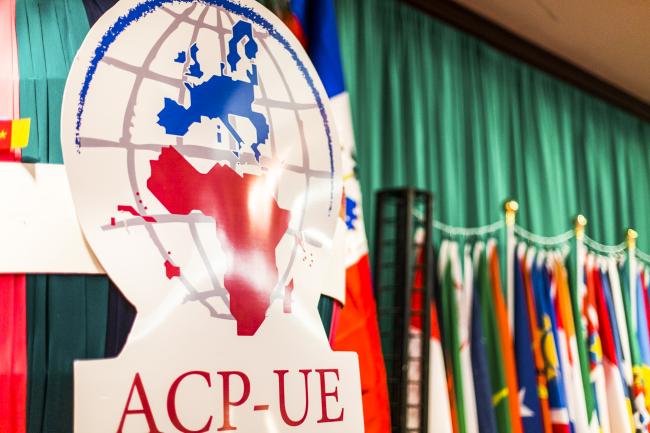
’Delenda est Cotonou ?’ The European Union and the ACP States: A Partnership without Partners
Although it has largely gone unnoticed in France, the agreement signed on December 3, 2020 between the European Union (EU) and the Organisation of African, Caribbean and Pacific States (ACP) is a major shift in the long-standing relations between the EU and countries in the Global South.
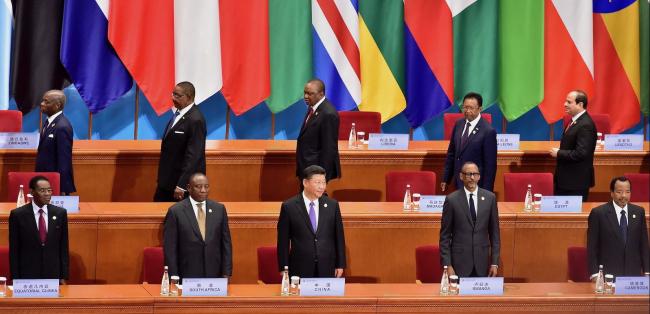
Chinese Influences in Africa. 1. The Political and Diplomatic Tools of the "Great Developing Country"
China and Africa have enjoyed a strong relationship since the wave of African independences in the 1960s. Nevertheless, relations between China and Africa have significantly expanded since the late 1990s and have been fueled by a growing discourse centered on a “win-win” partnership between China and Africa.
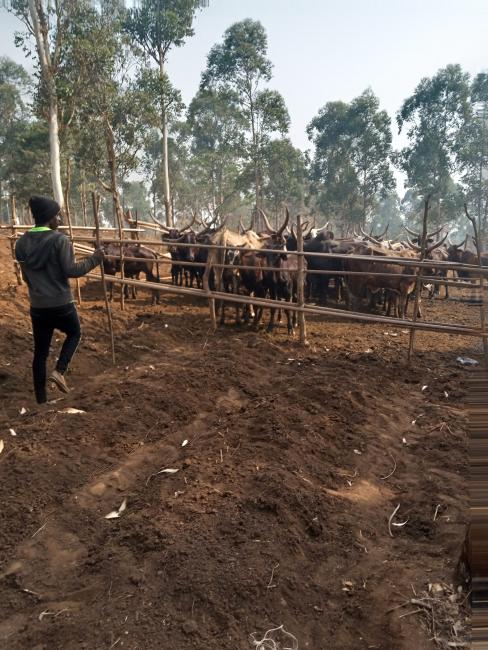
The Peuls Mbororo of North Cameroon: Insecurities of a Pastoral Society and Limits of a Hybrid Security Response
The Mbororo are Fulani who, unlike the Fulbe, have not become sedentary and have practiced nomadic herding for a long time. However, over the past several decades, they have been undergoing a sedentarization process in northern Cameroon (Septentrion), to the point that many of them have become semi-sedentary and agro-pastoralists.
This community of herders faces environmental, land, fiscal and criminal insecurities.
New Africa France Summit : the Concealed Continuation of Emmanuel Macron's Africa Policy
A “New Africa-France Summit” was held on October, 8 at Arena Sud de France in Montpellier.
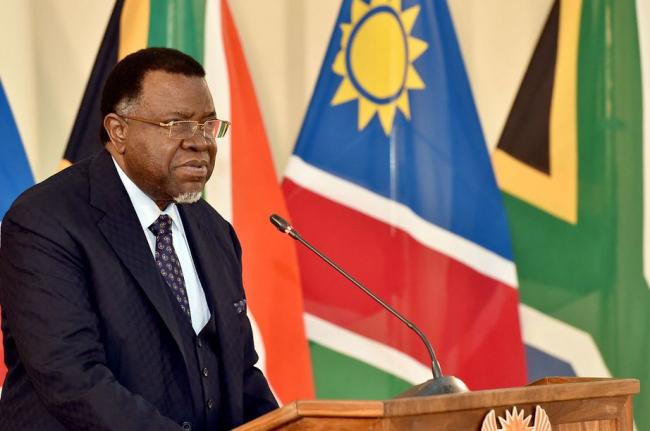
Namibia’s Fair-Weather Friends and One All-Weather Friend
The relationship between Namibia and its historical partners has evolved over the last thirty years since Namibian independence. As in many countries, Namibia has been going through transformation, influenced by the process of globalization. This created new sets of geopolitical challenges and opened up new opportunities for Namibia's small and poorly diversified economy which has relied heavily on the mining industry.
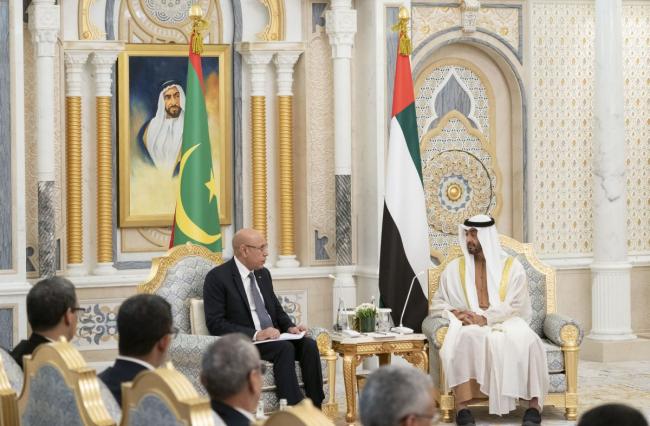
The United Arab Emirates in Africa: The Partly Thwarted Ambitions of a New Regional Player
The United Arab Emirates (UAE) has long-standing ties with African countries, but the implementation of a genuine Africa policy dates back only about 15 years.
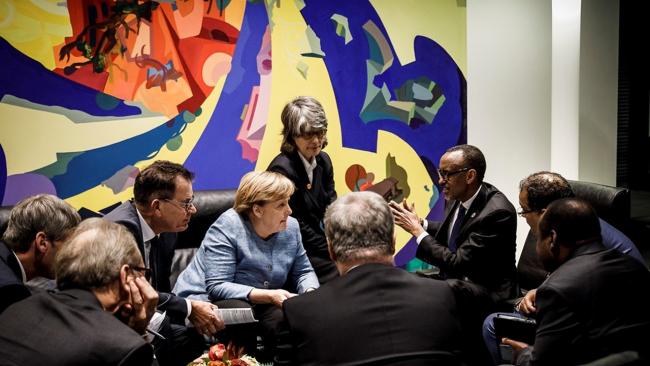
Germany’s Africa Politics: Renewal of an Unequal Cooperation?
In recent years, Germany’s Africa politics have been characterized by proactive international initiatives and the claim for a "partnership at eye level". However, a look at the power constellations of its cooperation indicates that inequalities are – contrary to Germany’s own claims – rather reproduced than reduced.
Candide in Congo. The Expected Failure of Security Sector Reform (SSR)
Thabo Mbeki's Fall and Succession: Interview with Thierry Vircoulon
Angolan Elections, September 2008: Interview with Indira Campos
Mauritania: Security Threats on a Young Democracy - Interview with Alain Antil
French Foreign Policy in Africa: Between Pré Carré and Multilateralism
Islamism in North Africa: The Islamist Challenge in Mauritania: Threat or Scapegoat?
Ifri, a foundation recognized as being of public utility, relies largely on private donors – companies and individuals – to guarantee its sustainability and intellectual independence. Through their funding, donors help maintain the Institute's position among the world's leading think tanks. By benefiting from an internationally recognized network and expertise, donors refine their understanding of geopolitical risk and its consequences on global politics and the economy. In 2026, Ifri partners with over 90 French and international companies and organizations.

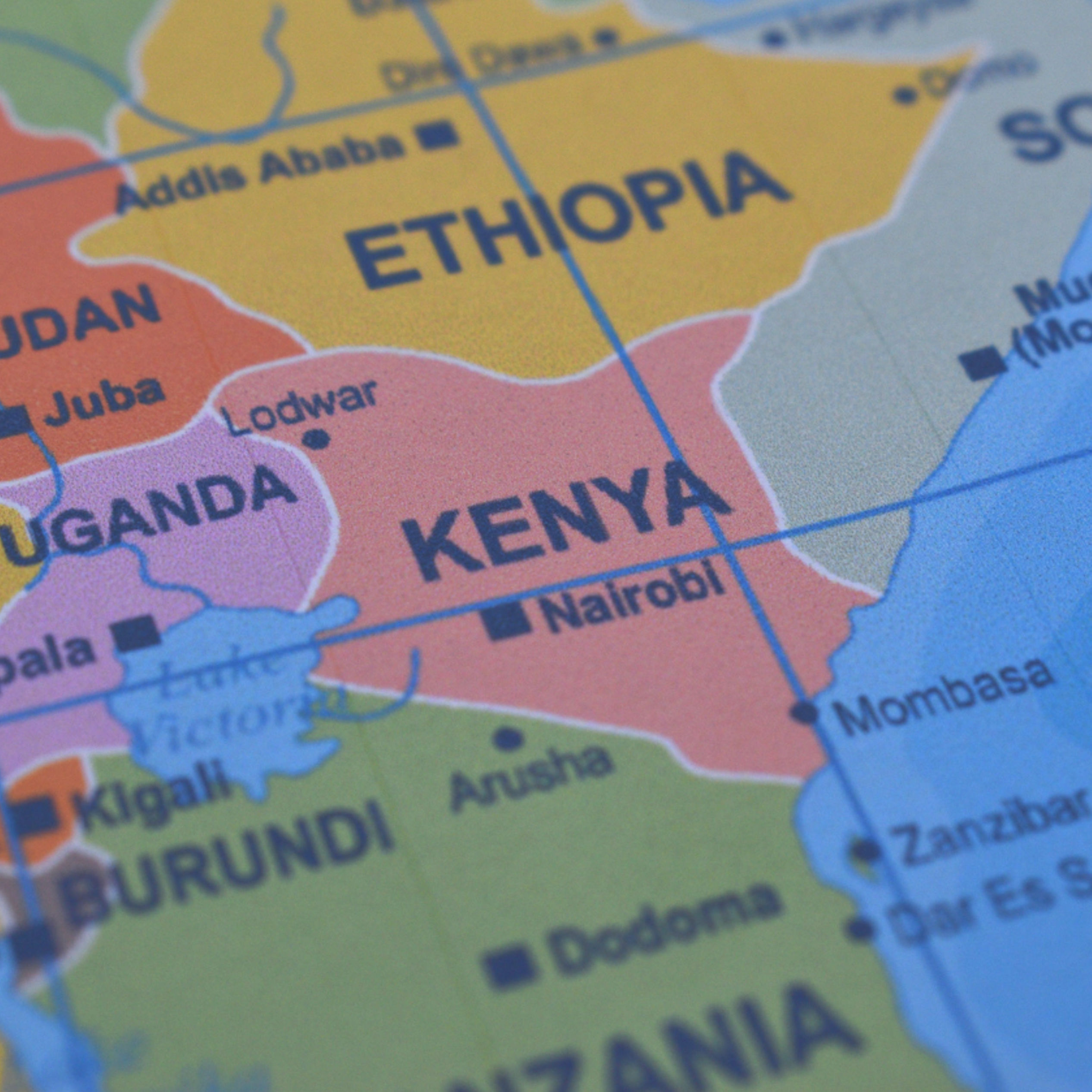
The East and Central Africa Observatory is a 3-year research project (2023-2025) that Ifri is carrying out jointly with the French Institute of Research in Africa (IFRA) in Nairobi for the French Ministry of Defense, and more specifically its International Relations and Strategy Division (DGRIS). This observatory focuses on the main political, security and geopolitical developments taking place in the geographical areas covered by itself. This is achieved through the regular production of research notes, in English or French and the organization of an annual seminar around a key theme. For our research notes and conferences, we call on internationally acknowledged experts in the topics covered. This Observatory began in 2016, under the title of Observatory of Central and Southern Africa within Ifri's Sub-Saharan Africa Center. 55 notes were drafted between 2016 and 2020.
Founded in 2007, Ifri's Sub-Saharan Africa center produces an in-depth analysis of the African continent and its security, geopolitical, political and socio-economic dynamics (in particular the phenomenon of urbanization). The Center aims to be both, through various publications and conferences, a space for disseminating analyzes intended for the media and the public but also a decision-making tool for political and economic actors with regard to the continent.
The center produces analyses for various organizations such as the Ministry of the Armed Forces, the Ministry of Europe and Foreign Affairs, the Organization for Economic Cooperation and Development (OECD), the French Development Agency (AFD) and even for various private supports. Its researchers are regularly interviewed by parliamentary committees.
The organization of events of various formats complements the production of analyzes by bringing the different spheres of the public space (academic, political, media, economic and civil society) to meet and exchange analytical tools and visions of the continent. The Sub-Saharan Africa Center regularly welcomes political leaders from different sub-Saharan African countries.