




Sub-Saharan Africa
Sub-Saharan Africa is not monolithic. While crises in the Sahel have attracted a great deal of attention, other regions also need to be monitored, and not just through the prism of security.
Related Subjects
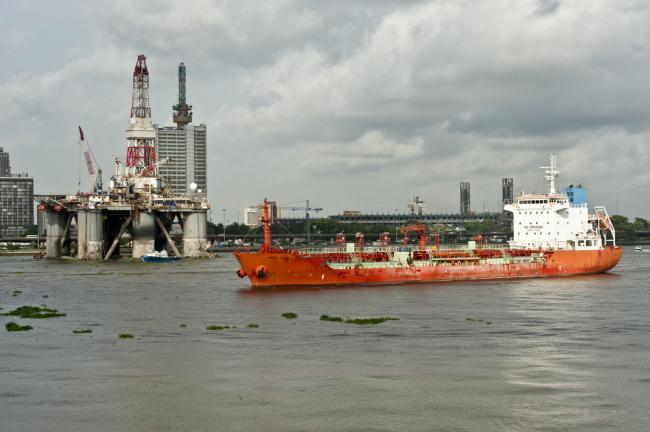
Strategies of African national oil companies
The study and comparison of different National Oil Companies (NOC) help understanding the political history of Algeria, Nigeria and Angola. The NOC’s role and activities depend on several economic and political aspects. For example, Angolan Sonangol has been the coffer for the Popular Movement of Liberation of Angola (MPLA) party to fund its struggle against the National Union for the Independence of Angola (UNITA) party during civil war.
The African National Congress or the Difficulty of Exercising Power
The African National Congress (ANC), which has governed South Africa since the end of apartheid, is in decline.
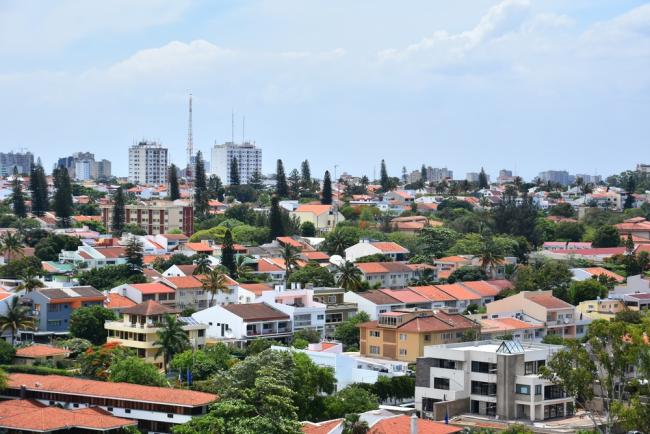
Land Tenure Tensions in Maputo. A Study of the Neighborhood of Polana Caniço
Maputo, the capital of Mozambique, is driven by fascinating urban dynamics. The country’s institutional setting is influenced by the legacies of the different political regimes of the last 50 years, which have left visible traces on the urban fabric.

Hashtag and Political Resistance Movements in Southern Africa
What is the political significance of Southern Africa’s “hashtag movements”, socio-political campaigns using social media to disseminate information and to mobilise concerned and previously quiet segments of the public?
France and Japan in Africa: a Promising Partnership
If some African countries are on their way to achieving dynamic economic growth, many are also still struggling with a lack of economic and social infrastructure, latent governance issues and often complex and risky security environments. In this context, both Japan and European countries, especially France, are making efforts to increase not only their development assistance, but also private investments and security cooperation in Sub-Saharan Africa.
Japan's Revived African Policy
By organising TICAD (Tokyo International Conference on African Development) for the first time in Africa in August 2016, Japan intended to accelerate and deepen its relationship with the continent.
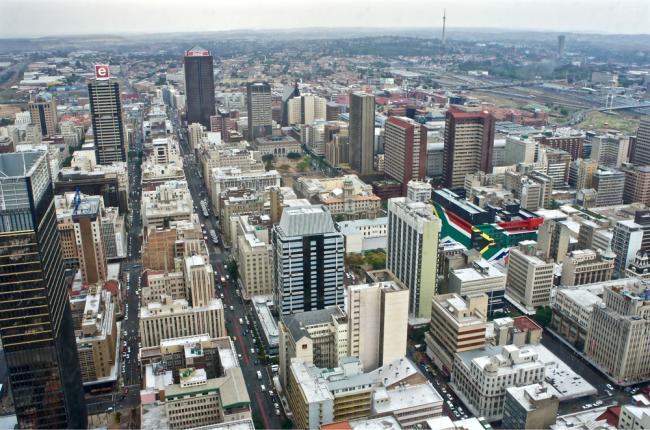
Defining the Middle Class in the Global South. A Quantitative Perspective from South Africa
What makes you middle class? Is it your income, occupation, or education? Your family background or maybe the house and neighbourhood you live in? It is probably all of these things.

What Role for Japan in Africa's Security After Withdrawal from South Sudan?
There is still a big gap between the discourse and the reality of what Japan wants - and what it can achieve in Africa.
South Africa : internal dissensions within the ANC
How to explain the decline of the ANC during the last election? Why 2017 is a decisive year for the ANC? How to explain the student protests during the past two years?
Japan's Security Policy in Africa: The Dawn of a Strategic Approach?
This paper documents new features of Japan's diplomacy that tends to gradually integrate Africa into Japan's strategic interests.
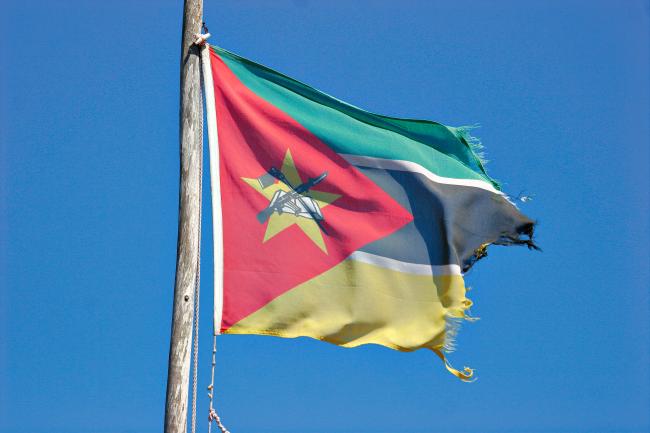
The Resurgence of Conflict in Mozambique. Ghosts from the Past and Brakes to Peaceful Democracy
2016 proved to be a most challenging year for Mozambique. Small-scale conflict, which started reappearing between the government and the opposition party, the Mozambican National Resistance (Renamo), in 2013, intensified over the course of the year, whilst peace negotiations stalled.
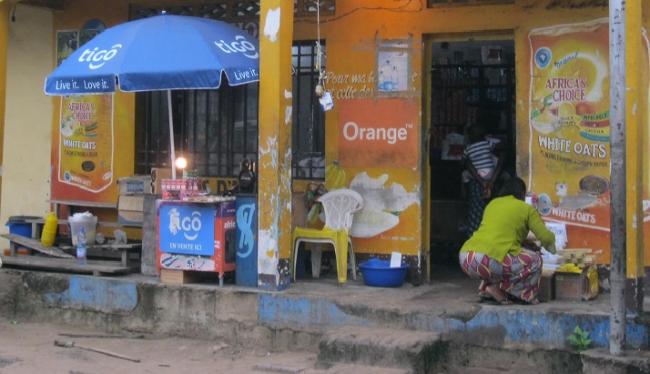
Are African Middle Classes Coming Together? The Case of Telecommunications Employees in Kinshasa
For many observers, a change in perception of the African continent occurred in the 2010s. Attention has focused on the relatively high rates of economic growth and a high population growth associated with urban expansion; both indicators interpreted as promises of economic “emergence” leading to potential new markets.
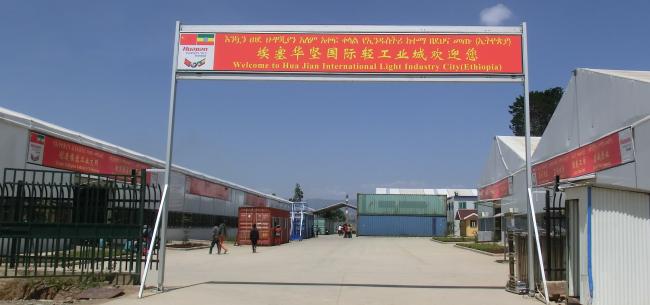
Chinese Investors in Ethiopia: The Perfect Match?
Since the fall of the Derg regime in 1991, cordial relations have developed between China and Ethiopia, forming a positive political backdrop in front of which the two countries’ interests have increasingly converged.
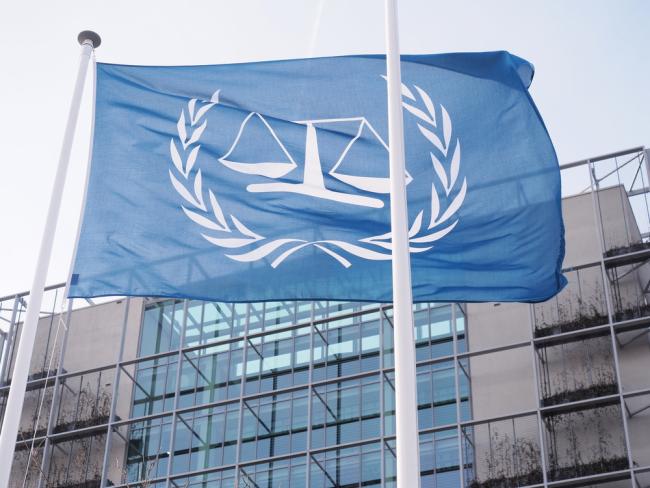
Africa and the ICC Going Forward
October 2016 presented a grim test for the fourteen-year-old International Criminal Court (ICC) as three Sub-Saharan African countries, Burundi, South Africa and Gambia announced their decision to opt out of the international judicial body.
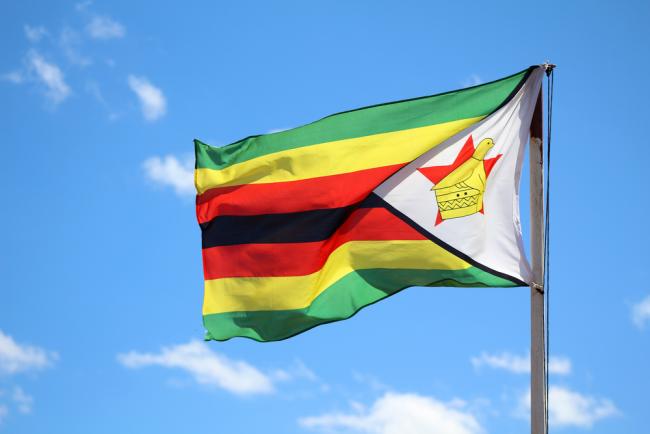
Robert Mugabe in Zimbabwe: the Endgame?
The descent into the morass of failure seems relentless for a country that used to be, at the aftermath of its independence in 1980, the “jewel in Africa” to be carefully preserved, as former Tanzanian President Julius Nyerere advised an acclaimed Mugabe ascending into power.

Angola awaits successor to long-ruling leader Dos Santos
Angola is expected to formally announce the end of President Jose Eduardo Dos Santos' controversial 37-year rule Saturday, and name a successor to lead the ailing African oil-producing country.
South African Local Elections 2016. From One Party Dominance to Effective Plural Democracy
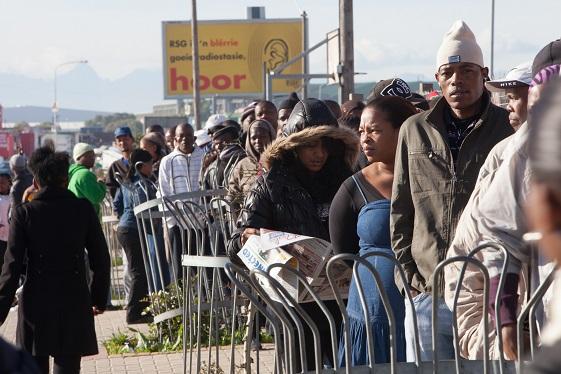
The South African political landscape experienced a shock from an unlikely source; the country’s local government elections on August 3, 2016 representing the last tier of government and often overlooked in favour of national and provincial polls.
State of Emergency in Ethiopia: New Far East, Old Far West
Up until recently, little attention has been paid to the crisis which the Ethiopian regime has nonetheless been sinking into for more than two years. The rare spotlights focused on this country have praised its economic performance, describing it as a new “Far East” or even an “African lion”. The violence and imprisonment aimed at activists, journalists, and a good many citizens have remained hidden.
Diplomatic Relations between Qatar and Sub-Saharan Africa. An Evolving Affair
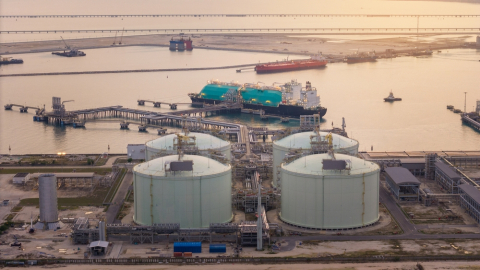
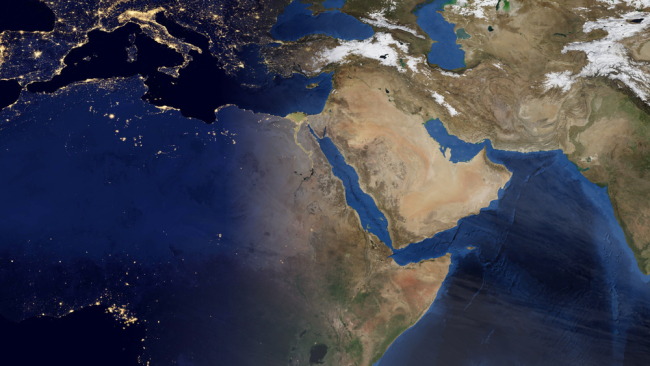
In the space of 20 years, under the leadership of the former Emir, Hamad bin Khalifa Al Thani, in power between 1995 and 2013, Qatar became a country which matters due to its status, obtained in 2006, as the leading world producer of liquefied natural gas (LNG).
Not Dazzling But Not Invisible : The Ugandan Middle Classes as "Somewhere in Between"
In January 2016, the Kenyan supermarket chain Uchumi has filed bankruptcy for its Ugandan subsidiaries, due to perpetual losses. And they are not alone: companies like Nestlé, Coca Cola or Barclays are slowly pulling out of Africa and recent reports – such as the Global Wealth Databook from Credit Suisse or from the Pew Research Center – suggest that the size of the African middle class may be much smaller than previously thought. So was the hype in recent years about “Africa rising” (Mahajan, 2009) and the African middle class just a bubble? In order to better comprehend the social and economic transformations taking place on the continent, it can prove helpful to look beyond the dazzling facade of economies such as Kenya or South Africa, and into those countries experiencing steady growth, but nevertheless far from including a well established middle class. Their middle classes are not shopping in big malls, driving cars and going on holidays. Rather, these groups are characterized by the improvement of their livelihoods compared to their parents’ generation, in terms of education, income and housing, but they still feel strongly vulnerable, and do not take their new benefits for granted. This has an important effect on their consumption patterns, and may not turn them into the promising new consumers, as they have sometimes been praised to be.
Ifri, a foundation recognized as being of public utility, relies largely on private donors – companies and individuals – to guarantee its sustainability and intellectual independence. Through their funding, donors help maintain the Institute's position among the world's leading think tanks. By benefiting from an internationally recognized network and expertise, donors refine their understanding of geopolitical risk and its consequences on global politics and the economy. In 2026, Ifri partners with over 90 French and international companies and organizations.

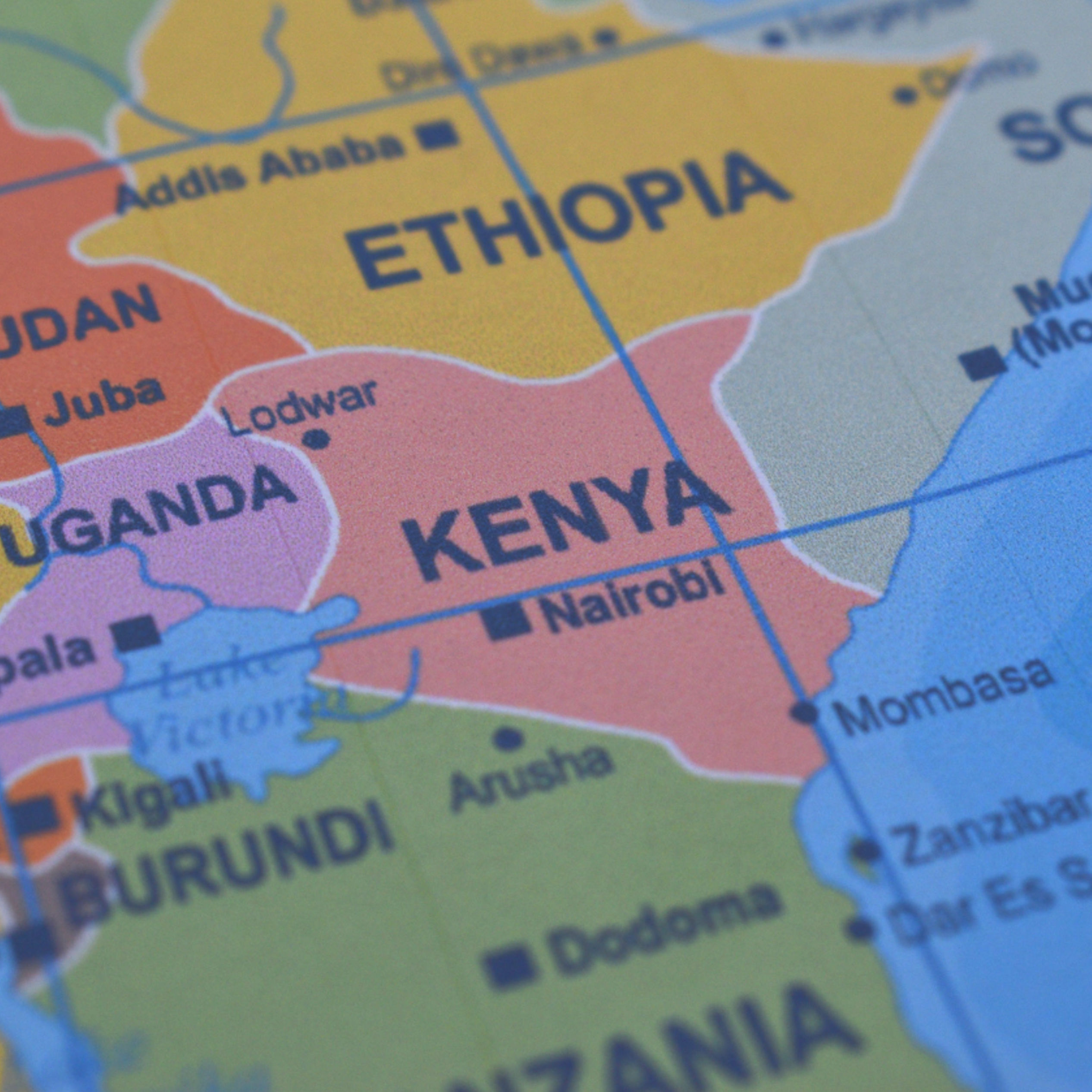
The East and Central Africa Observatory is a 3-year research project (2023-2025) that Ifri is carrying out jointly with the French Institute of Research in Africa (IFRA) in Nairobi for the French Ministry of Defense, and more specifically its International Relations and Strategy Division (DGRIS). This observatory focuses on the main political, security and geopolitical developments taking place in the geographical areas covered by itself. This is achieved through the regular production of research notes, in English or French and the organization of an annual seminar around a key theme. For our research notes and conferences, we call on internationally acknowledged experts in the topics covered. This Observatory began in 2016, under the title of Observatory of Central and Southern Africa within Ifri's Sub-Saharan Africa Center. 55 notes were drafted between 2016 and 2020.
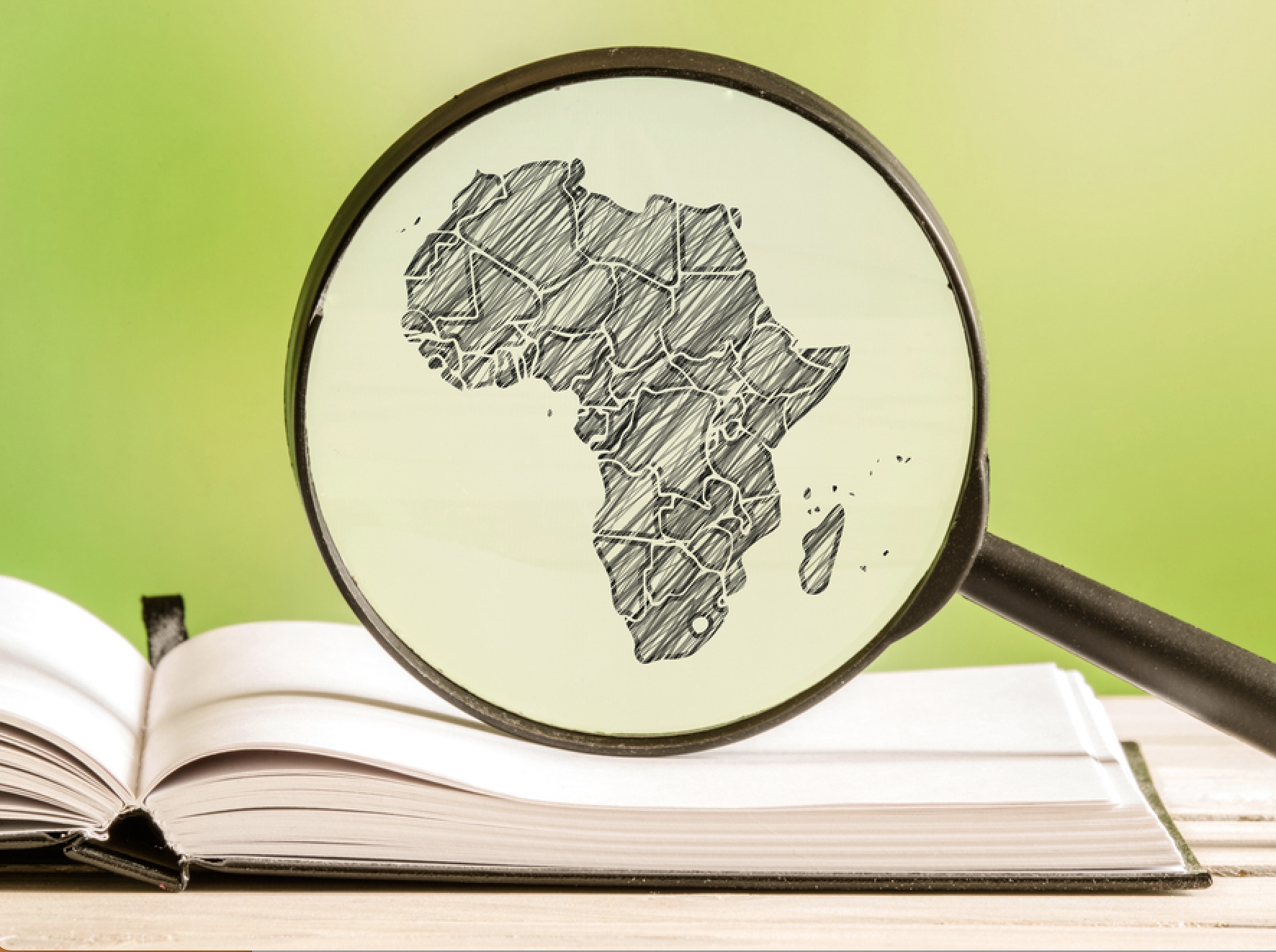
Founded in 2007, Ifri's Sub-Saharan Africa center produces an in-depth analysis of the African continent and its security, geopolitical, political and socio-economic dynamics (in particular the phenomenon of urbanization). The Center aims to be both, through various publications and conferences, a space for disseminating analyzes intended for the media and the public but also a decision-making tool for political and economic actors with regard to the continent.
The center produces analyses for various organizations such as the Ministry of the Armed Forces, the Ministry of Europe and Foreign Affairs, the Organization for Economic Cooperation and Development (OECD), the French Development Agency (AFD) and even for various private supports. Its researchers are regularly interviewed by parliamentary committees.
The organization of events of various formats complements the production of analyzes by bringing the different spheres of the public space (academic, political, media, economic and civil society) to meet and exchange analytical tools and visions of the continent. The Sub-Saharan Africa Center regularly welcomes political leaders from different sub-Saharan African countries.