






3451 publications
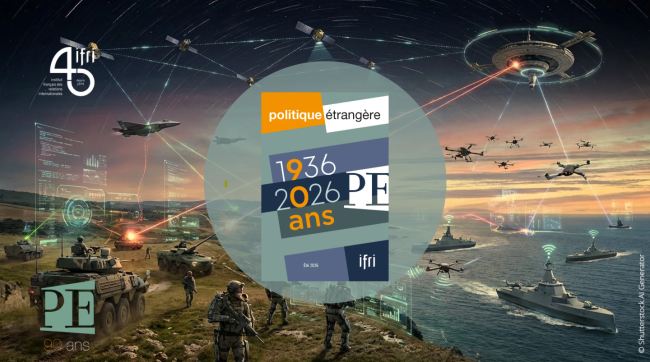
War and Technology: An Approaching Military Revolution?
Historically, technological change has altered how battles are fought but has not overturned the fundamental principles of war. However, three considerations may now represent an actual revolution: the recourse to tactical nuclear weapons, the development of software for “multi-domain operations,” and the prospect of general artificial intelligence. The organization of militaries and the use of force need to be rethought in this light.
War and Technology: An Approaching Military Revolution?
Historically, technological change has altered how battles are fought but has not overturned the fundamental principles of war. However, three considerations may now represent an actual revolution: the recourse to tactical nuclear weapons, the development of software for “multi-domain operations,” and the prospect of general artificial intelligence. The organization of militaries and the use of force need to be rethought in this light.
The Year He Woke
Vikas Swarup, an Indian writer and former diplomat, is the author of four novels, including Q & A (New York: Doubleday, 2005), which has been translated into 47 languages and adapted for the screen under the title Slumdog Millionaire.
Text published in Politique étrangère, Vol. 91, No. 2, 2026.
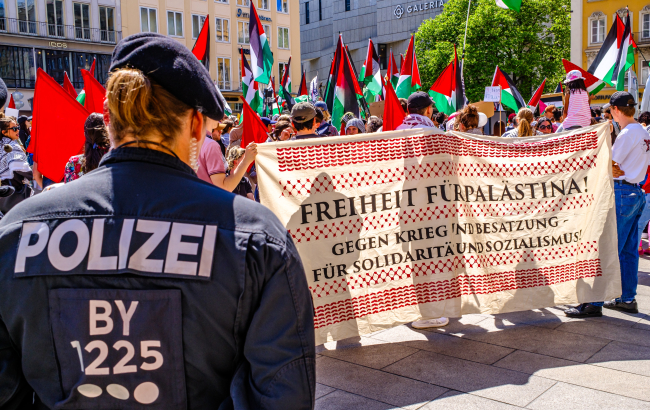
Overwhelmed: Germany’s Israel Policy after October 7th
Few countries have been as profoundly affected by the attacks of October 7th and the subsequent Gaza war as Germany. This is not merely a political controversy. It reflects a deeper structural problem: German-Israel policy has long rested on two guiding principles—a particular historical responsibility toward Israel derived from the Holocaust, and a firm commitment to universalist norms, above all international law and human rights.

What Do Companies Fear? The New Geography of Geopolitical Risk
Geopolitical risk has established itself, within the space of a few years, as a central variable in corporate strategy.
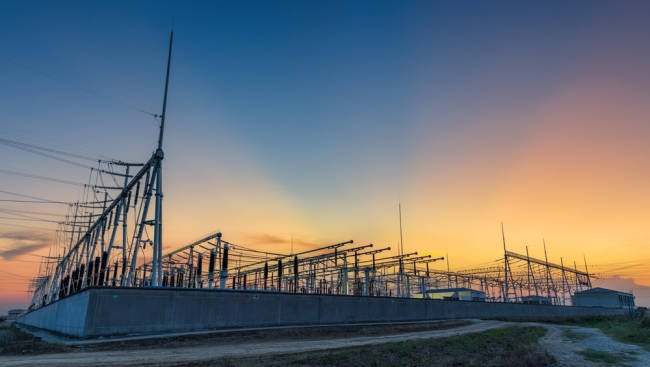
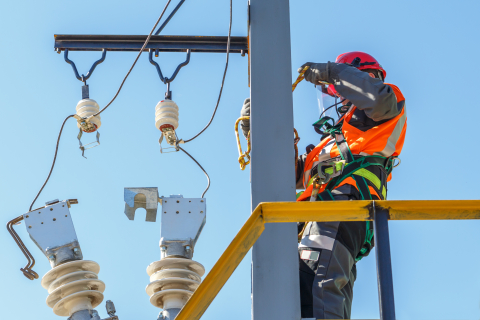
Europe’s Power Grid Challenge: A Make-or-Break for Accelerating Electrification
In April 2023, The Economist published an article pointing to the vast amounts of electricity infrastructure needed to reach energy transition goals.
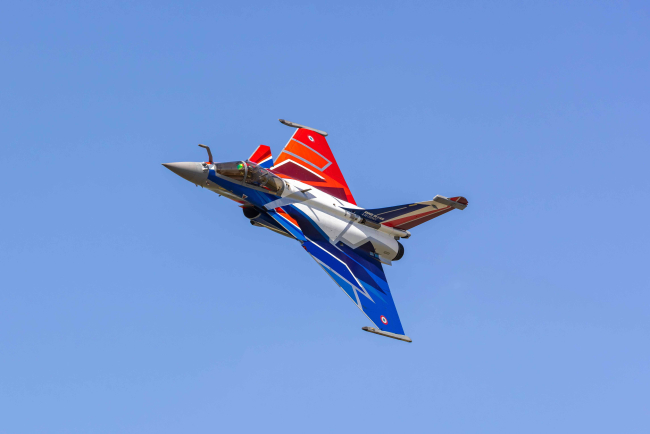
French Forward Deterrence: What Is in It for the Baltic States?
For what may be its most significant stress test since the end of the Cold War, European deterrence is under strain. Russia’s war against Ukraine has demonstrated Moscow’s willingness to use force and its ability to combine conventional operations with nuclear signalling, coercive rhetoric, and hybrid actions. At the same time, the gradual deterioration of transatlantic relations has revived concerns about the reliability of extended deterrence.
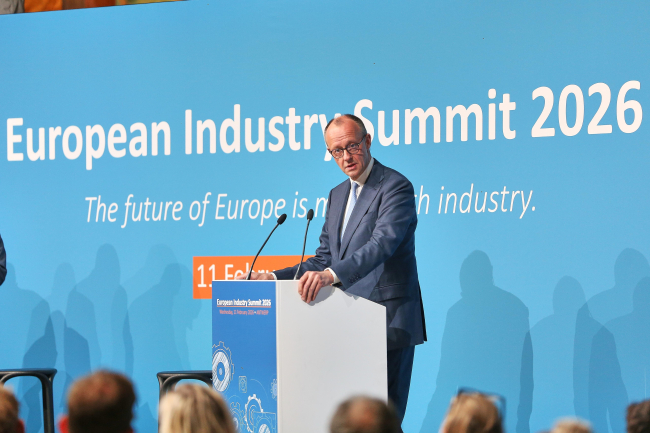
Reviving the German Economy: Balancing Economic, Social, and Defense Priorities
Germany is facing fundamental challenges to its economic and social model and is seeking a new course. The German post-war model was hugely successful, leading to economic strength and prosperity over many decades, but now it is steadily faltering. The previously latent fear of deindustrialization is becoming more concrete, particularly due to the weakening of a key sector: the automotive industry.