




Energy-Climate
In the face of the climate emergency and geopolitical confrontations, how can we reconcile security of supply, competitiveness, accessibility, decarbonization and acceptability? What policies are needed?
Related Subjects
The US’s Critical Mineral Offensive Strategy: How Can Europe Step Up?

As Organization for Economic Co-operation and Development (OECD) economies are confronted with mounting threats to critical raw materials (CRM) supplies, resolute interventionist policies are needed to build resilient value chains.
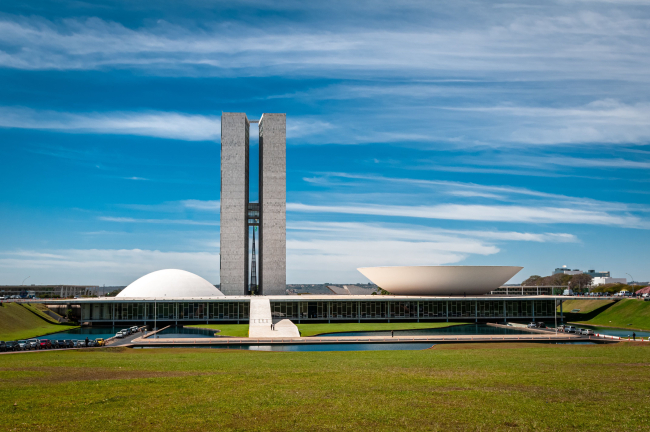
Brazil One Year Away from the October 2026 General Elections
Brazil’s general elections will be held on October 4, 2026, to elect the president, vice-president, members of the National Congress, governors, deputy governors and state legislative assemblies. For the presidential and gubernatorial elections, a second round will be held on October 25 if no candidate obtains a majority of the votes in the first round.
COP30: An Inflection Point for Climate Action and Governance
The 30th Conference of the Parties (COP30), opening in Belém, Brazil, on November 10th 2025, convenes at a perilous moment.

The Strategic Dimension of Skills in the Clean Industrial Deal
In the competitiveness and energy transition battles, the European Union (EU) must master a determinant factor: skills.
The Energy Transition Faces Geopolitical Challenges. How Can Ideological Divides Be Overcome?
President Trump’s positions and policies, combined with record coal consumption and booming global electricity demand, geo-economic confrontation, and widespread concerns about energy security, are changing the game when it comes to understanding realistic decarbonization trajectories. The war in Europe is intensifying competition between defense and transition budgets. This is also the case elsewhere in the world.
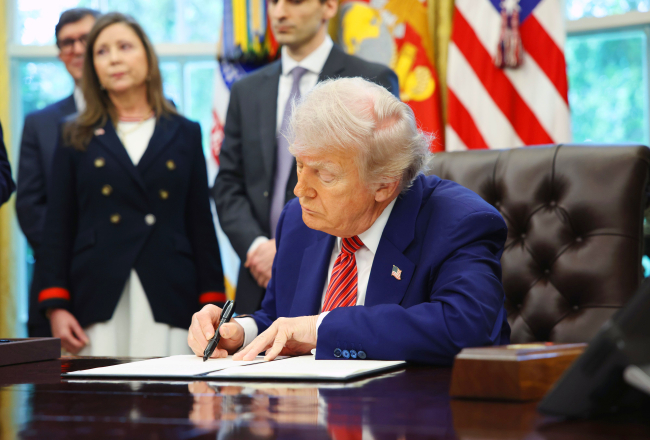
The New US Energy Policy: Energy Dominance or Fallback?
Since taking office, President Trump has defined and started to implement a new energy strategy for the United States (US), aimed at supporting fossil fuels, the nuclear industry, and the critical minerals sector.
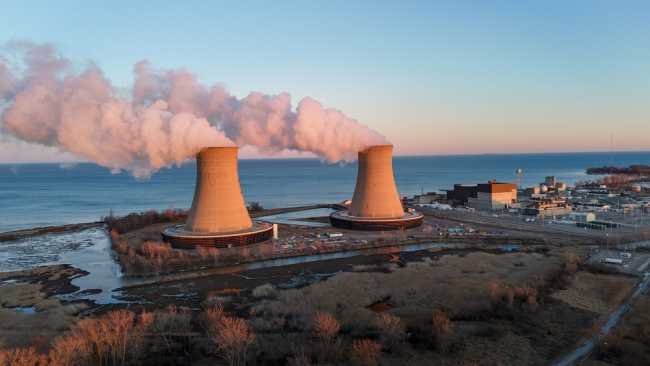
Will the Western Nuclear Power Revival Take Place? The State of Extra-European Advances
Against the dual backdrop of the energy transition and the rapid transformation of the international order, the question of Western nuclear revival is being raised with renewed acuity.
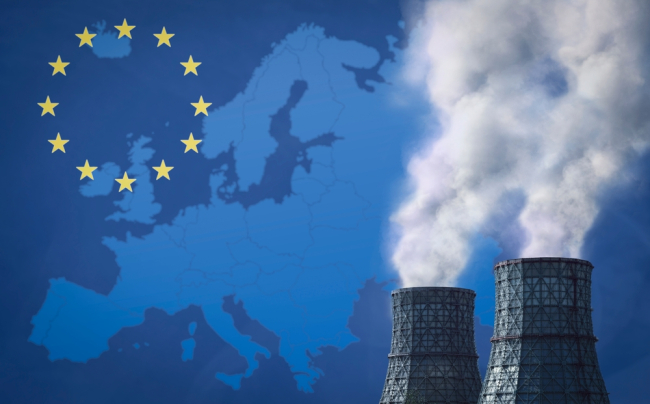
Reconnecting With Europe's Nuclear DNA: a Political Question
As Europe's main source of low-carbon electricity, nuclear power is a strategic asset for tackling climate and geopolitical challenges.

“Although mining is a long-term business, very few companies do prospective studies”
As global demand for critical minerals accelerates, Central Africa finds itself once again at the heart of an extractive race—this time driven by the energy transition. Thierry Vircoulon, Associate Research Fellow at Ifri's Sub-Saharan Africa Center, and Coordinator of its Observatory of Central and Southern Africa, shares a sharp and sobering perspective. Speaking ahead of the ESSEC Institute for Geopolitics & Business webinar “Securing Critical Minerals” (2 July), he explores the paradoxes of resource governance, the rise of China, and why “clean energy” still runs on dirty politics. A must-read for those navigating the fault lines of global supply chains.
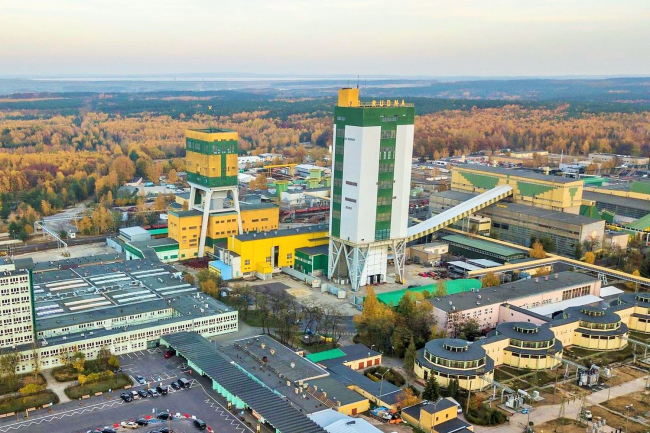
Re-evaluating Copper Supply: The Crucial Role of Technology
Some authors argue that the energy transition is doomed to fail due to metal scarcity and the rising energy costs of extraction.
Energy Developments in the United Kingdom
The United Kingdom (UK) has traditionally been an example for its neighbours and the world in developing ambitious, innovative and effective energy policies.

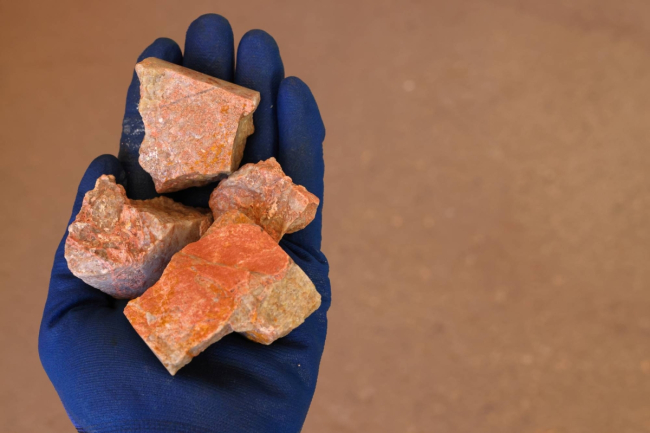
New rare earth plant shows strength of Japan-France cooperation
France and Japan broke new ground in March in a shared quest to bolster resilience in critical mineral supply chains amid growing geopolitical uncertainty.
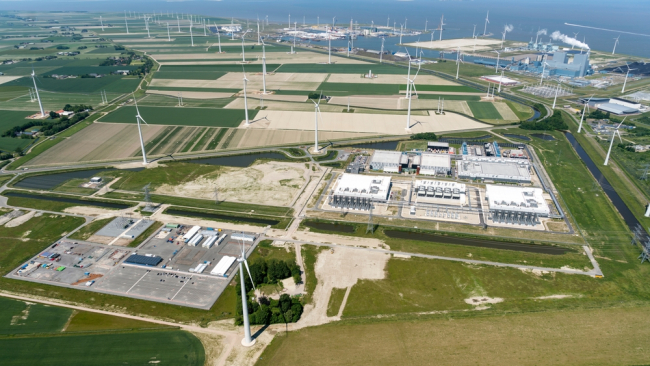
The Strategic Dimension of Power System Flexibility: Opportunities in Europe
The European Union has embarked on an energy transition aimed primarily at replacing fossil fuels by electrifying demand.
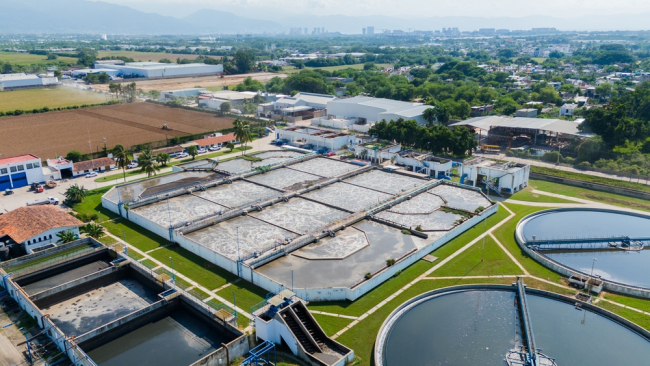
Water in Mexico: an Emergency that Will Wait
Access to water is already and will become increasingly problematic for Mexican economic actors due to the progressive scarcity of the resource resulting from climate change, a geographical distribution that does not coincide with that of the population or economic activity, and management that has so far been far too lax.
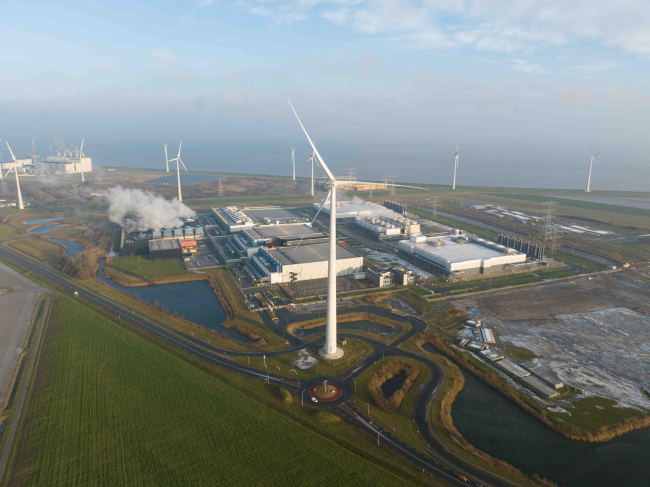
AI, Data Centers and Energy Demand: Reassessing and Exploring the Trends
The information and communication technologies sector today accounts for 9% of global electricity consumption, data centers for 1-1.3%, and artificial intelligence (AI) for less than 0.2%. The growing energy demands of cloud services first, and now AI workloads (10% of today’s data centers electricity demand), have exacerbated this trend. In the future, hyperscale data centers will gain shares amongst all kinds of data centers and AI will probably account for around 20% of data centers electricity demand by 2030.
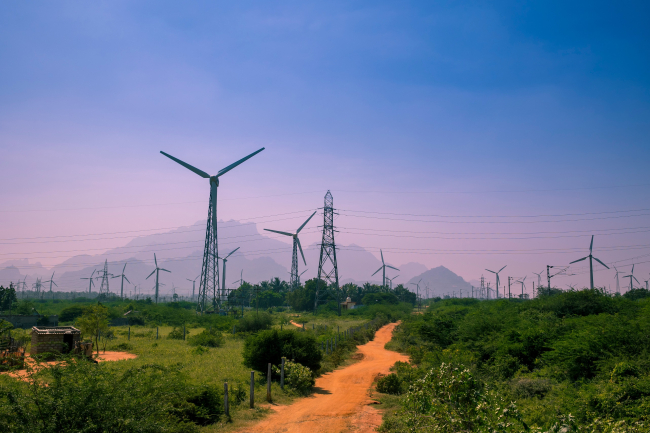
Unlocking India’s Energy Transition: Addressing Grid Flexibility Challenges and Solutions
India is rapidly scaling up its renewable energy (RE) capacity, adding 15–20 GW annually, but the ambitious goal of 500 GW of non-fossil capacity by 2030 is at risk unless the pace accelerates.
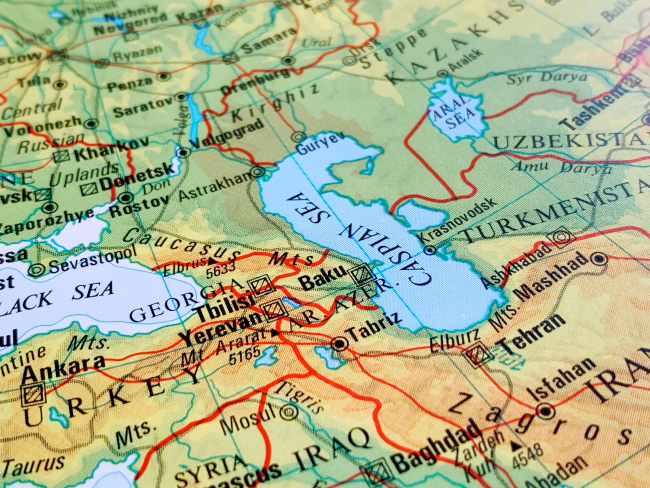
The Caspian Sea as an Emerging Energy Hub : Potentials and Limitations
This report analyzes the prospects of the Caspian Sea region — and its key actors except for Russia and Iran — becoming an important energy hub serving the needs of the European Union (EU).

Geopolitics of Climate Change - World Policy Conference 2024 (Plenary Session)
Plenary session 6: Geopolitics of Climate Change. Friday, December 13, 2024 - 17th edition of the World Policy Conference in Abu Dhabi, United Arab Emirates.
The New Geopolitics of Energy
Following the dramatic floods in Valencia, and as COP29 opens in Baku, climate change is forcing us to closely reexamine the pace—and the stumbling blocks—of the energy transition.
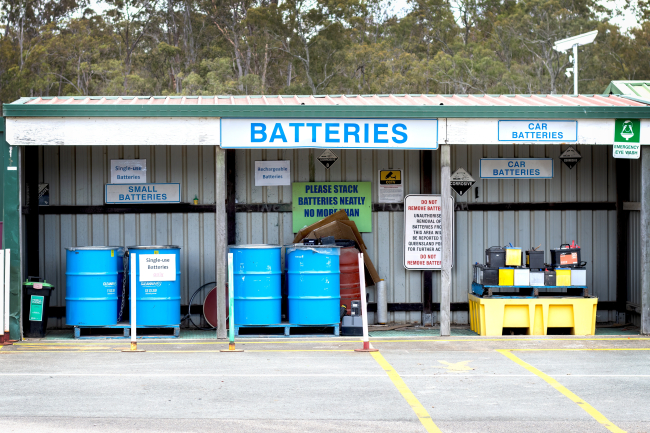
Europe’s Black Mass Evasion: From Black Box to Strategic Recycling
EV batteries recycling is a building block for boosting the European Union (EU)’s strategic autonomy in the field of critical raw minerals (CRM) value chains. Yet, recent evolutions in the European EV value chain, marked by cancellations or postponements of projects, are raising the alarm on the prospects of the battery recycling industry in Europe.
From Crisis Hotspots to Convening Powers. African Cities Launch Diplomacy to Create Climate Mobility Partnerships
African local governments cannot afford to turn into climate mobility hotspots without taking proactive action – drawing on local knowledge, convening power and access to affected communities.
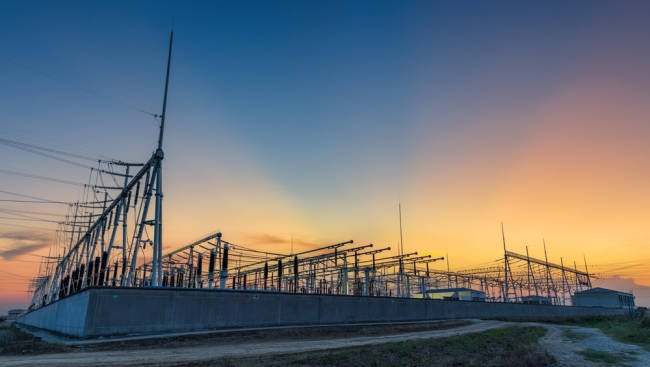
Europe’s Power Grid Challenge: A Make-or-Break for Accelerating Electrification
In April 2023, The Economist published an article pointing to the vast amounts of electricity infrastructure needed to reach energy transition goals.
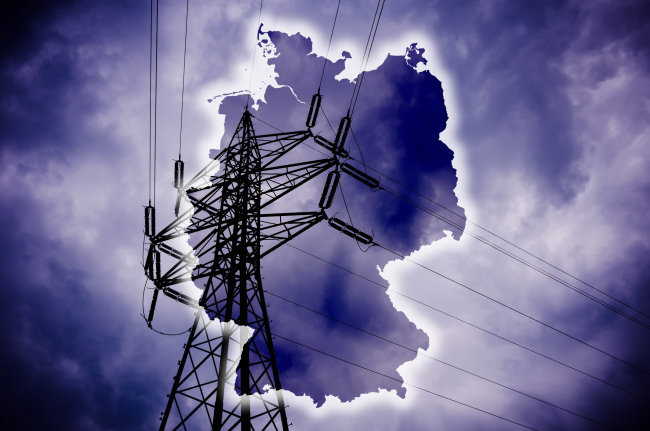
Germany Maintains Its Single Electricity Price Zone: Implications
In December 2025, Germany refused to split its bidding zone despite recommendations from ENTSO-E, in order to preserve its federal unity, market liquidity, and the competitiveness of its industry, at the cost of persistent North-South imbalances.
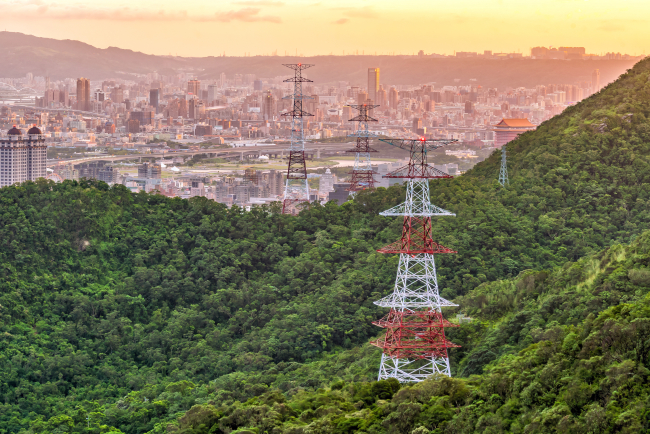
Crisis in the Strait of Hormuz. A Stress Test for Taiwan with Global Implications
The large-scale military operation carried out by the United States (US) and Israel against Iran triggered an Iranian retaliation that resulted in the partial destruction of natural gas liquefaction infrastructure and severe disruption of maritime traffic in the Strait of Hormuz. The economies of East Asia—South Korea, Japan, and Taiwan in particular—are highly exposed to this crisis due to their reliance on liquefied natural gas (LNG) imports for electricity generation.
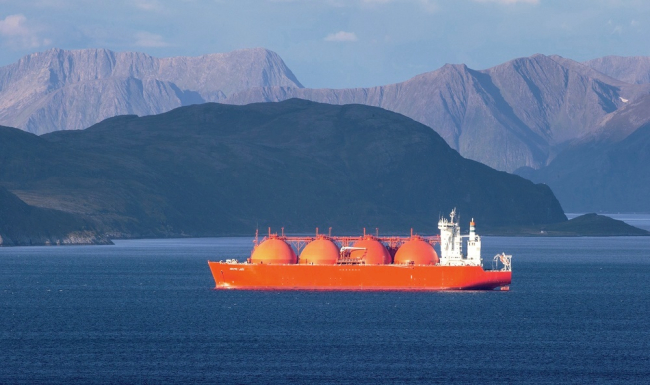
Norway’s Energy Policy Dilemmas and Debates: In or Out?
2026 may prove to be the end of the Norwegian exception. Norway has long prided itself on the successful combination of fossil fuel extraction with a strong social democracy.

The US’s Critical Mineral Offensive Strategy: How Can Europe Step Up?
As Organization for Economic Co-operation and Development (OECD) economies are confronted with mounting threats to critical raw materials (CRM) supplies, resolute interventionist policies are needed to build resilient value chains.

Financial Tools for Boosting Resilience of CRM Value Chains and Strategic Stockpiling
Critical Raw Material (CRM) value chains are more vulnerable than ever and entire vital industries in Europe are now at risk if supplies are not secured through strategic and urgent actions, given mounting geopolitical confrontation, resource nationalism, growing demand and limited supply increase.
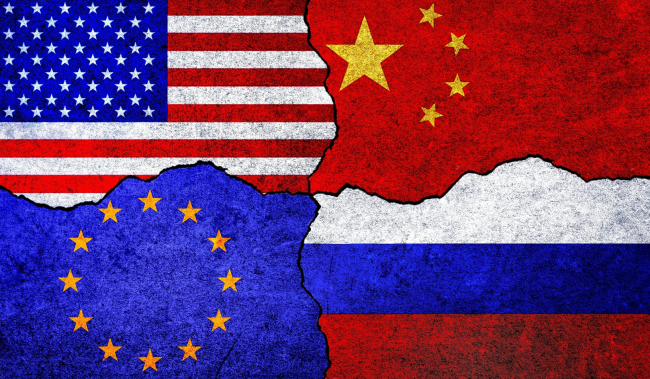
Placing the EU on a Warfare Footing: Energy and Raw Materials Priorities for 2026
The year 2025 has confirmed that one must prepare for much worse in the field of geopolitics and geoeconomics as the intensity and frequency of shocks increase and as the European Union (EU) has no more stable flanks now that crises with the United States (US) become so frequent and reveal a systemic rift. In the world, barriers to trade multiply and dependencies are weaponized.
Brazil One Year Away from the October 2026 General Elections
Brazil’s general elections will be held on October 4, 2026, to elect the president, vice-president, members of the National Congress, governors, deputy governors and state legislative assemblies. For the presidential and gubernatorial elections, a second round will be held on October 25 if no candidate obtains a majority of the votes in the first round.
COP30: An Inflection Point for Climate Action and Governance
The 30th Conference of the Parties (COP30), opening in Belém, Brazil, on November 10th 2025, convenes at a perilous moment.
The Strategic Dimension of Skills in the Clean Industrial Deal
In the competitiveness and energy transition battles, the European Union (EU) must master a determinant factor: skills.

EDF’s problems pile up as full nationalisation looms
French supplier of nuclear energy is struggling with plant shutdowns, build problems and skills shortages.
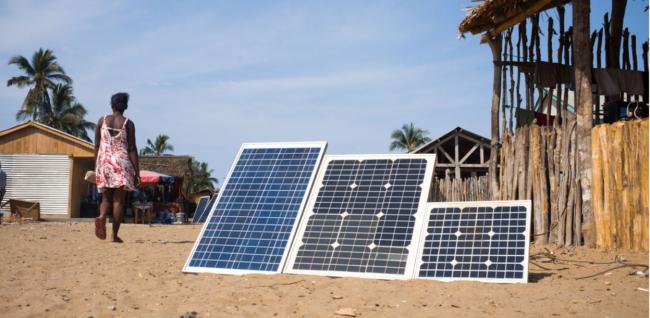
Solar power shines through after a slow start in Africa
The case for the renewable energy source is becoming clearer on the ‘sun continent’


Delhi to Paris: A strategic partnership
Prime Minister Narendra Modi’s visit to France on May 4 is his fifth since 2015, and the 10th such high-level bilateral visit.

Le Pen Puts Fuel-Tax Cut, Wind Crackdown at Heart of Energy Plan
As Europe suffers its worst energy crisis in a generation, French presidential candidate Marine Le Pen is proposing to subsidize consumption while further curtailing supply.

What can we expect from Russia at COP26?
We ask experts whether the Kremlin’s latest moves on climate, including its 2060 net-zero target, heralds genuine change or more greenwash.
Russia has been seen as a climate pariah by the international community for some years. It was one of the last counties to ratify the 2015 Paris Agreement – not until September 2019, at the UN’s Climate Action Summit.

France eagerly awaits more detailed climate plan from China
The two countries have been solid partners throughout the Trump era and France is now watching China’s investments closely, both at home and abroad.
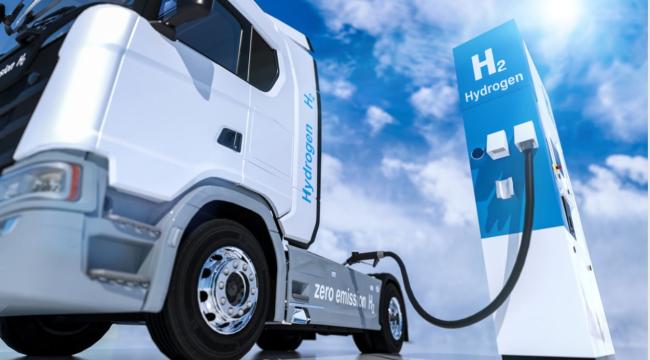
China Defies Elon Musk’s Warnings and Pushes Ahead With Hydrogen
Asia’s biggest economy wants to promote fuel cells for trucks. Renewable energy investments should make hydrogen less costly. Tesla Inc.Chief Executive Officer Elon Musk has spent years mocking the idea of using hydrogen fuel cells rather than electric batteries to power next-generation green vehicles.

Academic: Higher carbon price needed to ramp up EU biomethane production
The price of CO2 credits on Europe’s emissions trading scheme needs to rise to around €50 per tonne in order to drive the long-term development of Europe’s biomethane industry, says Marc-Antoine Eyl-Mazzega, a French researcher.
The future of biogas in Europe: it’s a local affair
The prospects for biogas in Europe look bright, with conservative estimates pointing to a tenfold increase in production by 2030. However, the industry will need to stay rooted in the local economy and come clean on environmental credentials if it wants to avoid a green backlash, analysts say.

Naftogaz vs Gazprom: Infinity War
Energy has been at the heart of Ukraine's troubles with Russia over the past two decades, typically as a means for Moscow to pressure its former province. The pressure points have changed over the years – moving from a focus on direct supplies to transit through Ukraine – but the battle remains a constant for regional energy and security.
Ifri, a foundation recognized as being of public utility, relies largely on private donors – companies and individuals – to guarantee its sustainability and intellectual independence. Through their funding, donors help maintain the Institute's position among the world's leading think tanks. By benefiting from an internationally recognized network and expertise, donors refine their understanding of geopolitical risk and its consequences on global politics and the economy. In 2026, Ifri partners with over 90 French and international companies and organizations.

Ifri's Energy and Climate Center carries out activities and research on the geopolitical and geoeconomic issues of energy transitions such as energy security, competitiveness, control of value chains, and acceptability. Specialized in the study of European energy/climate policies as well as energy markets in Europe and around the world, its work also focuses on the energy and climate strategies of major powers such as the United States, China or India. It offers recognized expertise, enriched by international collaborations and events, particularly in Paris and Brussels.