



Energy-Climate
In the face of the climate emergency and geopolitical confrontations, how can we reconcile security of supply, competitiveness, accessibility, decarbonization and acceptability? What policies are needed?
Related Subjects
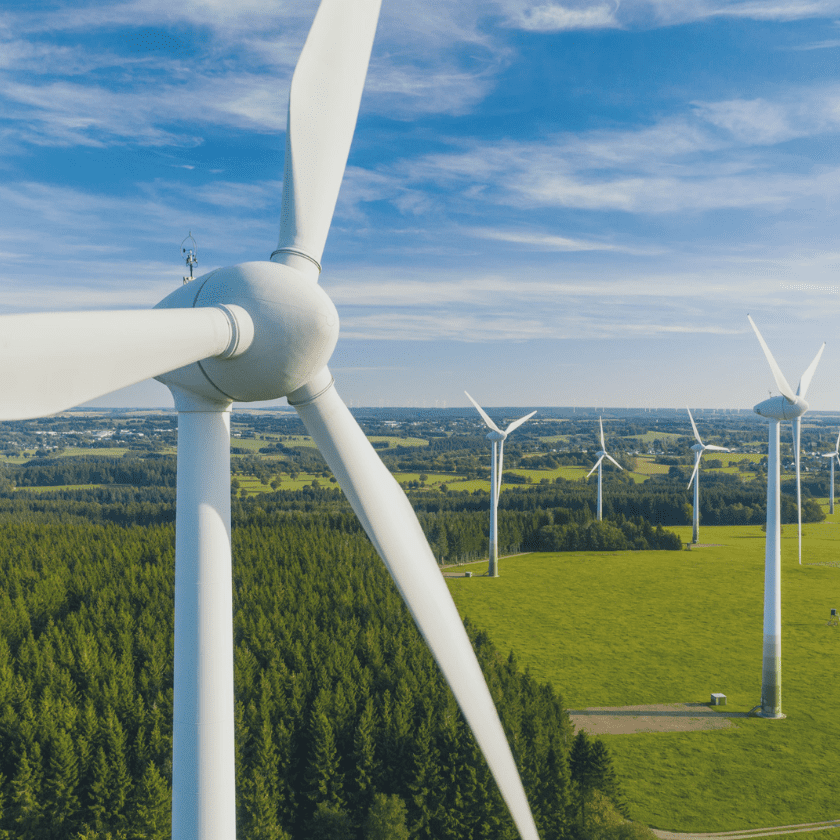
The US’s Critical Mineral Offensive Strategy: How Can Europe Step Up?

As Organization for Economic Co-operation and Development (OECD) economies are confronted with mounting threats to critical raw materials (CRM) supplies, resolute interventionist policies are needed to build resilient value chains.

Reading Rouhani Right
Poll numbers are the life blood of politics these days. Anything expressed in digits has a claim to truth that assertions without digits cannot make. They inspire confidence - especially among those aspiring to public office - that they actually understand what public sentiment is. If you lived between nuclear-armed Israel and Pakistan and had as many world class enemies as Iran has accumulated - would you give up your pursuit of a nuclear weapon?
The Mining Boom in the Sahel Region: Will the Development Last?
The Sahel, often discussed on account of its problems and crises – in particular recently, in view of the crisis in Mali – is in actual fact experiencing a new positive economic era, like the rest of the African continent. For the five countries of the Sahel region we shall be examining – Mauritania, Senegal, Mali, Burkina Faso and Niger – this favourable evolution, although it varies from country to country, is based on booming extractive industries.
Urbanization and Mobility in China: New Patterns and Intermodal Connections
Chinese cities are getting bigger and are also growing into each other. To ensure that the rapidly increasing number of urban residents have access to adequate transportation not only requires increased investment in transportation, but also careful deliberation to allow an optimal tradeoff between different modes of transport as well as a coordinated approach to land development and transport development.
The Impact of the Development of Shale Gas in the United States on Europa's Petrochemical Industries
The shale gas revolution has led to strong falls in energy prices, reducing significantly the raw material costs of the US petrochemical industry. Between 2008 and 2012, US gas prices fell by two thirds.
The Vegetation Programme
Under human pressure, many changes are taking place in the resources and the environment of Earth. An increasing global population fuels the need for food, natural resources and land. Consequently, the need for maintaining a capacity to observe and understand the Earth system and the biophysical processes has become a key element for the sustainable management of the planet’s natural resources. The SPOT-Vegetation instruments have significantly contributed to reach this goal.
Dynamics and drivers of shale gas development in three European countries: can a European policy be imagined?
The European Commission introduced in its Work Programme 2013 an action regarding “Environmental climate and energy assessment framework to enable safe and secure unconventional hydrocarbon extraction”.
Year 2 of Germany's Energy Transition
After a decade characterised by the take-off of renewable energies, Germany decided in 2010 to make them the top priority. At the same time, it decided to make exemplary efforts in terms of energy efficiency and the reduction of greenhouse gases. The audacious nature of this policy was strengthened by the “turn” taken in 2011 to give up nuclear energy in the wake of the Fukushima accident.

The Baltic Forum 2013
Significant changes in global and regional energy supply and demand, as well as their influence on the political decision-making determine the need to restore proper expert analysis of problems and development perspectives.
Traffic streams, especially energy resource transit, are directly subordinate to the changes in the relations between the countries of the world. Logistics cannot be considered in isolation from the international security and energy policy.
The ensuring of Euro-Atlantic security to the countries and country groups in the surrounding turbulent world is one of the most important and topical issues for joint consideration.
How is Russia Adapting to a Threatening New Energy World?
The US shale gas revolution has shaken global gas markets. The US is on the eve of becoming self-sufficient in natural gas (and oil), thanks to the massive discoveries of unconventional resources on their territory, while being able to export part of their production. These developments have been closely watched by traditional oil and gas producers.
The European Gas Market: A Reality Check
With the approach of the 2014 deadline for the completion of a truly European liberalized energy market, there is growing concern on the adequacy of the market structure with the changed economic and geopolitical environment. Market-based and short-term approaches have been fostered for both gas and electricity markets. Energy and climate policies have therefore a primary function in designing the basic rules for these markets to develop.
Offshore Gas in East Mediterranean: From Myth to Reality
The wave of deep offshore and unconventional gas and oil exploration projects, rendered economically feasible by relatively high prices and new technologies, has reached the shores of the Mediterranean. Levantine countries, including Cyprus, Israel, Palestinian Territories, Lebanon, Syria, have new offshore gas potentials.
The Conundrum of the Southern Gas Corridor: What are the Risks for Europe and Azerbaijan? The viewpoint of an insider
For more than ten years, harsh negotiations among different oil majors and pipeline consortia have been taking place about the Southern Gas Corridor, all of them seeking to transit 10 bcm/year of natural gas that will be produced from the Shah Deniz giant gas field of Azerbaijan to the European Union. As of today, no Final Investment Decision (FID) has been reached neither for the preferred pipeline route to Europe, nor for the production of the second phase of Shah Deniz.
The European Commission Energy Green Paper: A Draft to Be Revised
The European Commission has just made public a green paper devoted to its energy and climate policies until 2030.
The European Refining Crisis: What is at stake for Europe?
The European Refining sector is in crisis. The wave of refineries closures has spared no EU Member States.
Global Coal Trade from Tightness to Oversupply
Over the past four years, international coal trade has been reshaped by China’s surging imports.
Governors, Oligarchs, and Siloviki: Oil and Power in Russia
The contest for control of Russia's oil industry has been an integral feature of the country's politics ever since the collapse of the Soviet Union.
Powering Kuwait into the 21st Century: Alternatives for Power Generation
Kuwait is facing a surge in the consumption of power. The current power fuel mix, based on oil, appears unsustainable. Yet Kuwait has a large number of assets.
Solar Photovoltaic Energy Policy in Europe: Losing Sight of What is Right: Current Developments and Lessons Learned for Policymakers and Industry
Europe has set ambitious but drastic targets in order to fight climate change. The 20-20-20 objectives demonstrate this. By 2020, emissions are to be reduced by 20%, the share of renewable energy sources (RES) in energy consumption is targeted to rise to 20%, and energy efficiency is planned to increase by 20% in comparison to the 1990 levels in Europe.
What Role for the EU in Doha?
Historical leader of the fight against climate change, the European Union’s influence declined in Copenhagen. This opened the way to the so-called BASIC countries to show their willingness to become a driving force in the international climate agenda. Interestingly enough, the Copenhagen conference also introduced a welcome shift in the traditional UN separation between developed and non-developed countries.
Towards Gas-on-Gas Competition in Europe from Trends to Reality?
Last week Centrica announced having signed a three-year gas supply contract with Gazprom Marketing and Trading UK entirely priced against UK spot gas market (NBP). This move follows other announcements in the sector, such as EON long-term gas supply contracts renegotiation, which allowed it to almost double its net-profit forecasts for 2012, or BP intention to sell Shaz Deniz II gas with spot-indexed contracts. All major European suppliers have been able to renegotiate long-term oil-indexed contracts with Gazprom lately and, more generally, contracts are increasingly being based on some spot-indexed price formula. How could that happen and what does it mean?
2020 And Beyond: 2050 in light of the Copenhagen Accord
At the end of the Copenhagen Conference of December 2009, the attending parties failed to agree on a legally binding commitment, but ultimately signed the Copenhagen Accord. The countries signing this accord took different engagements in respect to their economic and emissions status.
Wind Power: a Victim of Policy and Politics?
In December 2008, as part of the fight against climate change, the European Union adopted the Energy and Climate package that endorsed three objectives toward 2020: a 20% increase in energy efficiency, a 20% reduction in GHG emissions (compared to 1990), and a 20% share of renewables in final energy consumption.
Nordstream: Just-in-time?
Last week the gritty Russian/Ukrainian gas relationship was back in the press. This time the issue appeared to be Ukraine’s efforts to secure lower prices for its consumers - perhaps even on a par with Russia’s domestic consumers. The Ukrainians must surely know that to qualify for those kinds of special prices available previously only to politically compliant neighbors - Ukraine would have to return to some form of pre-Orange Revolution relationship with Mother Russia.
Spat in the East China Sea Offers Lesson on Raw Material Dependence
There is a valuable lesson to be learned about raw material dependence from the tensions between China and Japan in the East China Sea. It’s not about the oil and gas that is thought to be stored under the seabed in disputed waters, but rather the so-called “rare earth elements”, of which China produces 97% of the global supply.
Lessons Learned from Oily Pelicans? A Comparative Policy Paper on Maritime Oil Spill Disasters
Turn on the news or open the paper and sure enough there will be mention of the disastrous oil spill in the Gulf of Mexico. Although it has retreated from the big headlines, the disaster still looms large as people deal with the aftermath of the BP catastrophe.
The EU's Major Electricity and Gas Utilities since Market Liberalization
A major change has taken place in the company structure of the European electricity and gas markets. Twenty years ago, national or regional monopolies dominated the markets and there was strictly no competition between utilities. But since the liberalization of EU energy markets began in the 1990s, companies like E.ON, GDF Suez, EDF, Enel, and RWE have become European giants with activities in a large number of Member States.
An Azeri-Turkish deal on gas - a partnership renewed
The package of the Azeri-Turkish gas agreements signed in Istanbul on June 7, 2010, in the presence of President Ilham Aliyev and Prime Minister Recep Erdogan certainly makes cooperation easier in a sector which both parties consider to be strategic. It does not, however, specify all details of the sale and transit of gas (see e.g. EurasiaNet, 7 June). The documents above all have important political significance.
Russian Gas Diplomacy
Thank goodness our early warning systems during the cold war were not structured so we could see the flash at the same time we heard the warning. On Monday, the Russians notified the Europeans under an “Early Warning” agreement negotiated after the last Ukrainian gas cutoff that they had already cut gas flows to Belarus by 15% and that would increase cuts to 85% by the end of the week. Not very good news for the Belarusians who enjoy the most gasified economy in the world - everything there runs on gas.
Saving Wind from its Subsidies
European subsidies for wind energy are too high and unspecific. They risk frustrating their own objective.
Jurassic Oil
Why do we have to drill through a mile of water and then three miles of rock to get oil? Surely there are better options in the world’s geologic resource base than deep, acidic, high pressure deposits that threaten the waters and coasts of the Gulf of Mexico, Gulf of Guinea, Campos Basin, Barents Sea and the Caspian. Most of this is oil that got deposited even before continental drift started.
Ifri, a foundation recognized as being of public utility, relies largely on private donors – companies and individuals – to guarantee its sustainability and intellectual independence. Through their funding, donors help maintain the Institute's position among the world's leading think tanks. By benefiting from an internationally recognized network and expertise, donors refine their understanding of geopolitical risk and its consequences on global politics and the economy. In 2026, Ifri partners with over 90 French and international companies and organizations.

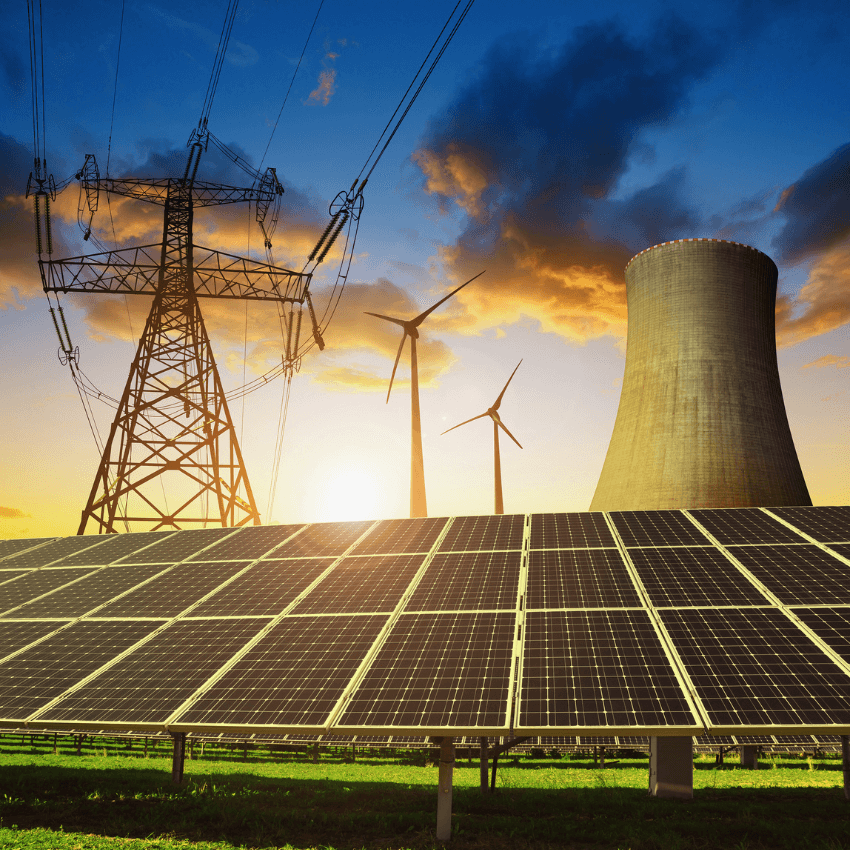
Ifri's Energy and Climate Center carries out activities and research on the geopolitical and geoeconomic issues of energy transitions such as energy security, competitiveness, control of value chains, and acceptability. Specialized in the study of European energy/climate policies as well as energy markets in Europe and around the world, its work also focuses on the energy and climate strategies of major powers such as the United States, China or India. It offers recognized expertise, enriched by international collaborations and events, particularly in Paris and Brussels.