



Energy-Climate
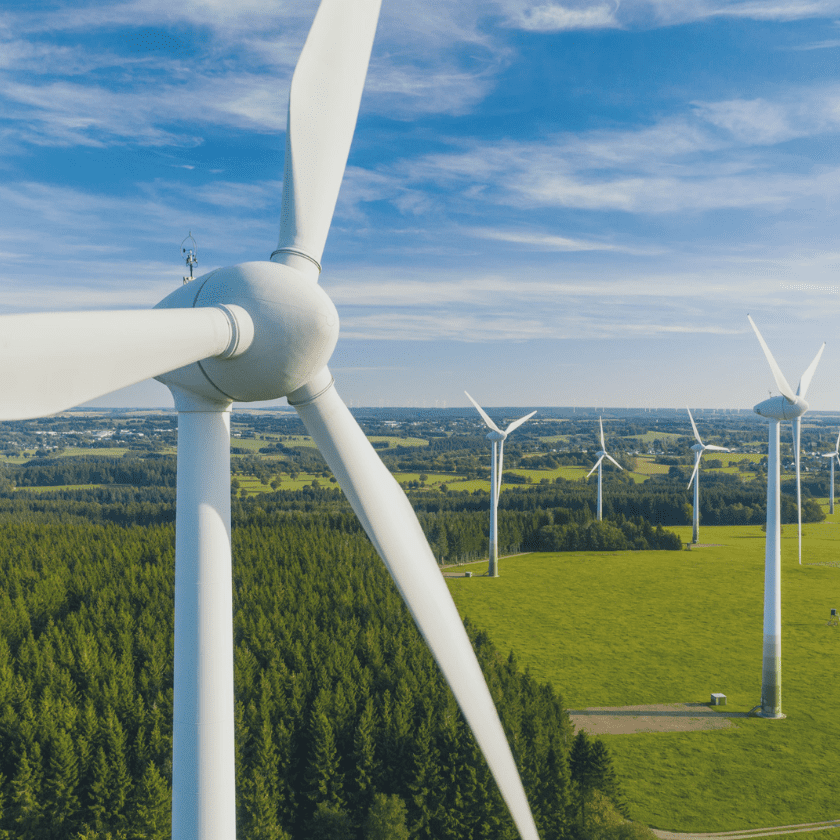
In the face of the climate emergency and geopolitical confrontations, how can we reconcile security of supply, competitiveness, accessibility, decarbonization and acceptability? What policies are needed?
Related Subjects
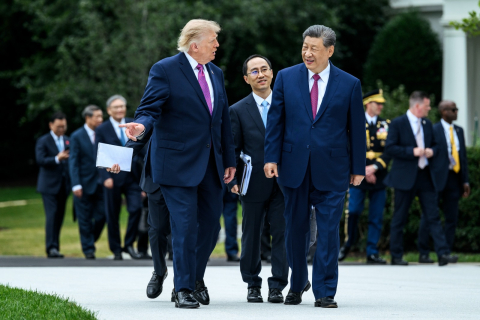
The US’s Critical Mineral Offensive Strategy: How Can Europe Step Up?

As Organization for Economic Co-operation and Development (OECD) economies are confronted with mounting threats to critical raw materials (CRM) supplies, resolute interventionist policies are needed to build resilient value chains.

Climate: Which Way Forward?
Thirty years after Rio, the case file “Climate: Which way forward?” assesses current climate commitments, which are undoubtedly less impressive and less certain than the political pronouncements and media fanfare make them seem. A number of fundamental problems remain.
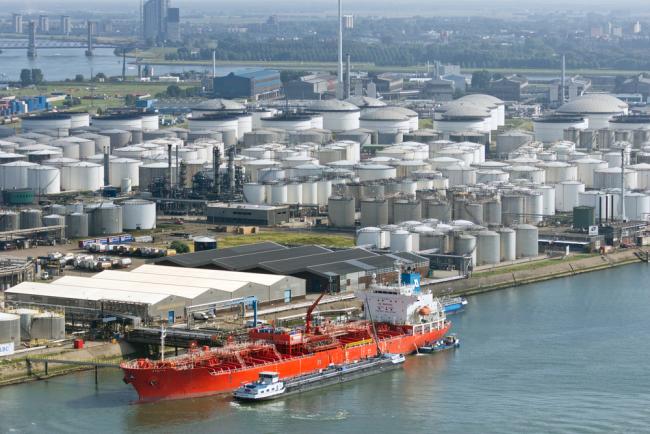
Saving Energy in a Hurry: Reducing Dependence on Russian Hydrocarbons Requires Resolute Demand and Supply Sides Action
Facing Russia’s aggression on Ukraine, European countries have enacted economic and financial sanctions against Russia.

The EU’s Carbon Border Adjustment Mechanism: A Piece in the Industry Decarbonization Puzzle
The Carbon Border Adjustment Mechanism (CBAM) is a first step toward reconciling the European Union (EU)’s climate and trade interests. However, a complementary set of domestic and external policies will be needed to drive the decarbonization of European and global energy-intensive industries.
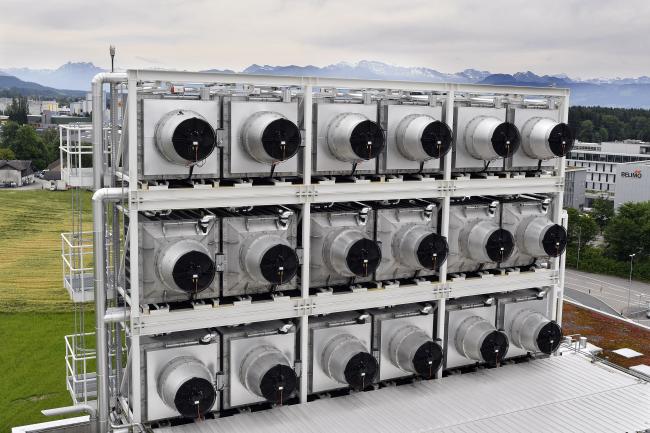
Geoengineering to the climate's rescue? Issues, actors and perspectives of an anthropocene symbol
Geoengineering is a catchword for a wide range of techniques, and it is becoming an international issue that will grow in importance as the costs of certain technologies fall or as greenhouse gas emissions continue to decline, making these techniques more attractive.
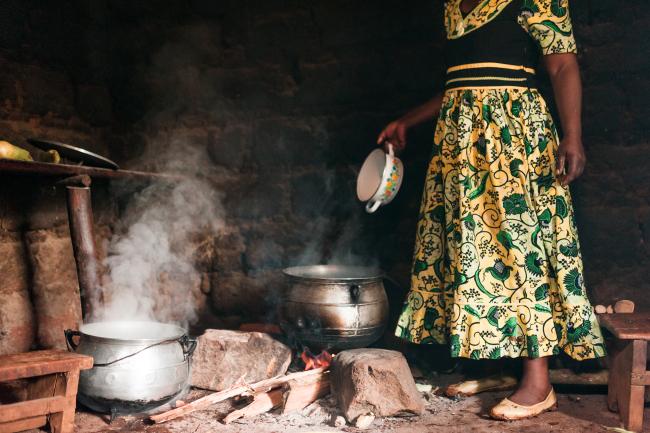
Power to the Cooks! New Clean Cooking Opportunities for Sustainable Development in Sub-Saharan Africa
2.6 billion people globally and 1 billion in Sub-Saharan Africa (SSA) cook using biomass fuel. The detrimental effects on the environment and public health, as well as the time and money lost are considerable. If nothing new is done, this situation will worsen further in SSA.
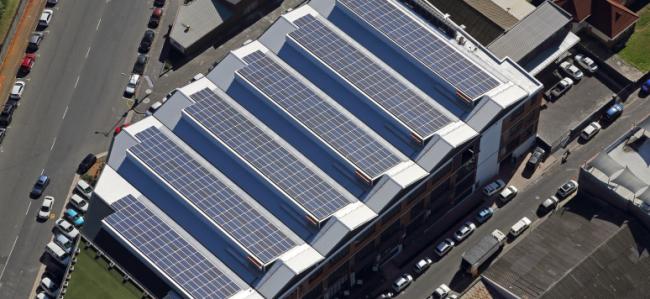
Booming Decentralized Solar Power in Africa’s Cities. Satellite Imagery and Deep Learning Provide Cutting-Edge Data on Electrification
The market for decentralized solar systems first developed in rural Africa, and today it is expanding to the continent’s cities, though these areas are already covered by each country’s central network.
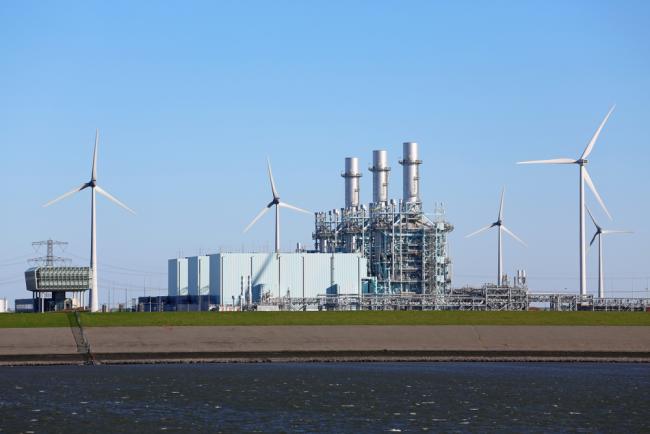
The Energy Price Crises: A Reality Check for Europe’s Green Deal
On its path to carbon neutrality, the European Union (EU) will be exposed to growing energy price volatility and vulnerable to Russian and Chinese pressure on supply and demand.

What can we expect from Russia at COP26?
We ask experts whether the Kremlin’s latest moves on climate, including its 2060 net-zero target, heralds genuine change or more greenwash.
Russia has been seen as a climate pariah by the international community for some years. It was one of the last counties to ratify the 2015 Paris Agreement – not until September 2019, at the UN’s Climate Action Summit.
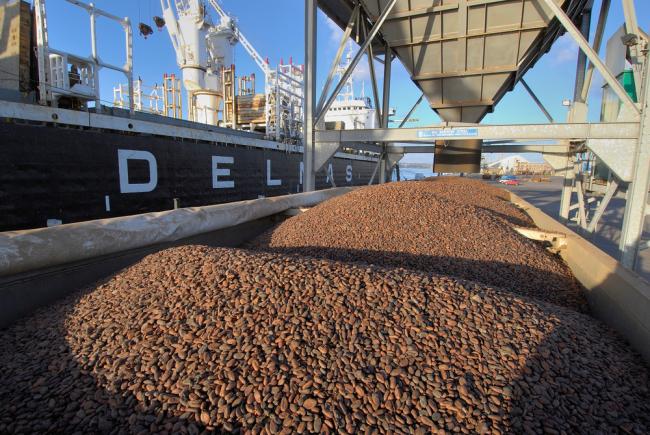
A Strategy for Solving Europe’s Imported Deforestation Problem
The European Union (EU) is the world’s main trader in agricultural products, with imports totaling €142 billion in 2020. These imported agricultural products include commodities – palm oil, beef, cocoa, coffee, soy, etc. – that are responsible for deforestation in producing countries and thus create an “imported deforestation” problem for Europe.

The Missing Guest: Energy Efficiency in the Multilateral Energy Arena
Since the 1970s, energy efficiency has gained visibility as a low hanging fruit – its potential impact on critical issues such as climate change, energy security, or competitiveness is now widely acknowledged, even more so in times of higher energy prices.
Climate and International Trade: The Clash of Powers
The fight against climate change has a major economic dimension. With climate neutrality as their new objective, the major powers are counting on green industrial policy, and trying to contain the emissions related to their imports.
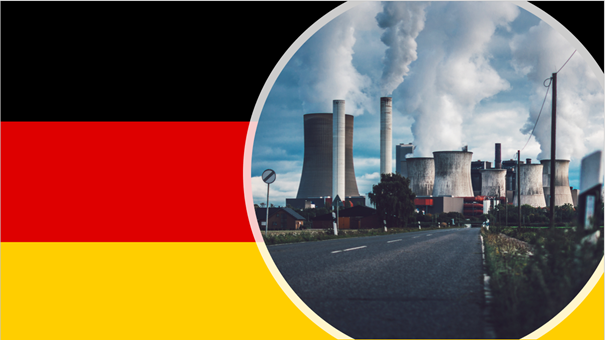
Facing a Wall: Climate in the German Elections and Perspectives for France
All key candidates have climate neutrality by 2045 in sight, yet Germany is preparing to embark on a high-speed decarbonization train that has neither enough power nor rails to lead to its final destination. Beyond slogans and principles, effective strategies have often been missing.

After the Hydrogen Bubble Bursts: The Factors Shaping and Possibly Unfolding International Hydrogen Value Chains
The laws of physics and the geographic realities will prevail over the myths of hydrogen (H2): it will essentially be delivering carbon-neutral feedstocks to the chemical and steelmaking industries, carbon-neutral fuels to shipping and aviation, and eventually ensuring security in fully decarbonized power grids.

Critical Metals: the need for an International Minerals Agency
Marc-Antoine Eyl-Mazzega, director of Ifri's Center for Energy & Climate, explains why the creation of an International Minerals Agency would be essential to the regulation of this strategic global issue and how it could facilitate the dialogue between producers and consumers, bringing together States, industrialists, multilateral and non-governmental organizations.
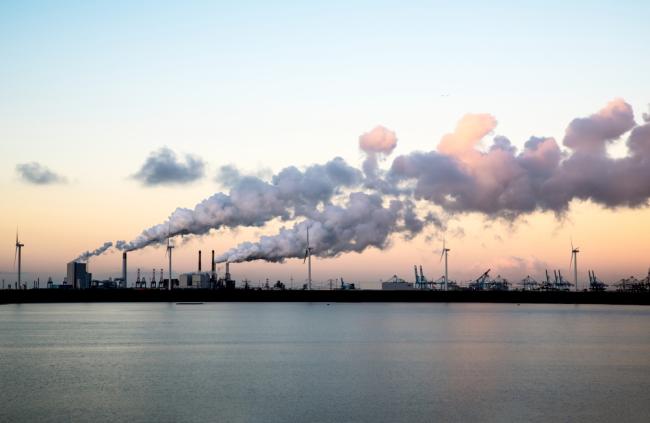
CCUS in Europe: A New Role and Implications for France and Germany
A second wave of carbon capture, utilization and storage (CCUS) projects is under development, and it is much different from the 2000 wave. While Norway, the United Kingdom and the Netherlands are at its forefront, France and Germany have major competencies, and many projects could be carried out in these countries.
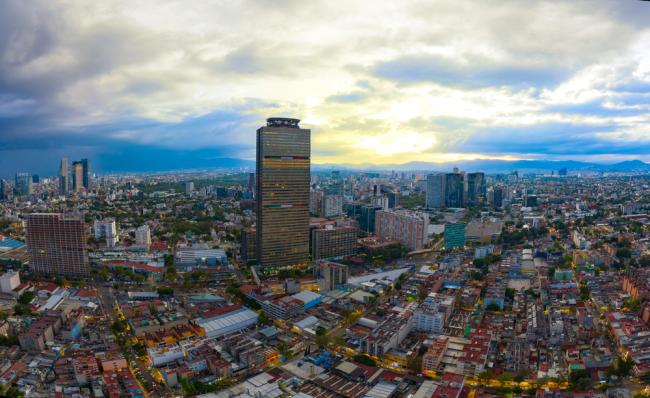
Mexico’s Energy Policies During the Presidency of Andrés Manuel López Obrador: Sovereignty and Security
In power for three years, President López Obrador leads a National Revolution. The energy sector sees the strengthening of the State and state-owned companies, the Federal Electricity Company and Petróleos Mexicanos, against the liberalization principles implemented in the Energy Reform (2013-2014).
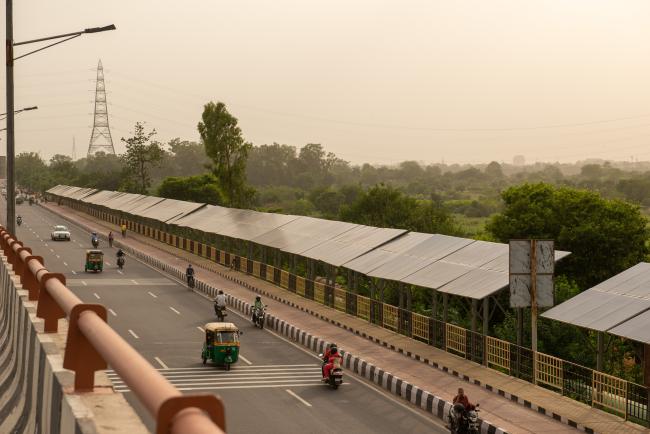
India’s Energy and Climate Policies Post COVID-19: Short Term Slowdown, Longer Term Boom in Renewables
India has long been a positive and committed partner in global and domestic climate change mitigation efforts.
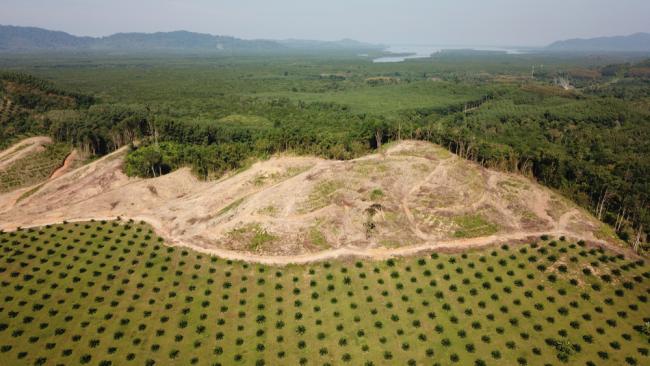
Geopolitics of the World’s Forests: Strategies for Tackling Deforestation
Deforestation continues at a worrying pace worldwide, except in temperate and boreal countries. It is caused by the race for land, underpinned by population growth and rising global demand for “deforestation-prone” products. Moreover, with climate change, mega-fires are now posing unprecedented threats to forests.

Green Recovery for Sub-Saharan Africa: Boosting Sustainable Electrification
If sub-Saharan Africa followed the same model of economic development as the rest of the world, focused on the growth of carbon intensive industries, cities and infrastructures, it would seal the planet's climate future. Africa’s emissions today are among the lowest per capita in the world: 0.8 tons/capita.
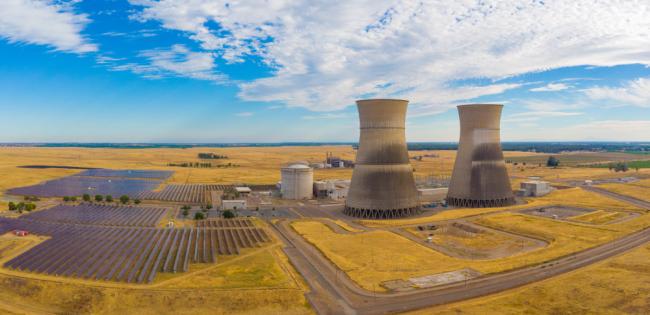
The Herculean Task of Decarbonizing the American Power System by 2035
The Biden Administration has so far taken the focus of the Biden candidate on climate issues seriously, especially the commitment made during the campaign of a net zero power system by 2035.
Global Coal Markets at a Climax. An Era of Coal Decline is Finally about to Begin
In a previous note published in 2018, we noted that global coal demand had flattened. Several governments had announced coal phase-out plans, global coal power investment had contracted, and investment in greenfield coal mines was also at a standstill. The freezing of financial resources for coal projects might have indicated the beginning of a structural decline in coal demand and supply.
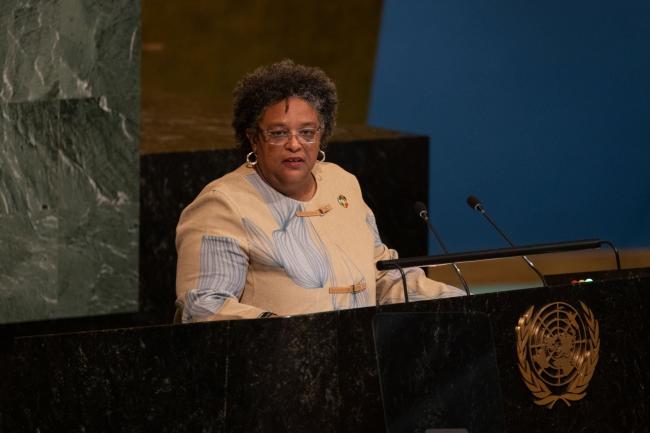
Is International Climate Finance Unfair and Inefficient?
Finance is arguably the most sensitive climate negotiation topic. Different studies have shown that rich countries emit the majority of greenhouse gas (GHG) emissions, while the climate footprint of the poorest countries is much more limited.

IRA: Towards Clean Hydrogen Leadership in the U.S.
Although late in adopting clean hydrogen (H2) and defining a national strategy–a draft was presented by the Department of Energy (DOE) in September 2022–, the United States (US) has strongly reinforced its support to clean hydrogen with the passage of the Inflation Reduction Act (IRA) in August 2022.
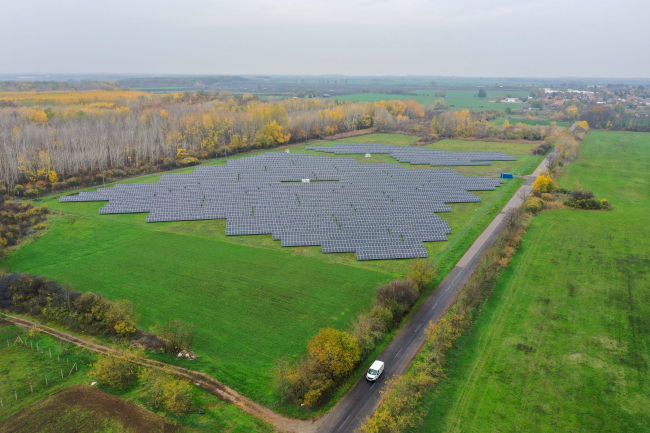
The Europeanisation of the Energy Transition in Central and Eastern EU Countries: An Uphill Battle that Can Be Won
Russia’s war in Ukraine, and the brutal decoupling from Russian fossil fuels, is a game changer for the Central and Eastern Europe region which was still heavily dependent on Russia for its energy supply.
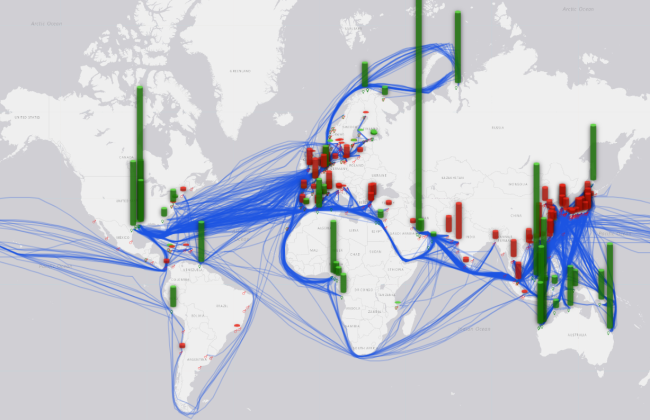
The Strategic Repositioning of LNG: Implications for Key Trade Routes and Choke Points
2022 saw the climax so far of the weaponization of energy. Following its geopolitical demise, Russia has undertaken its own gas amputation, moving from a super energy power status to a diminished role with uncertain prospects and only hard options left.

G20 Energy Transitions and Climate Finance Task Force Report
India is at the helm of the G20 presidency since the 1st of December 2022 for the duration of a year, with energy transition and climate finance being key topics on its agenda. In this context, the Gateway House put in place a G20 Energy Task Force to which Ifri’s Research Fellow, Diana-Paula Gherasim, participated.
Higher Renewable Energy Targets in Germany: How Will the Industry Benefit?
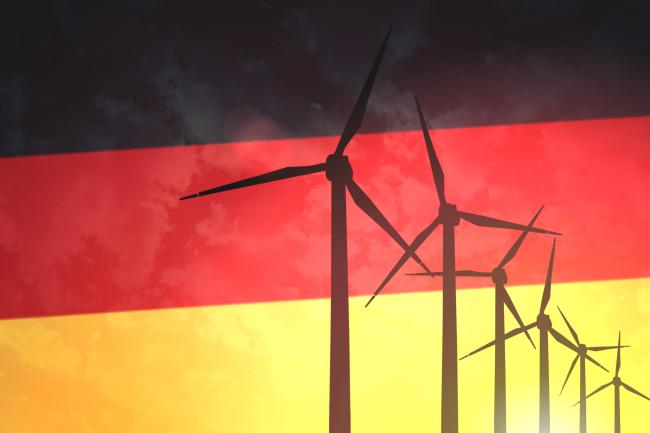
“Deutschland – Einstieg in die Deindustrialisierung?” – “Germany, the beginning of deindustrialisation?” asked the German economic newspaper Handelsblatt in the context of the spike in energy prices that has put at risk thousands of companies across Germany in 2022. Whereas some sectors such as steel, glass and chemicals have been seriously hit, the manufacturing industries operating in the areas linked to the energy transition (such as renewable energies and hydrogen production) should benefit from decisions taken to reach climate neutrality.
The Geopolitics of Seawater Desalination
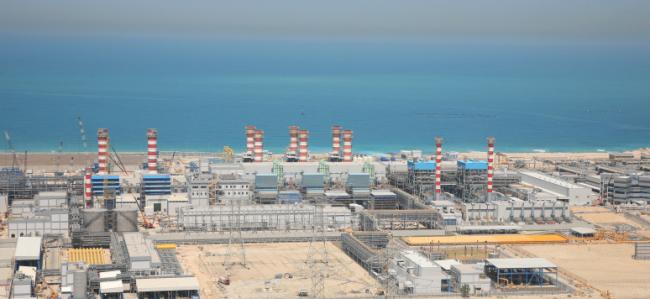
Water desalination is gradually emerging as the leading solution to cope with increasing water stress: i.e., the imbalance between water demand and quantities available. The United Nations estimates that by 2025, two-thirds of the world’s population will be affected by such challenges. The causes of water scarcity are multiple, including climate change, intensive agriculture, and population growth. This requires states to rethink their water policies, which are central to preserving their stability, resilience and sovereignty.
Japan’s Africa policy: Back to basics in times of crisis
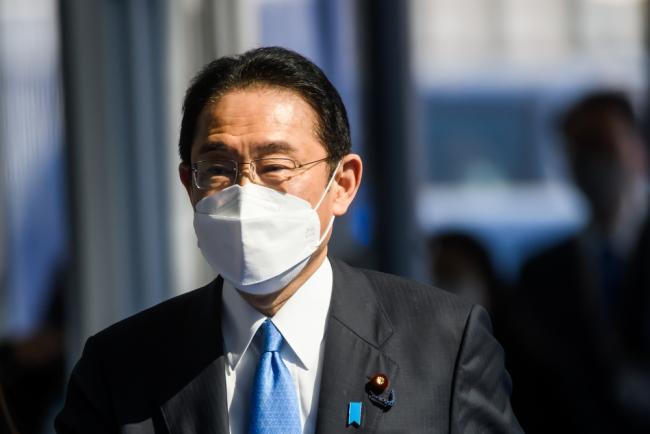
Addressing remotely the 8th Japan-Africa TICAD Summit held in Tunis between August 27th and 28th, Japanese Prime Minister Fumio Kishida pledged $30 billion in public and private contributions to the African continent over the course of the next three years. This is a quite a remarkable move, as no specific amount was mentioned by the late Prime Minister, Shinzō Abe, at the previous TICAD 7 in 2019. By doing so, Japan aims at demonstrating that its commitment to Africa is solid and sustainable: its traditional approach towards a human-centered development is more relevant than ever in these times of crisis (between the pandemic, the war in Ukraine, and the adverse effects of climate change), and clearly marks a difference from China’s practices.
The Missing Guest: Energy Efficiency in the Multilateral Energy Arena
Since the 1970s, energy efficiency has gained visibility as a low hanging fruit – its potential impact on critical issues such as climate change, energy security, or competitiveness is now widely acknowledged, even more so in times of higher energy prices.
Ifri, a foundation recognized as being of public utility, relies largely on private donors – companies and individuals – to guarantee its sustainability and intellectual independence. Through their funding, donors help maintain the Institute's position among the world's leading think tanks. By benefiting from an internationally recognized network and expertise, donors refine their understanding of geopolitical risk and its consequences on global politics and the economy. In 2026, Ifri partners with over 90 French and international companies and organizations.

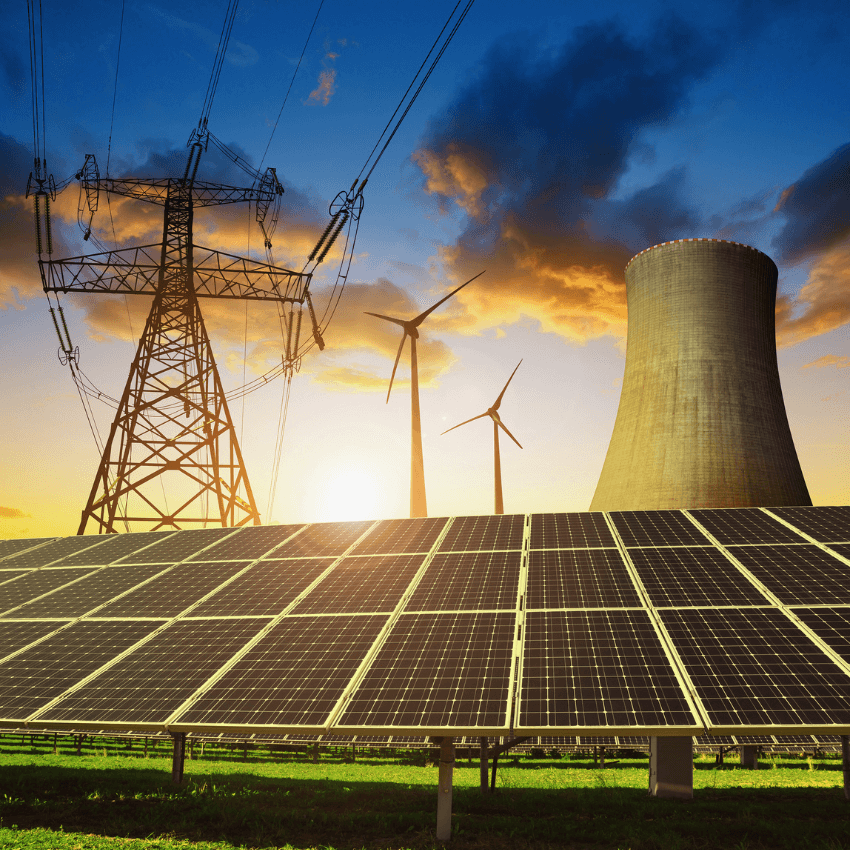
Ifri's Energy and Climate Center carries out activities and research on the geopolitical and geoeconomic issues of energy transitions such as energy security, competitiveness, control of value chains, and acceptability. Specialized in the study of European energy/climate policies as well as energy markets in Europe and around the world, its work also focuses on the energy and climate strategies of major powers such as the United States, China or India. It offers recognized expertise, enriched by international collaborations and events, particularly in Paris and Brussels.