





Security - Defense
As a result of global strategic competition, security and defense issues are marked by the return of major wars and nuclear deterrence, the transformation of terrorism and the race for military technologies.
Related Subjects
A New Japan-France Strategic Partnership: A View from Paris
On the occasion of the conference held on the 22 November 2018 marking the 160th anniversary of Franco-Japanese diplomatic relations, Ifri publishes two parallel articles offering French and Japanese perspectives on the bilateral security partnership. Michito Tsuruoka's analysis of Japan's point of view is available here.
A New Japan-France Strategic Partnership: A View from Tokyo
On the occasion of the conference held on the 22 November 2018 marking the 160th anniversary of Franco-Japanese diplomatic relations, Ifri publishes two parallel articles offering French and Japanese perspectives on the bilateral security partnership. Céline Pajon’s analysis of French point of view is available here.
The Erosion of Strategic Stability and the Future of Arms Control in Europe
The instruments of cooperative security created during and since the Cold War to foster mutual confidence and reduce the risks of war, inadvertent escalation, and arms races, in and around Europe, have come under increasing strain.
Intelligence artificielle : vers une nouvelle révolution militaire ?
Artificial Intelligence (AI) is a priority defense issue for the military powers of the 21st century. Unsurprisingly, the United States and China are currently at the forefront of this new digitalized arms race.
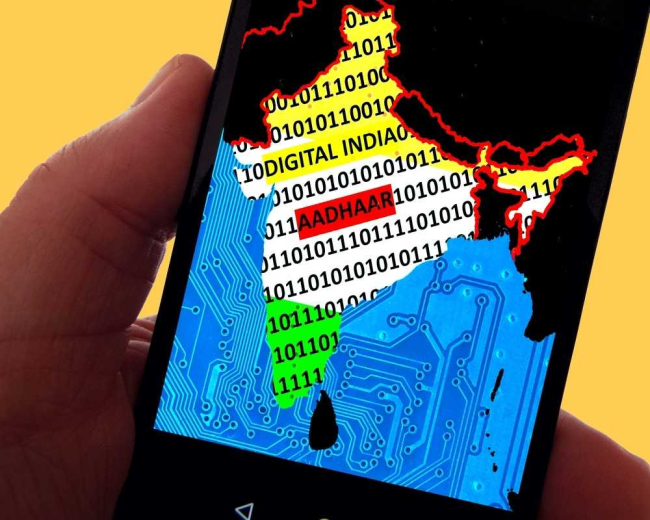
Questions of Fact: India’s Aadhaar Matter and the Limits of the Supreme Court
In September 2018, the Supreme Court of India rendered its verdict in a landmark case with major implications for the Aadhaar biometric identification project as well as the application of right to privacy in India, but the Aadhaar Matter raises important questions about the shortcomings of the Supreme Court’s practice of judicial review.
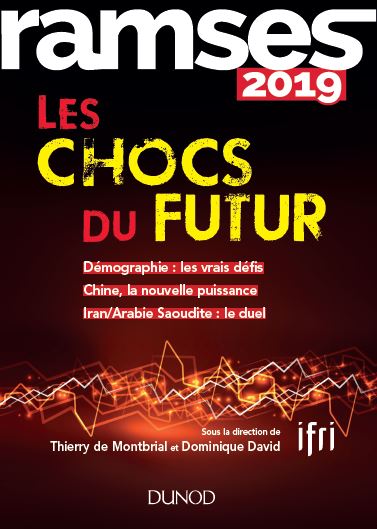
RAMSES 2019. The Clashes of the Future
RAMSES 2019. The Clashes of the Future, written by Ifri's research team and external experts, offers an in-depth and up-to-date analysis of global geopolitics.
Les guerres contre la drogue. Armées, sécurité intérieure et narcotrafic en Amérique latine
In the context of a persistent impunity enjoyed by organized crime and drug trafficking groups, many countries in Latin America, and especially Mexico and Colombia, have opted to assign military personnel to internal security tasks.

A French View: Oil and Water
When the German president, foreign minister, and defense minister gave speeches at the 2014 Munich Security conference—speeches now recognized as watershed moments in Germany security policy—hope began to blossom in France. Would German defense and security policy finally become “normal?” Many viewed the now widely cited speeches as the beginning of a process in which the Germans would have overcome their “culture of restraint” and establish themselves as a full-fledged defense and security ally.

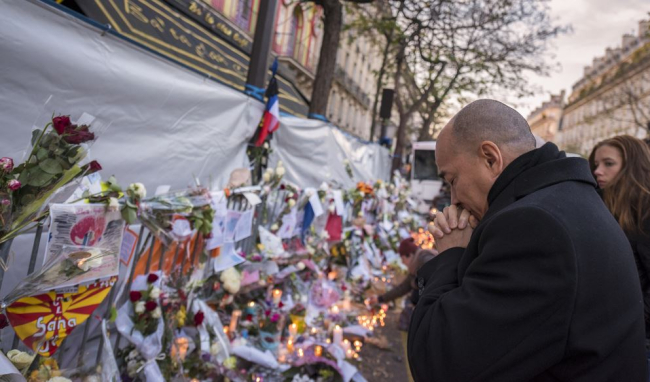
Jihadist Prisoners: The Fear of Recidivism
On July 16, Djamel Beghal is expected to be released from the Rennes-Vezin prison in the west of France. Beghal is a well-known figure in the European jihadist sphere. Born in Algeria in 1965, he settled in France in 1987. Ten years later, he moved to the United Kingdom with his French wife and their children. In November 2000, the family left for Afghanistan, a country then governed by the Taliban.
Penser son ennemi. Modélisations de l'adversaire dans les forces armées
The designation of an enemy is always the result of a political decision, which generally leads to the opening of hostilities.
Opérations de déception. Repenser la ruse au XXIe siècle
Deception operations, which refer to manoeuver, economy of armed forces and surprise, need to be reintegrated at the center of strategy to respond efficiently to modern threats.
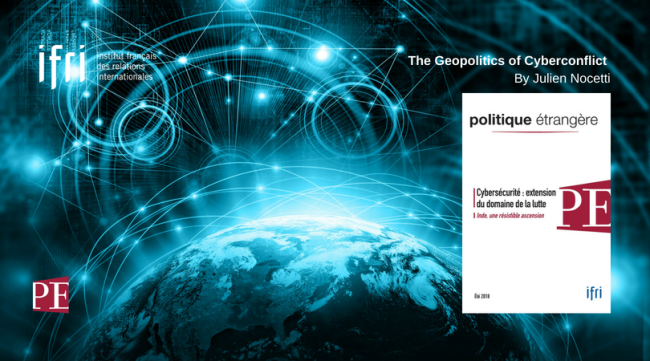
The Geopolitics of Cyberconflict
Cyberattacks are becoming more frequent and more sophisticated.

The European Union's Struggle Against Terrorism
Since 2015, several countries in the European Union have been hit by attacks.
The Gulf Monarchies' Armed Forces at the Crossroads
Something is happening with the military forces of the Arab monarchies in the Gulf.
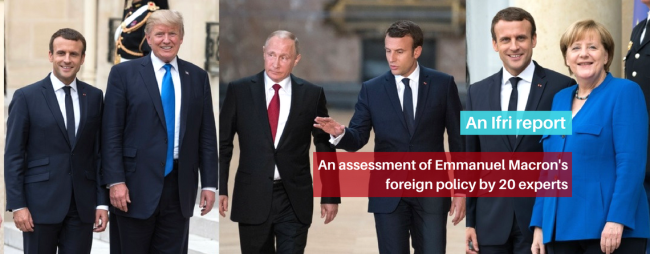
Macron, Diplomat: A New French Foreign Policy?
How can we define Emmanuel Macron’s foreign policy since he took office? After Nicolas Sarkozy’s brazen style of “gutsy diplomacy” and François Hollande’s “normal diplomacy”, the eighth president of the Fifth Republic seems to have opted for an agile classicism. In substance, he makes no claim to any radical break with the past, but sees his approach as being in line with historical tradition.
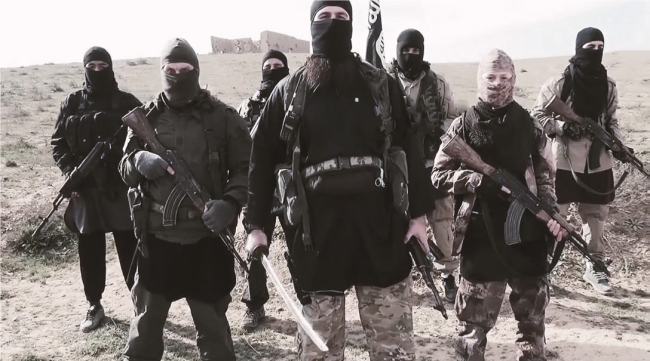
137 Shades of Terrorism. French Jihadists Before the Courts
This study, based on original judicial sources, assesses the profiles of 137 individuals sentenced in France for cases related to jihadism.
Bad cop, Bad cop : la nomination de Mike Pompeo et John Bolton
Benjamin Haddad, a Research Fellow at the Hudson Institute in Washington D.C., reviews Mike Pompeo's appointment as the new U.S. Secretary of State and John Bolton's recent nomination as National Security Advisor. According to Haddad, U.S. President Donald Trump has appointed two lawyers known for their hawkish and interventionist stands on foreign policy and security matters. He thus explains what official policies are to be expected on Iran, North Korea and Russia.

Missiles of March: A political means of last resort for Putin
President Vladimir Putin’s extra-heavy emphasis on new strategic missile systems in his March 1 address to parliament was quite unexpected and rather out of character.
The Strategic Role of Land Forces: A French Perspective
Although the first and foremost domain in the history of warfare, Land power has been dissociated from the concept of “strategic forces” for some time now, as these generally referred to long-range and/or high-yield strike capabilities, above all nuclear weapons.
What Is a Good Security Sector Reform?
For about 20 years, security sector reform (SSR) has emerged as an essential tool for crisis recovery and reconstructing weak and failed states at the heart of the security-development continuum. It is time to take stock of the lessons learnt about SSR and to offer an analysis of good practices and the lessons learned from these experiences.
The Return of Robert Gates
The memoirs of public men are exercises in self-promotion and self-justification. They are designed to etch a portrait of the (wo)man that will live across time. It's the legacy thing. These days, that legacy pertains also to the "here and now" since memoirs are not necessarily the conclusion of a career but rather the curtain-raising on its next act.
Political and Economic Effects of Qaddafi's Death on Chad
On 24 August 2011, President Idriss Déby Itno of Chad recognised the National Transitional Council (NTC) as the only legitimate authority in Libya. Until then, the Chadian president had been a firm ally of the Guide of the Great Jahamiriya, President Qaddafi of Libya. Déby had sustained his long-time friend and helper with military equipment and soldiers from Chad from the beginning of the uprisings.
China's Nuclear Idiosyncrasies and Their Challenges
In many respects, the People’s Republic of China’s nuclear arsenal and posture appear unusual to Western eyes. From its “No First Use” policy to its nuclear warhead storage system, Beijing appears to think about nuclear weapons and their strategic effects in a way that differs with the West in general, and with the United States in particular.
The IDF on All Fronts: Dealing with Israeli Strategic Uncertainty
Facing threats on all its borders as well as social, economic and religious tensions, the Israeli Defense Forces (IDF) are now under significant pressure in accomplishing their core mission: the survival of the State of Israel.
The Primacy of Alliance: Deterrence and European Security
Since the end of the Cold War, the international security environment has been transformed and nuclear weapons have been marginalized in the West. However, the NATO security policies remain almost unchanged: deterrence is still considered as a principle guiding the Atlantic Alliance, even though the actual policy statements lack target, direction and urgency.
China's Fortress Fleet-in-Being and its Implications for Japan's Security
This paper analyzes the rise of maritime China and its implications for Japan’s security policy.
Security Partnerships in Japan's Asia Strategy: Creating Order, Building Capacity and Sharing Burden
During the last decade, Japan has sought partnership with many Asian nations - the drive remaining strong regardless of ruling parties. Newly elected Prime Minister Shinzo Abe of the Liberal Democratic Party of Japan is to continue this trend under the name of ‘value diplomacy".
Command and Control in a Nuclear-Armed Iran
In the long standoff regarding its nuclear ambition, Iran has cultivated ambiguity and been loath to reliably assure the international community of its ultimate intentions, complicating Western efforts to understand, let alone constrain, Tehran’s endeavors.
The Defense Budget in France: Between Denial and Decline
Although defense spending is the fourth budget item in France, it is rarely a matter of public debate. During the past three decades, defense has been affected in turn by the desire to rip the benefit of the post-Cold War “peace dividend”, the professionalization of 1997, and the increase of overseas operations after September 11, 2001.
Ballistic Missile Defense in Japan: Deterrence and Military Transformation
In December 2003, Japan decided to be the second country in the Asia-Pacific to deploy a ballistic missile defense (BMD) system.
Ifri, a foundation recognized as being of public utility, relies largely on private donors – companies and individuals – to guarantee its sustainability and intellectual independence. Through their funding, donors help maintain the Institute's position among the world's leading think tanks. By benefiting from an internationally recognized network and expertise, donors refine their understanding of geopolitical risk and its consequences on global politics and the economy. In 2026, Ifri partners with over 90 French and international companies and organizations.

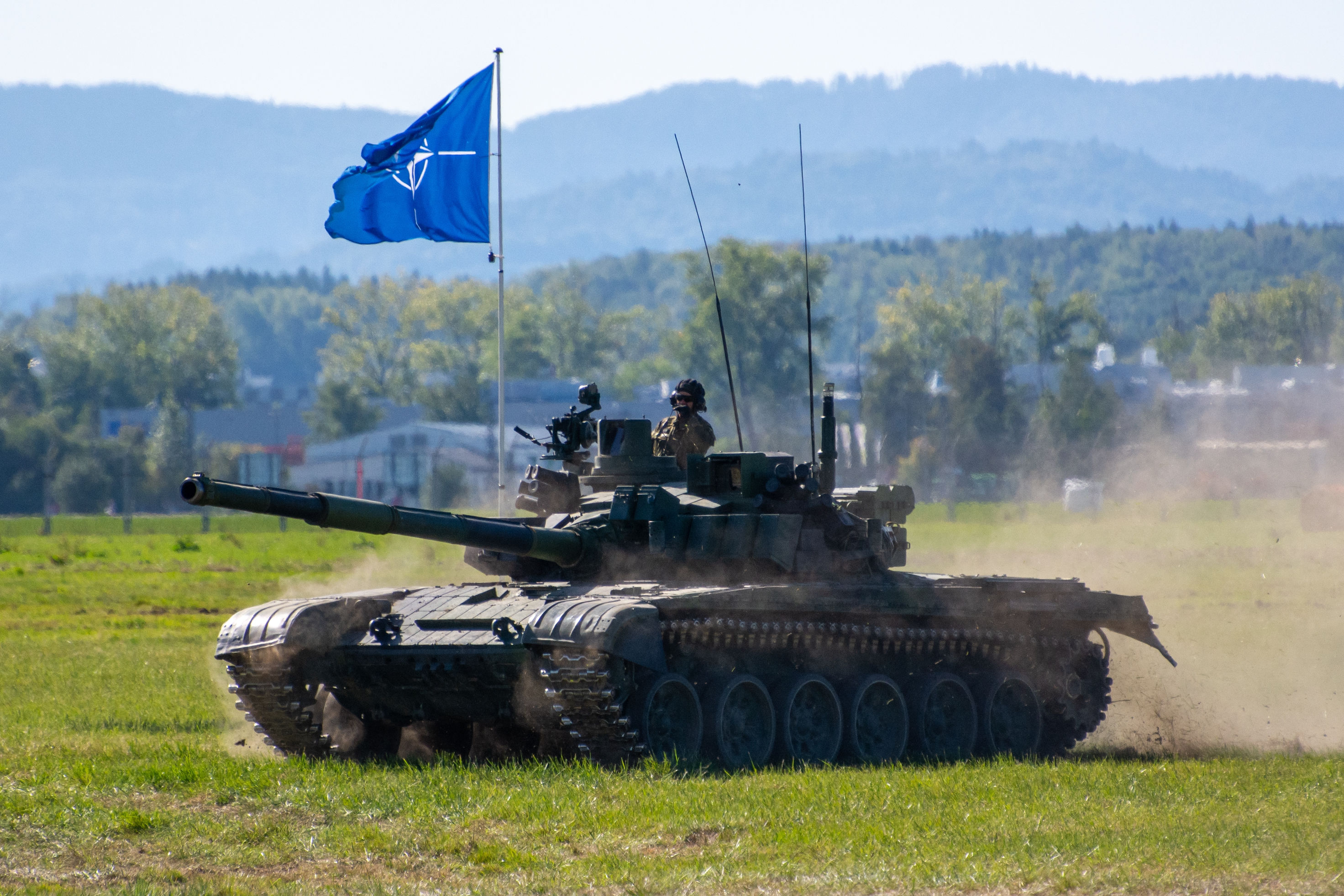
The European & Transatlantic Security Program aims to contribute to the strategic debate by developing analyses around three main axes: European defense and the security architecture of the European continent, institutional and strategic links between the Treaty Organization of North Atlantic (NATO) and the European Union (EU), as well as the evolution of the transatlantic relationship.
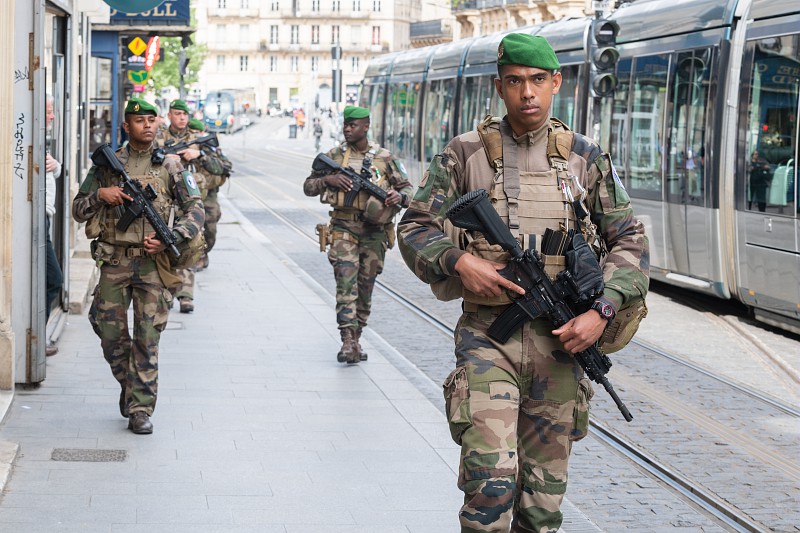
The distinction between internal and external threats is often exaggerated, as the borders are so porous. Conflicts taking place thousands of kilometers from France can have tragic resonances on national territory. Radicalization, terrorism and even organized crime have an international dimension that cannot be ignored.
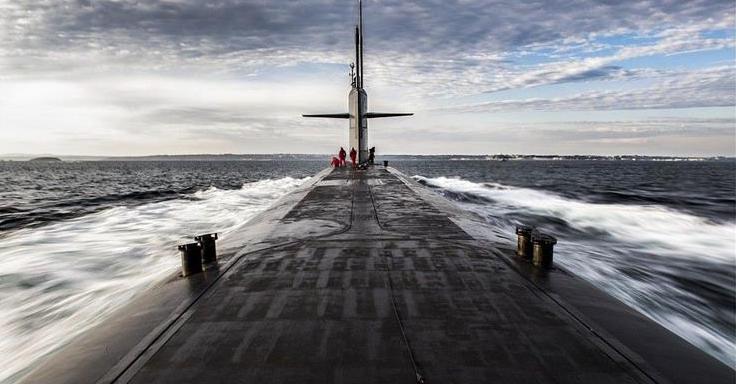
The conflicts in Europe, Asia and the Middle East demonstrate a return of nuclear power to the balance of power. Arsenals are being modernized and expanded, while arms control is collapsing. This research program aims to analyze these phenomena.
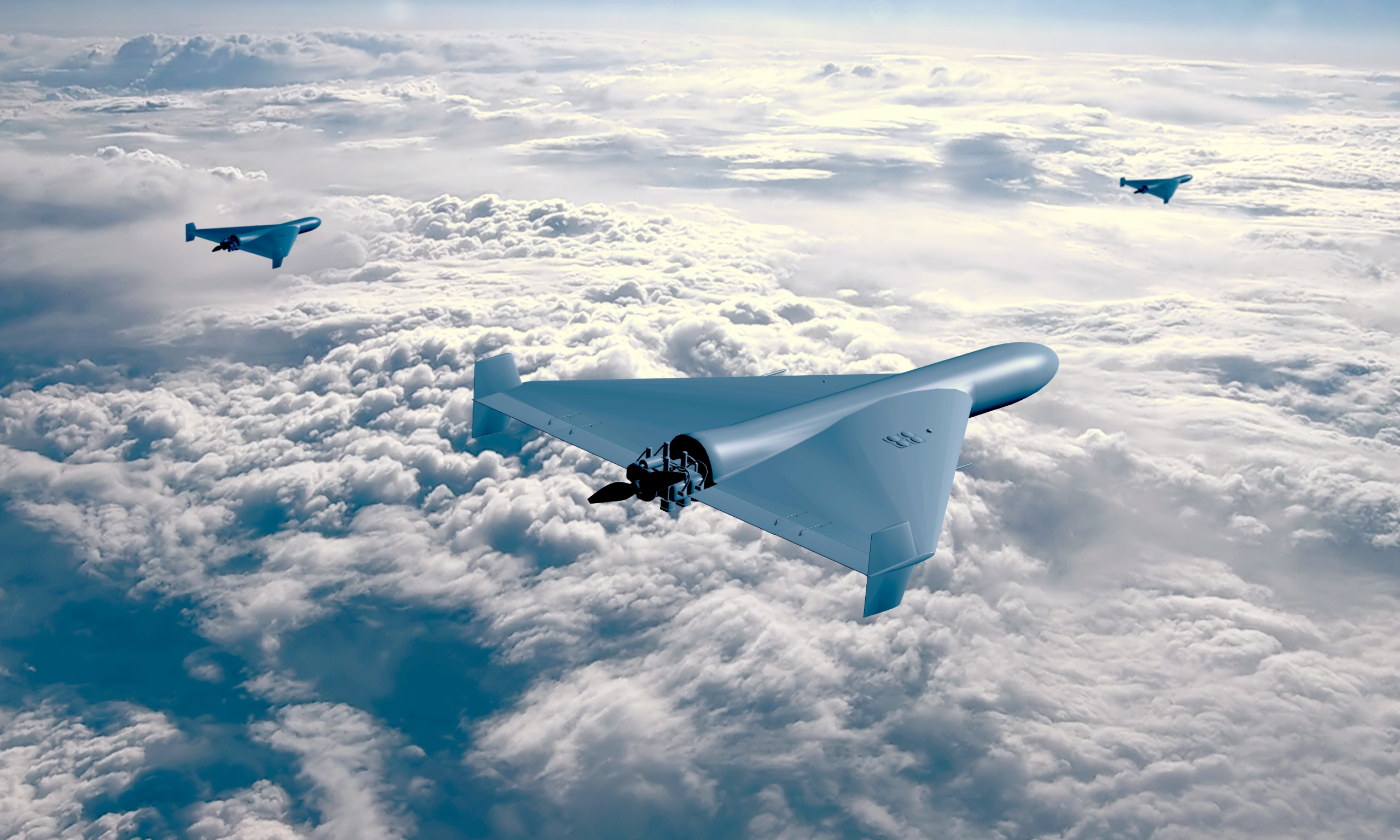
The Observatory of Future Conflicts is a research program carried out by the French Institute of International Relations and the Foundation for Strategic Research on behalf of the three army headquarters aimed at studying developments in tensions and armaments at the horizon 2040 in a transversal perspective, taking into account the issues of each army.
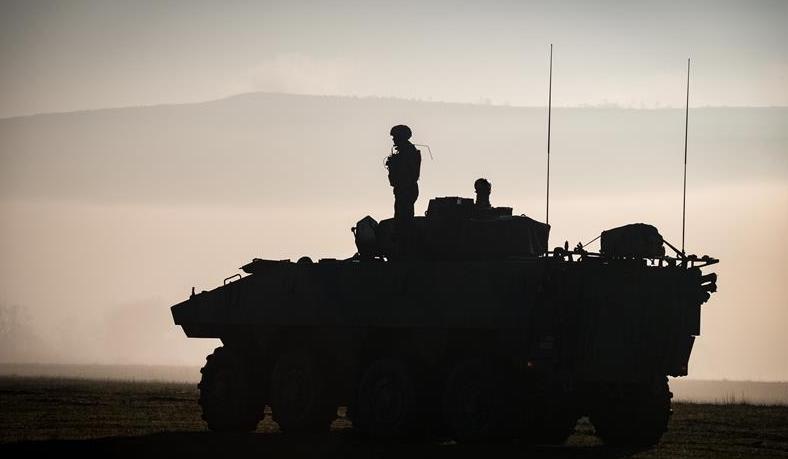
Heir to a tradition dating back to the founding of Ifri, the Security Studies Center provides public and private decision-makers as well as the general public with the keys to understanding power relations and contemporary modes of conflict as well as those to come. Through its positioning at the juncture of politics and operations, the credibility of its civil-military team and the wide distribution of its publications in French and English, the Center for Security Studies constitutes in the French landscape of think tanks a unique center of research and influence on the national and international defense debate.
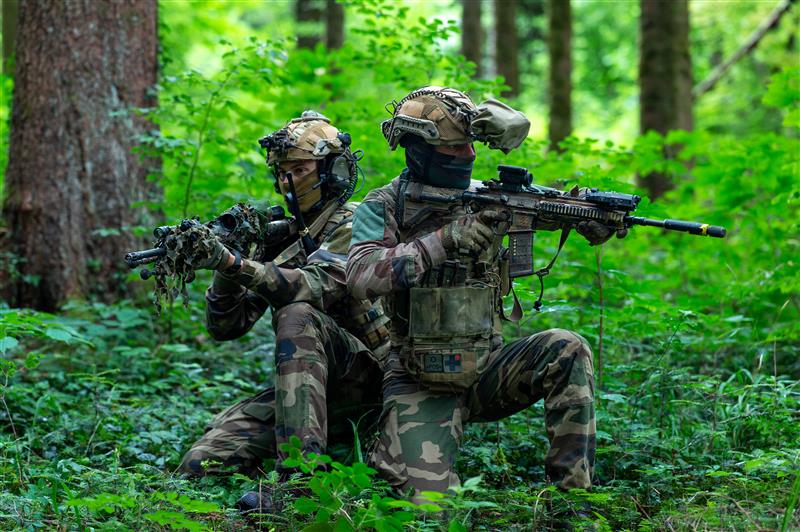
The Defense Research Unit is a program that aims at stimulating the strategic debate by dealing with subjects at the junction of the “technico-operational” and the “political-strategic”. A unique structure in France, it brings together civilian researchers and “military fellows” from each of the three armies to produce work on defense policies, the capability and strategic adaptation of armies, and foresight on tomorrow's conflicts.