



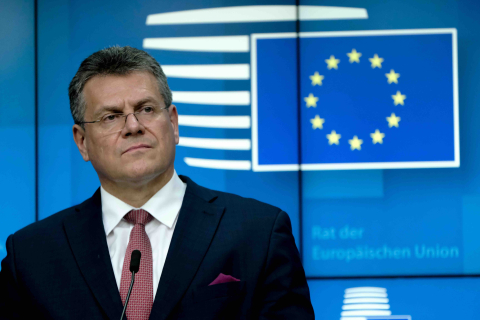
A Hohenschönhausen Memorial Centre in the Nahdour Prison
Contribution Blog "Shaping the humanities"
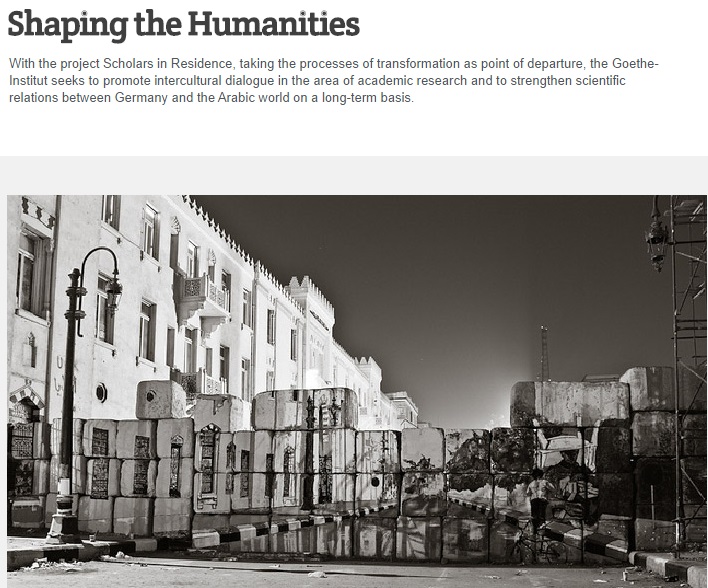
Shortly after the fall of Zine el-Abidine Ben, the Ministry of the Interior was opened briefly to school groups. What then happened is a good illustration of how Tunisia treats the heavy legacy of the Ben-Ali-years. The children painted the walls of the former interrogation cells with crayons. Painting over the past, however, cannot be a satisfactory response for society and will continually be scandalized by democratic principles. If today we fortunately enjoy freedom of expression, this should not lead to wishing members of the Ennahda party back into their previous prison cells as soon as the people want to punish the government. The most important role of government agencies and civil rights groups will accordingly be to defuse the explosiveness of the political debate and raise it to the level of civil society. Former prison cells must be opened for viewing by civil society so that there will no longer be political prisoners in Tunisia"s young democracy and victims should be compensated or recognized for the first time as victims, regardless of their political orientation.
With the project Scholars in Residence, taking the processes of transformation as point of departure, the Goethe-Institut seeks to promote intercultural dialogue in the area of academic research and to strengthen scientific relations between Germany and the Arabic world on a long-term basis.
Scholars in Residence is part of the German-Egyptian and German-Tunisian transformation partnership 2012-2013. The project is an initiative by the Goethe-Institut and being carried out in cooperation with the Institute for Advanced Studies in the Humanities (KWI) and the Ruhr University Bochum"s Centre of Mediterranean Studies (ZMS). Funded with special grants provided by the German Federal Foreign Office.

Contenu disponible en :
Régions et thématiques
Utilisation
Comment citer cette publicationPartager

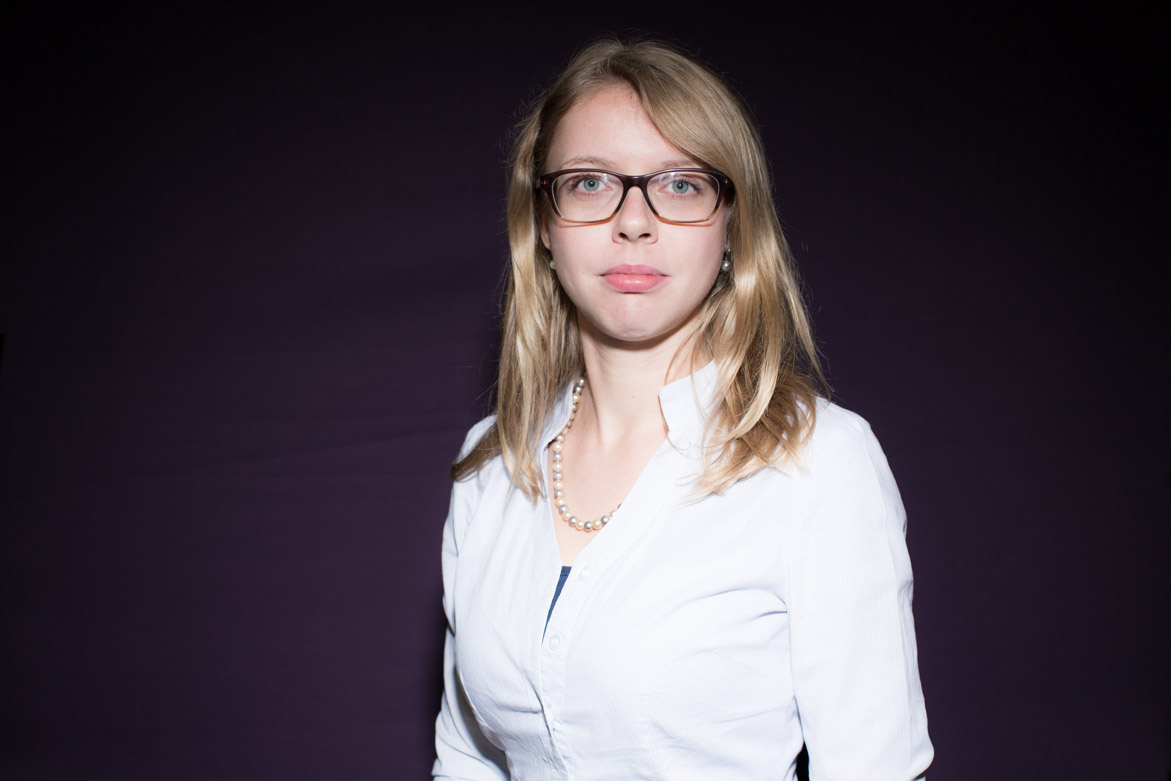
Nele Katharina WISSMANN
Ancienne Chercheuse associée, Comité d'études des relations franco-allemandes (Cerfa)

Comité d'études des relations franco-allemandes (Cerfa)
Le Comité d'études des relations franco-allemandes (Cerfa) a été créé en 1954 par un accord intergouvernemental entre la République fédérale d’Allemagne et la France, afin de mieux faire connaître l'Allemagne en France et analyser les relations franco-allemandes y compris dans leurs dimensions européennes et internationales. Dans ses conférences et séminaires, qui réunissent experts, responsables politiques, hauts décideurs et représentants de la société civile des deux pays, le Cerfa développe le débat franco-allemand et suscite les propositions politiques. Il publie régulièrement des études à travers deux collections : les « Notes du Cerfa » et les « Visions franco-allemandes ».
Le Cerfa entretient des relations étroites avec le réseau des fondations et des think tanks allemands. En plus de ses activités de recherche et de débat, le Cerfa promeut l’émergence d’une nouvelle génération franco-allemande à travers des programmes de coopération originaux. C'est ainsi qu'en 2021-2022, le Cerfa a conduit un programme sur le multilatéralisme avec la Fondation Konrad Adenauer de Paris. Ce programme s'adresse à des jeunes professionnels des deux pays intéressés par les enjeux du multilatéralisme dans le contexte de leurs activités. Il a couvert une large gamme de thèmes relatifs au multilatéralisme, tel que le commerce international, la santé, les droits de l’homme et la migration, la non-prolifération et le désarmement. Auparavant, le Cerfa avait participé au dialogue d’avenir franco-allemand, co-piloté de 2007 à 2020 avec la Deutsche Gesellschaft für auswärtige Politik (DGAP) et soutenu par la Fondation Robert Bosch, ou encore le groupe Daniel Vernet (anciennement Groupe de réflexion franco-allemand) qui avait été fondé en 2014 à l’initiative de la Fondation Genshagen.
Volkswagen, Mercedes et BMW face à Donald Trump
L’industrie automobile allemande est confrontée à un triple défi : la concurrence chinoise ; une difficile transition vers le véhicule électrique ; et des droits de douane américains.
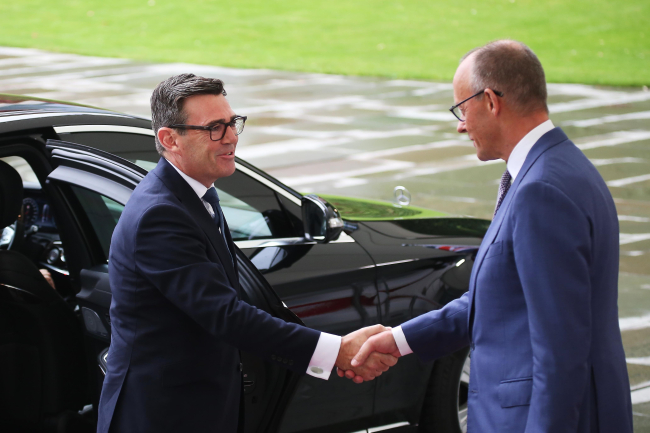
Une association fondée sur la sécurité. Le rapprochement post-Brexit entre l’Allemagne et le Royaume-Uni
Depuis que le Royaume-Uni a quitté l’Union européenne (UE), les relations germano-britanniques ont connu un revirement capital : à la prise de distance délibérée de Berlin pendant les négociations sur le Brexit – l’Allemagne privilégiant résolument la cohésion des 27 États membres de l’UE plutôt que des voies bilatérales – a succédé un rapprochement progressif couronné par le traité d’amitié de Kensington en 2025.
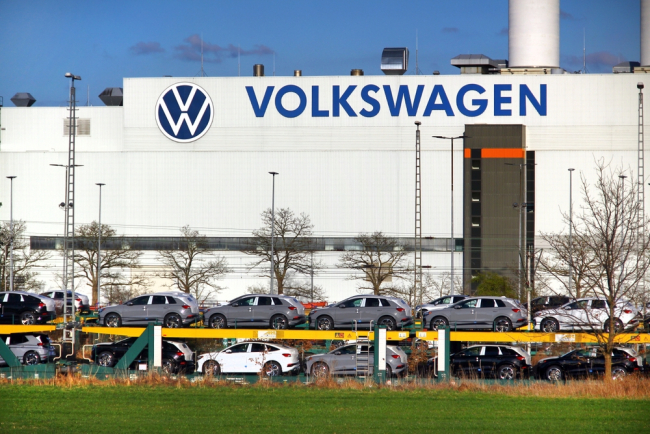
La crise allemande commence par la voiture
Selon les chiffres publiés mi-février par le cabinet de conseil EY, 142 400 emplois ont disparu dans le secteur automobile allemand depuis 2019. Les récentes annonces de licenciements faites par Volkswagen ou BMW suscitent de grandes inquiétudes dans un pays qui a bâti sa fierté et sa prospérité d’après-guerre sur sa force industrielle et son produit phare : l’automobile.
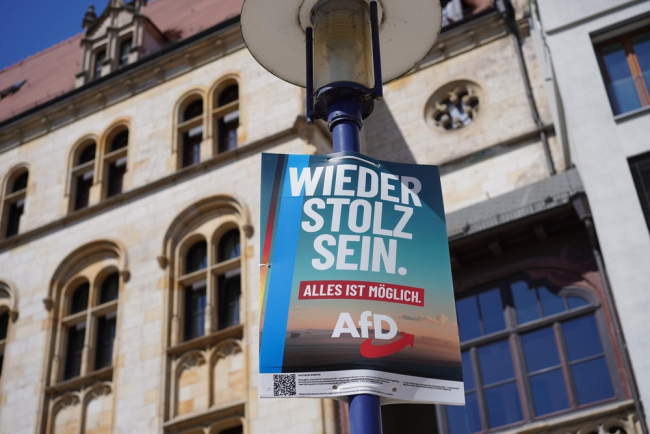
Entre protestation et conquête du pouvoir : l'AfD à l'approche des élections régionales à l'Est
Les élections régionales de septembre permettront de mesurer dans quelle mesure l’AfD évolue d’une force de protestation vers une force politique susceptible d’exercer le pouvoir, dans un contexte de fragmentation croissante du paysage politique et de mécontentement grandissant à l’égard du chancelier Friedrich Merz et de sa coalition.