



Informations pratiques
Thématiques et régions
Centres et programmes liés
Ceci est un événement réservé.
En savoir plus sur nos programmes de soutienSéminaire fermé sur invitation.
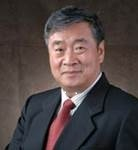
Seminar organized by CDC Climat and Ifri Center for Energy with Pr He Jiankun, Vice Chairman of the National Experts Panel on Climate Change.
In the run up to the major milestone of the 21st Conference of the Parties to the United Nations Framework Convention on Climate Change (COP21) in December 2015 in Paris, CDC Climat Research and the Ifri Center for Energy are jointly organising « Climate Breakfast Roundtables » bringing together key stakeholders with the aim of sharing analyses on the climate policies adopted at local, national and regional levels and on the potential outcomes of the Paris Climate Conference.
On Thursday 5th March, CDC Climat Research and Ifri are pleased to welcome Pr. He Jiankun, Director of the Institute of Low Carbon Economy he also serves on various panels which include: the Vice Chairman of the National Experts Panel on Climate Change, the Vice Chairman of the China Society for Sustainable Development, the Vice Chairman of the China Energy Research Society, the Vice President of China Industrial Energy Conservation and Clean Production Association, the President of Beijing Association for Energy, and the Director of Beijing Experts Panel on Climate Change.
He will provide an overview of China’s domestic climate policy and its involvement in the international climate change negotiations. His statement will be followed by a debate with the audience.
|
.
|
Sujets liés
Autres événements
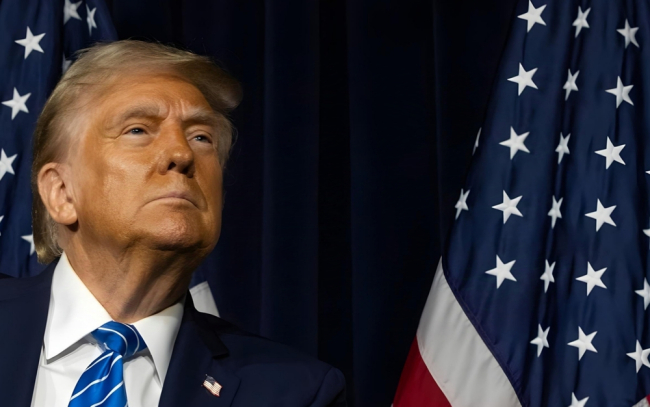
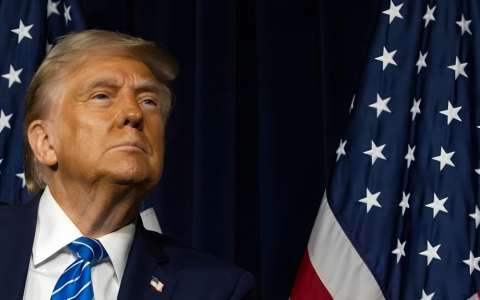
À un mois des midterms, où va l’Amérique de Donald Trump ?
La 24e édition de la Conférence annuelle du programme Amériques de l'Ifri analysera les dynamiques à l’œuvre aux États-Unis et leurs conséquences pour l'Europe et la relation transatlantique.
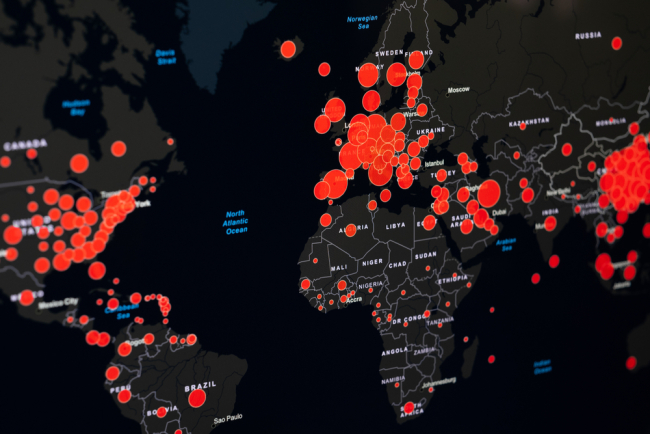
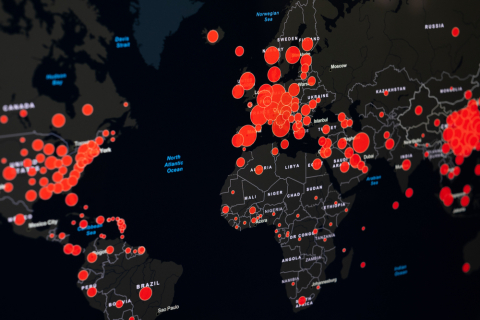
Pandémies et maladies infectieuses : que peut la communauté internationale ?
Tandis que les tensions internationales s’aiguisent et que le monde risque de se fracturer en blocs géopolitiques, pandémies et maladies infectieuses continuent de se développer. Des facteurs comme la multiplication des guerres ou le dérèglement climatique ne font qu’aggraver la situation.
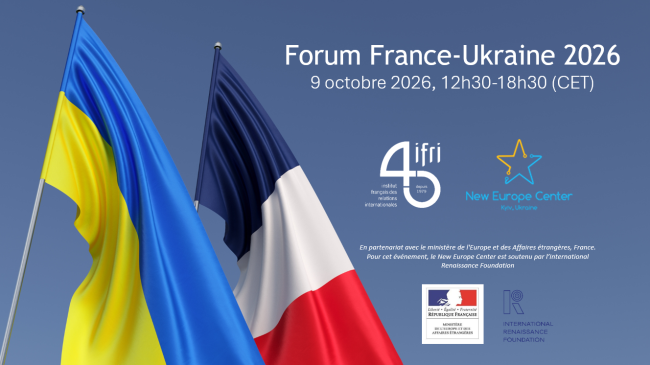
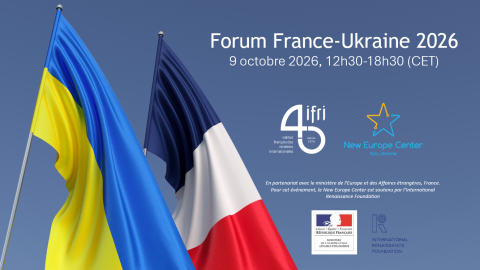
Forum France-Ukraine 2026
Plus de quatre ans et demi après le début de la guerre à grande échelle déclenchée par la Russie contre l’Ukraine, le Forum France-Ukraine 2026 accueillera des responsables politiques, des experts, des universitaires et des représentants de la société civile des deux pays pour échanger autour de trois sujets principaux : les formats et conditions d'un règlement diplomatique durable ; l'intégration euro-atlantique de l'Ukraine, entre processus d'adhésion à l'UE et rapprochement avec l'OTAN ; et les transformations sociétales de l'Ukraine d'après-guerre ainsi que ses perspectives de reco