





France and the Philippines should anchor their maritime partnership
With shared interests in promoting international law and sustainable development, France and the Philippines should strengthen their maritime cooperation in the Indo-Pacific. Through bilateral agreements, expanded joint exercises and the exchange of best practices, both nations can enhance maritime domain awareness, counter security threats and develop blue economy initiatives. This deeper collaboration would reinforce stability and environmental stewardship across the region.
(Replay) US-China-Taiwan Relations: What to expect in the Trump II Era?
Replay of Ifri's Center for Asian Studies' conference "US-China-Taiwan Relations: What to expect in the Trump II era?", held at Ifri on Tuesday 11 March 2025.
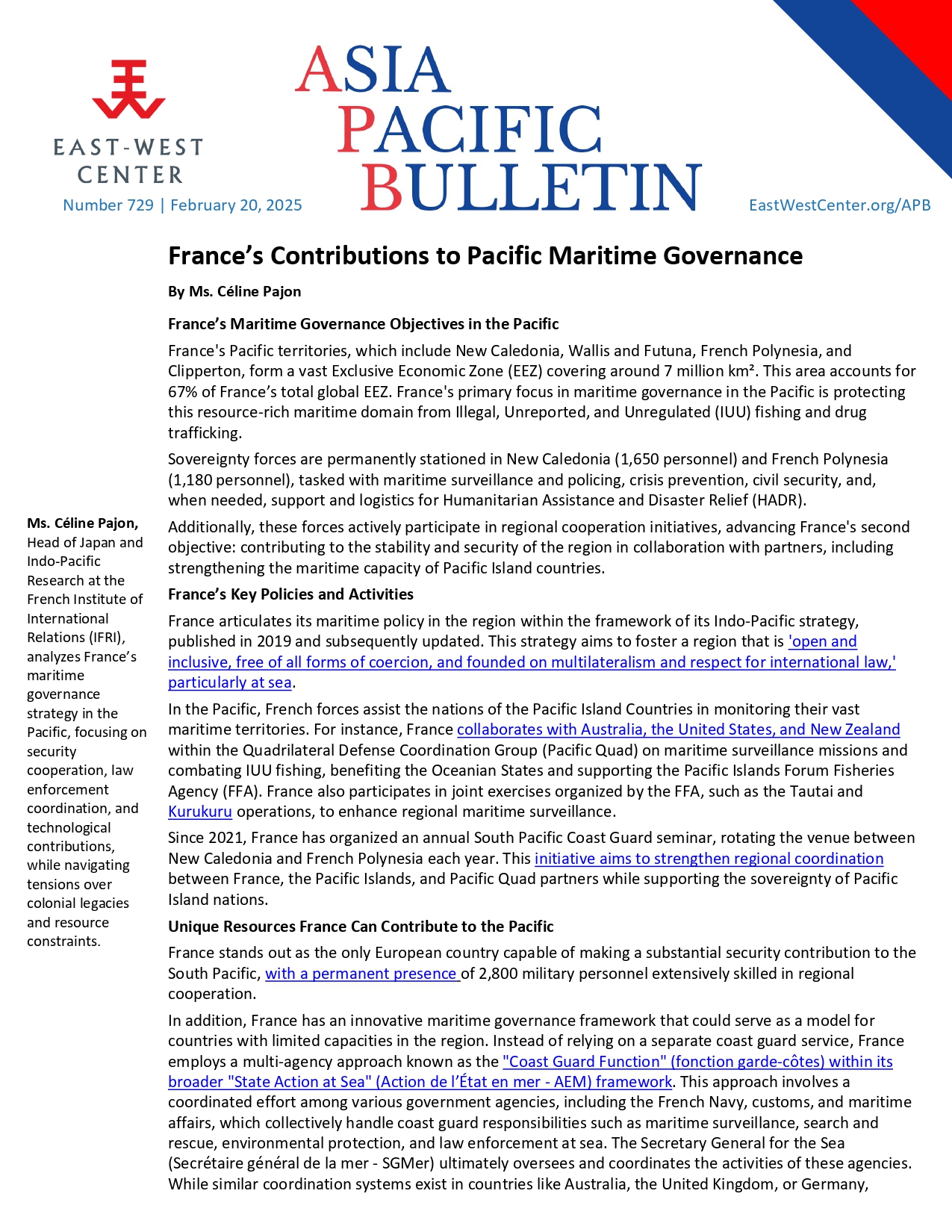
France’s Contributions to Pacific Maritime Governance
France stands out as the only European country capable of making a substantial security contribution to the South Pacific, with a permanent presence of 2,800 military personnel extensively skilled in regional cooperation.
The Indo-Pacific and Trump II. In Uncle Sam’s brutal embrace
In this collective analysis, the research team of the Center for Asian Studies presents a synthetic and non-exhaustive assessment of the relations taking shape between the United States under the Trump II administration and some of the main players in the Indo-Pacific.

The Case for Enhanced France-Philippines Maritime Cooperation
France and the Philippines, two Indo-Pacific nations, can capitalize on their shared interests, needs, and expertise in maritime security and governance, ultimately fostering strategic rapprochement.
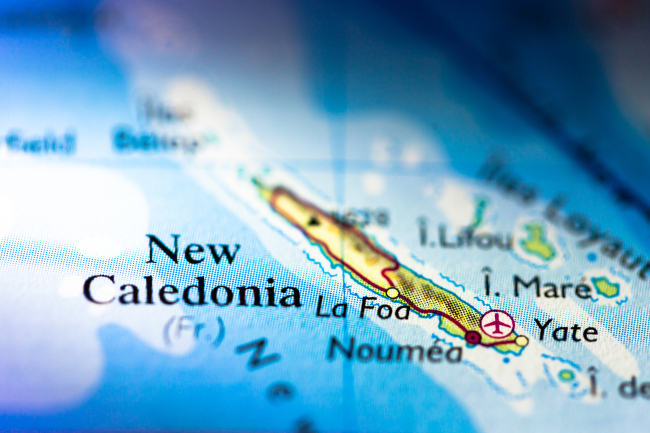
France’s maritime security cooperation in the Pacific
France plays a significant role in Pacific maritime security, particularly through the active participation of its overseas territories and the contribution of its stationed armed forces to regional cooperation initiatives.

Deep Precision Strikes: A New Tool for Strategic Competition?
Reaching deep into the enemy’s system to weaken it and facilitate the achievement of operational or strategic objectives is a key goal for armed forces. What capabilities are required to conduct deep strikes in the dual context of high-intensity conflict and strengthened enemy defenses?
Trump’s Indo-Pacific and European Strategies: Change or Continuity?
An interview with Kelly Grieco, Senior Fellow at the Stimson Center, in which she explains what changes and continuities might the future Trump administration bring to U.S. alliances and Indo-Pacific strategy.


Will Europe's pivot to Asia have any teeth?
Spurred by fears of a ‘new Ukraine’ in East Asia, European powers are ramping up their presence in the Indo-Pacific.

Taiwan's Energy Supply: The Achilles Heel of National Security
Making Taiwan a “dead island” through “a blockade” and “disruption of energy supplies” leading to an “economic collapse.” This is how Colonel Zhang Chi of the People’s Liberation Army and professor at the National Defense University in Beijing described the objective of the Chinese military exercises in May 2024, following the inauguration of Taiwan’s new president, Lai Ching-te. Similar to the exercises that took place after Nancy Pelosi’s visit to Taipei in August 2022, China designated exercise zones facing Taiwan’s main ports, effectively simulating a military embargo on Taiwan. These maneuvers illustrate Beijing’s growing pressure on the island, which it aims to conquer, and push Taiwan to question its resilience capacity.
China’s Quest for a Quantum Leap
The global race to harness quantum science is intensifying. Recognizing the strategic potential of quantum technology for economic, military, and scientific advancement, China is focusing on quantum breakthroughs as a way to shift the balance of power, especially in its competition with the United States. President Xi Jinping has emphasized the importance of scientific innovation, particularly in quantum fields, to fuel national development and ensure security.


Japan’s New Leadership: Heralding a New Direction?
Japan’s ruling Liberal Democratic Party (LDP) chose its next leader on September 27, after in mid-August incumbent Prime Minister Kishida announced that he would not run for a second term as LDP President.

France's Indo-Pacific strategy
This article has been extracted from the magazine Question internationales - n°118 - Avril-mai 2023.
The Indo-Pacific, a new theater of strategic rivalry between China and the United States, is of growing interest to France, where it defends its interests related to its vast maritime territory by promoting multilateralism and forging multiple partnerships in the region.

France Adapts to an Era of Strategic Competition With China
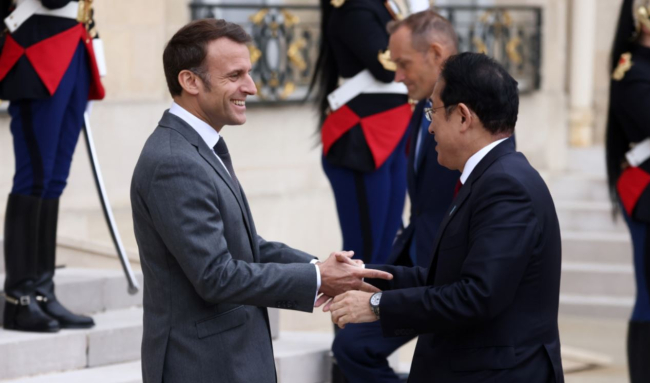
Kishida deserved the warm embrace Macron gave Xi
Japan PM's low-key visit to Paris yielded significant bilateral initiatives. French President Emmanuel Macron rolled out the red carpet to greet Chinese President Xi Jinping this week, hoping to somehow persuade him to curb his country's support for Russia's war in Ukraine and to play by international trade rules.
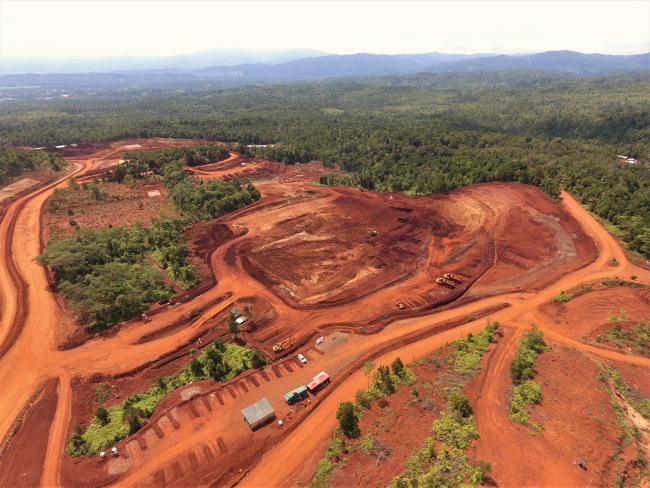
The Prospects of Indonesia’s Nickel Boom Amidst a Systemic Challenge from Coal
Indonesia is a country that is booming economically and demographically. This not only matters for regional, political, and energy security, but also increasingly, for the world’s energy transitions, due to Indonesia’s large metal reserves, as well as its equally important coal consumption in industry and for power generation.
Over the last 20 years, Indonesia’s economy has been characterized by very dynamic growth, massive increases in its electricity demand, and coal consumption and exports. Hence, its greenhouse gas (GHG) emissions are on a steady growth trajectory, although the country has committed to lowering them by 32% (unconditional) or 41% (conditional) by 2030.
With its Organization for Economic Cooperation and Development (OECD) membership application, occurring in the context of global energy transition requirements and geopolitical confrontations, Indonesia is today at a crossroads.

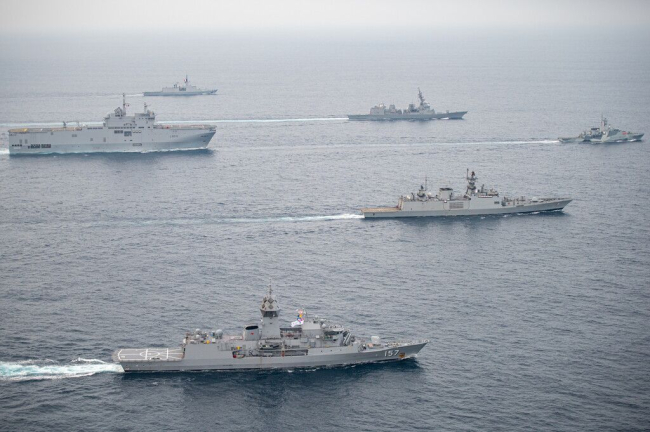
Europe Yearns to Be an Indo-Pacific Player
There is a war on at home, but Europe’s strategic and naval aspirations are on the far side of the world. After years in search of a geopolitical identity, Europe is aiming to become a much bigger player in one of the most contentious spaces in international relations: maritime security, including in Asia.
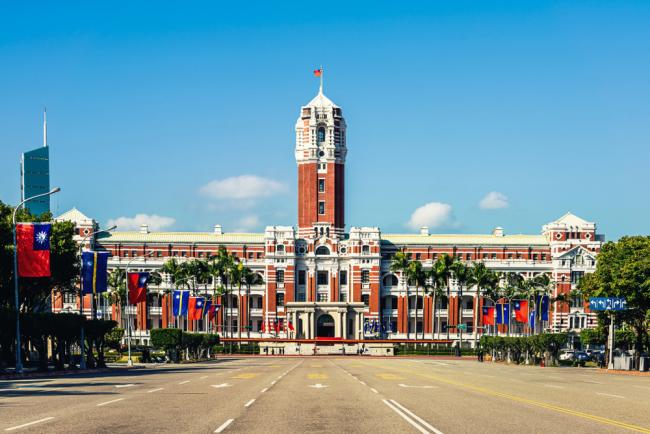
Taiwan’s 2024 Elections: A Moving Political Landscape with China Remaining Front and Center
On January 13th the young Taiwanese democracy will hold its 8th presidential election since direct universal suffrage began in 1996. The same day, the people of Taiwan will elect a new Parliament – the Legislative Yuan – which will start its term on February 1st. President Tsai Ingwen’s second and final term will come to an end in May.

"Information Fusion": A Lever of Maritime Power for France?
France is a seafaring nation. The stability of its national economy, trade, and security are inextricably linked to the maritime character of international trade.
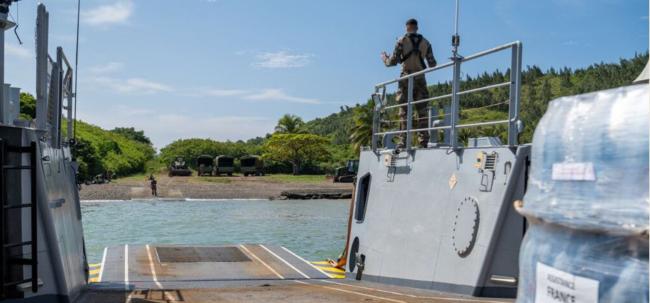
Reflecting on a Decade of the South Pacific Defence Ministers Meeting (SPDMM). Achievements and Future Pathways
The South Pacific Defence Ministers Meeting (SPDMM) is taking place in Nouméa (New Caledonia) from December 4th to 6th of this year.
The Prospects of Indonesia’s Nickel Boom Amidst a Systemic Challenge from Coal
Indonesia is a country that is booming economically and demographically. This not only matters for regional, political, and energy security, but also increasingly, for the world’s energy transitions, due to Indonesia’s large metal reserves, as well as its equally important coal consumption in industry and for power generation.
Over the last 20 years, Indonesia’s economy has been characterized by very dynamic growth, massive increases in its electricity demand, and coal consumption and exports. Hence, its greenhouse gas (GHG) emissions are on a steady growth trajectory, although the country has committed to lowering them by 32% (unconditional) or 41% (conditional) by 2030.
With its Organization for Economic Cooperation and Development (OECD) membership application, occurring in the context of global energy transition requirements and geopolitical confrontations, Indonesia is today at a crossroads.
Taiwan’s 2024 Elections: A Moving Political Landscape with China Remaining Front and Center
On January 13th the young Taiwanese democracy will hold its 8th presidential election since direct universal suffrage began in 1996. The same day, the people of Taiwan will elect a new Parliament – the Legislative Yuan – which will start its term on February 1st. President Tsai Ingwen’s second and final term will come to an end in May.

France in the Indo-Pacific: The Need for a Pragmatic Strategic Posture
As US-China rivalry reaches its peak and the likelihood of a high-intensity conflict in the region seems greater than ever, this report advocates for a pragmatic recalibration of France’s strategic posture in the Indo-Pacific. This adjustment should be grounded in a realistic reframing of ambitions and an analysis of France’s core interests and the threats it faces.
France's IndoPacific Strategy: From a Balancing Power to a Constructive Stakeholder
France was the first European country to announce an Indo-Pacific strategy, launching it in 2018.
The Ambitions of the Islamic Republic of Iran in the Pacific
In January 2023, the Iranian Navy staged a show of force near the Australian Exclusive Economic Zone (EEZ) amid growing tensions between Tehran and Canberra.
Japan and the Pacific Islands Countries. Longstanding Strategic Interests, Recent Strategic Engagement
New government in Canberra: A reset for Australia’s Indo-Pacific approach?
Following the May Federal election, Australia has its first centre-left government in close to a decade, led by Prime Minister Anthony Albanese.

South Korea and France’s Indo-Pacific Strategies: Potential Partnership and Challenges
Despite some constraints on their Indo-Pacific strategies, South Korea and France could consider bilateral dialogues for partnership in the Indo-Pacific, leading to a high level of confidence and strategic convergence in security.
AUKUS Rocks the Boat in the Indo-Pacific, And It’s Not Good News
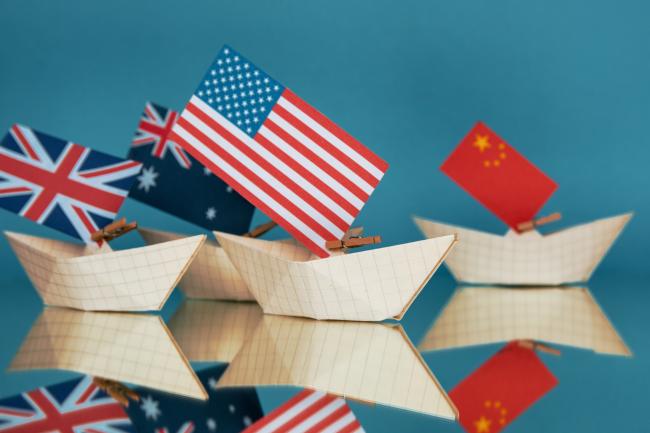
For anyone who still harbored doubts, Washington made crystal clear from the announcement of the new trilateral alliance with Australia and the UK (AUKUS) that countering China is its number one priority, and that it will do whatever it takes to succeed. Much has been said about the consequences of AUKUS on the French-US relations, but the strategic implications for the Indo-Pacific nations (including France), and for China especially, are also critical to consider.
The European Union: Caught Between the United States and China
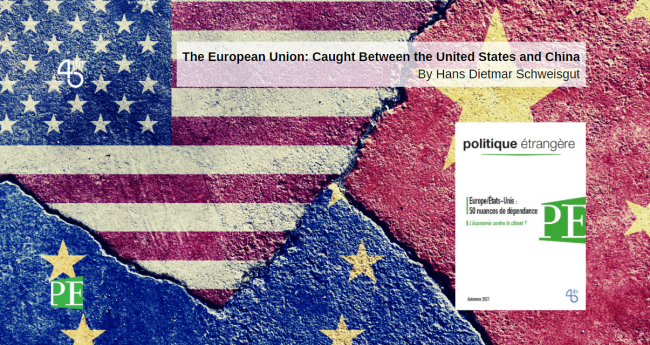
The United States and the European Union (EU) are now both in agreement regarding China – long viewed benevolently – as a systemic rival in the international order.
France’s Indo-Pacific Strategy and the Quad Plus
In France, the launch of the Quad Plus raised little attention.

What Would Suga’s Indo-Pacific Strategy Look Like?
With the resignation of Prime Minister Abe, the future of Japan’s Free and Open Indo-Pacific strategy has been called into question. Abe was indeed one of the key architects of this vision and he devoted enormous energy to flesh it out.
Japan’s Indo-Pacific Strategy: Shaping a Hybrid Regional Order
What does Japan want in the Indo-Pacific? It can be tough to tell, because at the moment, Tokyo seems to be pursuing incompatible aims.
No Longer a Middle Power: Australia’s Strategy in the 21st Century
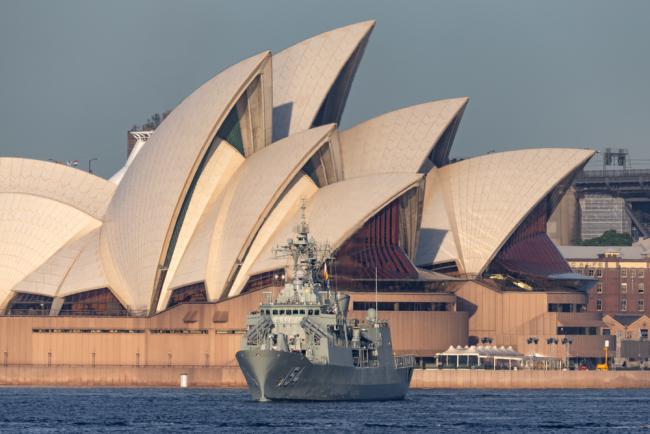
Confronted with a strained strategic environment and a relative decline of its resource base, Australia is currently going through a historical shift of its global status.
Ifri, a foundation recognized as being of public utility, relies largely on private donors – companies and individuals – to guarantee its sustainability and intellectual independence. Through their funding, donors help maintain the Institute's position among the world's leading think tanks. By benefiting from an internationally recognized network and expertise, donors refine their understanding of geopolitical risk and its consequences on global politics and the economy. In 2026, Ifri partners with over 90 French and international companies and organizations.
