







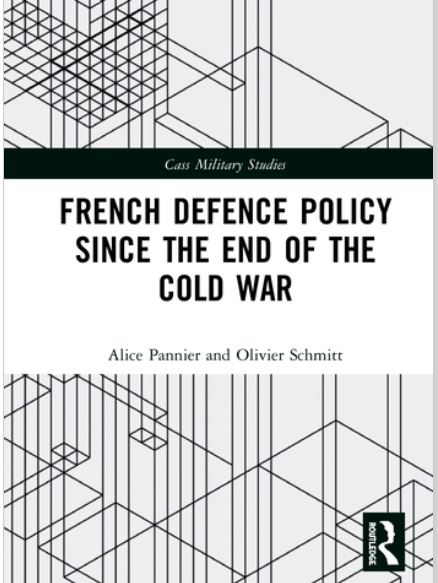
French Defence Policy Since the End of the Cold War
With a look at evolutions over the past three decades, the thematic chapters cover French defense institutions and civil-military relations, the transformation of armed forces, nuclear deterrence, the defense industry, military interventions, and alliances.
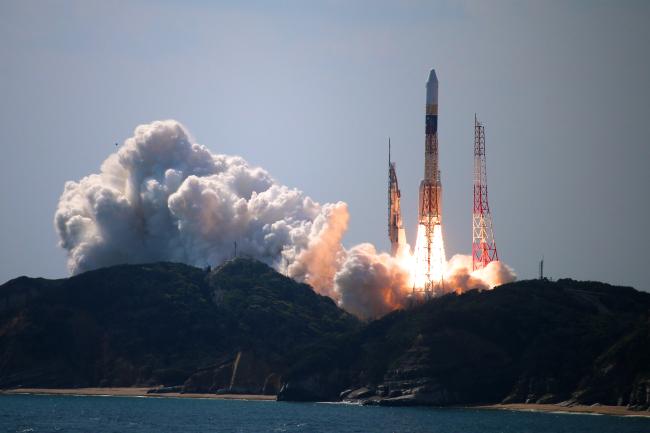
Japan’s Space Program: Shifting Away from “Non-Offensive” Purposes?
Japan’s space program has evolved greatly since the end of the Cold War, driven by a rapidly changing geopolitical environment and tailored by the emergence of an “intra-alliance hedging strategy”.

Les ressources humaines, un enjeu stratégique pour les armées
The French Military Planning Act for the years 2019-2025, is “dedicated” to men and women in the services, showing how crucial the human factor is for the armed forces.
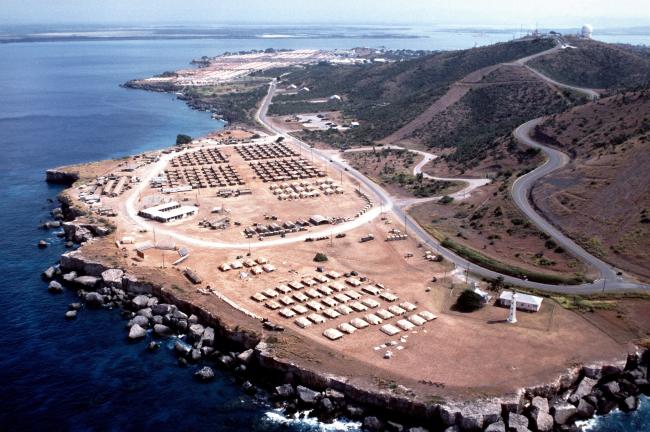
Les bases de la puissance. Enjeux géopolitiques et stratégiques des bases militaires avancées
Throughout history, great powers have relied upon forward military bases, either to support their interventions in areas of interest, to re-assure allies or to control a territory.
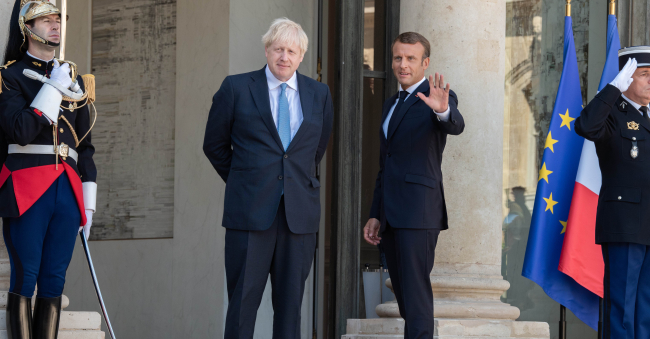
Complementarity or Competition? Franco-British Cooperation and the European Horizon of French Defense Policy
What does future hold for the Franco-British defense partnership after Brexit?
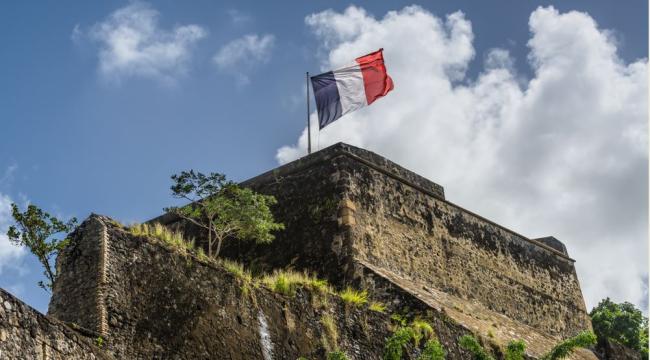
Confettis d’empire ou points d’appui ? L’avenir de la stratégie française de présence et de souveraineté
France is one of the few nations in the world to benefit from a permanent global military presence. With more than 10,000 military personnel from all three services, deployed across the five continents and the three main oceanic basins, it benefits from the second largest network of prepositioned forces in the world.
La compétition stratégique en Afrique : approches militaires américaine, chinoise et russe
While it was left behind from power politics for the last decades, Africa is at the core of a renewed attention from global powers.
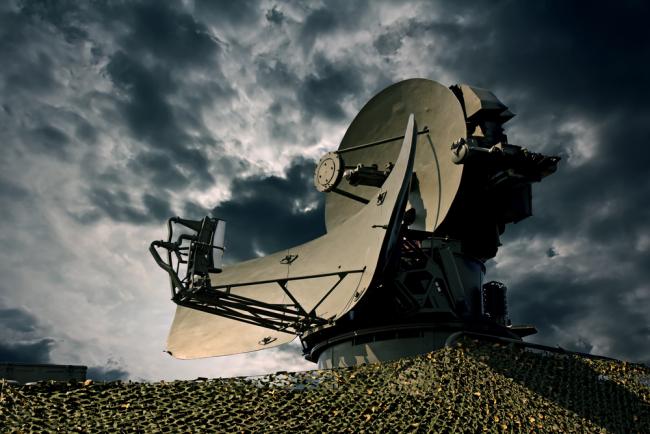
Regards croisés sur la guerre électronique
Information dominance through the exploitation of the electromagnetic spectrum has become a cornerstone of military superiority. However, it is now threatened by increasingly advanced electronic warfare capabilities.
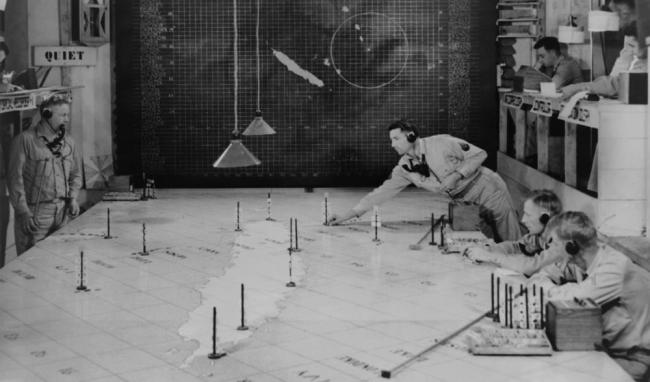
La fourmilière du général : le commandement opérationnel face aux enjeux de haute intensité
Operational command structures have always been able to adapt to the strategic context. However, they now face a new challenge: high intensity threats.
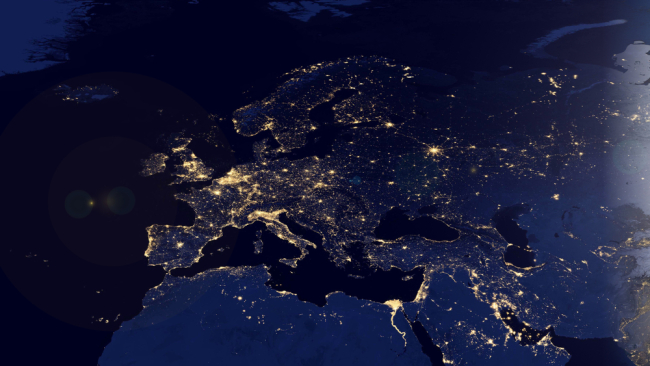
Assessing Europe's Space Dependency and Its Implications
It is a classic exercise to imagine what today’s world would be like if all satellites were shut down. The exact consequences of such a scenario, which is not unlikely given the inherent vulnerability of space systems to natural, accidental and deliberate interferences, are however difficult to appreciate, even for specialists.
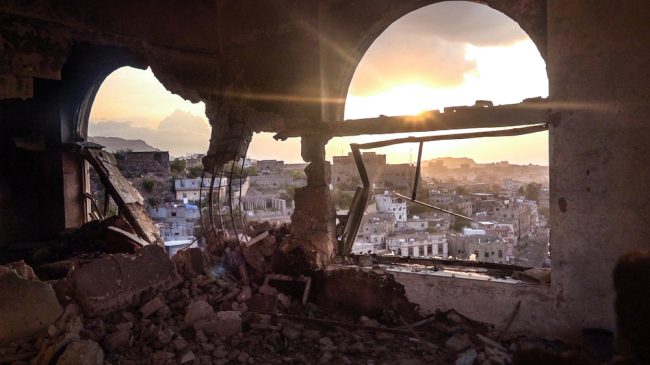
The Future of Urban Warfare in the Age of Megacities
Urbanization is a relentless trend, and as cities grow and expand, armed conflict and violence are urbanizing as well.
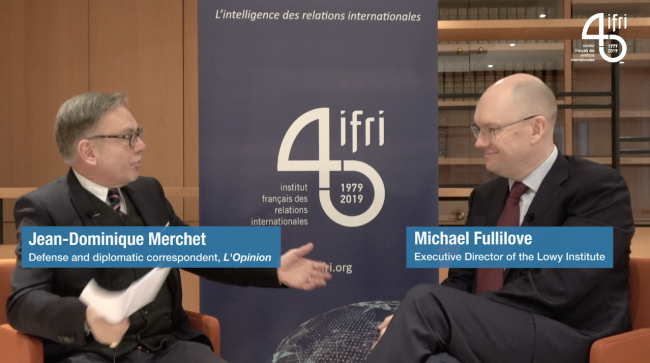
The Indo-Pacific: a View from France and Australia
An interview with Michael Fullilove, Executive Director of the Lowy Institute, by Jean-Dominique Merchet, Defense and Diplomatic Correspondent, L'Opinion.
A New Japan-France Strategic Partnership: A View from Tokyo
On the occasion of the conference held on the 22 November 2018 marking the 160th anniversary of Franco-Japanese diplomatic relations, Ifri publishes two parallel articles offering French and Japanese perspectives on the bilateral security partnership. Céline Pajon’s analysis of French point of view is available here.
A New Japan-France Strategic Partnership: A View from Paris
On the occasion of the conference held on the 22 November 2018 marking the 160th anniversary of Franco-Japanese diplomatic relations, Ifri publishes two parallel articles offering French and Japanese perspectives on the bilateral security partnership. Michito Tsuruoka's analysis of Japan's point of view is available here.
Intelligence artificielle : vers une nouvelle révolution militaire ?
Artificial Intelligence (AI) is a priority defense issue for the military powers of the 21st century. Unsurprisingly, the United States and China are currently at the forefront of this new digitalized arms race.
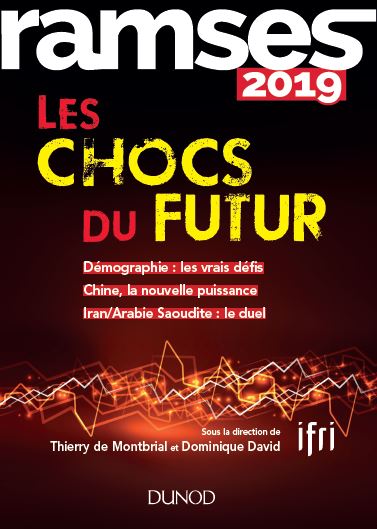
RAMSES 2019. The Clashes of the Future
RAMSES 2019. The Clashes of the Future, written by Ifri's research team and external experts, offers an in-depth and up-to-date analysis of global geopolitics.
Penser son ennemi. Modélisations de l'adversaire dans les forces armées
The designation of an enemy is always the result of a political decision, which generally leads to the opening of hostilities.
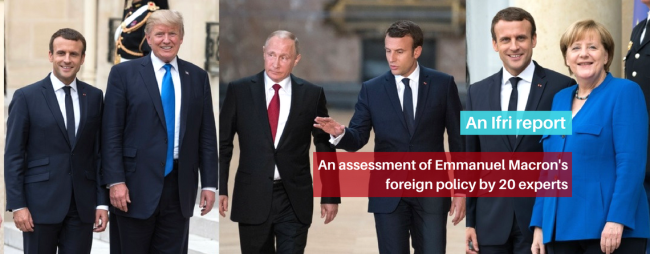
Macron, Diplomat: A New French Foreign Policy?
How can we define Emmanuel Macron’s foreign policy since he took office? After Nicolas Sarkozy’s brazen style of “gutsy diplomacy” and François Hollande’s “normal diplomacy”, the eighth president of the Fifth Republic seems to have opted for an agile classicism. In substance, he makes no claim to any radical break with the past, but sees his approach as being in line with historical tradition.
Bad cop, Bad cop : la nomination de Mike Pompeo et John Bolton
Benjamin Haddad, a Research Fellow at the Hudson Institute in Washington D.C., reviews Mike Pompeo's appointment as the new U.S. Secretary of State and John Bolton's recent nomination as National Security Advisor. According to Haddad, U.S. President Donald Trump has appointed two lawyers known for their hawkish and interventionist stands on foreign policy and security matters. He thus explains what official policies are to be expected on Iran, North Korea and Russia.


Missiles of March: A political means of last resort for Putin
President Vladimir Putin’s extra-heavy emphasis on new strategic missile systems in his March 1 address to parliament was quite unexpected and rather out of character.
Ifri, a foundation recognized as being of public utility, relies largely on private donors – companies and individuals – to guarantee its sustainability and intellectual independence. Through their funding, donors help maintain the Institute's position among the world's leading think tanks. By benefiting from an internationally recognized network and expertise, donors refine their understanding of geopolitical risk and its consequences on global politics and the economy. In 2026, Ifri partners with over 90 French and international companies and organizations.
