




Security - Defense
As a result of global strategic competition, security and defense issues are marked by the return of major wars and nuclear deterrence, the transformation of terrorism and the race for military technologies.
Related Subjects
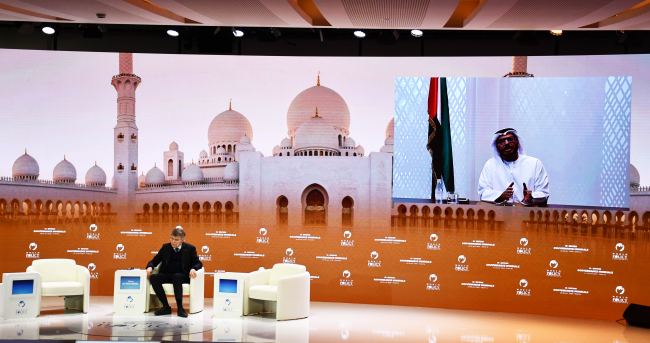
A conversation with Anwar Gargash, Diplomatic Advisor to the President of the United Arab Emirates
In an exceptional debate with Thierry de Montbrial, Anwar Gargash, Diplomatic Advisor to the President of the United Arab Emirates shares his perspective on the ongoing war with Iran in the Middle East.

Australia’s Recognition of Palestine: A Case of Supporting the Status Quo over Accountability
Hamas’s terrorist attacks against Israel on October 7, 2023, killed over a thousand Israelis, altering irrevocably the way the Palestinian/Israeli conflict is viewed internationally. Australia’s government professed profound shock and disgust at Hamas’s attacks, together with its unwavering diplomatic and political support for Israel. But as Israel’s response became more concerned with exacting revenge and as the pretext to fulfill long-held ideological dreams of a Greater Israel, support from Australia became more muted and conditional. This culminated in Australia joining Britain, France, and Canada in formally recognizing a Palestinian state at the United Nations General Assembly meeting in September 2025.
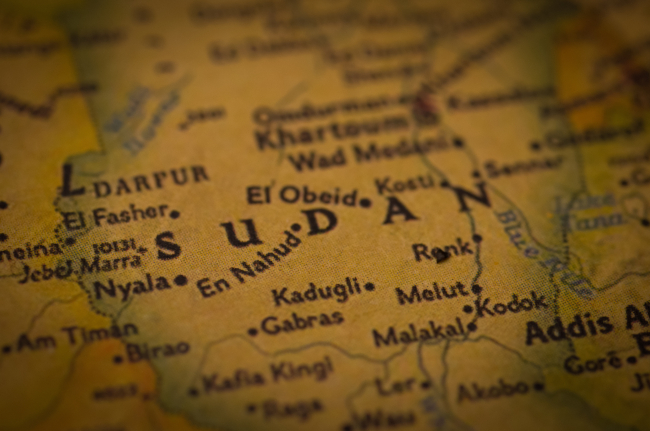
Sudan Wartime Online Propaganda
In the Sudan conflict, the propaganda battle between the Sudan Armed Forces (SAF) and the Rapid Support Forces (RSF) on mainstream and social media makes it hard to distinguish real, false, and manipulated information. Furthermore, the lack of field press coverage allows fake and misleading news to spread more easily. Although the SAF and RSF work hard to shape the war narrative by building large supporter networks and using various methods such as disinformation and censorship, it is clear they no longer fully control the flow of information. Social media analysis shows that Sudanese politicians, military figures, influencers, and followers weave a tangled web of exchanges filled with rivalries, lies, and propaganda.

US hosts rare Israel-Lebanon talks, progress unclear
Israel and Lebanon agreed to direct negotiations following talks in Washington on Tuesday.
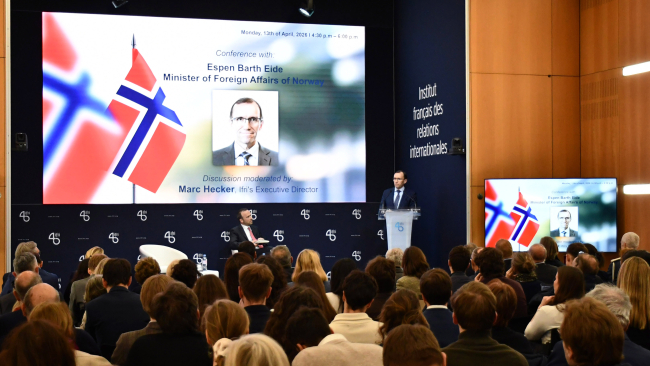
Replay - Conference with Espen Barth Eide, Minister of Foreign Affairs of Norway
Since the invasion of Ukraine by Russia in 2022, Norway has become the European Union’s leading supplier of gas. This position could be further strengthened given the ongoing war in the Middle East.
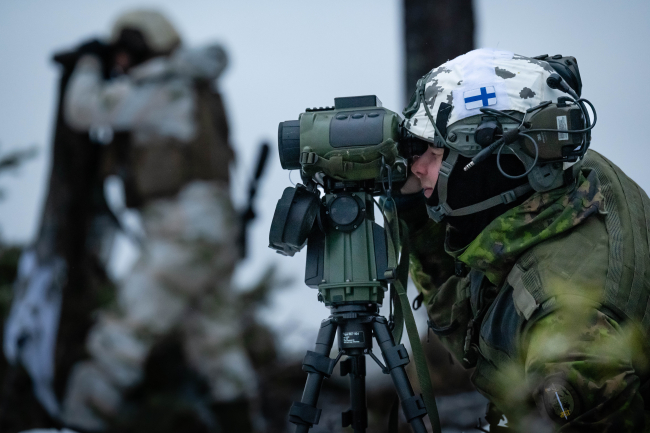
Finland: The Ally Who Came in from the Cold
Among all European countries, Finland is perhaps the one whose strategic culture and military model have changed the least since the end of the Cold War. Built after the end of the Second World War to deter a potential new Soviet invasion, this model enabled Finland to serve as an example of European rearmament.

Both sides of the Atlantic | Warsaw European Conversation 2026
This episode discusses the future of transatlantic relations and the evolution of security policy on both sides of the Atlantic. It examines France’s strategic stance and the implications of potential leadership change. It also looks at the dynamics of U.S. domestic politics – the role of political parties and civil society in curbing Donald Trump’s power, and the significance of the midterm elections. It considers what these processes mean for Europe, especially in the context of Article 5. Joining Marta Prochwicz-Jazowska, Deputy Head of the ECFR Warsaw office, in the discussion will be Thomas Gomart, director of the French Institute of International Relations, and Amanda Sloat, professor at the School of Politics, Economics, and Global Affairs at IE University.
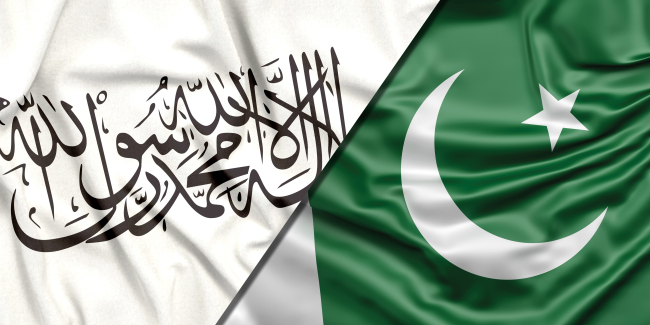
Afghanistan-Pakistan: The Overlooked War at the Margins of the Middle East Conflict
Pakistan has historically maintained the closest ties to the Taliban movement and initially viewed its return to power in Afghanistan in the summer of 2021 with considerable optimism. The bilateral relationship has since deteriorated, and the two neighbors have been caught in a cycle of escalation since last fall. In October 2025, Pakistan launched its first airstrikes on Kabul. For three weeks in February–March 2026, Afghanistan intensified ground assaults on the Pakistani side of the border as well as drone attacks on Islamabad and Rawalpindi. Pakistan, for its part, has intensified airstrikes on Afghan border areas, as well as on Kabul and Kandahar. Given the dynamics at play at the bilateral and regional levels, the prospects for a sustained return to stability appear limited.

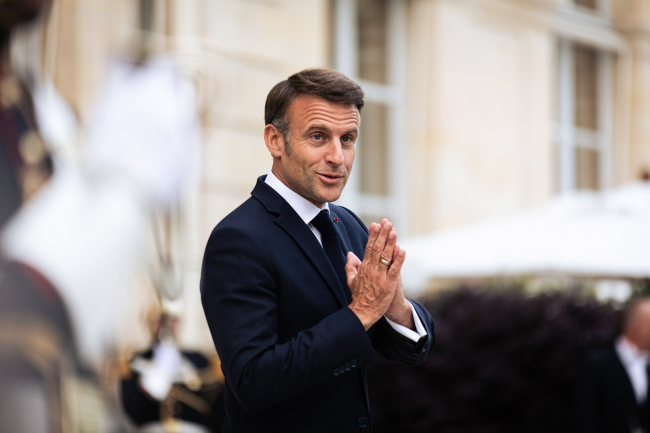
Japan seeks French backing as Macron begins Asia trip in Iran war’s shadow
Emmanuel Macron touched down in Tokyo on Tuesday with a packed agenda and a receptive audience in a Japanese government anxious about a choked oil route and looking for support amid its diplomatic falling-out with Beijing.

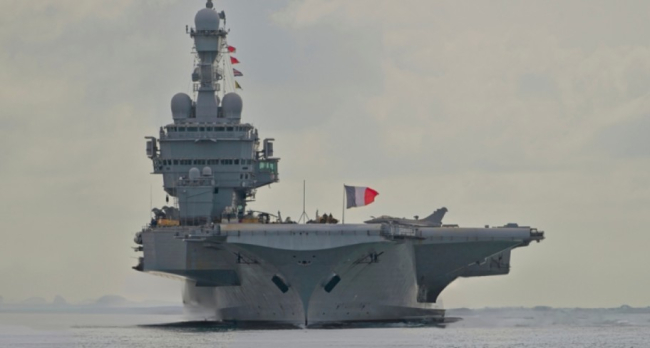
War in Mideast Tests Europe’s Military Might. The Verdict? Mixed.
To defend allies from Iran, the continent’s powers have mounted a rare show of force. But those efforts have diverted limited resources from other hot spots. Despite refusing to join the attacks on Iran, Europe’s leaders have responded to the widening war in the Middle East by sending warships, fighter jets and air-defense systems to protect bases and allies in the region.
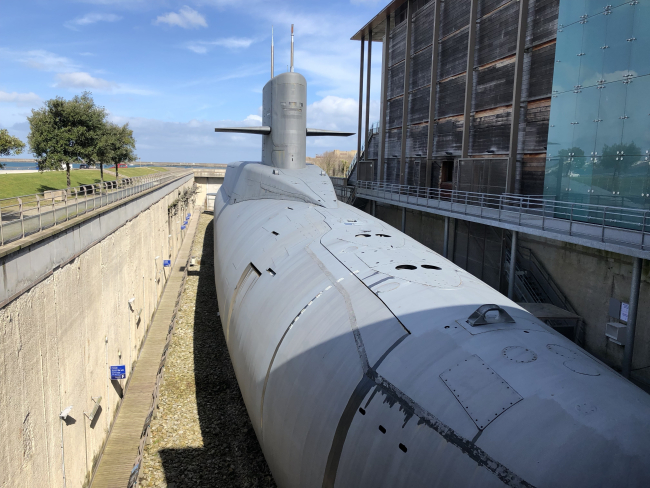
France has a new nuclear doctrine of ‘forward deterrence’ for Europe. What does it mean?
On Monday, French President Emmanuel Macron delivered a speech on France’s nuclear deterrence at the Île Longue naval base near Brest in Brittany, which hosts the country’s nuclear-armed ballistic missile submarines. Such addresses are a well-established presidential ritual, typically delivered once per presidential term and receiving moderate attention. This one, however, was highly anticipated in France and abroad, given the profound geopolitical shifts since Macron’s first nuclear speech in February 2020.
Germany: The Return of Military Service?
Abolished in 2011, conscription returned to Germany in 2025, albeit in a new, voluntary form. The decision in 2011 was broadly supported. Public opinion, like the political sphere, is more divided now. The reintroduction of voluntary service for men reflects the demands of the geopolitical landscape and the Bundeswehr’s need for troops. It remains to be seen whether the model chosen will fulfill the requirements of defense chiefs.
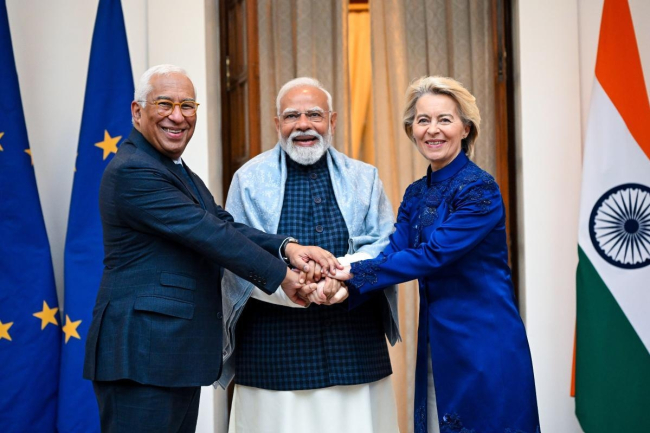
European Union-India: Lasting Rapprochement or Partnership of Convenience?
The partnership between the European Union (EU) and India has long been limited to economic exchanges. Its political dimension has gradually developed, culminating in its elevation to the status of a “strategic partnership” in 2004. However, the failure of negotiations for a free-trade agreement in 2013 slowed this momentum. Since the early 2020s, in an uncertain geopolitical context, bilateral rapprochement has gained new momentum.
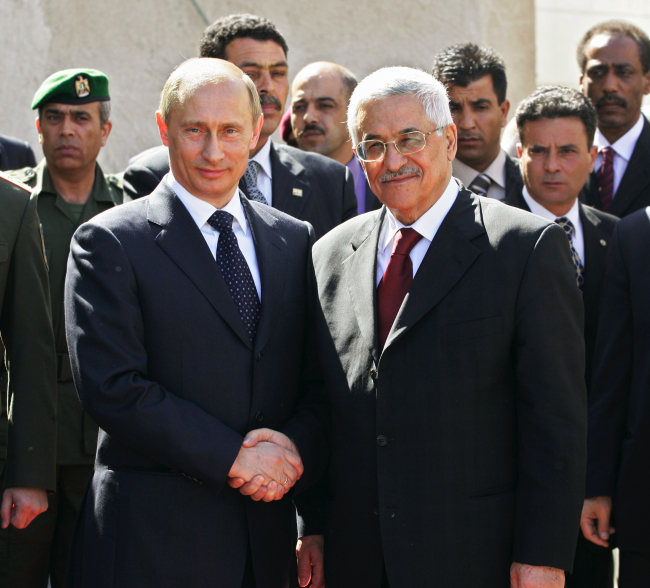
Russia, the Palestinians and Gaza: Adjustments after October 7th
The Soviet Union (USSR), and subsequently the Russian Federation as its internationally recognized legal successor, has consistently sought to play a visible role in efforts to resolve the Israeli-Palestinian conflict.
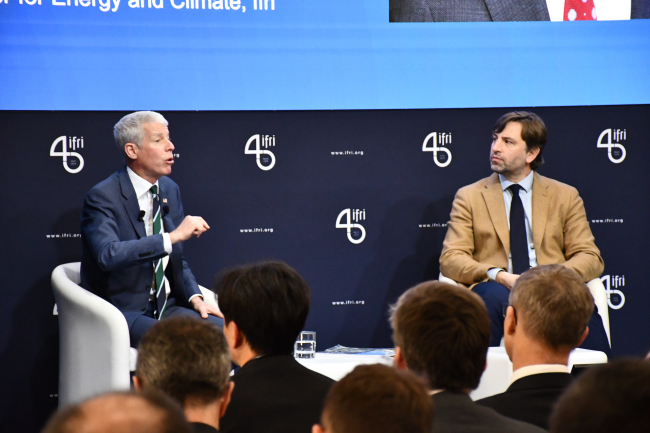
Replay - Conference with Chris Wright, Secretary, U.S. Department of Energy
Welcomed at the French Institute of International Relations (Ifri), Chris Wright outlined his vision of American energy policy built around two core axes: the human reality of energy access, and a data-driven approach. For the Secretary, energy is the foundation of prosperity, health, and longer life expectancy on a global scale. His doctrine rests on an ambition of American "energy dominance" — not merely independence, but the capacity to produce at scale in order to lower domestic costs, reindustrialize the country, and support U.S. allies.
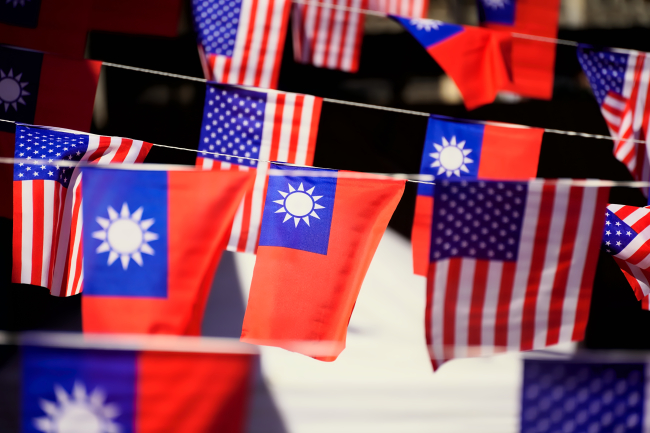
The U.S. Policy Toward Taiwan Beyond Donald Trump: Mapping the American Stakeholders of U.S.-Taiwan Relations
Donald Trump’s return to the White House reintroduced acute uncertainty into the security commitment of the United States (U.S.) to Taiwan. Unlike President Joe Biden, who repeatedly stated the determination to defend Taiwan, President Trump refrains from commenting on the hypothetical U.S. response in the context of a cross-Strait crisis.
Europe at the Crossroads of DefTech: Rethinking the European Defense Innovation Ecosystem
“The way I look at Iron Dome is as the ultimate manifestation of the future of the United States’ role in future conflicts, which is not to be the world police, but to be the world gun store,” said Palmer Luckey in November 2023. Luckey is the founder of Anduril, one of the most prominent DefTech companies. The ambition is clear: to participate in global rearmament by capitalizing on the quality of American innovations and to dominate the arms market—at least in the West—through technological mastery.

Nuke-talk is heating up among Europeans in Munich
Multiple European countries are publicly backing talks on a homegrown nuclear deterrent to complement American atomic weapons following an erosion of trust in a Donald Trump-led U.S.
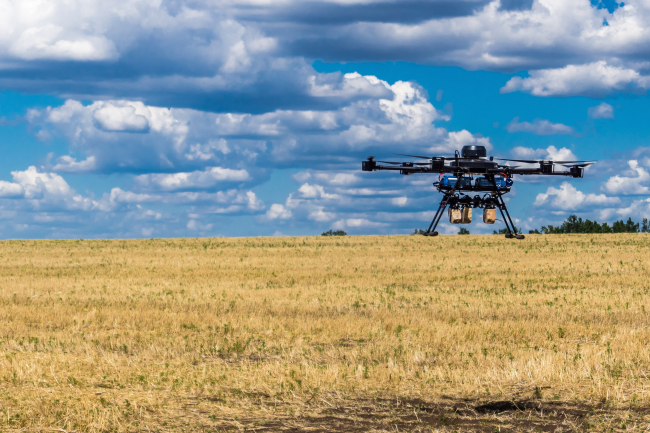
Mapping the MilTech War: Eight Lessons from Ukraine’s Battlefield
This report maps out the evolution of key technologies that have emerged or developed in the last 4 years of the war in Ukraine. Its goal is to derive the lessons the North Atlantic Treaty Organization (NATO) could learn to strengthen its defensive capabilities and prepare for modern war, which is large-scale and conventional in nature.

Mind the Deterrence Gap: Assessing Europe’s Nuclear Options
Europe must urgently confront a new nuclear reality. In recent years, Russia’s nuclear-backed revisionism has reintroduced nuclear coercion and the threat of nuclear escalation to the continent, underscoring the importance of credible nuclear deterrence. At the same time, Europe’s traditional reliance on US extended nuclear deterrence appears politically more fragile than at any point since the Cold War. Together, these developments require Europeans to think about their nuclear options.
War and Technology: An Approaching Military Revolution?
Historically, technological change has altered how battles are fought but has not overturned the fundamental principles of war. However, three considerations may now represent an actual revolution: the recourse to tactical nuclear weapons, the development of software for “multi-domain operations,” and the prospect of general artificial intelligence. The organization of militaries and the use of force need to be rethought in this light.
War and Technology: An Approaching Military Revolution?
Historically, technological change has altered how battles are fought but has not overturned the fundamental principles of war. However, three considerations may now represent an actual revolution: the recourse to tactical nuclear weapons, the development of software for “multi-domain operations,” and the prospect of general artificial intelligence. The organization of militaries and the use of force need to be rethought in this light.
The Crises Testing Arms Control
The arms control system built during and after the Cold War is under enormous stress and is fraying at the edges. It once enabled significant improvements in international security but is in danger of not withstanding the resurgence of tensions in recent years. Urgent action is now needed to prevent the proliferation of nuclear, chemical, and biological weapons, as well as cluster bombs and anti-personnel mines.
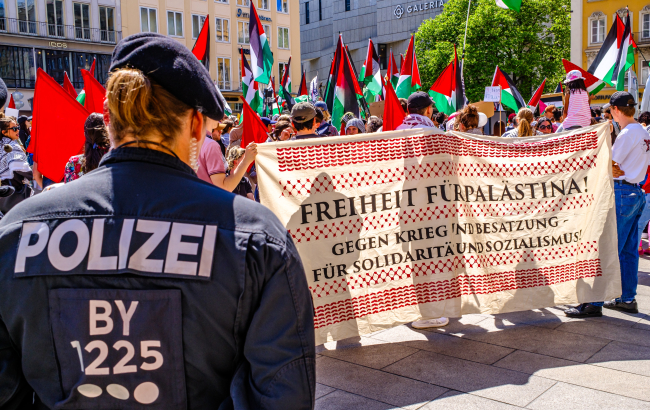
Overwhelmed: Germany’s Israel Policy after October 7th
Few countries have been as profoundly affected by the attacks of October 7th and the subsequent Gaza war as Germany. This is not merely a political controversy. It reflects a deeper structural problem: German-Israel policy has long rested on two guiding principles—a particular historical responsibility toward Israel derived from the Holocaust, and a firm commitment to universalist norms, above all international law and human rights.
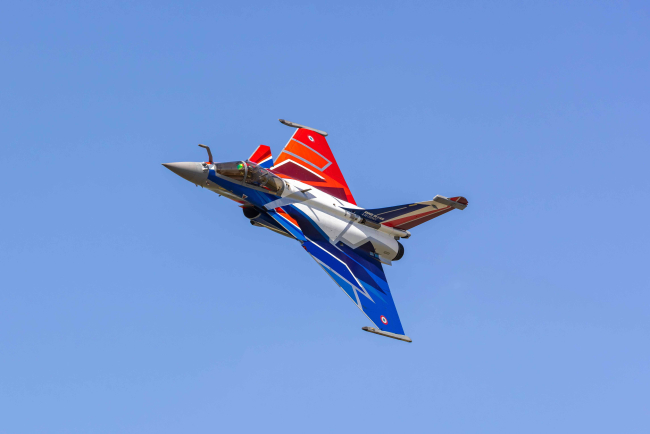
French Forward Deterrence: What Is in It for the Baltic States?
For what may be its most significant stress test since the end of the Cold War, European deterrence is under strain. Russia’s war against Ukraine has demonstrated Moscow’s willingness to use force and its ability to combine conventional operations with nuclear signalling, coercive rhetoric, and hybrid actions. At the same time, the gradual deterioration of transatlantic relations has revived concerns about the reliability of extended deterrence.
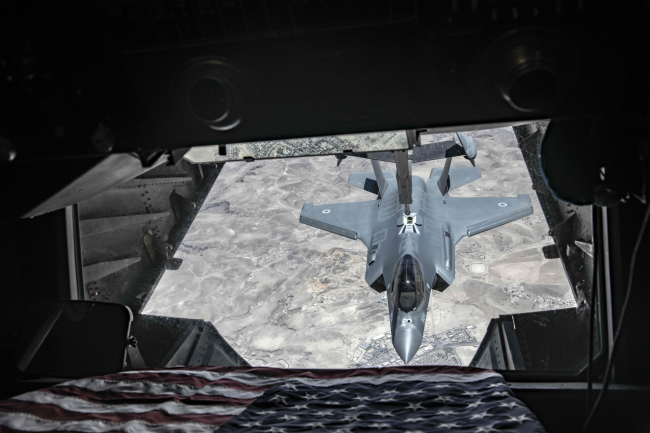
Fury from the Skies. A Strategic Analysis of Air Campaign against Iran
What is the outcome of Operations Roaring Lion (RL) and Epic Fury (EF), launched by Israel and the United States against the Islamic Republic of Iran on February 28, 2026?
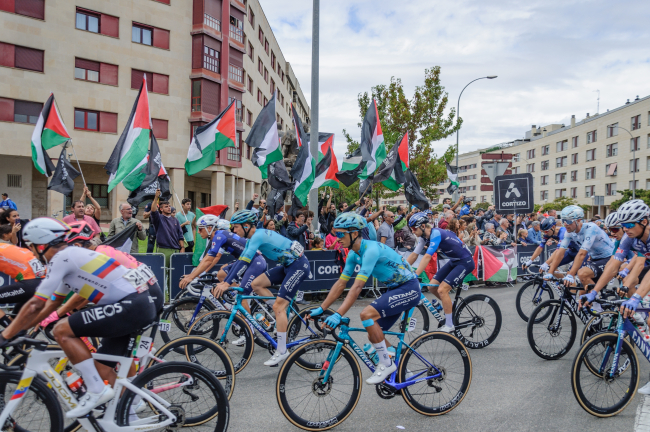
Escalation within Continuity: Spain’s Foreign Policy towards Israel and Palestine after October 7th
Over the past two years, Spain has emerged as one of the most vocal countries in supporting the Palestinian cause. While Madrid initially aligned with the prevailing European position, recognizing Israel’s right to self-defense after the 7 October attacks, it soon distinguished itself from most European Union (EU) Member States by questioning and later condemning Israel’s conduct of war in Gaza.
Australia’s Recognition of Palestine: A Case of Supporting the Status Quo over Accountability
Hamas’s terrorist attacks against Israel on October 7, 2023, killed over a thousand Israelis, altering irrevocably the way the Palestinian/Israeli conflict is viewed internationally. Australia’s government professed profound shock and disgust at Hamas’s attacks, together with its unwavering diplomatic and political support for Israel. But as Israel’s response became more concerned with exacting revenge and as the pretext to fulfill long-held ideological dreams of a Greater Israel, support from Australia became more muted and conditional. This culminated in Australia joining Britain, France, and Canada in formally recognizing a Palestinian state at the United Nations General Assembly meeting in September 2025.
Sudan Wartime Online Propaganda
In the Sudan conflict, the propaganda battle between the Sudan Armed Forces (SAF) and the Rapid Support Forces (RSF) on mainstream and social media makes it hard to distinguish real, false, and manipulated information. Furthermore, the lack of field press coverage allows fake and misleading news to spread more easily. Although the SAF and RSF work hard to shape the war narrative by building large supporter networks and using various methods such as disinformation and censorship, it is clear they no longer fully control the flow of information. Social media analysis shows that Sudanese politicians, military figures, influencers, and followers weave a tangled web of exchanges filled with rivalries, lies, and propaganda.
Finland: The Ally Who Came in from the Cold
Among all European countries, Finland is perhaps the one whose strategic culture and military model have changed the least since the end of the Cold War. Built after the end of the Second World War to deter a potential new Soviet invasion, this model enabled Finland to serve as an example of European rearmament.

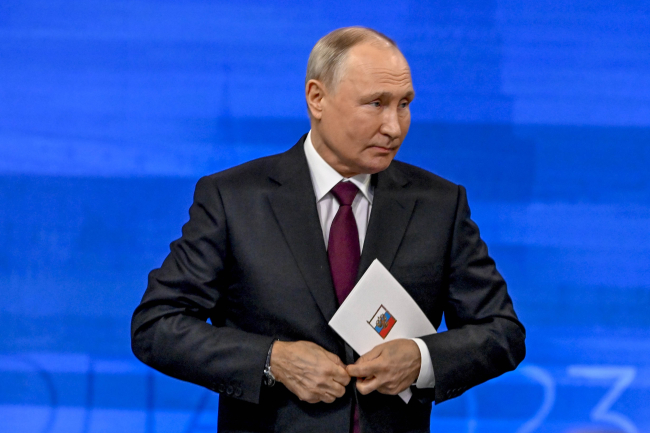
Putin Eyes Peacemaking Role In Israel-Iran Air War
Vladimir Putin is eyeing the conflict between Israel and Iran as an opportunity to thrust himself to the forefront of the international stage, more than three years into his invasion of Ukraine.

Macron’s Southeast Asia trip: What is behind the French president’s ‘third way’ proposal?
In a recent Southeast Asia tour, Macron pitched ‘strategic autonomy’ as a means for nations to avoid choosing sides in the US-China rivalry, offering France and Europe as alternative partners

Europe is trying to woo Southeast Asia — but it won’t win it over the U.S. or China
European leaders are looking to Southeast Asia with renewed interest amid Washington’s aggressive tariff agenda, but experts warn that the state of regional trade ties makes it challenging to disrupt the U.S. or China’s hold.

quoted by Leila Abboud in the Financial Times

The 'Macron Doctrine' goes to Asia: Autonomy with partners, steady on China
The French president calls for a 'third way' in the Indo-Pacific
Macron calls for Europe and Asia to unite and resist ‘spheres of coercion’
French President Emmanuel Macron used a keynote speech Friday at Asia’s top regional security conference to call on European and Indo-Pacific nations to pursue "strategic autonomy" — avoiding picking sides between China and the United States — and instead forge “coalitions of action” while standing up to “spheres of coercion.”
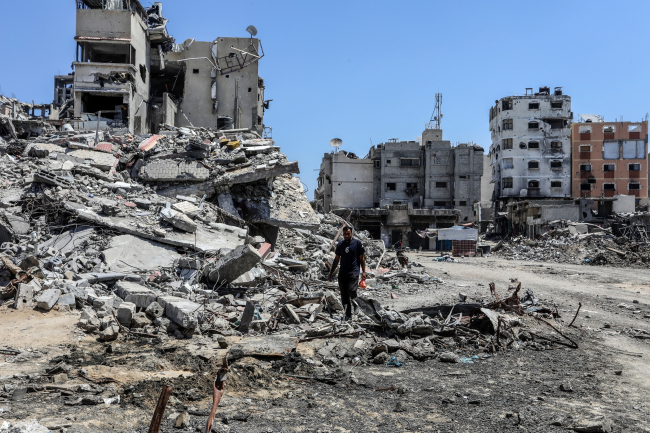
Taking the Pulse: Should the EU Suspend its Association Agreement With Israel?
Israeli leaders are clearly stating their intention to forcibly displace Gazans out of the Strip, a policy which amounts to ethnic cleansing. To uphold its commitment to human rights, should the EU suspend its association agreement with Israel?
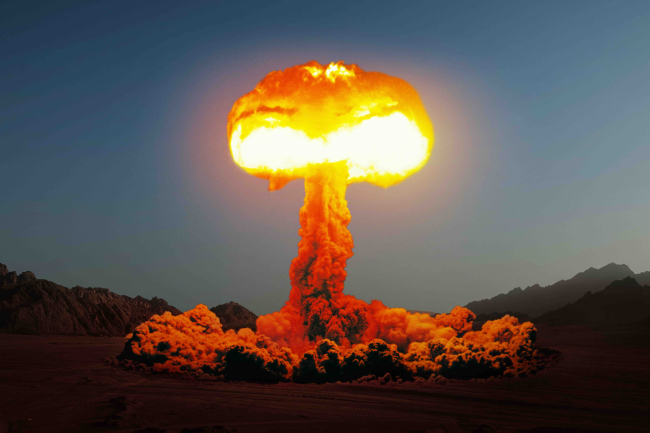
Europe thinks the unthinkable on a nuclear bomb
Poland wants co-operation with France on a nuclear deterrent. That could take many forms.

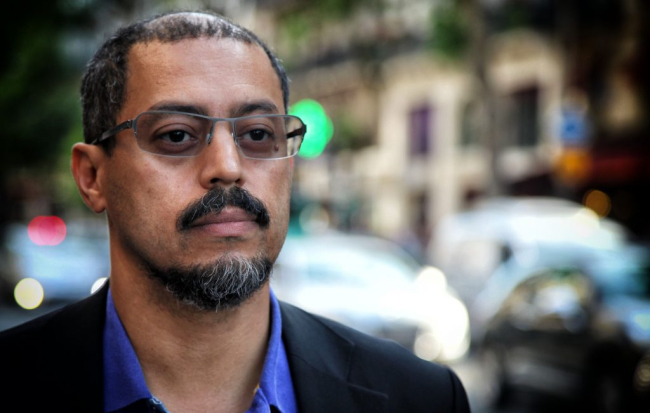
France starts 2025 with fresh controversy, questions over Africa
France starts 2025 with a further drawdown of its military presence in its former African colonies, and fresh tensions ignited this week with controversial remarks by French President Emmanuel Macron.


Will Europe's pivot to Asia have any teeth?
Spurred by fears of a ‘new Ukraine’ in East Asia, European powers are ramping up their presence in the Indo-Pacific.
Ifri, a foundation recognized as being of public utility, relies largely on private donors – companies and individuals – to guarantee its sustainability and intellectual independence. Through their funding, donors help maintain the Institute's position among the world's leading think tanks. By benefiting from an internationally recognized network and expertise, donors refine their understanding of geopolitical risk and its consequences on global politics and the economy. In 2026, Ifri partners with over 90 French and international companies and organizations.
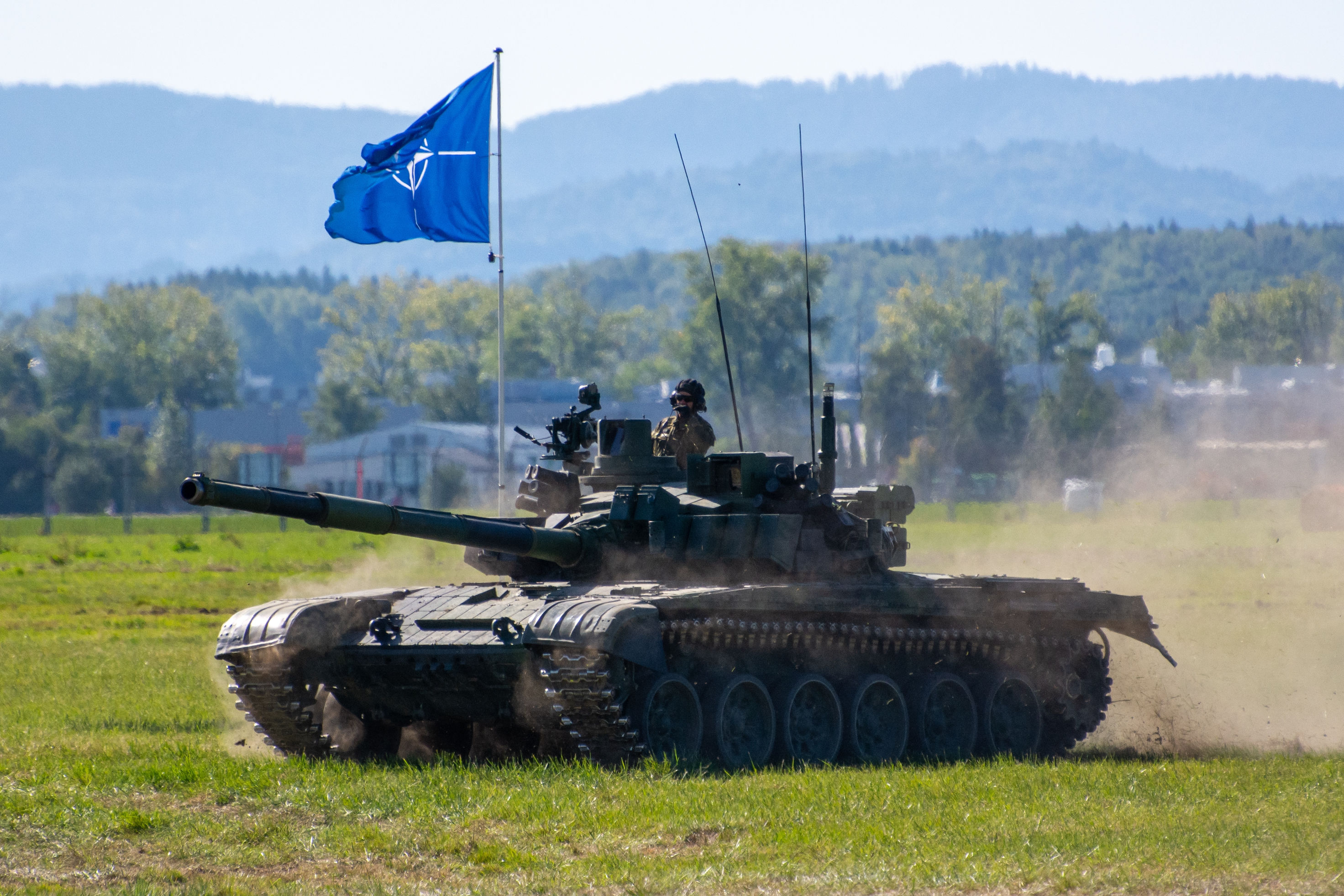
The European & Transatlantic Security Program aims to contribute to the strategic debate by developing analyses around three main axes: European defense and the security architecture of the European continent, institutional and strategic links between the Treaty Organization of North Atlantic (NATO) and the European Union (EU), as well as the evolution of the transatlantic relationship.
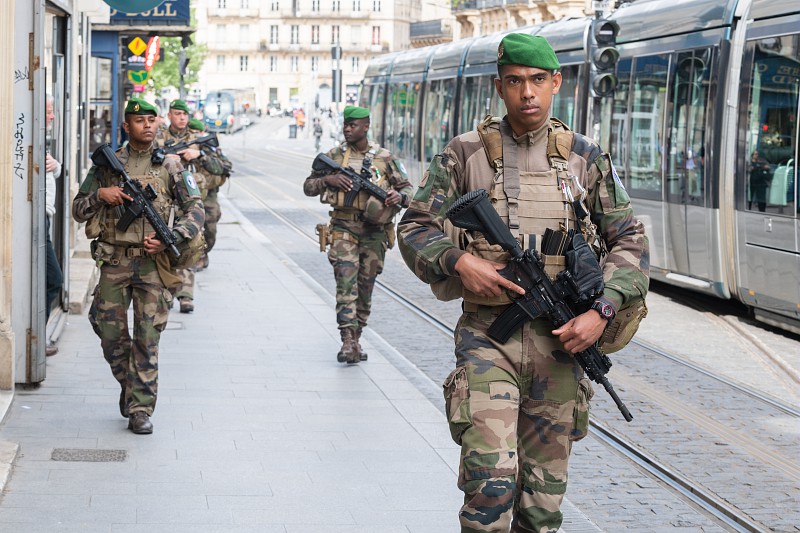
The distinction between internal and external threats is often exaggerated, as the borders are so porous. Conflicts taking place thousands of kilometers from France can have tragic resonances on national territory. Radicalization, terrorism and even organized crime have an international dimension that cannot be ignored.
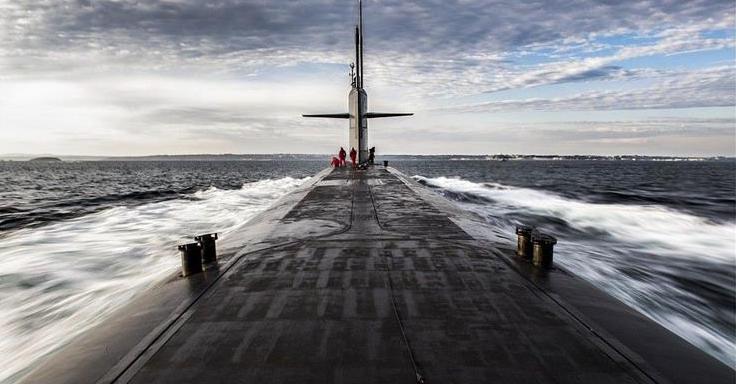
The conflicts in Europe, Asia and the Middle East demonstrate a return of nuclear power to the balance of power. Arsenals are being modernized and expanded, while arms control is collapsing. This research program aims to analyze these phenomena.
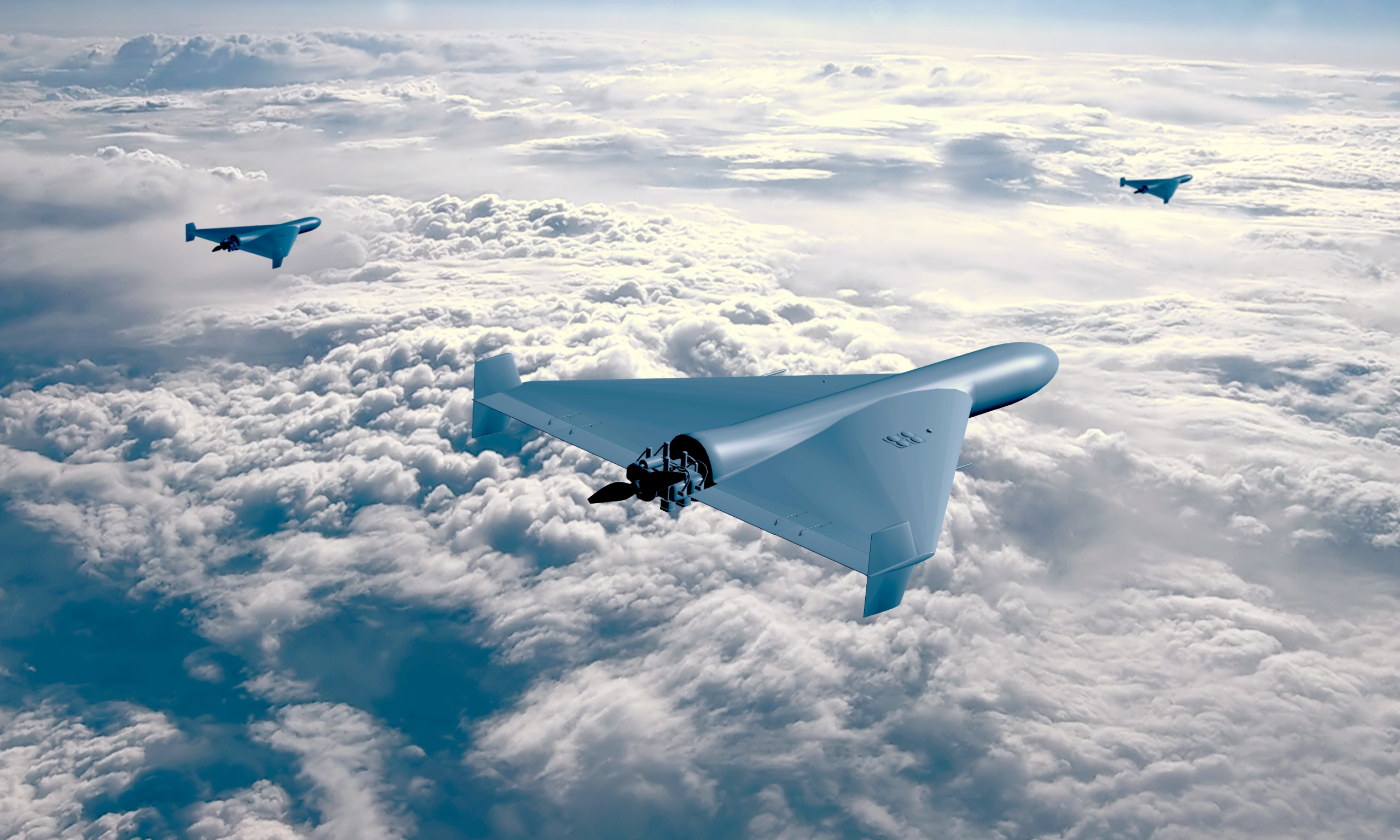
The Observatory of Future Conflicts is a research program carried out by the French Institute of International Relations and the Foundation for Strategic Research on behalf of the three army headquarters aimed at studying developments in tensions and armaments at the horizon 2040 in a transversal perspective, taking into account the issues of each army.
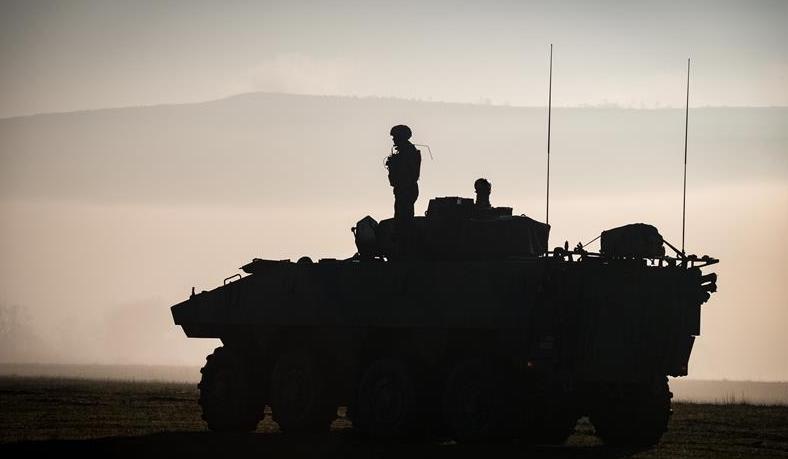
Heir to a tradition dating back to the founding of Ifri, the Security Studies Center provides public and private decision-makers as well as the general public with the keys to understanding power relations and contemporary modes of conflict as well as those to come. Through its positioning at the juncture of politics and operations, the credibility of its civil-military team and the wide distribution of its publications in French and English, the Center for Security Studies constitutes in the French landscape of think tanks a unique center of research and influence on the national and international defense debate.
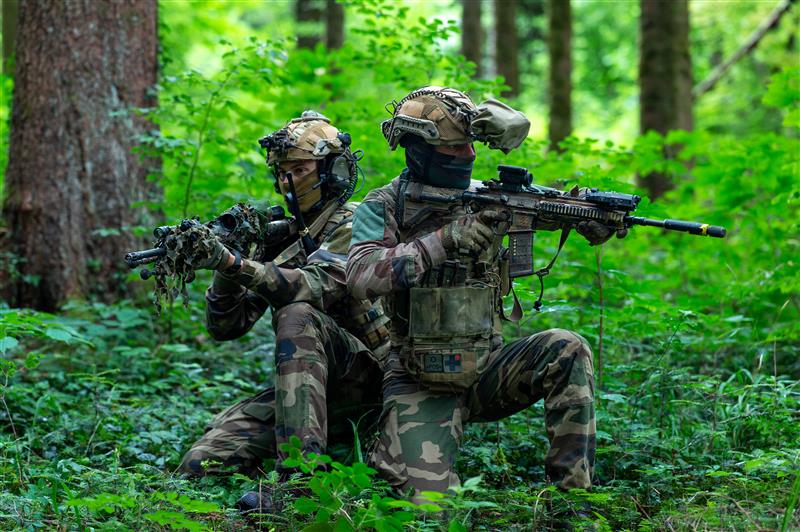
The Defense Research Unit is a program that aims at stimulating the strategic debate by dealing with subjects at the junction of the “technico-operational” and the “political-strategic”. A unique structure in France, it brings together civilian researchers and “military fellows” from each of the three armies to produce work on defense policies, the capability and strategic adaptation of armies, and foresight on tomorrow's conflicts.