

Asia and Indo-Pacific
Asia and the Indo-Pacific are often presented as the heart of international relations in the 21st century.
Related Subjects


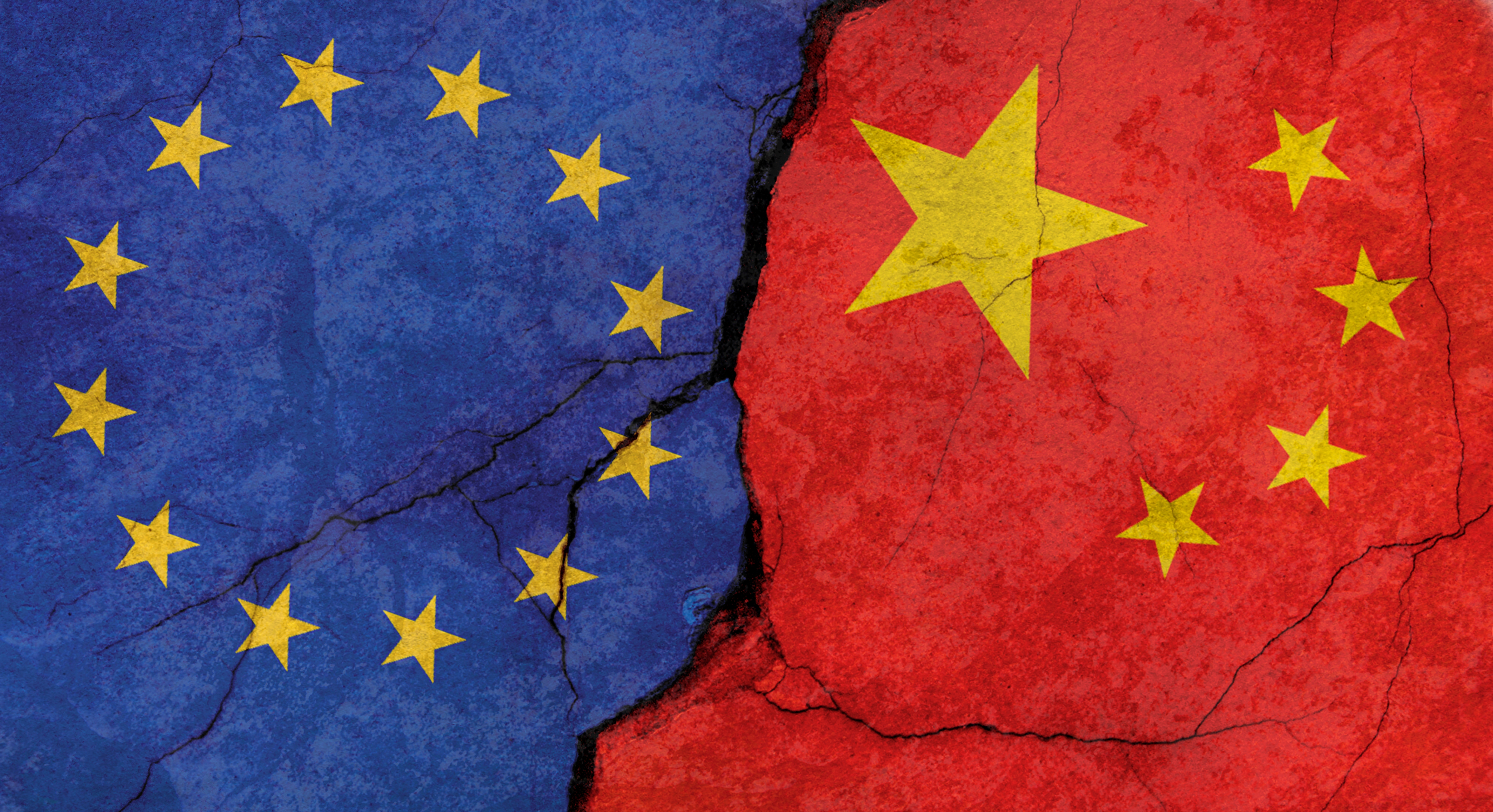
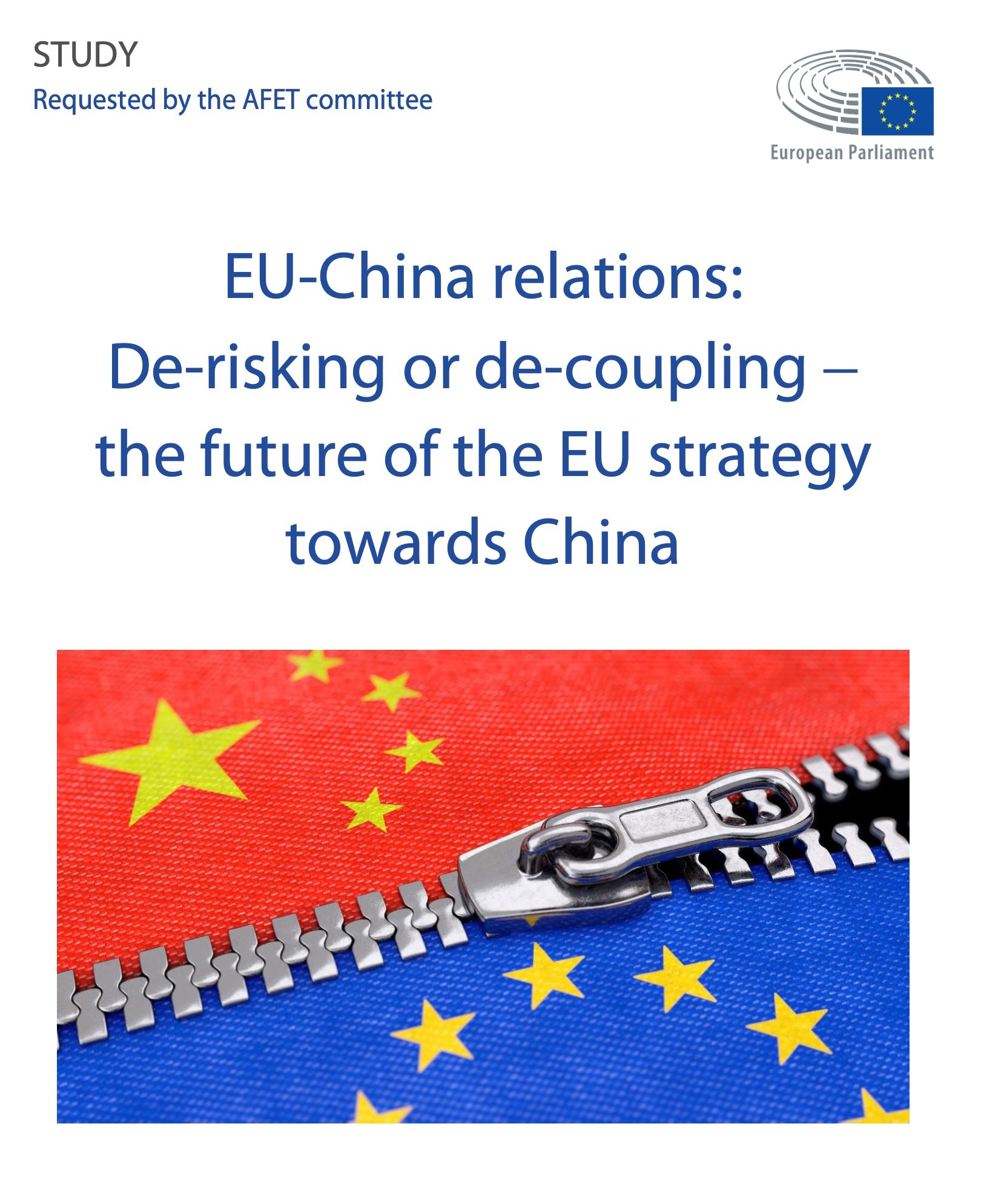
EU-China relations: De-risking or de-coupling − the future of the EU strategy towards China



Will Europe Distance Itself From Taiwan?
To counter U.S. President Donald Trump’s hostility toward Europe, one idea being considered in Brussels is to lean into China’s latest charm offensive.

Europe Tempted by Closer Relations With China Following Trump’s Hostility, but Barriers to Cooperation Persist
While U.S. Vice President JD Vance left Europe reeling at the Munich Security Conference last month, Chinese Foreign Minister Wang Yi (王毅) met with several European officials on the sidelines. At the U.N. Security Council a few days later, China pushed for greater European involvement in peace negotiations in the Russia-Ukraine war.
(Replay) US-China-Taiwan Relations: What to expect in the Trump II Era?
Replay of Ifri's Center for Asian Studies' conference "US-China-Taiwan Relations: What to expect in the Trump II era?", held at Ifri on Tuesday 11 March 2025.
France Contested in Overseas Territories - Politique étrangère, Vol. 90, No. 1, Spring 2025
New Caledonia, Mayotte: France's overseas territories were severely shaken in 2024. Beyond explanations of the economic situation, the place of these overseas territories in French policies and strategies is once again being called into question.
Are France's overseas territories the remnants of an outdated colonialism? Or, on the contrary, are they supports for an extended French presence that the opening-up of the world makes indispensable, and barriers raised here and there against the appetites of new powers? In any case, what policies should the Hexagone pursue in these regions, to promote better development and more effective integration into their environment? And is the legal status of these overseas territories untouchable?

Jammu and Kashmir in the Aftermath of August 2019
The abrogation of Article 370, which granted special status to the state of Jammu and Kashmir (J&K), has been on the agenda of the Bharatiya Janata Party (BJP) for many decades.
The China-Russia Partnership and the Ukraine War: Aligned but not allied
China and Russia maintain a strategic partnership rooted in shared opposition to the U.S. and liberal democracies, but their relationship is shaped more by pragmatism than trust.
France’s Contributions to Pacific Maritime Governance
France stands out as the only European country capable of making a substantial security contribution to the South Pacific, with a permanent presence of 2,800 military personnel extensively skilled in regional cooperation.
Technical Standards, Soft Connectivity and China’s Belt and Road: Towards greater convergence or fragmentation?
As the intensification of geopolitical competition points toward increased global fragmentation, the definition of technical standards for future markets and industries will play an important role in determining just how deep the fissures will run.

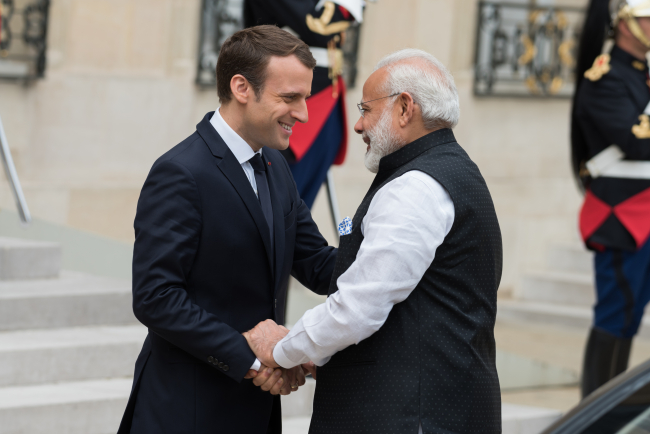
India's Modi heads to Paris as co-chair of AI summit
Indian Prime Minister Narendra Modi is visiting France from Monday as co-chair of an international summit on artificial intelligence in Paris that is expected to be attended by industry leaders, including executives from OpenAI and DeepSeek.
Trump’s Second Term: Laying the Groundwork for a New Trade War
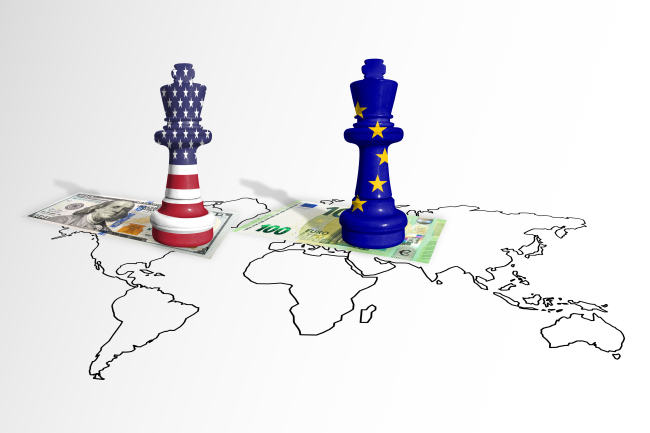
In a statement released on February 1, 2025, President Trump announced the implementation of a 10% tariff on Chinese goods and a 25% tariff on imports from Canada and Mexico. While the former took effect via executive order on February 4, the latter were granted a 30-day reprieve. Sanctions targeting European Union (EU) products are said to be imminent.
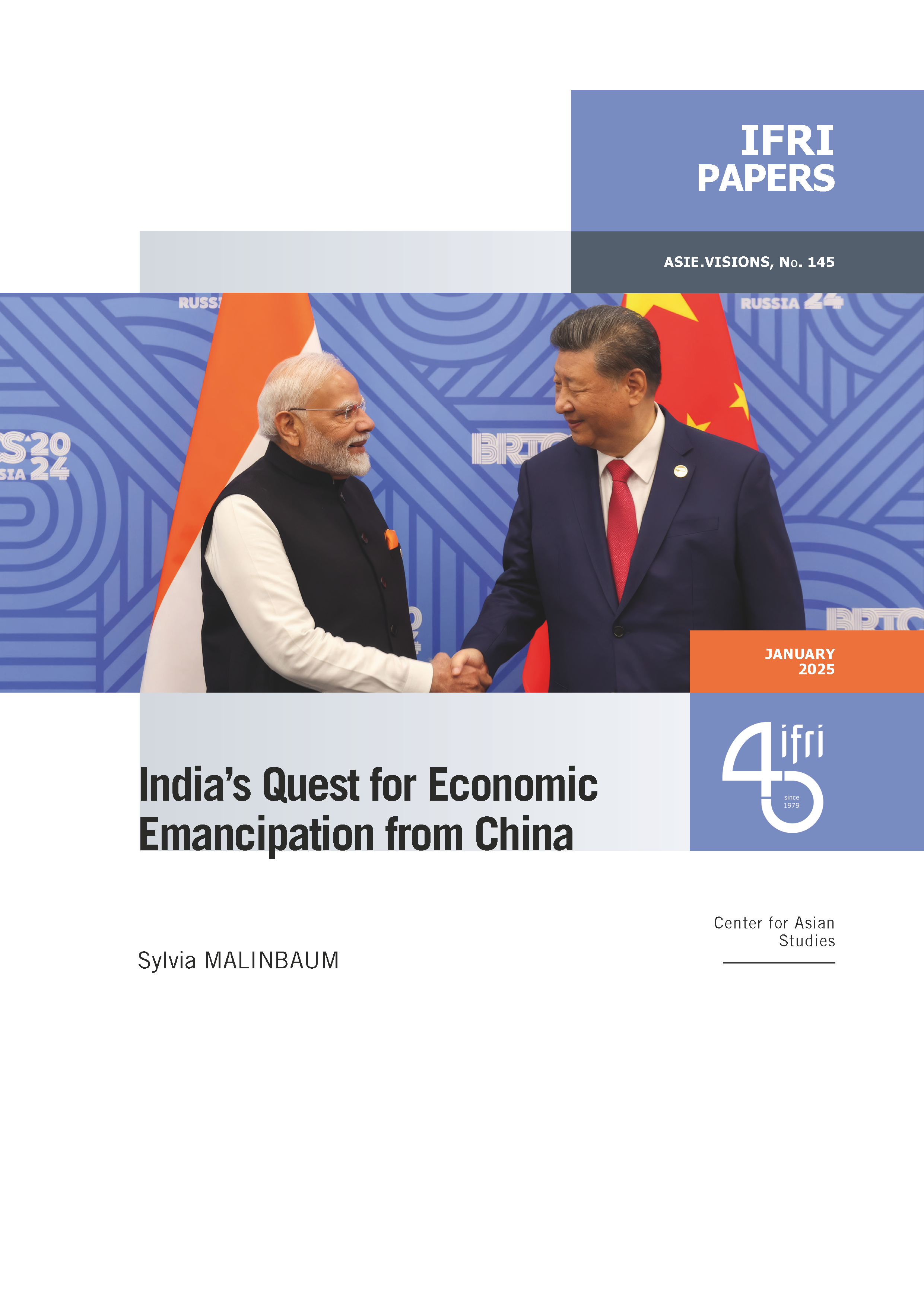
India’s Quest for Economic Emancipation from China
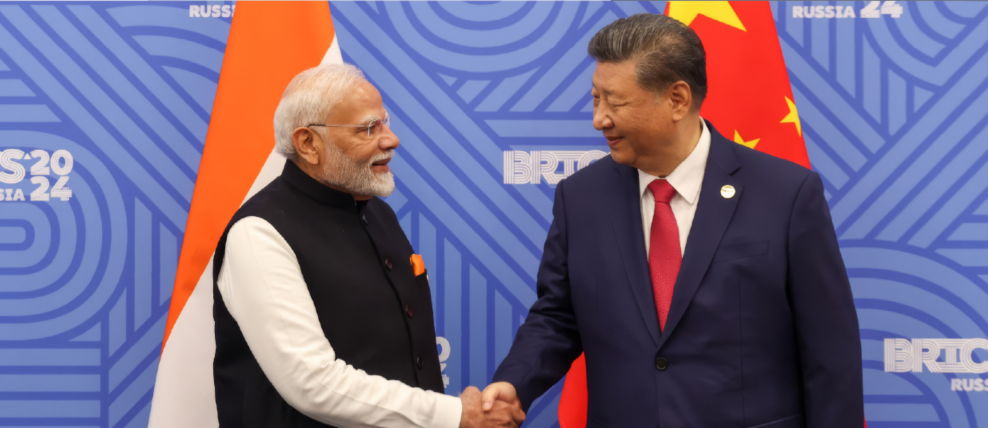
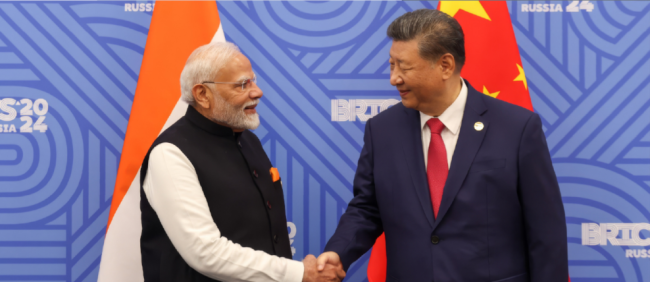
In October 2024, the meeting between Chinese President Xi Jinping and Indian Prime Minister Narendra Modi initiated a thaw in relations between the two Asian powers. Has India's high level of economic dependence on China played an important role in bringing about this diplomatic shift?
The Indo-Pacific and Trump II. In Uncle Sam’s brutal embrace
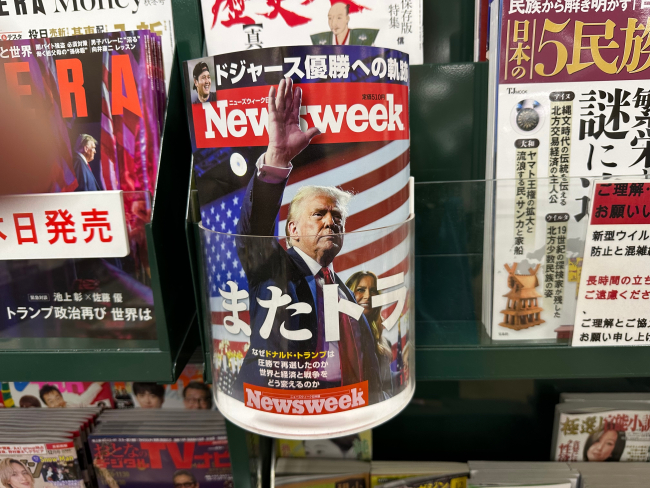
In this collective analysis, the research team of the Center for Asian Studies presents a synthetic and non-exhaustive assessment of the relations taking shape between the United States under the Trump II administration and some of the main players in the Indo-Pacific.

The Case for Enhanced France-Philippines Maritime Cooperation
France and the Philippines, two Indo-Pacific nations, can capitalize on their shared interests, needs, and expertise in maritime security and governance, ultimately fostering strategic rapprochement.
From nonproliferation to strategic competition: US export controls and China
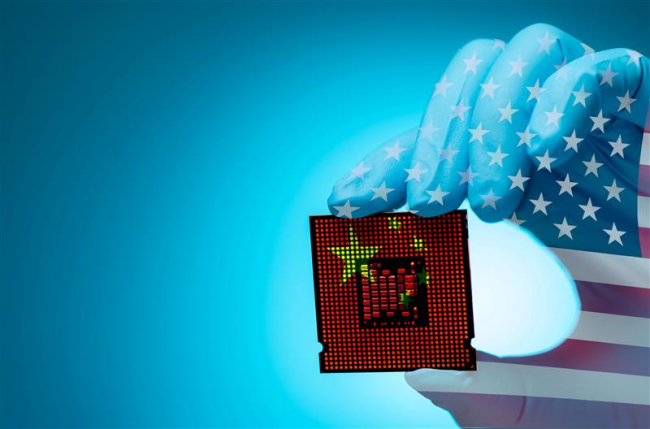
Technological competition is at the heart of the renewed great-power competition that has characterized relations between the USA and China since the 2010s. The role of technological innovation in the evolution of power relations is already recognized in the literature of international relations. However, developments in US technology policy under the last two administrations raise the reverse question: how does the perception of changing power relations (in this case, Chinese technological catch-up perceived as a threat to US leadership) transform policies granting or denying access to technological innovation?
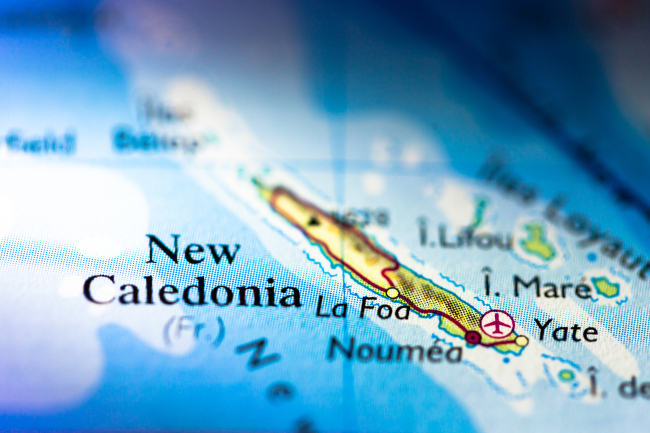
France’s maritime security cooperation in the Pacific
France plays a significant role in Pacific maritime security, particularly through the active participation of its overseas territories and the contribution of its stationed armed forces to regional cooperation initiatives.
Replay - The European Union in Competition with the United States and China. How to Balance Free Trade, Competitiveness and Economic Security?
Video replay from Ifri's conference, on December 3, 2024. As the geopolitical context has changed, so has the approach to international economic relations and the rules-based multilateral framework. Covid and Russia’s war against Ukraine have exposed the risks of extended supply chains and of having become dependent on a single supplier.
Replay - North Korea Beyond Nukes: Focusing on the Human Rights Challenge
Replay of Ifri's Asian Studies Center conference "North Korea Beyond Nukes: Focusing on the Human Rights Challenge".

Deep Precision Strikes: A New Tool for Strategic Competition?
Reaching deep into the enemy’s system to weaken it and facilitate the achievement of operational or strategic objectives is a key goal for armed forces. What capabilities are required to conduct deep strikes in the dual context of high-intensity conflict and strengthened enemy defenses?
Russia-North Korea Alliance: A New Threat to Global Security and Korean Stability?
An interview with Wooyeal PAIK, Professor, Department of Political Science and International Studies, Yonsei University. He analyses why North Korea's support for Russia could escalate global tensions, strain the EU-NATO security ties, and destabilize the Korean Peninsula.
National Perspectives on Europe's De-risking from China
The concept of “de-risking” has become a significant focus for the European Union (EU) in managing its relations with China since first proposed by European Commission President Ursula von der Leyen in March 2023. However, the interpretation and policy responses to de-risking vary across Europe, reflecting diverse national perspectives.
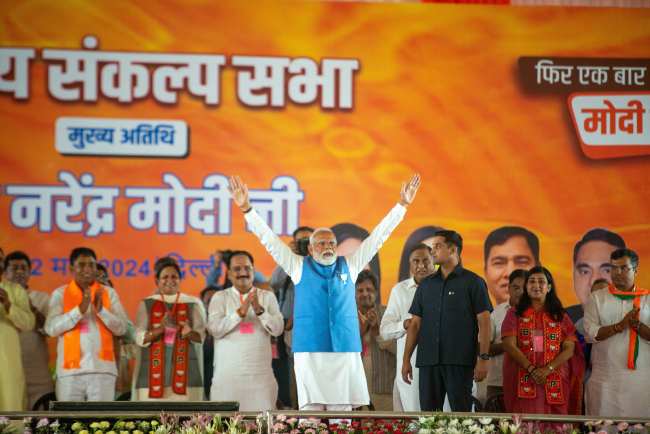
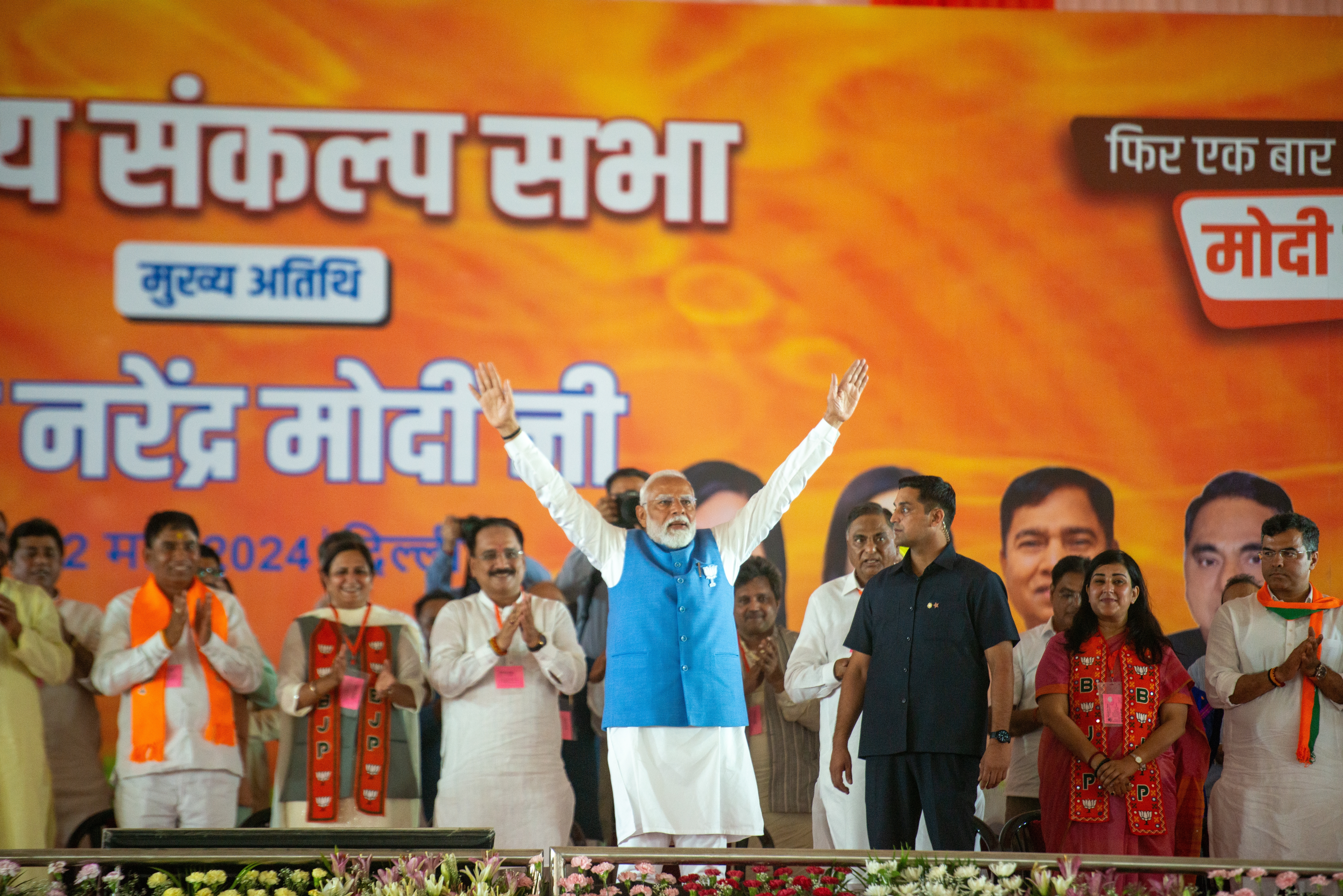
Foreign Policy Issues in the BJP 2024 Election Campaign: Boosting National Pride and Glorifying a Strong Government
While election campaigns in India traditionally focus on domestic issues above all, the Bharatiya Janata Party’s (BJP) campaign for the 2024 general elections placed a strong emphasis on foreign policy. It emphasized how, under the leadership of Prime Minister Narendra Modi, India has strengthened its diplomatic role and achieved international economic success.

France Adapts to an Era of Strategic Competition With China
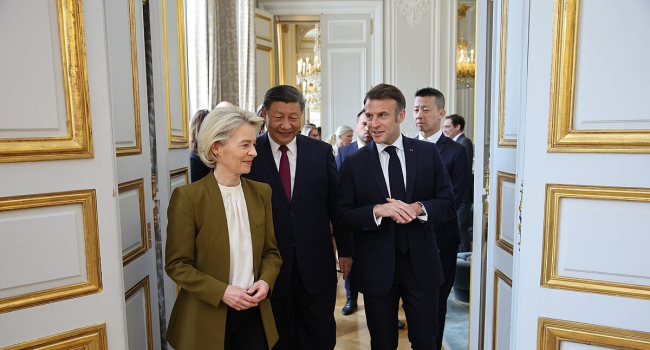
Macron’s China Policy: Dropping Illusions and Bringing Back Realpolitik
One may regret that France has not upgraded its China policy sooner, but it seems that the French president is now clear-eyed that it is not enough to only have a good relationship with Beijing, it is also necessary to reinstate the balance of power.
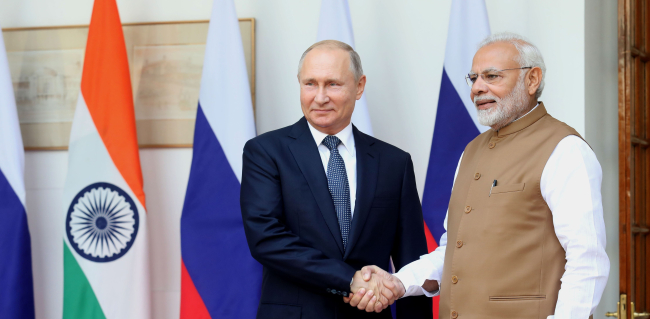
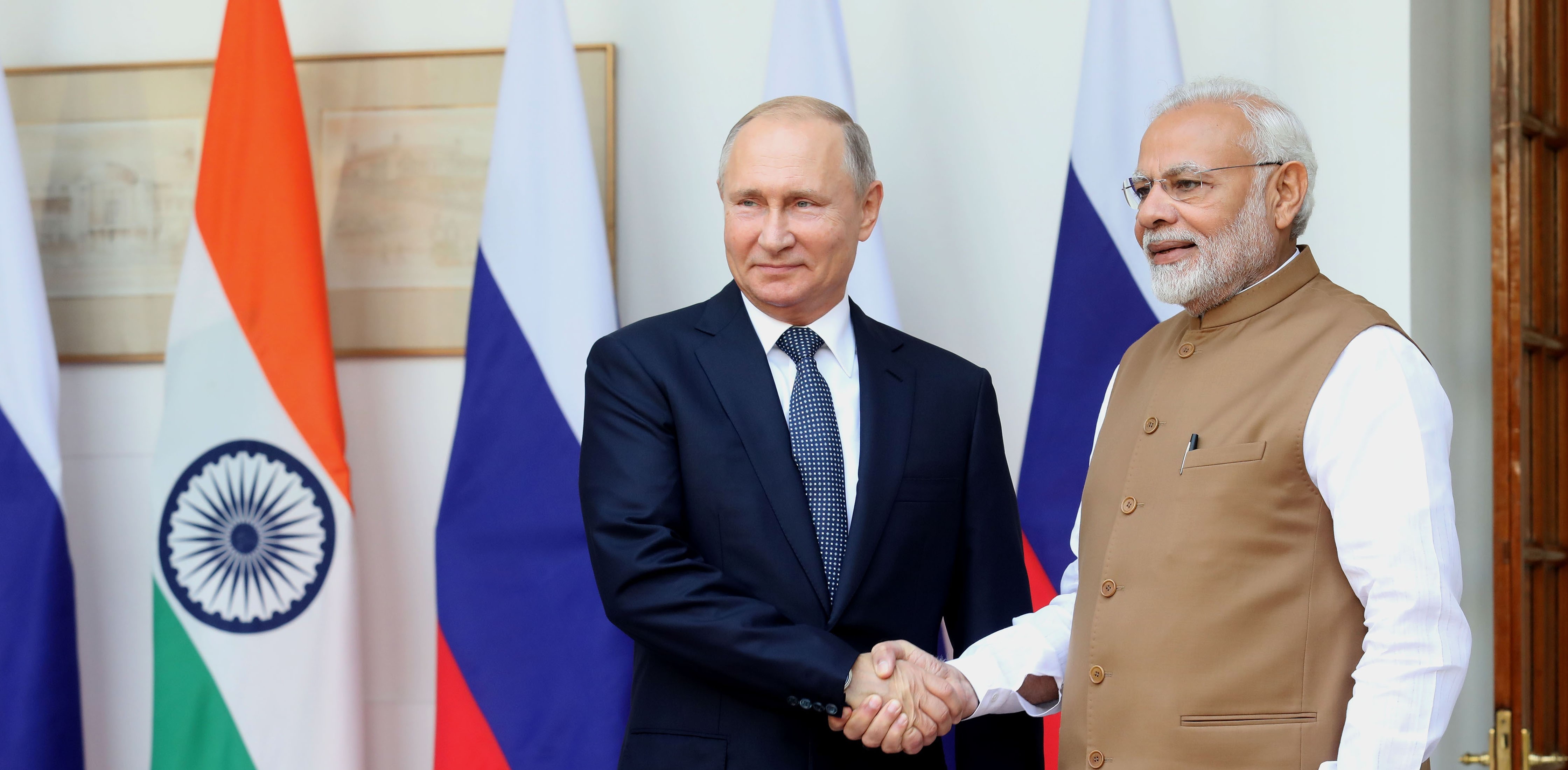
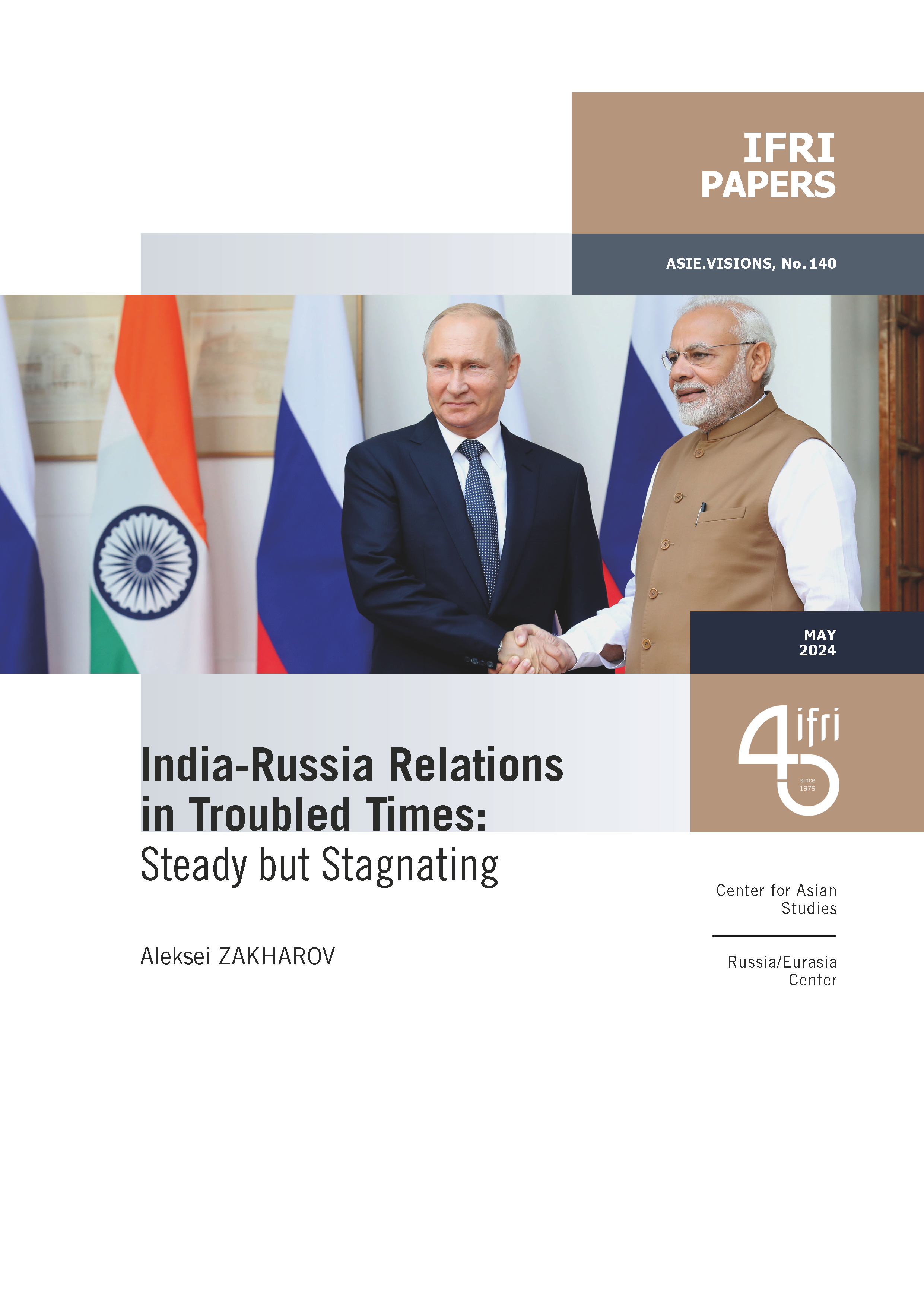
India-Russia Relations in Troubled Times: Steady but Stagnating
This paper examines the trajectory of India-Russia relations post-February 2022. The war in Ukraine emerged as a significant challenge for bilateral ties, presenting new obstacles to political and diplomatic relations and intensifying the previous difficulties in developing economic cooperation.
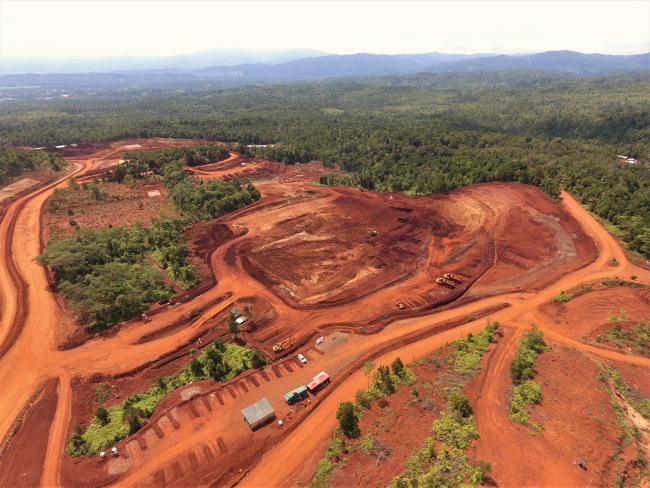
The Prospects of Indonesia’s Nickel Boom Amidst a Systemic Challenge from Coal
Indonesia is a country that is booming economically and demographically. This not only matters for regional, political, and energy security, but also increasingly, for the world’s energy transitions, due to Indonesia’s large metal reserves, as well as its equally important coal consumption in industry and for power generation.
Over the last 20 years, Indonesia’s economy has been characterized by very dynamic growth, massive increases in its electricity demand, and coal consumption and exports. Hence, its greenhouse gas (GHG) emissions are on a steady growth trajectory, although the country has committed to lowering them by 32% (unconditional) or 41% (conditional) by 2030.
With its Organization for Economic Cooperation and Development (OECD) membership application, occurring in the context of global energy transition requirements and geopolitical confrontations, Indonesia is today at a crossroads.
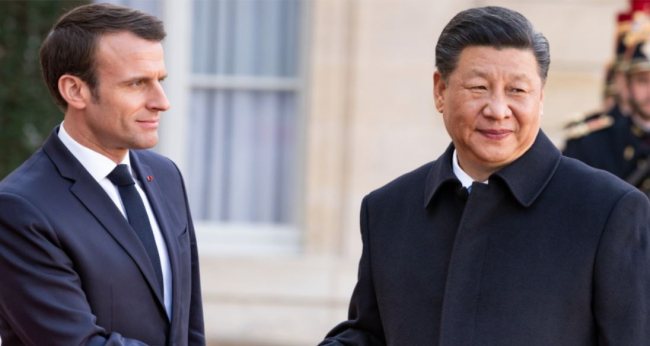
Xi Jinping’s Visit to France: Stumbling Blocks Pile Up on the Path of Bilateral Cooperation
On May 6 and 7, Chinese President Xi Jinping will pay a state visit to France, his first to Europe since 2019 and the Covid-19 pandemic. Emmanuel Macron and Xi Jinping will celebrate Franco-Chinese friendship and the sixtieth anniversary of the establishment of diplomatic relations between their two countries. It comes at a time when the bilateral relationship is officially perceived as positive on both sides, especially after the French President’s visit to China in April 2023.
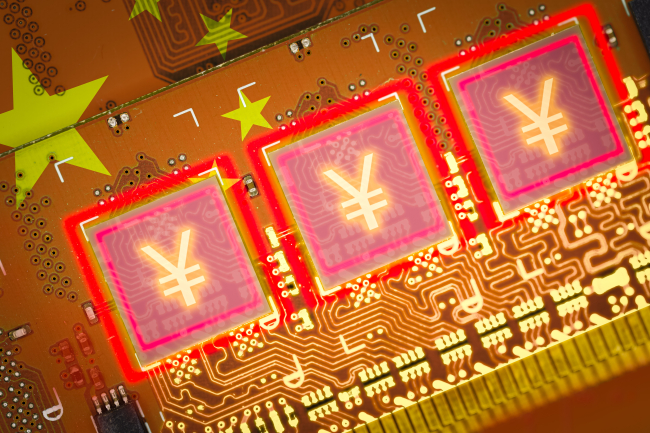
Why Chinese Fintechs Have Failed to Reshuffle International Finance
New Chinese financial technologies, including unparalleled electronic payment systems, have so far failed to threaten U.S. financial dominance.
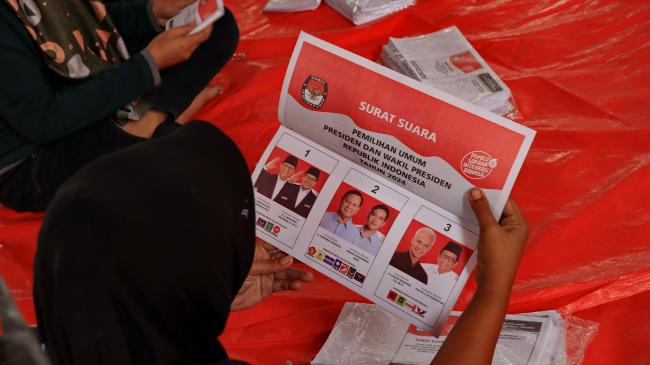
Indonesia’s 2024 Presidential Elections: Campaigning for Continuity
Indonesia is gearing up for its next general election on February 14, with a potential runoff scheduled in late June. This major electoral process will determine the nation’s next president and vice-president since incumbent President Joko Widodo, also known as Jokowi, will step down after ten years in office in compliance with the constitutional limit of two terms.
China, technical standardization, and the future of globalization
As the global economy sits at a crossroad between connectivity-driven globalization and strategic decoupling, technical standardization provides a valuable measure of where we are headed.

China in International Space Cooperation: Heading South
In only three decades, China has become one of the world’s top space powers. At the turn of the 2020s, almost suddenly, China became the main challenger to the US, although with a significant remaining gap to bridge.
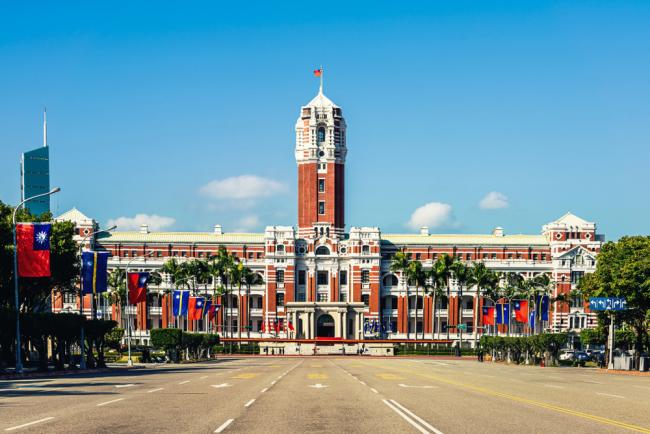
Taiwan’s 2024 Elections: A Moving Political Landscape with China Remaining Front and Center
On January 13th the young Taiwanese democracy will hold its 8th presidential election since direct universal suffrage began in 1996. The same day, the people of Taiwan will elect a new Parliament – the Legislative Yuan – which will start its term on February 1st. President Tsai Ingwen’s second and final term will come to an end in May.
France as a convening power in the Pacific: The Nouméa SPDMM
A little known regional dialogue offers France and other countries a chance to contribute to the “Pacific way”.
The EU, the Indo-Pacific and the US-led IPEF: Which Way Forward?
The paper provides a European Union (EU) perspective on the Indo-Pacific Economic Framework (IPEF).
France's IndoPacific Strategy: From a Balancing Power to a Constructive Stakeholder
France was the first European country to announce an Indo-Pacific strategy, launching it in 2018.
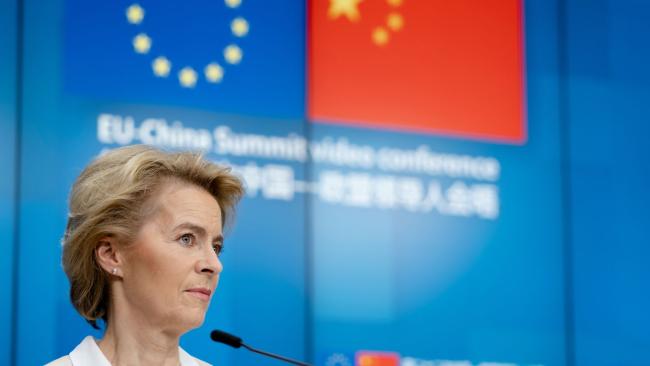
EU's China policy staying on track despite intensifying debate
While French President Emmanuel Macron’s state visit to China is viewed by some to be an exercise in stirring the pot, this does not mean that the European boat has veered off course. The EU is used to robust debate among and within member states, and can take this as another opportunity to affirm their stance on China.
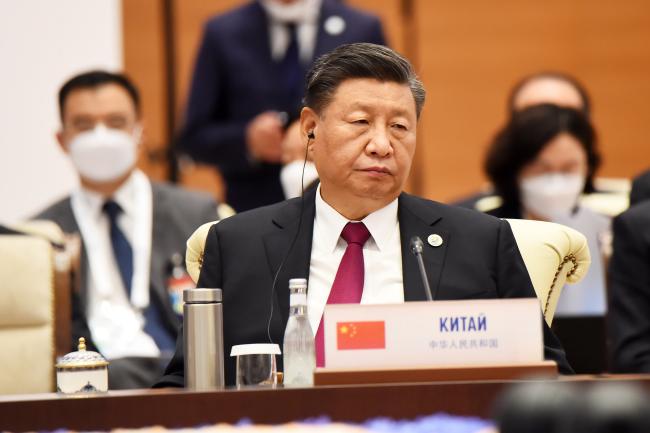
Whither China After 10 Years of Economic Policies Guided by Xi?
As the 20th national congress of the Chinese Communist Party (CCP) draws closer, this is an opportune moment to appraise China’s economic achievements over the past decade under President Xi Jinping’s guidance and to identify the challenges the country will have to address during the next five years.
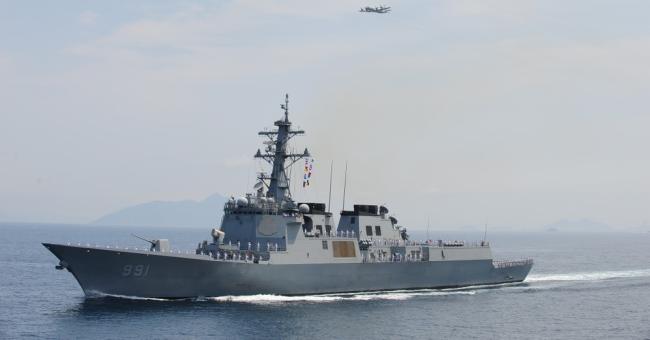
La paix par la force. La modernisation de la défense sud-coréenne sous la présidence Moon Jae-in
South Korea's defense modernization plan, Defense Reform 2.0, represents a significant effort in terms of military capabilities since 2018. The outgoing president, Moon Jae-in, has placed particular emphasis on high-tech acquisition as well as transforming the Korean defense industrial and technological base into a major domestic and international supplier.
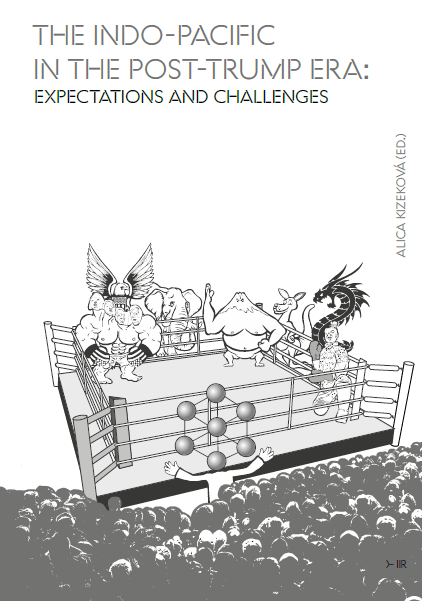
Asia-Pacific mega trade deals (RCEP, CPTPP): Which role for the US, and what are the implications for the EU?
While it has long been reluctant to engage in institution-based regional economic integration, East Asia is now home to two mega trade deals: the Comprehensive and Progressive Agreement for Trans-Pacific Partnership (CPTPP) and the Regional Comprehensive Economic Partnership (RCEP).
Xi Jinping’s Conquest of China’s National Security Apparatus
One indisputable trend of Xi Jinping’s leadership since taking up the reins of government in 2012 has been the reaffirming of the Party’s control over the state, the army, society, and the economy. To this aim, establishing heightened control over the national security apparatus has been his means as much as an end. Xi has thus strengthened the Party’s overall security authority through major institutional and legal reforms.
Ifri, a foundation recognized as being of public utility, relies largely on private donors – companies and individuals – to guarantee its sustainability and intellectual independence. Through their funding, donors help maintain the Institute's position among the world's leading think tanks. By benefiting from an internationally recognized network and expertise, donors refine their understanding of geopolitical risk and its consequences on global politics and the economy. In 2026, Ifri partners with over 90 French and international companies and organizations.

European Think-tank Network on China (ETNC)
The European Think-tank Network on China (ETNC) is a gathering of China experts from a selection of European research institutes. It is devoted to the policy-oriented study of Chinese foreign policy and relations between China and European countries as well as China and the EU. It facilitates regular exchanges among participating researchers with a view to deepening the understanding within the European policy and research community and the broader public of how Europe, as a complex set of actors, relates with China and how China’s development and evolving global role is likely to impact the future of Europe. The network’s discussions and analyses take a decidedly ‘bottom-up’ approach, accounting for the various aspects of bilateral relations between European countries and China, and the points of convergence and divergence among EU member states in order to examine EU-China relations in a realistic and comprehensive way. The views presented in ETNC reports are the sole responsibility of the signed authors and do not in any way represent the views of all members of the ETNC, its participating institutions, nor the institutions with which the authors are affiliated.
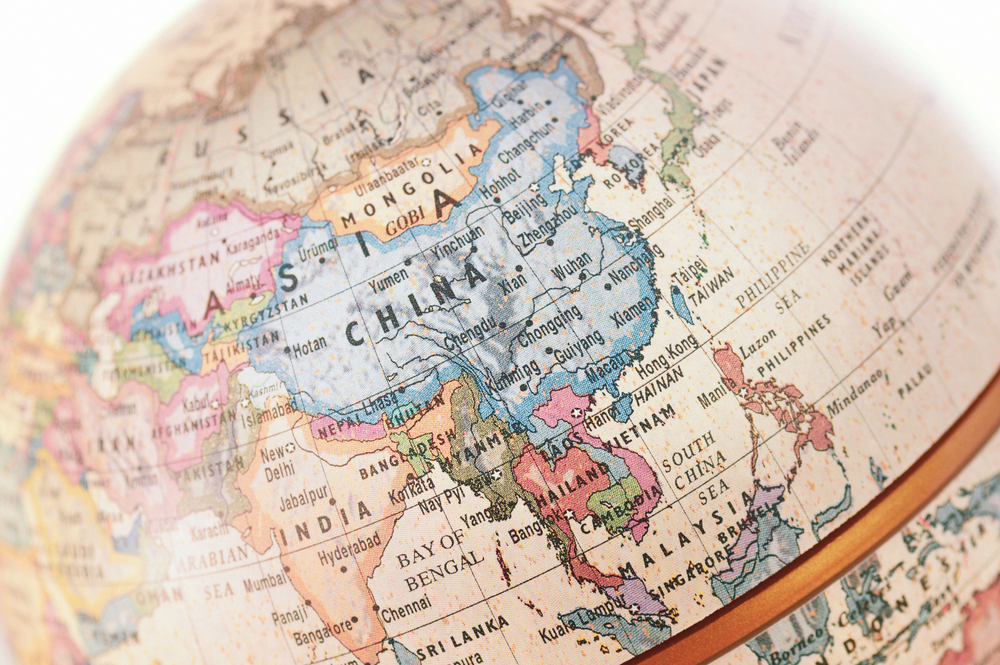
Center for Asian Studies
Asia is a nerve center for multiple global economic, political and security challenges. The Center for Asian Studies provides documented expertise and a platform for discussion on Asian issues to accompany decision makers and explain and contextualize developments in the region for the sake of a larger public dialogue.
The Center's research is organized along two major axes: relations between Asia's major powers and the rest of the world; and internal economic and social dynamics of Asian countries. The Center's research focuses primarily on China, Japan, India, Taiwan and the Indo-Pacific, but also covers Southeast Asia, the Korean peninsula and the Pacific Islands.
The Centre for Asian Studies maintains close institutional links with counterpart research institutes in Europe and Asia, and its researchers regularly carry out fieldwork in the region.
The Center organizes closed-door roundtables, expert-level seminars and a number of public events, including an Annual Conference, that welcome experts from Asia, Europe and the United States. The work of Center’s researchers, as well as that of their partners, is regularly published in the Center’s electronic journal Asie.Visions.