







Russia
Russia is asserting itself as an imperial power. Isolated since its invasion of Ukraine, it is seeking to strengthen its ties with non-Western countries. At home, Vladimir Putin's regime is hardening.
Related Subjects

President Zelensky’s Increasingly Critical Stance toward the West
After the recent intensification of dialogue between official Kyiv and President Biden’s administration, in the wake of the rising threat to Ukraine posed by Russia and in anticipation of President Biden’s visit to the UK and EU, President Volodymyr Zelensky and his team began sharpening their rhetorical stance toward Ukraine’s Western partners.
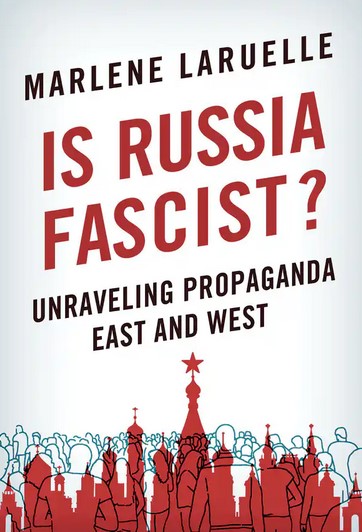
Is Russia Fascist? Unraveling Propaganda East and West
The charge of "fascism" has become a strategic narrative of the current world order.
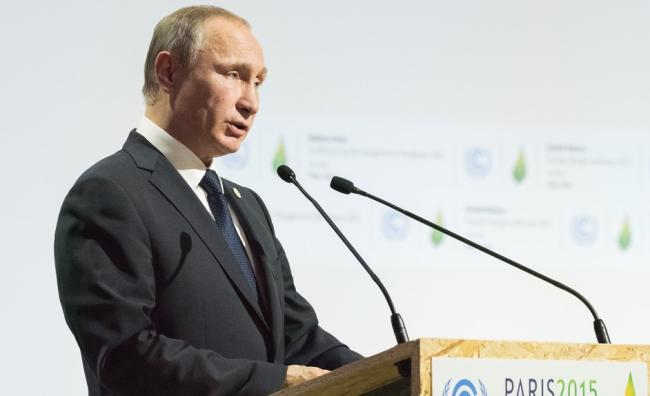
The Adaptation Game — Russia and Climate Change
Russia is an outlier in the international consensus on climate change.


Russia’s spat with EU puts relations into deep-freeze
Kremlin stance is blow to European countries which favour outreach to Moscow. Russia’s combative treatment of the EU’s top diplomat during a landmark trip there has triggered a political outcry — but little expectation that the European bloc will end divisions over how to handle the Kremlin.


E.U.’s Top Drug Regulator Says It’s ‘Fully Functional’ After Cyberattack
The European Union’s top drug regulator, whose approval is necessary for countries of the bloc to begin rolling out the coronavirus vaccine, has begun an investigation after it was hit by a cyberattack, the head of the agency said on Thursday.
One Year of Zelensky’s Presidency: One Step Forward, One Step Back
The election of Volodymyr Zelensky as president of Ukraine created very high expectations in the society.

Navalny poisoning shatters Macron's Russia reset dream
The poisoning of Russian opposition figure Alexei Navalny with the Novichok nerve agent has dealt a blow to French President Emmanuel Macron's strategy of rapprochement with Russia, which troubled some EU allies, analysts say.

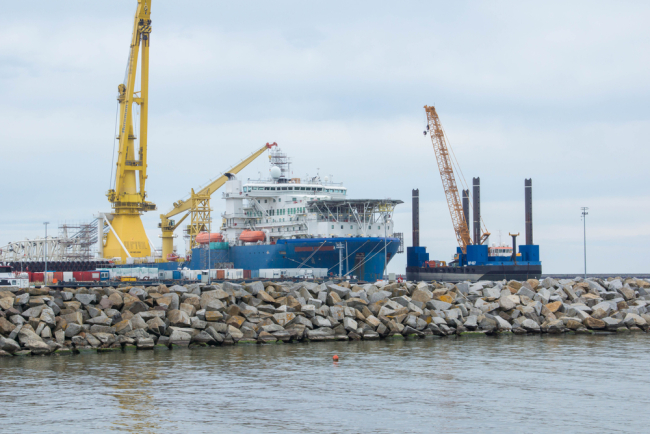
Navalny Poisoning Raises Pressure on Merkel to Cancel Russian Pipeline
Evidence that the Russian opposition leader was attacked with a military-grade nerve agent has placed new pressures on the German chancellor.
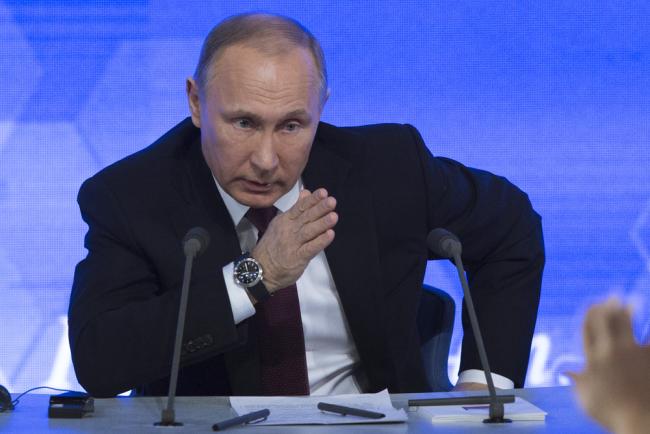
Russia, the Global Sanitary Crisis and Oil Meltdown: Revisiting Power and the Enemy
In global affairs, the Covid-19 virus makes all countries, powers and individuals equal in one dimension: none is immune to or spared from contamination. In an open and interdependent world, we are all exposed to global sanitary and environmental degradations. Russia is no exception: it has gone into lockdown, with increasing economic and social costs adding up to the fall in oil and gas prices and upcoming impacts of the global recession.

Anna Myroniuk: Peace in Donbas can’t mean capitulating to Russia
Editor’s Note: This opinion piece was written based on the experience of Kyiv Post staff writer Anna Myroniuk, a native of Donetsk, on a trip to Paris at the invitation of the French Ministry of Foreign Affairs, which sponsored a visit by Ukrainian journalists in early February. In Paris, the reporters had a chance to speak with top-level decision-makers and hear their views on how to end Russia’s war in the Donbas.
What Can Europe Hope to Achieve in Tomorrow's World?
In this special issue of Politique étrangère devoted to the proceedings of the conference organized by Ifri on April 10, 2019, in the Grand Amphitheater of the Sorbonne, on the occasion of its fortieth anniversary, discover the debate moderated by Christine Ockrent between Franziska Brantner, Jean-Louis Boulanges, Bernardino Leon, and Igor Yurgens.
The Future of Europe from the US and Asian Point of View
In this special issue of Politique étrangère devoted to the proceedings of the conference organized by Ifri on April 10, 2019, in the Grand Amphitheater of the Sorbonne, on the occasion of its fortieth anniversary, discover the debate moderated by Sylvie Kauffmann between John Allen and Kishore Mahbubani.
The World of Yesterday and Tomorrow
In this special issue of Politique étrangère devoted to the proceedings of the conference organized by Ifri on April 10, 2019, in the Grand Amphitheater of the Sorbonne, on the occasion of its fortieth anniversary, discover the speech by Thierry de Montbrial, Founder and Executive Chairman of Ifri.
The Future of Europe in the Context of Sino-American Competition - Conclusions
In this special issue of Politique étrangère devoted to the proceedings of the conference organized by Ifri on April 10, 2019, at the Grand Amphitheater of the Sorbonne, on the occasion of its 40th anniversary, read the speech by Jean-Yves Le Drian, French Minister of Europe and Foreign Affairs.
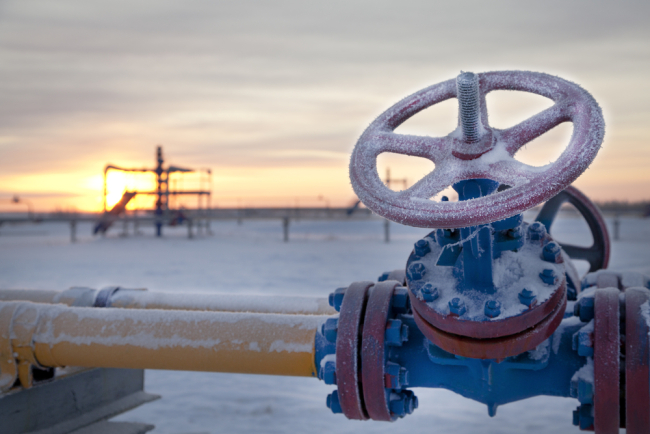
Russia’s Energy Strategy-2035: Struggling to Remain Relevant
Russia’s Energy Strategy to 2035 (ES-2035) enters, finally, the home stretch. The Ministry of Energy submitted its version of the document to the Russian Government in early October 2019.
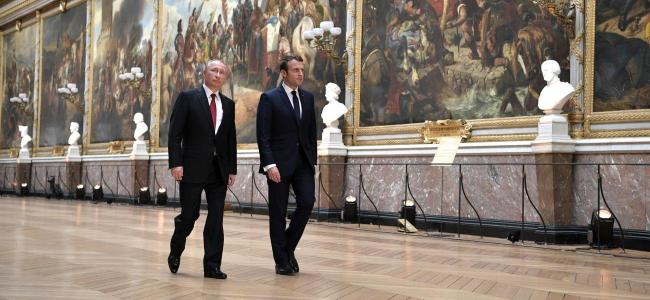
Is a 'Reset' Between France and Russia Needed and, If So, Is It Possible?
As Emmanuel Macron hosts Angela Merkel, Vladimir Zelenskiy, and Vladimir Putin for a summit aimed at resolving the Ukraine conflict, it is worth taking stock of the French leader’s Russia policy to try to discern what Paris’s policy toward Moscow can and cannot achieve.
France pushes risky bet on detente with Moscow
Paris (AFP) - French President Emmanuel Macron senses an opportunity to bring Russia's Vladimir Putin back in from the cold and potentially help usher in peace in Ukraine, an ambitious -- and risky -- undertaking that Western allies might not welcome.
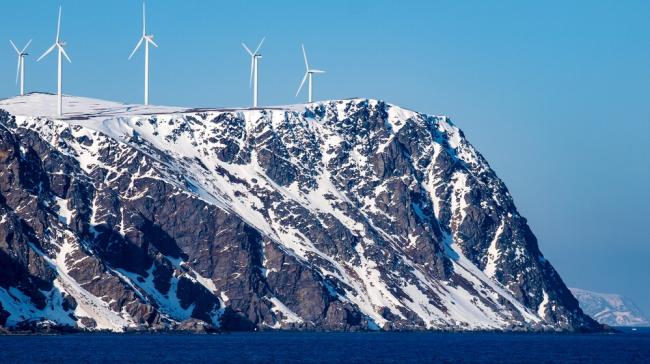
The Arctic: Critical Metals, Hydrogen and Wind Power for the Energy Transition
According to a 2008 estimate, the Arctic hosts approximately 412 billion barrels of oil equivalent of conventional oil and gas resources. And since then, following the so-called shale revolution and technology improvements, numbers have gone even higher.
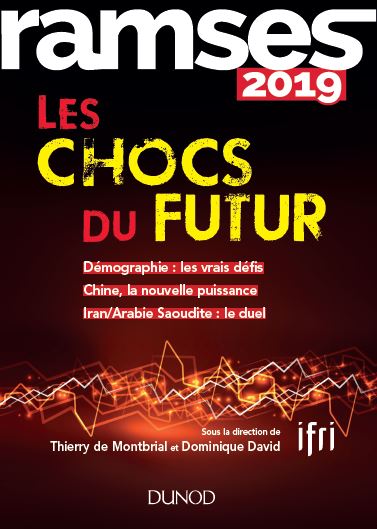
RAMSES 2019. The Clashes of the Future
RAMSES 2019. The Clashes of the Future, written by Ifri's research team and external experts, offers an in-depth and up-to-date analysis of global geopolitics.
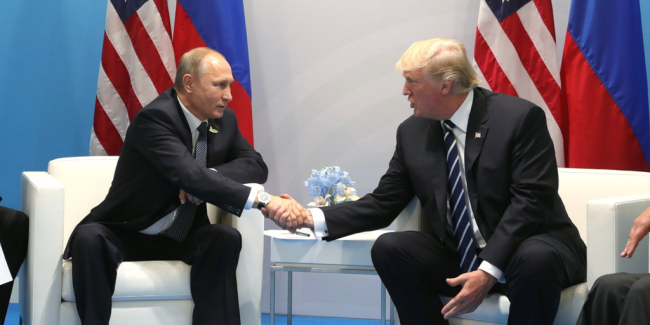
In Helsinki, Putin Can Grant Trump Great Success, of Sorts
The July 16, 2018, face-to-face between President Trump and Russian President Vladimir Putin is both entirely natural and extremely unconventional, very encouraging and deeply disturbing.
Ifri, a foundation recognized as being of public utility, relies largely on private donors – companies and individuals – to guarantee its sustainability and intellectual independence. Through their funding, donors help maintain the Institute's position among the world's leading think tanks. By benefiting from an internationally recognized network and expertise, donors refine their understanding of geopolitical risk and its consequences on global politics and the economy. In 2026, Ifri partners with over 90 French and international companies and organizations.
