






Russia
Russia is asserting itself as an imperial power. Isolated since its invasion of Ukraine, it is seeking to strengthen its ties with non-Western countries. At home, Vladimir Putin's regime is hardening.
Related Subjects
A Fragile Consensus? The Pressure on the Norm Against Nuclear Testing
Apart from North Korea, no state has conducted explosive nuclear tests in the 21st century, reflecting the emergence of a strong international norm against such testing.
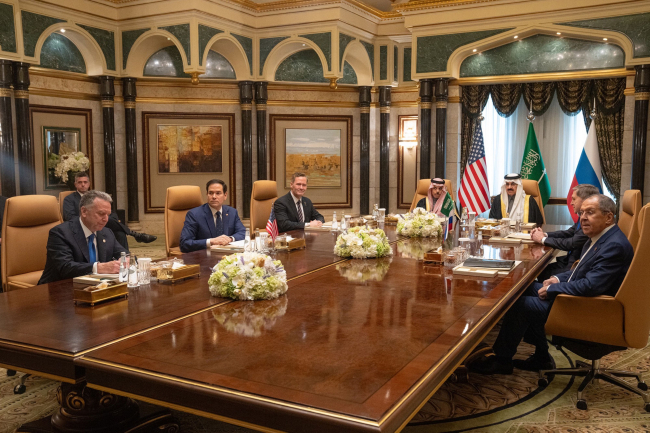
How the US under Trump Became a Strategic and Ideological Adversary of Europe
The Europeans' worst security nightmare seems to be coming true: on Tuesday, February 18, 2025, U.S. Secretary of State Marco Rubio and Russian Foreign Minister Sergey Lavrov met in Saudi Arabia to initiate the normalization of relations between their two countries. The meeting also aimed to set up peace negotiations for Ukraine. However, despite having the potential to affect the entire continent, the discussions took place without the Europeans or the Ukrainians being present.

The China-Russia Partnership and the Ukraine War: Aligned but not allied
China and Russia maintain a strategic partnership rooted in shared opposition to the U.S. and liberal democracies, but their relationship is shaped more by pragmatism than trust.
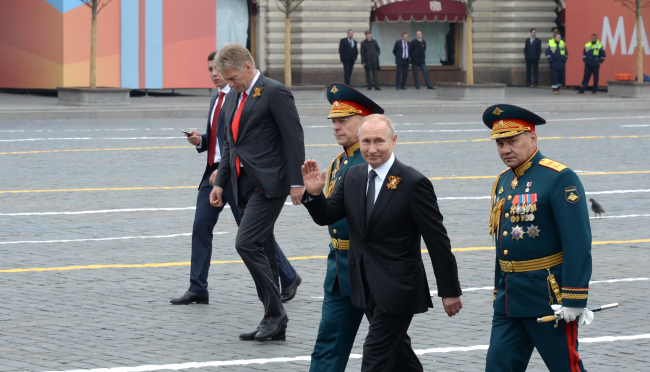
Commanders of Putin's Long War: Purged, Reshuffled and Disgruntled
The trend of reshuffling the Russian top military command in the course of a fast-evolving and far from successful war has progressed unevenly both across the Armed Forces’ structures and in time. The rationale for and timing of the abrupt cadre decisions made by Commander-in-Chief Putin often defy logical explanation, and the rare official clarifications are no more informative than the usual information blackout.
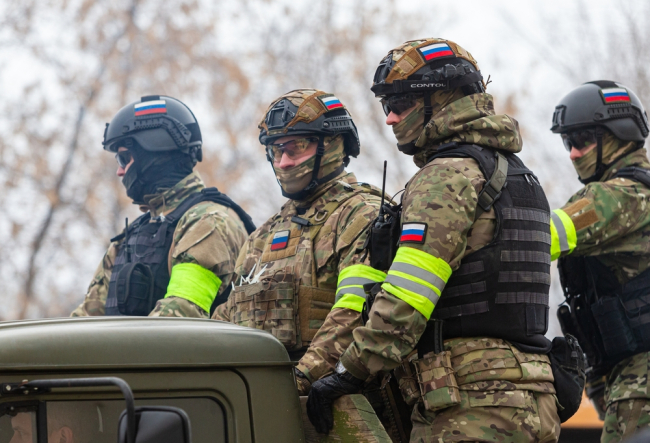
Russian Military Manpower After Two and a Half Years of War in Ukraine
In addition to a military victory in Ukraine, the Russian leadership is planning to build up sizable troop formations for a possible conflict with NATO in the Baltic region and the Kola Peninsula. In particular, current plans aim for the military manpower to grow by about 350,000, reaching a total of 1.5 million soldiers and commanders. In the context of the current conflict in Ukraine, this cannot be accomplished without a new wave of mass mobilization.
Russia-North Korea Alliance: A New Threat to Global Security and Korean Stability?
An interview with Wooyeal PAIK, Professor, Department of Political Science and International Studies, Yonsei University. He analyses why North Korea's support for Russia could escalate global tensions, strain the EU-NATO security ties, and destabilize the Korean Peninsula.

Russian Strategic Thinking and Culture Before and After February 24, 2022: Political-Strategic Aspects
Written by Dimitri Minic, the scientific article "Russian Strategic Thinking and Culture Before and After February 24, 2022: Political-Strategic Aspects" in Russia’s war against Ukraine: Complexity of Contemporary Clausewitzian War by the National Defence University Department of Warfare, Helsinki 2024.
Global Financial Shifts: The Impact of Dollar Sanctions and Frozen Russian Assets
An interview with Brad Setser, Whitney Shepardson Senior Fellow (Council on Foreign Relations) led at Ifri on September 24, 2024.
Dollar-based financial sanctions have been increasing, particularly since the beginning of the century. Is this phenomenon likely to significantly alter the international role of the dollar?
There is a lot of controversy about the in which way frozen assets from Russia’s central bank should be treated, regarding both the assets themselves and the associated revenues. What consequences do you foresee for the international financial system?
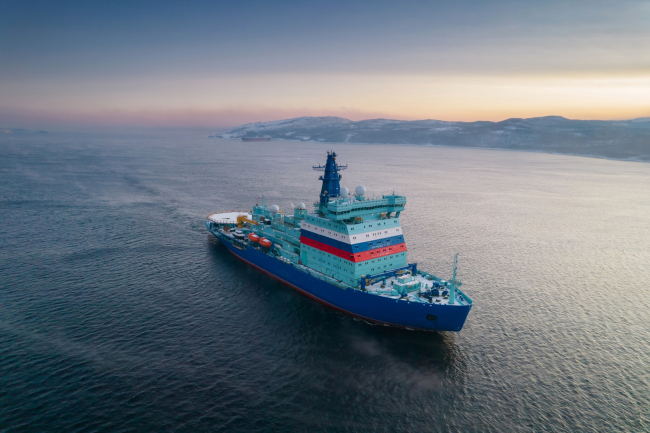
Russia in the Arctic: The End of Illusions and the Emergence of Strategic Realignments
Russia’s full-scale invasion of Ukraine has triggered profound changes in the Arctic region, the consequences of which remain uncertain in the long term.
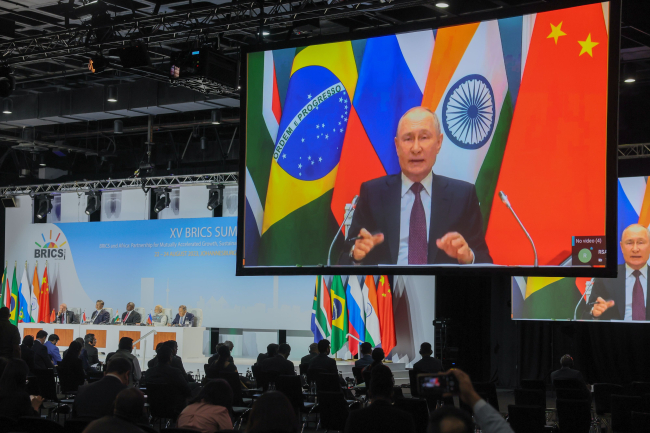
Between Aspiration and Reality: Russia in the World (Dis)order
The world has rarely seemed more disorderly than it is today. But in this anarchic environment, some things are constant.

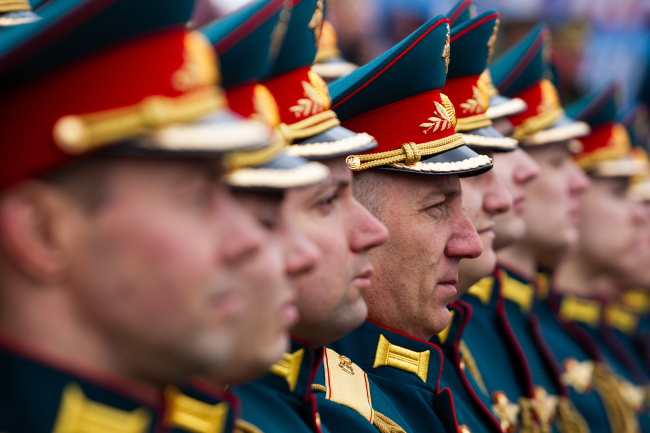
In Putin's wartime Russia, military corruption is suddenly taboo
To be sure government spending reaches the battlefield in Ukraine, President Vladimir Putin is suddenly putting high priority on purging Defense Ministry officials accused of corruption. Russia's war in Ukraine has turned out to be a powerful anti-corruption initiative — at least at the Ministry of Defense.
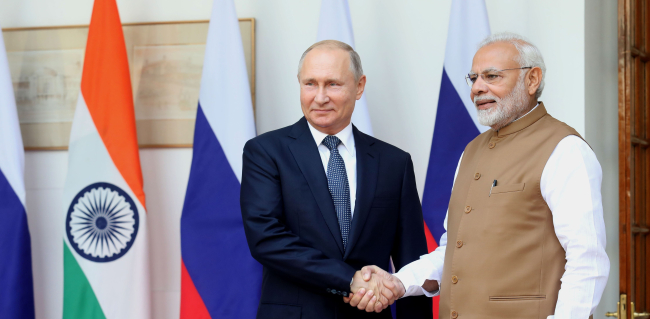
India-Russia Relations in Troubled Times: Steady but Stagnating
This paper examines the trajectory of India-Russia relations post-February 2022. The war in Ukraine emerged as a significant challenge for bilateral ties, presenting new obstacles to political and diplomatic relations and intensifying the previous difficulties in developing economic cooperation.
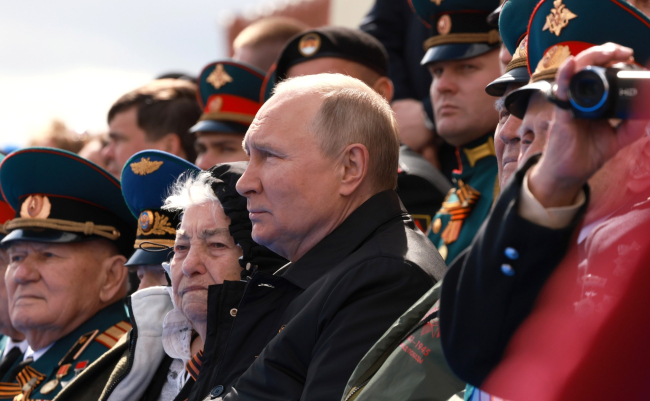
Russia’s Ideological Construction in the Context of the War in Ukraine
Since the full-scale invasion of Ukraine on February 24, 2022, the Russian government has been proactive in the ideological realm to ensure the sustainability of the war for Russian society.
The World Through the Lens of Ukraine
This issue of Politique étrangère looks at three conflicts currently unfolding around the world.

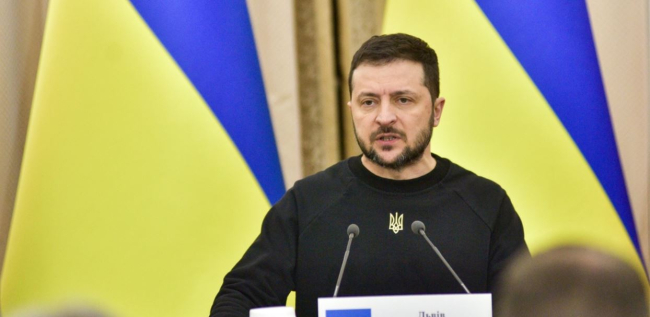
Cracks In Western Support Pose New Challenge For Ukraine
Ukraine faces growing diplomatic headwinds after its summer counter-offensive against Russia's forces faltered, with aid from vital backers in the United States and EU being increasingly called into question.
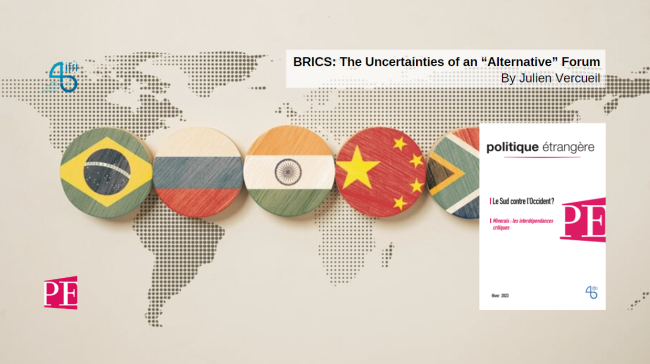
BRICS: The Uncertainties of an “Alternative” Forum
Initially limited to the financial domain, the term BRICS is gradually becoming established in global economic governance.
The South versus the West?
In 2023, forums that amplify the voice of the “Global South” have proliferated and grown louder. As contradictory and divided as they may be, these forums (BRICS+, Shanghai Cooperation Organization (SCO), G20, the Group of 77, the European Silk Road Summit…) attest to the emergence of new power relations, and especially new directions in foreign policy, with states rejecting alignment with the dominant powers of the past in favor of putting their own interests first. A new world is taking shape, with changeable, still uncertain, contours.
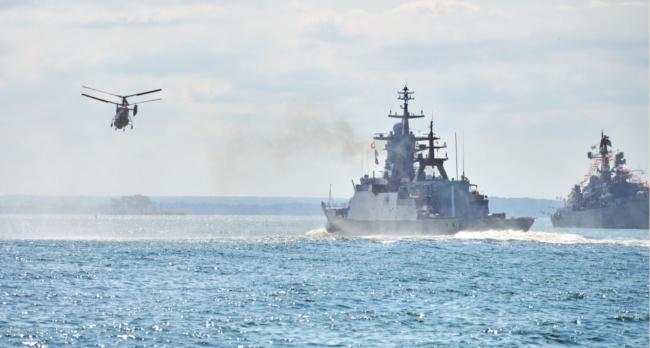
Russia’s New Challenges in the Baltic/Northern European Theater
The long war in Ukraine has brought a drastic geopolitical reconfiguration of the Baltic theater and a deep shift in the military balance between Russia and the North Atlantic Treaty Organization (NATO).

Gaza-Israel conflict: Opportunity and risk for Russia's Putin
The conflict between Hamas and Israel is both an opportunity and a risk for Russian President Vladimir Putin, who has been mired in pressing his invasion of Ukraine for the past 19 months.

Gaza-Israel conflict: Opportunity and risk for Russia's Putin
The conflict between Hamas and Israel is both an opportunity and a risk for Russian President Vladimir Putin, who has been mired in pressing his invasion of Ukraine for the past 19 months.
Russia in the Arctic: The End of Illusions and the Emergence of Strategic Realignments
Russia’s full-scale invasion of Ukraine has triggered profound changes in the Arctic region, the consequences of which remain uncertain in the long term.
India-Russia Relations in Troubled Times: Steady but Stagnating
This paper examines the trajectory of India-Russia relations post-February 2022. The war in Ukraine emerged as a significant challenge for bilateral ties, presenting new obstacles to political and diplomatic relations and intensifying the previous difficulties in developing economic cooperation.
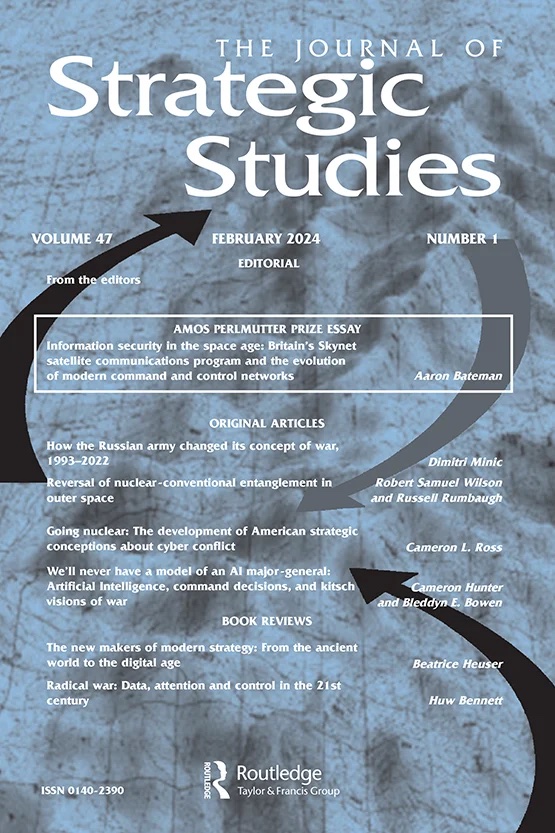
How the Russian Army Changed its Concept of War, 1993-2022
The traditional and high-intensity war that has occurred in Ukraine since Russia decided to invade raises a key issue: did post-soviet Russian strategic thought really prepare Russia for waging this war?
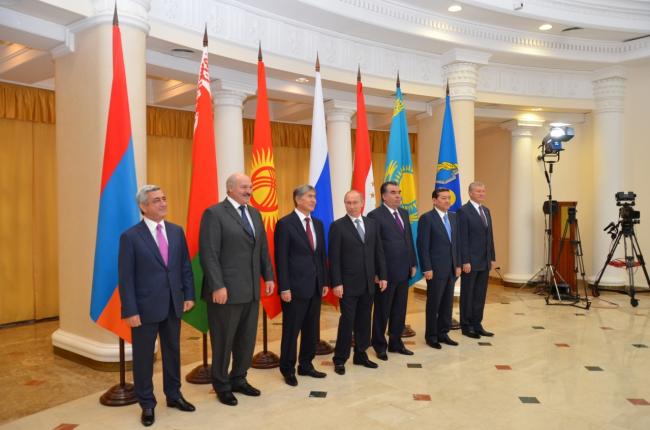
Reflection on Russia’s Changing Image in the Post-Soviet Region
The two years preceding the Russian invasion of Ukraine suggested that Russia had adopted a measured policy toward the post-Soviet space. Faced with social protests in Belarus, a coup in Kyrgyzstan, the victory of pro-European president Maia Sandu in Moldova, the second war in Nagorno-Karabakh, and riots in Kazakhstan, Russia showed diplomatic ability without any hard arm-twisting of partners. In 2020, then Carnegie Moscow Center director Dmitry Trenin even concluded that “there will be no new edition of the empire”. The war in Ukraine has completely changed this analysis.
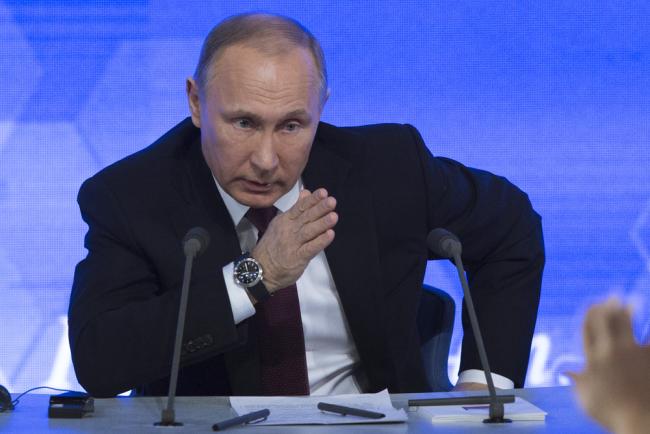
Russia, the Global Sanitary Crisis and Oil Meltdown: Revisiting Power and the Enemy
In global affairs, the Covid-19 virus makes all countries, powers and individuals equal in one dimension: none is immune to or spared from contamination. In an open and interdependent world, we are all exposed to global sanitary and environmental degradations. Russia is no exception: it has gone into lockdown, with increasing economic and social costs adding up to the fall in oil and gas prices and upcoming impacts of the global recession.
The Future of Europe from the US and Asian Point of View
In this special issue of Politique étrangère devoted to the proceedings of the conference organized by Ifri on April 10, 2019, in the Grand Amphitheater of the Sorbonne, on the occasion of its fortieth anniversary, discover the debate moderated by Sylvie Kauffmann between John Allen and Kishore Mahbubani.
The World of Yesterday and Tomorrow
In this special issue of Politique étrangère devoted to the proceedings of the conference organized by Ifri on April 10, 2019, in the Grand Amphitheater of the Sorbonne, on the occasion of its fortieth anniversary, discover the speech by Thierry de Montbrial, Founder and Executive Chairman of Ifri.
What Can Europe Hope to Achieve in Tomorrow's World?
In this special issue of Politique étrangère devoted to the proceedings of the conference organized by Ifri on April 10, 2019, in the Grand Amphitheater of the Sorbonne, on the occasion of its fortieth anniversary, discover the debate moderated by Christine Ockrent between Franziska Brantner, Jean-Louis Boulanges, Bernardino Leon, and Igor Yurgens.
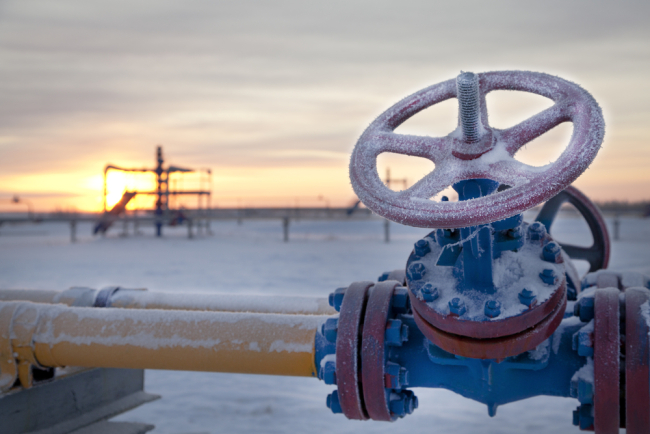
Russia’s Energy Strategy-2035: Struggling to Remain Relevant
Russia’s Energy Strategy to 2035 (ES-2035) enters, finally, the home stretch. The Ministry of Energy submitted its version of the document to the Russian Government in early October 2019.
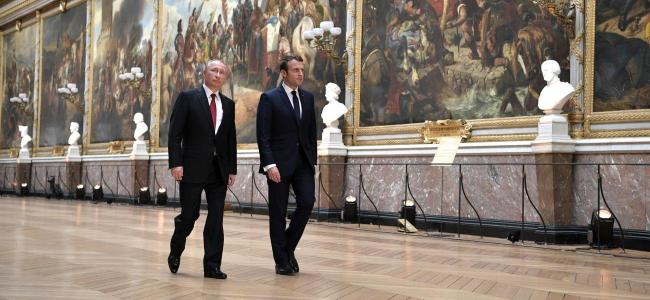
Is a 'Reset' Between France and Russia Needed and, If So, Is It Possible?
As Emmanuel Macron hosts Angela Merkel, Vladimir Zelenskiy, and Vladimir Putin for a summit aimed at resolving the Ukraine conflict, it is worth taking stock of the French leader’s Russia policy to try to discern what Paris’s policy toward Moscow can and cannot achieve.
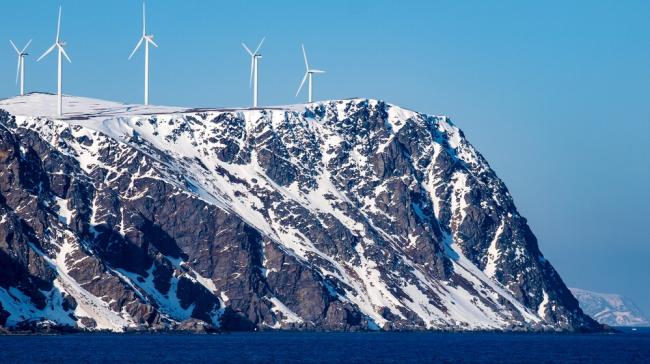
The Arctic: Critical Metals, Hydrogen and Wind Power for the Energy Transition
According to a 2008 estimate, the Arctic hosts approximately 412 billion barrels of oil equivalent of conventional oil and gas resources. And since then, following the so-called shale revolution and technology improvements, numbers have gone even higher.
Energy Relations between Russia and China: Playing Chess with the Dragon
Post-sanctions Russia-China energy relations: what expectations?
Shifting Political Economy of Russian Oil and Gas
Dramatic changes in the Russian energy strategy and energy-based political alliances are to be expected due to the evolution of the domestic oil and gas market resulting from the economic crisis and sanctions linked to the annexation of Crimea.
Russia’s Immigration Policy: New Challenges and Tools
A new stage in the development of Russia's migration policy is upon us. Since 2010, legal amendments and the Concept of Migration Policy of the Russian Federation to 2025, adopted in June 2012, marked a clear change in how migration flows are regulated, the aim being now to maximise the economic benefit of labour migration.
War’s Indirection or the Return of the Limited War
Over the last few years both the United States and Russia seem to have changed their conception of how to deploy force.
There Will Be Gas: Gazprom’s Transport Strategy in Europe
The key role of Ukraine in the transportation of Russian gas and the underground gas storage facilities are a legacy of the Soviet era. From the mid-1990s onwards, Gazprom has repeatedly tried to control gas transit through Ukraine and other infrastructures from the Soviet era without success.
The Political and Commercial Dynamics of Russia's Gas Export Strategy
A wide-ranging look at the way Gazprom interacts with an increasingly challenging global gas market for Russia.
Gazprom in Europe: a Business Doomed to Fail?
The construction of what is nowadays called European energy policy is an ongoing process that officially started with the creation of the European Coal and Steel Community in 1951, and has not yet been entirely finalized. It took several decades to move from a Community composed of six countries to a policy – not fully fledged – intended to strengthen as much as possible cohesion between 28 EU member states in the energy sector.
Raising the Costs to President Putin
-by building dissonance within. Some like to remember fondly the call by Ronald Reagan for Gorbachev “to tear down this wall”. The United States “Won the Cold War” said George Bush Senior in his State of the Union Address. We need to step back and recognize with some humility that the Soviet Union fell largely of its own weight rather than as a result of external pressure. Again today Russia is economically weak. It has become an exporter of raw materials, its industrial sector is weak, and its revenues are already falling. Conditions now offer the opportunity to aggravate Russia’s economic frailty – let’s focus on that.
Russian LNG: The Long Road to Export
On 1 December 2013 a law on the export liberalization of liquefied natural gas (LNG) came into legal force in Russia. The law allows some categories of companies other than Russia's state gas giant Gazprom and its subsidiary companies to have LNG export rights.
China, Russia rise in CAR as Western influence shrinks
Russia and China are muscling their way into the Central African Republic as Western clout in the mineral-rich, strategically important nation seems to wane, analysts say.

100 years after independence from Moscow, Finland anchored firmly to West
HELSINKI (AFP) - A century after gaining independence from its powerful neighbour Russia, Finland continues to consolidate its ties to the West, as tensions flare between Moscow and the West. Russia's 2014 annexation of Crimea and an uptick in military activity in the Baltic region have tested Finnish-Russian relations, painstakingly maintained over the years with scrupulous diplomatic efforts.

From Russia, with love
Russia is trying to “sow chaos” in Europe by betting big on Marine Le Pen and France's far right.
Ifri, a foundation recognized as being of public utility, relies largely on private donors – companies and individuals – to guarantee its sustainability and intellectual independence. Through their funding, donors help maintain the Institute's position among the world's leading think tanks. By benefiting from an internationally recognized network and expertise, donors refine their understanding of geopolitical risk and its consequences on global politics and the economy. In 2026, Ifri partners with over 90 French and international companies and organizations.
