




Russia
Russia is asserting itself as an imperial power. Isolated since its invasion of Ukraine, it is seeking to strengthen its ties with non-Western countries. At home, Vladimir Putin's regime is hardening.
Related Subjects
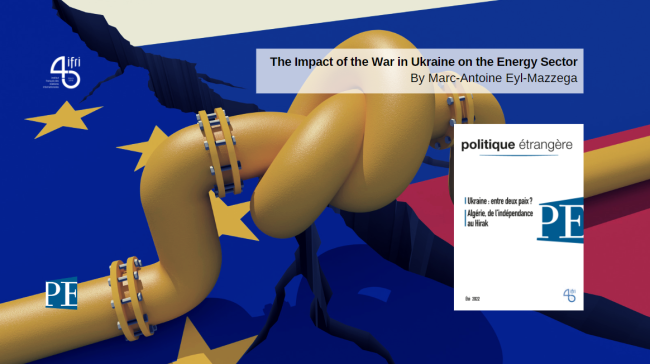
The Impact of the War in Ukraine on the Energy Sector
The outbreak of war in Ukraine dealt a shock to energy markets.

Ukraine: Between Two Peaces?
We have reentered the world of war. In its first special report, Politique étrangère offers a range of in-depth analyses of the military and political dynamics at work in a Europe that has just woken up from its dream of enduring peace. The direct confrontation between Ukraine and Russia has pitted two military and defense systems against each other, whose asymmetrical logics, strengths, and weaknesses we are discovering as the conflict unfolds.

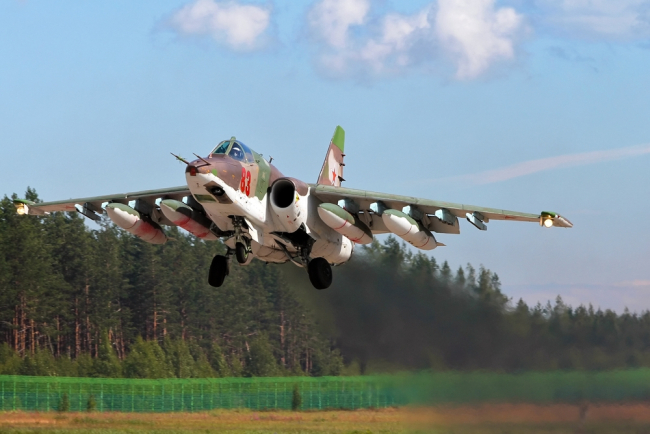
Russia's air force makes the difference in Donbas breakthrough
The frantic rate of attacks from the air seems to have contributed to the recent retreat of Ukrainian forces on the Donbas front.
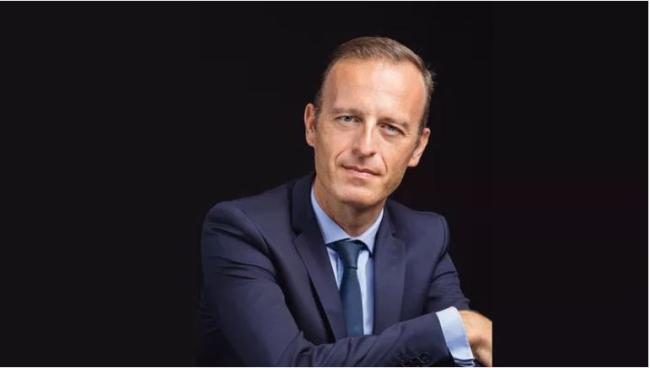
Thomas Gomart 'Russia is waging a colonial war in Ukraine under nuclear protection'
Thomas Gomart is a French historian and director of the French Institute of International Relations (Ifri). In an interview with Le Monde, he analyzed the new global strategic situation and gave a first assessment of the disruption caused by the Russian aggression in Ukraine.

C.Africa's Leap Into Bitcoin Leaves Its People Bemused
In the Central African Republic (CAR), nine out of 10 people do not have internet, and only one in seven has electricity -- that is, when there are no power cuts.
Yet the CAR has just followed El Salvador in adopting bitcoin as legal tender, a currency that requires access to the net to be bought, sold or used.
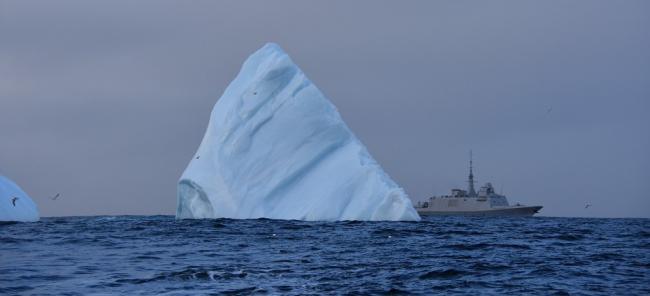
Arctic: Toward the End of the Exception? Strategic, Nuclear and Maritime Issues in the Region
Through multiple international initiatives, including the creation of the Arctic Council at the end of the Cold War in 1996, the Arctic appears to be one of the last areas of peaceful cooperation in the world. This “Arctic exception” is also devoid of any serious territorial dispute between the neighboring countries, some of which are nevertheless great powers: Russia, the United States, Canada, but also Sweden, Norway, Denmark (via Greenland), Iceland and Finland.

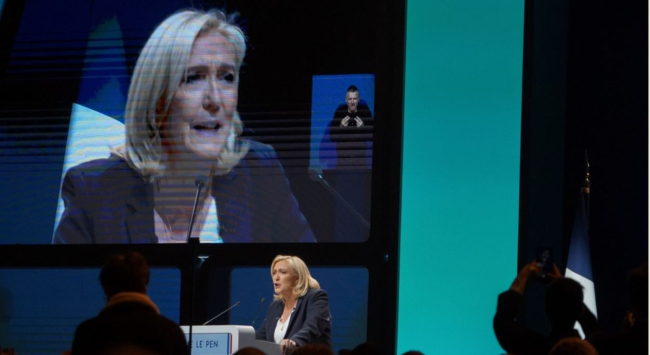
Le Pen Closer Than Ever to the French Presidency (and to Putin)
As elections approach Sunday, the far-right candidate is linked to the Russian president by a web of financial ties and a history of support that has hardly dimmed despite the war in Ukraine.

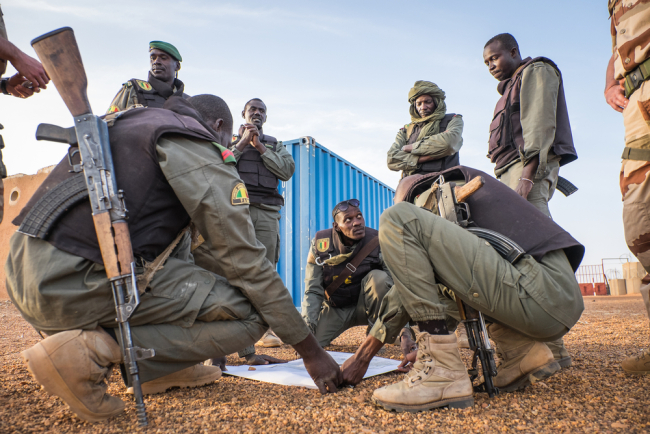
EU Winds Down Military Training Operations in Mali
The European bloc is involved in two training missions in Mali – the EUTM and the EUCAP – to coach soldiers and police.
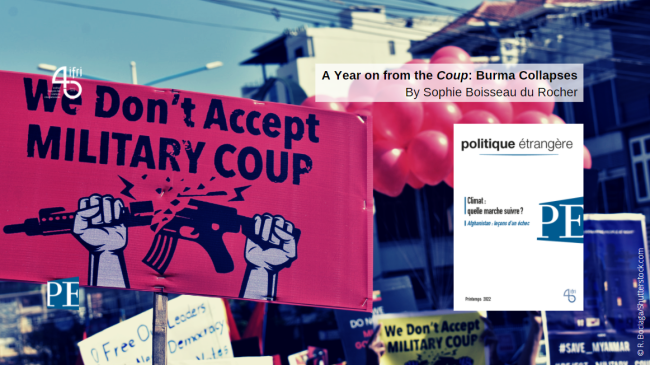
A Year on from the Coup: Burma Collapses
The February 2021 coup encountered a level of resistance that the military did not expect: demonstrations, boycotts, and a slide toward an armed resistance against repression from the authorities.
After the riots, a new era in Kazakhstan?
In January 2022 Kazakhstan underwent its most serious political crisis since its independence, proclaimed on December 16, 1991. The increase in the price of fuel has set ablaze the west of the country in the grip of socio-economic marginalization, then the southern regions, traditionally more resistant to central power. What actually happened, and what consequences did these troubles have at the national and regional levels?
Putin’s War is Stuck, Beware The Rising Risks
Data on the concentration of Russian troops was solid; the diplomatic offensive executed by Moscow was deliberately disagreeable; yet, many experts (myself including) refused to accept the proposition on the coming war as “inevitable”.
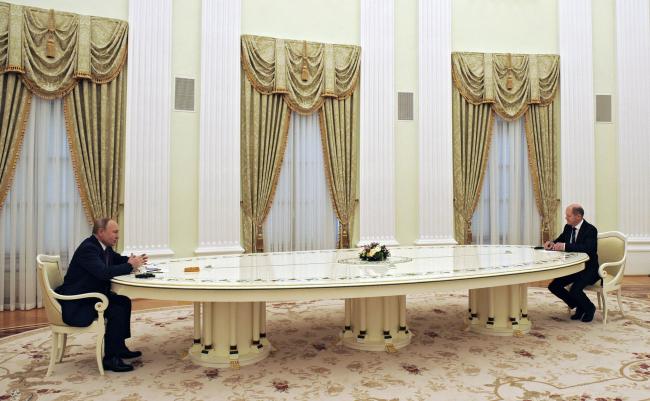
The Shock of Reality: The Traffic Light Coalition in the Russian-Ukrainian Crisis
The Russian-Ukrainian crisis puts to the test the cohesion of the new traffic light coalition, the authority of Chancellor Scholz and the ambition to adapt the post-Merkel German foreign policy.

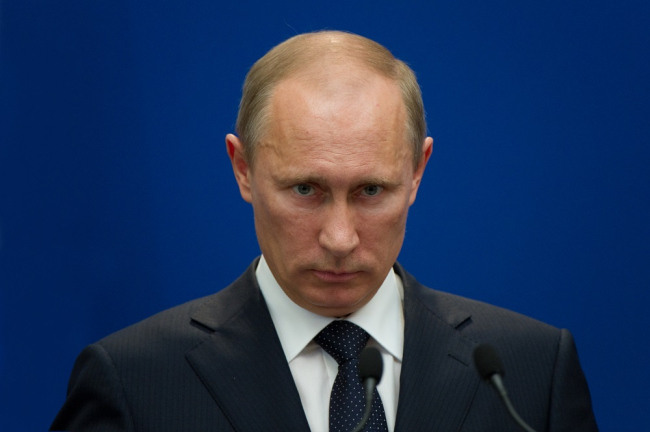
Moscow’s tried and tested Georgia strategy now tailored for Ukraine
Western powers appear unable to thwart Putin’s strategy to reassert Russian influence

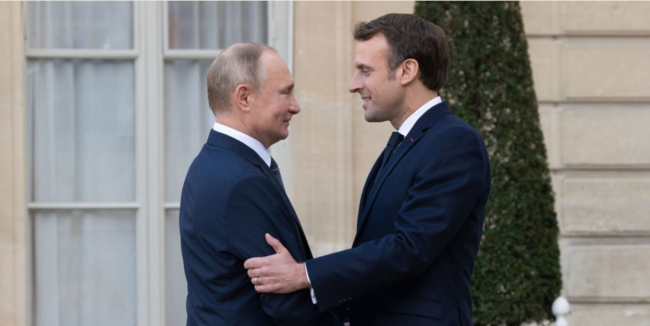
Kremlin Is Top Destination For Spooked European Leaders
Rarely in recent years has the Kremlin been so popular with European visitors. French President Emmanuel Macron arrives Monday. The Hungarian prime minister visited last week. And in days to come, the German chancellor will be there, too. All are hoping to get through to President Vladimir Putin, the man who singlehandedly shapes Russia’s course amid its military buildup near Ukraine and whose designs are a mystery even for his own narrow inner circle.
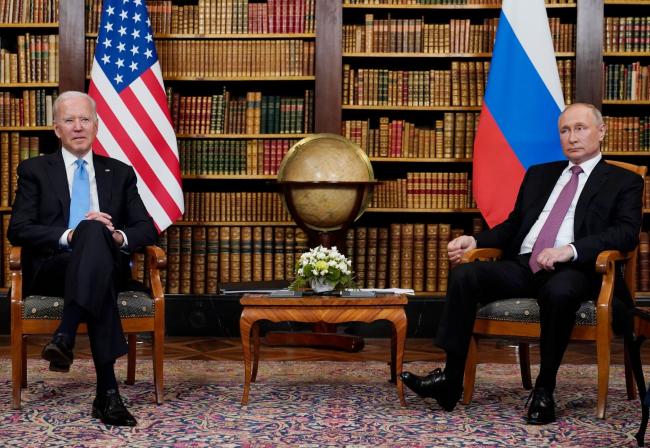
Rewinding the Clock? US-Russia Relations in the Biden Era
The escalating crisis in Ukraine in the winter of 2021-2022 has returned US-Russia relations to center stage.
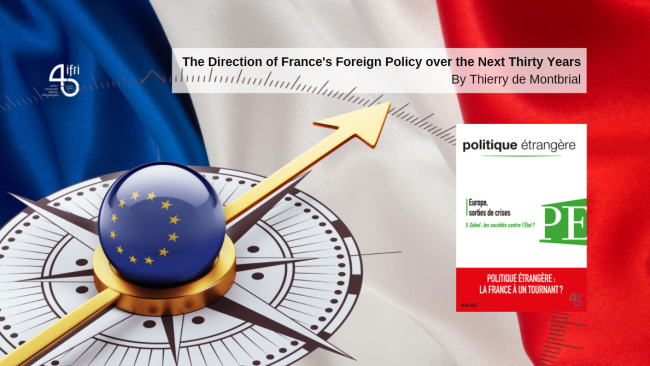
The Direction of France’s Foreign Policy over the Next Thirty Years
A foreign policy points to a united society that manages its relationships with its surroundings while defending its own interests.
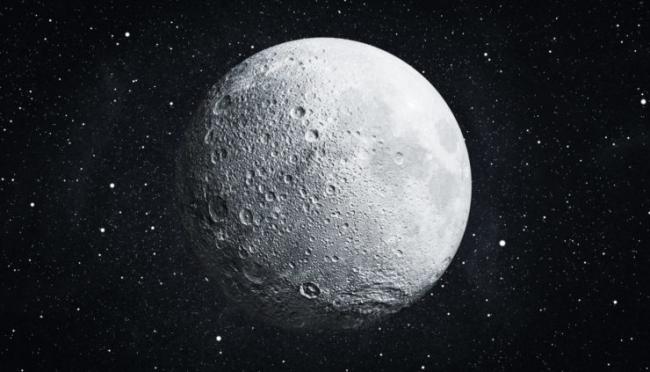
Helium‑3 from the lunar surface for nuclear fusion?
Since 1969, the return of a human mission to the Moon has never seemed so close. Although scientific interest continued to flourish, space programmes had for many decades abandoned it in favour of the International Space Station and missions to explore the solar system.

What can we expect from Russia at COP26?
We ask experts whether the Kremlin’s latest moves on climate, including its 2060 net-zero target, heralds genuine change or more greenwash.
Russia has been seen as a climate pariah by the international community for some years. It was one of the last counties to ratify the 2015 Paris Agreement – not until September 2019, at the UN’s Climate Action Summit.

The arrest of Russian cybersecurity titan Ilya Sachkov
Our main story this week is the treason case against Ilya Sachkov, the 35-year-old CEO of the cybersecurity firm Group-IB. On Wednesday morning, September 29, hours after officials raided the company’s Moscow office, a local court jailed Sachkov for the next two months, pending trial.
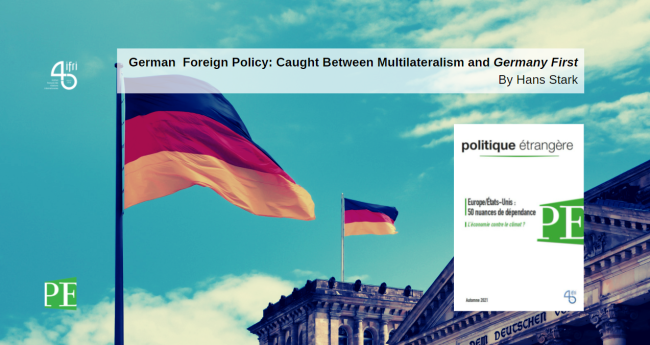
German Foreign Policy: Caught Between Multilateralism and Germany First
Underneath the rhetoric of commitment to a multilateral order, Germany's policy seems to be mainly structured around its national interests.
Ifri, a foundation recognized as being of public utility, relies largely on private donors – companies and individuals – to guarantee its sustainability and intellectual independence. Through their funding, donors help maintain the Institute's position among the world's leading think tanks. By benefiting from an internationally recognized network and expertise, donors refine their understanding of geopolitical risk and its consequences on global politics and the economy. In 2026, Ifri partners with over 90 French and international companies and organizations.
