




3456 publications
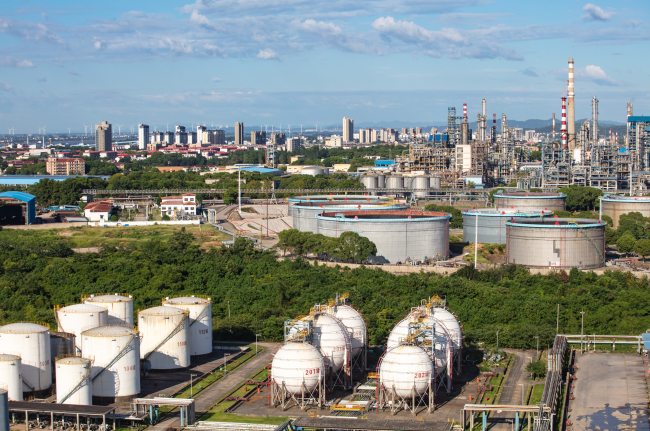
China’s Hydrogen Economy Five Years On
China’s hydrogen sector is not new. It is the world’s largest industrial hydrogen system, rooted in ammonia, methanol, refining, coal chemicals and by-product gas streams.
The Architecture of Money: A European Strategy for Tokenized Finance
This report examines how tokenization may reshape European financial sovereignty. Tokenization does more than digitize existing assets: it makes it possible to separate and recombine dimensions of monetary systems once considered inseparable. This creates new opportunities for financial integration but may also yield new forms of infrastructural and monetary dependence
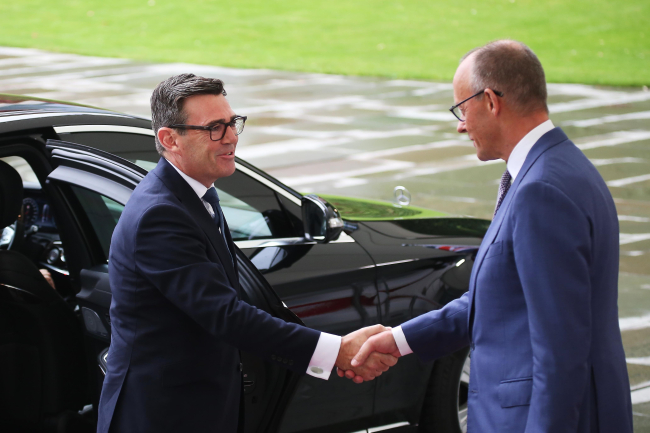
A Partnership Built on Security: Post-Brexit Rapprochement between Germany and the United Kingdom
Since the UK’s withdrawal from the EU, UK-German relations have undergone a remarkable transformation: from Berlin’s deliberate distancing from London during the Brexit negotiations, when Germany consistently prioritised EU-27 unity over bilateral arrangements, to a gradual rapprochement, culminating, for the time being, in the 2025 Kensington Treaty of Friendship.
Volkswagen, Mercedes, and BMW Face Off Against Donald Trump
The German automotive industry faces a threefold challenge: competition from China; a difficult transition to electric vehicles; and US tariffs.
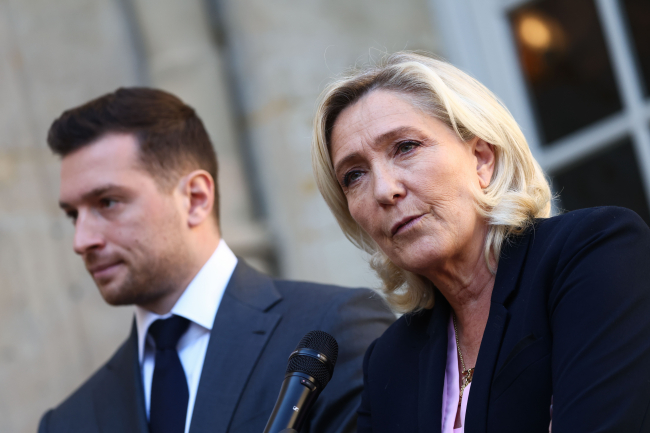
A Sovereignist Foreign Policy? The World as Seen by National Rally Lawmakers
The National Rally’s (Rassemblement national—RN) “de-demonization” strategy appears to be paying off: Marine Le Pen and Jordan Bardella’s party is steadily gaining ground in elections, and polls place it in the lead for the spring 2027 French presidential election. The period of normalization for this far-right movement has coincided with an era of upheaval on the international stage. Within this context, a fundamental question arises: what would the RN’s foreign policy look like if it came to power?
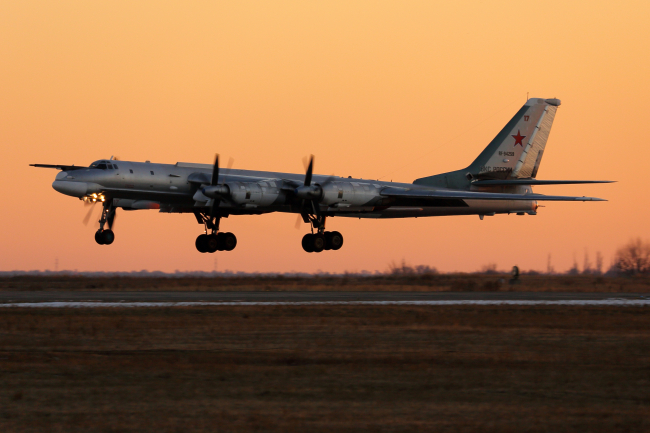
The Plight of Russia’s Air Power in the Ukraine War: Drone-Driven Innovations and Transformation of Traditional Air Force
Since the start of the Ukraine War, Russian strategic guidelines on the application of air power—seen as the decisive instrument for achieving success in modern wars—have proven to be outdated, irrelevant and even self-defeating.

France’s View: From Diplomacy to Public-Private Action
France has emerged as the EU’s IMEC forerunner, combining port infrastructure, diplomatic alliances and public-private cooperation. With Marseille Fos at its core, the country brings a strategic hub for logistics, energy and digital connectivity to the corridor.
Recalibrating Europe’s Security: Building Partnerships in an Era of ‘Wrecking-Ball Politics
The 2026 Munich Security Conference report observes that “the world has entered a period of wrecking-ball politics.” Indeed, the era of Western predominance, dependable alliances and capable multilateral institutions has given way to shifting balances of power and deepening uncertainty.