




Electricity and Electrification
The decarbonization of electrical systems via nuclear, wind, solar or hydroelectric power, flexibility tools and the electrification of uses are key challenges with multiple issues at stake.
Related Subjects
How do maritime companies cooperate with the navies? An interview with Evan FUERY, EQUINOR
On the sidelines of the Paris Naval Conference 2025, on February 4, 2025, organized by Ifri and the French Navy (Marine nationale), Evan FUERY, Senior Vice-President for Corporate Security and Crisis Management, EQUINOR, shares insights on how maritime companies collaborate with the navies to secure maritime economy.
Geopolitics of Climate Change - World Policy Conference 2024 (Plenary Session)
Plenary session 6: Geopolitics of Climate Change. Friday, December 13, 2024 - 17th edition of the World Policy Conference in Abu Dhabi, United Arab Emirates.
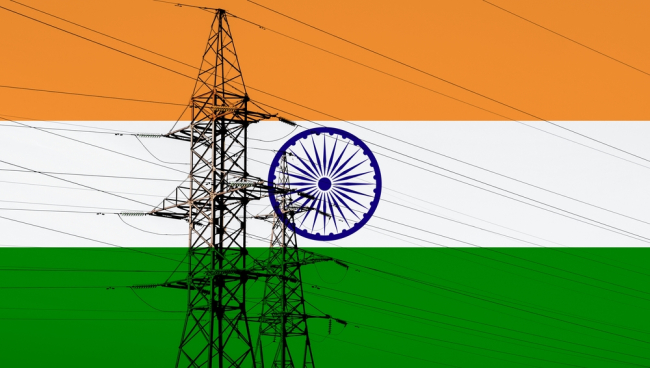
India’s Broken Power Economics : Addressing DISCOM Challenges
India’s electricity demand is rising at an impressive annual rate of 9%. From 2014 to 2023, the country’s gross domestic product (GDP) surged from 1.95 trillion dollars ($) to $3.2 trillion (constant 2015 US$), and the nation is poised to maintain this upward trajectory, with projected growth rates exceeding 7% in 2024 and 2025. Correspondingly, peak power demand has soared from 136 gigawatts (GW) in 2014 to 243 GW in 2024, positioning India as the world’s third-largest energy consumer. In the past decade, the country has increased its power generation capacity by a remarkable 190 GW, pushing its total installed capacity beyond 400 GW.
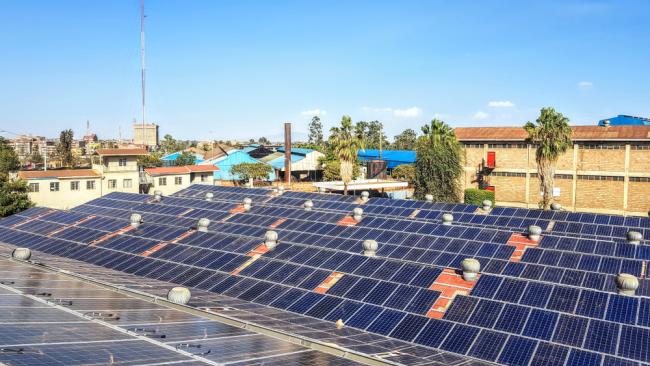
New Paradigm for Electrification in Sub-Saharan Africa: How Are Decentralized Hybrid Systems Changing the Game?
After several decades of reforms, the situation in centralized power sectors has hardly changed. The sub-Saharan power sector remains underdeveloped, and power sectors are experiencing significant financial difficulties that have been further exacerbated first by the effects of the pandemic and then the war in Ukraine.
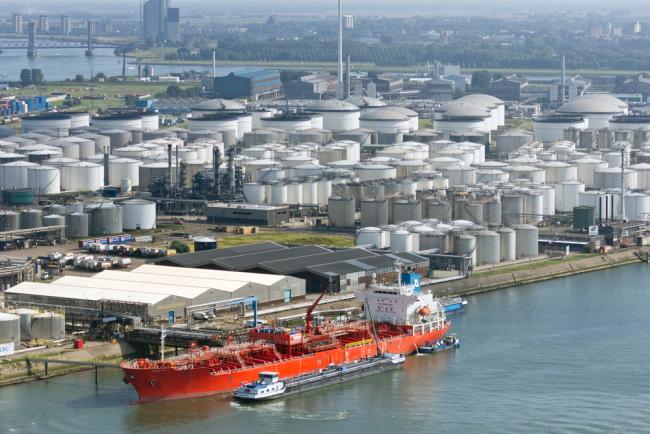
Saving Energy in a Hurry: Reducing Dependence on Russian Hydrocarbons Requires Resolute Demand and Supply Sides Action
Facing Russia’s aggression on Ukraine, European countries have enacted economic and financial sanctions against Russia.
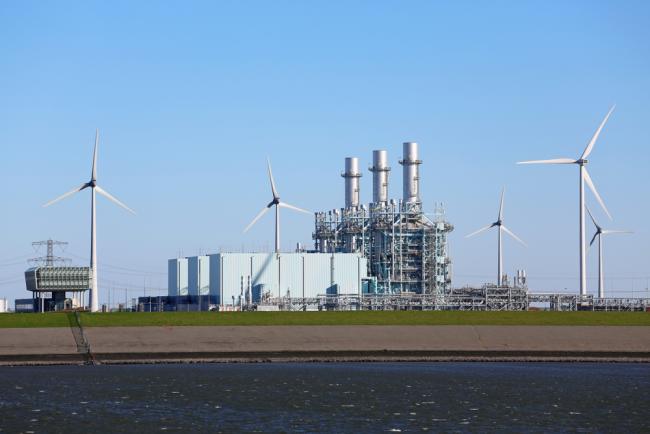
The Energy Price Crises: A Reality Check for Europe’s Green Deal
On its path to carbon neutrality, the European Union (EU) will be exposed to growing energy price volatility and vulnerable to Russian and Chinese pressure on supply and demand.
What are the impact of the COVID-19 crisis on Japan's economic security?
In this interview, Shin Oya, Senior Consulting Fellow, Asia Pacific Initiative and Chief Representative for Strategic Research, JBIC looks at COVID-19's impact on economic security in Japan.
Rethinking Economic Security in the (Post) COVID-19 World
The COVID-19 crisis has highlighted the risks of an excessive dependence on one single economic partner and has prompted a rethinking of what economic security really entails.

Contribution to the Task Force Sustainable Energy, Water and Food Systems of T20 Saudi Arabia
Waste-to-energy plants appear as an effective means of dealing with two problems of electricity access and waste management at once.

South Korea’s Hydrogen Strategy and Industrial Perspectives
South Korea is a hydrogen (H2) frontrunner. The world’s first commercial fuel cell electric vehicle (FCEV) was launched by the South Korean car manufacturer Hyundai (Tucson i×35) in 2013.
POSCO Energy, South Korea’s largest private energy producer, completed the world’s largest fuel cell manufacturing plant in 2015. When President Moon took office in 2018, the new government identified H2 as a new growth engine, and pledged to turn the country into a H2 economy.
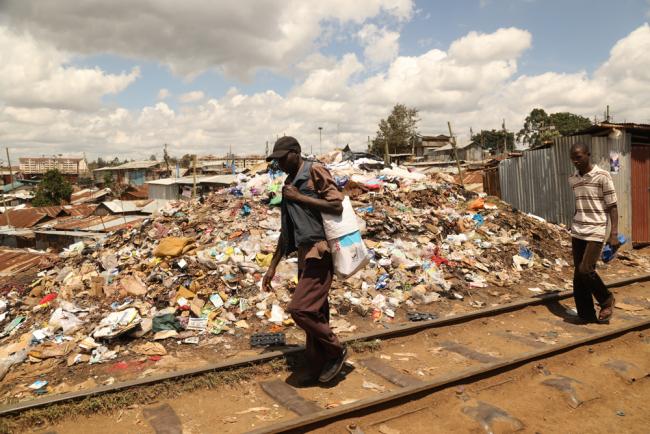
Waste Management and Electricity Generation in Africa: Developing Waste-to-Energy to the Benefit of Sustainable Cities?
With the expansion of modern production and consumption patterns to large African cities, population growth and urbanization, production of municipal waste has risen sharply. Unregulated dumps are becoming numerous and have strong negative health effects by polluting the local environment.
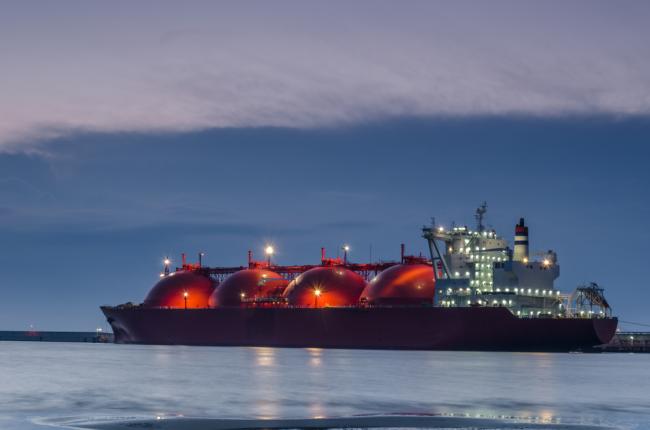
China’s Quest for Gas Supply Security: The Global Implications
The major transformations that are occurring on the Chinese gas market have profound repercussions on the global gas and LNG markets, especially on trade, investment and prices. In just two years, China has become the world’s first gas importer and is on track to become the largest importer of Liquefied natural gas (LNG).
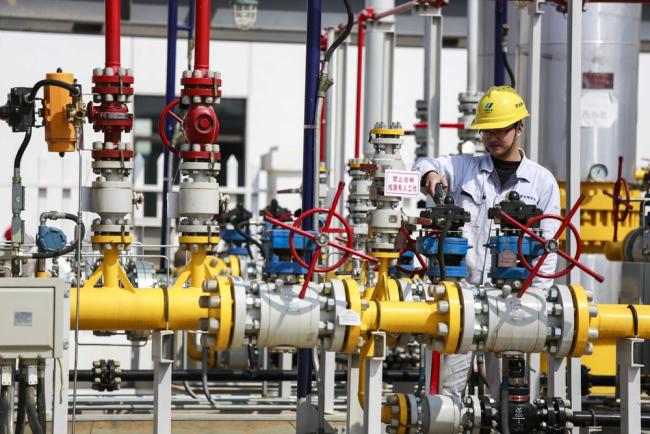
China’s Quest for Blue Skies: The Astonishing Transformation of the Domestic Gas Market
China’s gas industry has been moving into a new era. China’s natural gas demand has skyrocketed amid a state campaign that encourages coal-to-gas switching. In just two years, China added 75 billion cubic meters (bcm) to global gas demand, the equivalent of the UK gas market, the second largest European market. Despite steadily rising, Chinese gas production has not been able to cope with such a huge increase in demand and gas imports have also surged.

Russia-Ukraine Gas Relations: The Mother of All Crises or a New Start to 2030?
Ten years after the January 2009 gas crisis, Russian-Ukrainian gas relations are at another turning point: the then concluded contracts are terminating on 31 December 2019. While trilateral talks brokered by the European Commission (EC) have started in July 2018, the real negotiations about the future of this relationship can be expected to start no earlier than in December, that is in the midst of the winter and a second to midnight. Crucial months lie ahead.
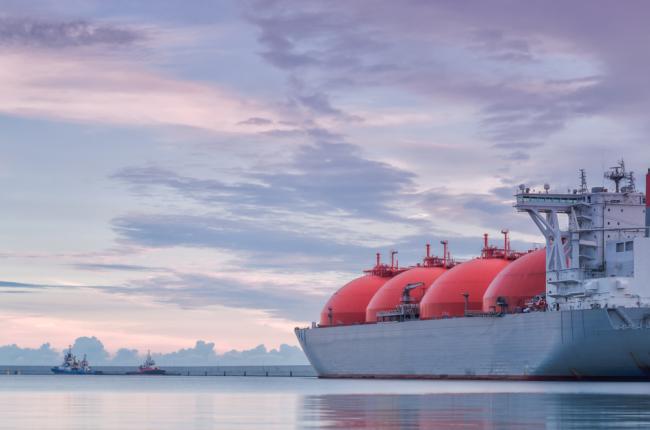
The Next Wave of Global LNG Investment Is Coming
With an annual growth of 10% in 2017 to 290 million tons (Mt) and 8.3% in the first half of 2018, Liquified Natural Gas (LNG) demand is rising faster than expected. Accounting for 44% of global demand growth in 2017, China is the main driver of the growth as the government has made natural gas a key policy choice to reduce air pollution and restructure its high-carbon energy mix.

Brexit, Electricity and the No-Deal Scenario: Perspectives from Continental Europe, Ireland and the UK
When it comes to energy and electricity in particular, there can be no winner in the Brexit negotiations. The only reasonable objective should be to minimise losses and avoid trade friction.

Japan’s Hydrogen Strategy and Its Economic and Geopolitical Implications
With the Basic Hydrogen Strategy (hereafter, the Strategy) released on December 26, 2017, Japan reiterated its commitment to pioneer the world’s first “Hydrogen Society”. The Strategy primarily aims to achieve the cost parity of hydrogen with competing fuels, such as gasoline in transport and Liquified Natural Gas (LNG) in power generation.
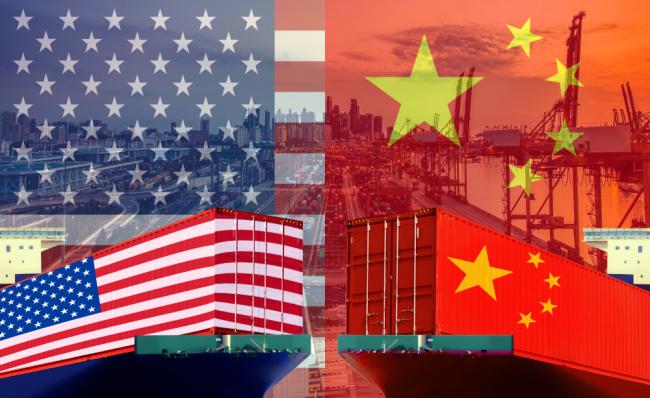
The Trump-led Trade War with China: Energy Dominance Self-destructed?
Under particular US legal rationale, such as calling foreign imports a “national security threat”, President Donald Trump has started imposing tariffs and/or quotas and has launched national security investigations on a growing number of imported goods from US allies and others alike.
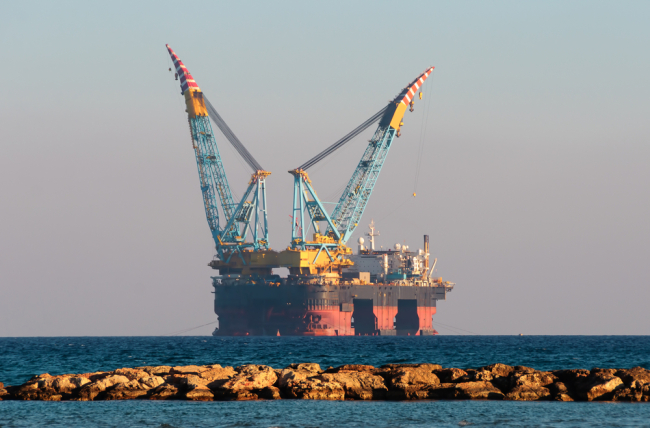
L’Égypte, nouvelle plateforme gazière en Méditerranée orientale
Recent offshore gas discoveries in the Eastern Mediterranean, primarily in Egypt as well as in Israel, but also around Cyprus, are dramatically changing these countries' energy perspectives and economies, and also influence geopolitical balances in the region.
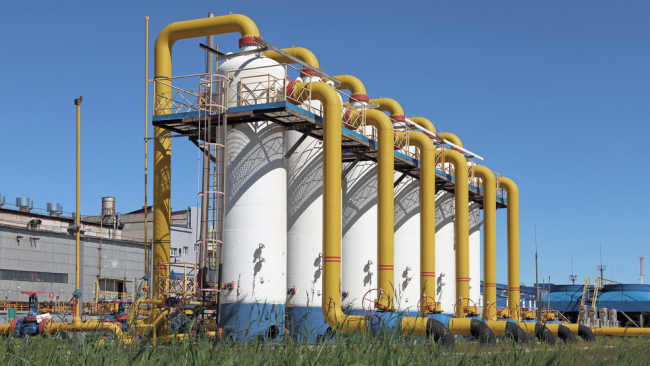
The Role of Gas in the European Energy Transition: Challenges and Opportunities
Following difficult years for the European gas industry, natural gas is back to the front stage.
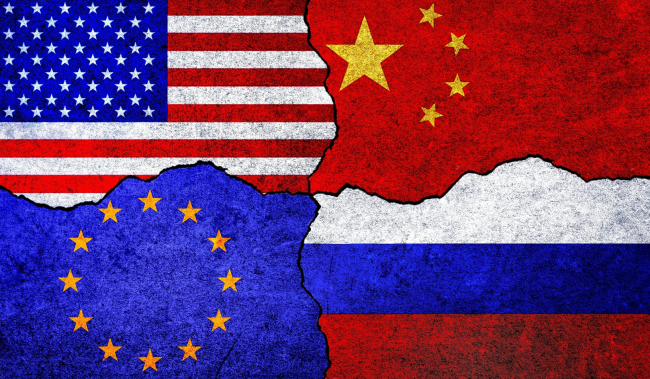
Placing the EU on a Warfare Footing: Energy and Raw Materials Priorities for 2026
The year 2025 has confirmed that one must prepare for much worse in the field of geopolitics and geoeconomics as the intensity and frequency of shocks increase and as the European Union (EU) has no more stable flanks now that crises with the United States (US) become so frequent and reveal a systemic rift. In the world, barriers to trade multiply and dependencies are weaponized.

COP30: An Inflection Point for Climate Action and Governance
The 30th Conference of the Parties (COP30), opening in Belém, Brazil, on November 10th 2025, convenes at a perilous moment.

The Strategic Dimension of Skills in the Clean Industrial Deal
In the competitiveness and energy transition battles, the European Union (EU) must master a determinant factor: skills.
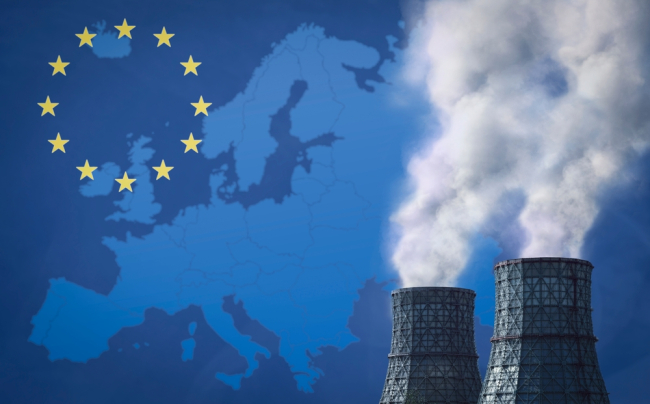
Reconnecting With Europe's Nuclear DNA: a Political Question
As Europe's main source of low-carbon electricity, nuclear power is a strategic asset for tackling climate and geopolitical challenges.
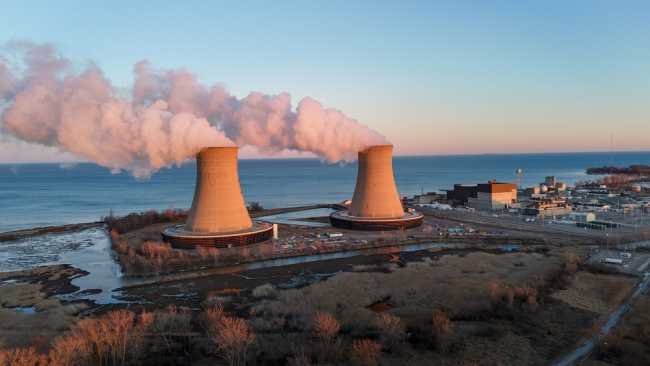
Will the Western Nuclear Power Revival Take Place? The State of Extra-European Advances
Against the dual backdrop of the energy transition and the rapid transformation of the international order, the question of Western nuclear revival is being raised with renewed acuity.
Re-evaluating Copper Supply: The Crucial Role of Technology
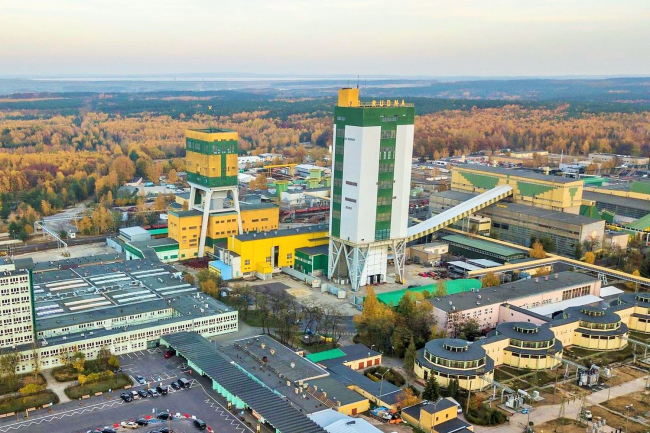
Some authors argue that the energy transition is doomed to fail due to metal scarcity and the rising energy costs of extraction.
Energy Developments in the United Kingdom
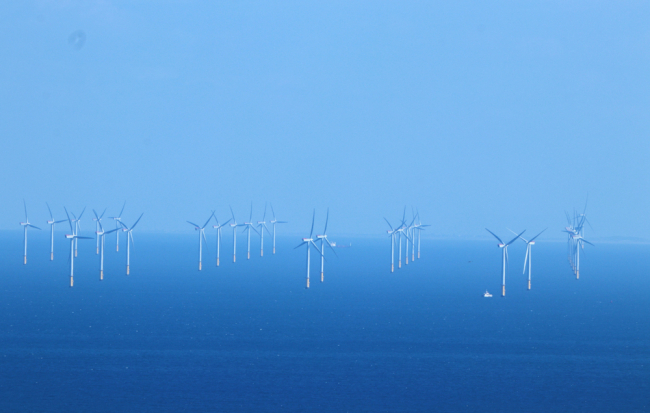
The United Kingdom (UK) has traditionally been an example for its neighbours and the world in developing ambitious, innovative and effective energy policies.
India’s Green Hydrogen Strategy in Action: Policy Actions, Market Insights, and Global Opportunities
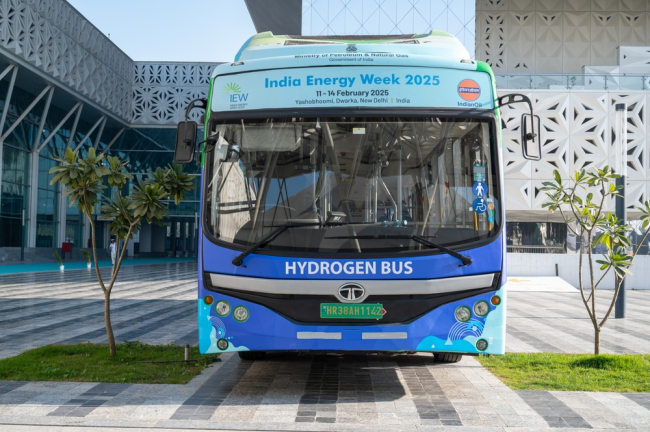
India is poised to remain the world’s fastest-growing major economy, and this rapid growth is driving a sharp rise in energy demand. As the most populous country on the planet, India urgently needs to decarbonize its energy systems.
The Strategic Dimension of Power System Flexibility: Opportunities in Europe
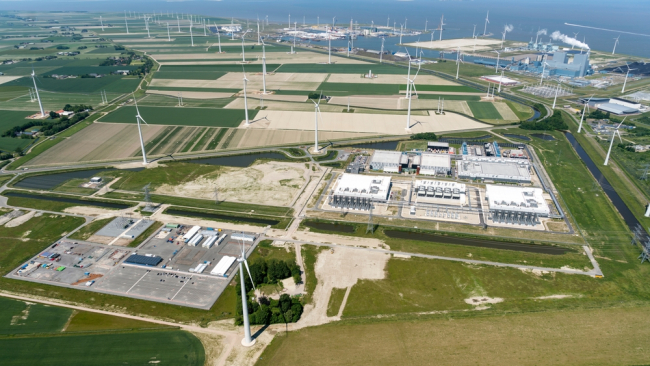
The European Union has embarked on an energy transition aimed primarily at replacing fossil fuels by electrifying demand.
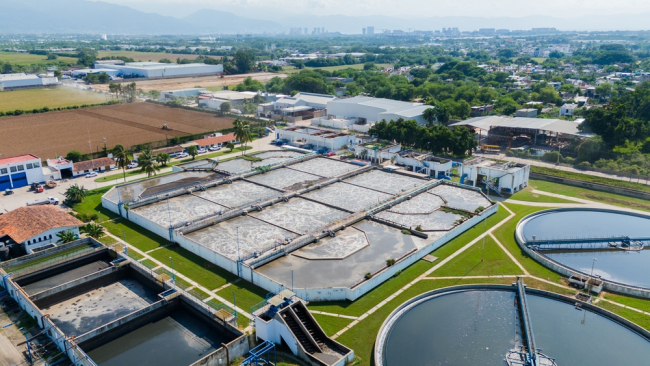
Water in Mexico: an Emergency that Will Wait
Access to water is already and will become increasingly problematic for Mexican economic actors due to the progressive scarcity of the resource resulting from climate change, a geographical distribution that does not coincide with that of the population or economic activity, and management that has so far been far too lax.
Ifri, a foundation recognized as being of public utility, relies largely on private donors – companies and individuals – to guarantee its sustainability and intellectual independence. Through their funding, donors help maintain the Institute's position among the world's leading think tanks. By benefiting from an internationally recognized network and expertise, donors refine their understanding of geopolitical risk and its consequences on global politics and the economy. In 2026, Ifri partners with over 90 French and international companies and organizations.
