




Electricity and Electrification
The decarbonization of electrical systems via nuclear, wind, solar or hydroelectric power, flexibility tools and the electrification of uses are key challenges with multiple issues at stake.
Related Subjects
Fragmented Europe: Dealing with China as a technology and innovation power
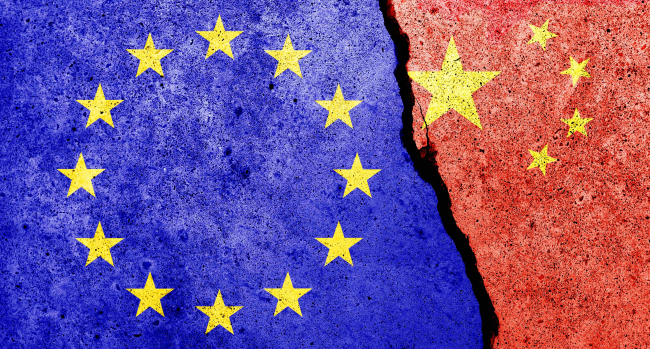
How is Europe navigating China’s ascension as a technological power? The latest report by the European Think-tank Network on China (ETNC) provides a nuanced account of a converging, yet still fragmented approach across 22 countries.
How to Make European e-SAF Production under RefuelEU Aviation Fly?
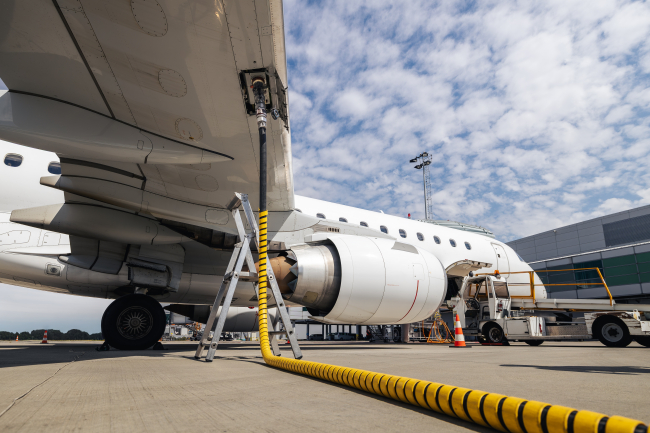
Three and a half years before the scheduled entry into force of the European regulation ReFuelEU Aviation (RFEUA), which requires aviation fuel suppliers at Union airports to offer a sustainable synthetic alternative (e-SAF), no sizeable commercial production unit (greater than 10,000 tons per year) is active within Europe yet, nor has it even passed the Final Investment Decision (FID). Is a major step in the European Union (EU) plans for decarbonizing air transport at risk of not happening, or at least being postponed for several years? Is Europe losing its bet to create a market for e-SAF? Under what conditions can this bet still be won? Could sovereignty and energy security preoccupations unlock necessary public support and help to overcome economic, financial, logistical or administrative obstacles?
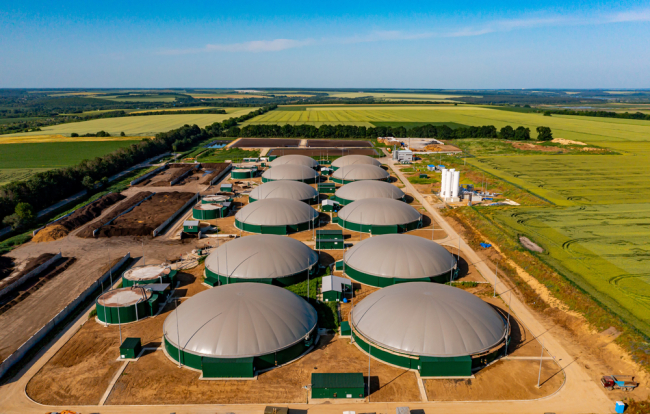
The European Biomethane Sector at a Critical Juncture: Stronger Policy Alignment Will Matter
The European biomethane sector is at a critical juncture.

Energy in the Era of the New Geopolitics
The global energy system is constantly changing: rising consumption in developing countries, the growing role of electricity, vulnerabilities in supply chains, and the environmental implications of energy policy choices. The security of the system and the substantial investments required in the future can only be ensured through international cooperation, as exemplified, among other mechanisms, by the International Energy Agency.
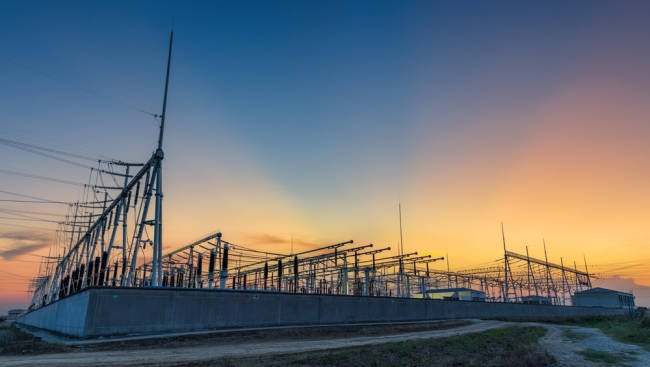
Europe’s Power Grid Challenge: A Make-or-Break for Accelerating Electrification
In April 2023, The Economist published an article pointing to the vast amounts of electricity infrastructure needed to reach energy transition goals.
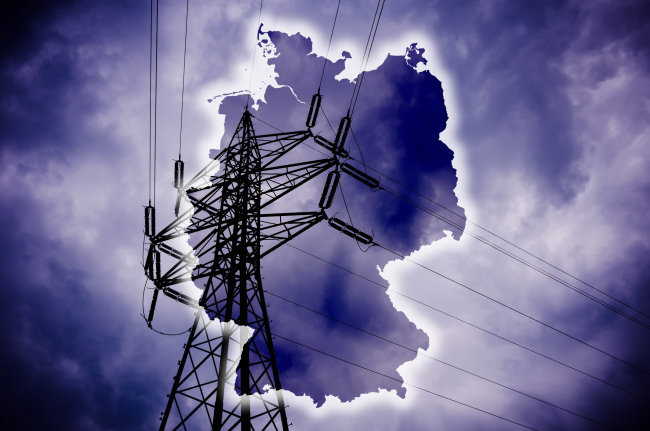
Germany Maintains Its Single Electricity Price Zone: Implications
In December 2025, Germany refused to split its bidding zone despite recommendations from ENTSO-E, in order to preserve its federal unity, market liquidity, and the competitiveness of its industry, at the cost of persistent North-South imbalances.
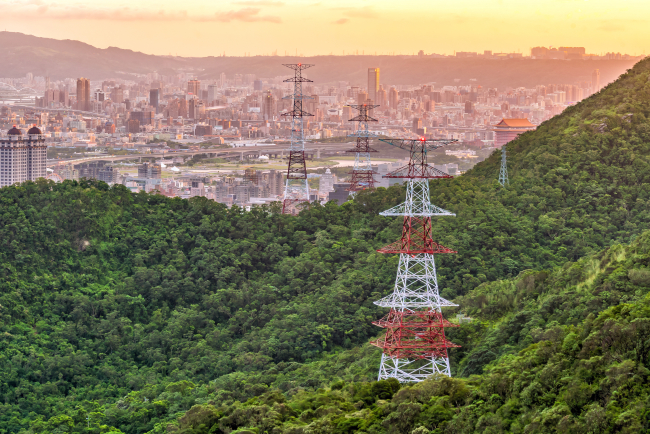
Crisis in the Strait of Hormuz. A Stress Test for Taiwan with Global Implications
The large-scale military operation carried out by the United States (US) and Israel against Iran triggered an Iranian retaliation that resulted in the partial destruction of natural gas liquefaction infrastructure and severe disruption of maritime traffic in the Strait of Hormuz. The economies of East Asia—South Korea, Japan, and Taiwan in particular—are highly exposed to this crisis due to their reliance on liquefied natural gas (LNG) imports for electricity generation.
Financial Tools for Boosting Resilience of CRM Value Chains and Strategic Stockpiling
Critical Raw Material (CRM) value chains are more vulnerable than ever and entire vital industries in Europe are now at risk if supplies are not secured through strategic and urgent actions, given mounting geopolitical confrontation, resource nationalism, growing demand and limited supply increase.
Placing the EU on a Warfare Footing: Energy and Raw Materials Priorities for 2026
The year 2025 has confirmed that one must prepare for much worse in the field of geopolitics and geoeconomics as the intensity and frequency of shocks increase and as the European Union (EU) has no more stable flanks now that crises with the United States (US) become so frequent and reveal a systemic rift. In the world, barriers to trade multiply and dependencies are weaponized.

COP30: An Inflection Point for Climate Action and Governance
The 30th Conference of the Parties (COP30), opening in Belém, Brazil, on November 10th 2025, convenes at a perilous moment.

The Strategic Dimension of Skills in the Clean Industrial Deal
In the competitiveness and energy transition battles, the European Union (EU) must master a determinant factor: skills.
Reconnecting With Europe's Nuclear DNA: a Political Question
As Europe's main source of low-carbon electricity, nuclear power is a strategic asset for tackling climate and geopolitical challenges.
Will the Western Nuclear Power Revival Take Place? The State of Extra-European Advances
Against the dual backdrop of the energy transition and the rapid transformation of the international order, the question of Western nuclear revival is being raised with renewed acuity.
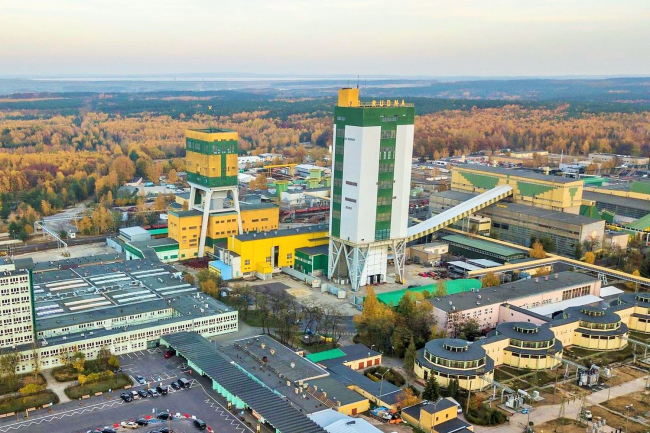
Re-evaluating Copper Supply: The Crucial Role of Technology
Some authors argue that the energy transition is doomed to fail due to metal scarcity and the rising energy costs of extraction.
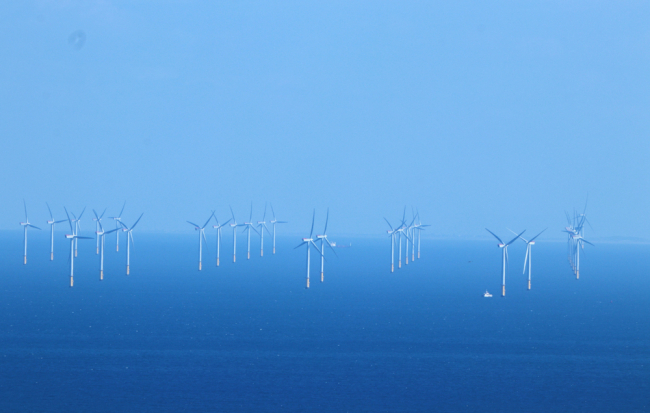
Energy Developments in the United Kingdom
The United Kingdom (UK) has traditionally been an example for its neighbours and the world in developing ambitious, innovative and effective energy policies.
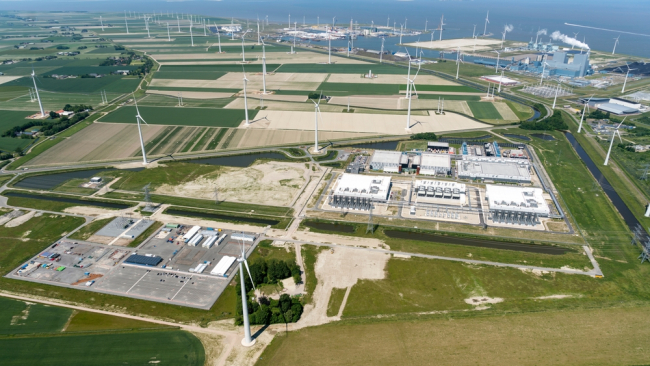
The Strategic Dimension of Power System Flexibility: Opportunities in Europe
The European Union has embarked on an energy transition aimed primarily at replacing fossil fuels by electrifying demand.
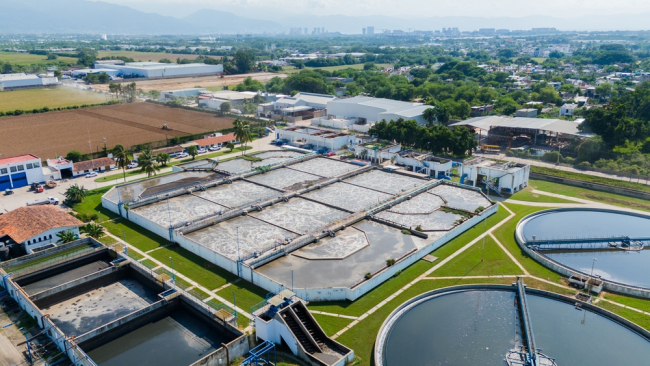
Water in Mexico: an Emergency that Will Wait
Access to water is already and will become increasingly problematic for Mexican economic actors due to the progressive scarcity of the resource resulting from climate change, a geographical distribution that does not coincide with that of the population or economic activity, and management that has so far been far too lax.
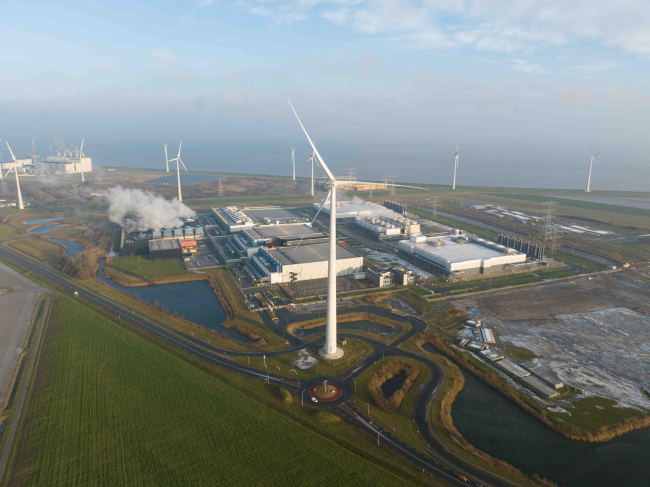
AI, Data Centers and Energy Demand: Reassessing and Exploring the Trends
The information and communication technologies sector today accounts for 9% of global electricity consumption, data centers for 1-1.3%, and artificial intelligence (AI) for less than 0.2%. The growing energy demands of cloud services first, and now AI workloads (10% of today’s data centers electricity demand), have exacerbated this trend. In the future, hyperscale data centers will gain shares amongst all kinds of data centers and AI will probably account for around 20% of data centers electricity demand by 2030.
How do maritime companies cooperate with the navies? An interview with Evan FUERY, EQUINOR
On the sidelines of the Paris Naval Conference 2025, on February 4, 2025, organized by Ifri and the French Navy (Marine nationale), Evan FUERY, Senior Vice-President for Corporate Security and Crisis Management, EQUINOR, shares insights on how maritime companies collaborate with the navies to secure maritime economy.
Geopolitics of Climate Change - World Policy Conference 2024 (Plenary Session)
Plenary session 6: Geopolitics of Climate Change. Friday, December 13, 2024 - 17th edition of the World Policy Conference in Abu Dhabi, United Arab Emirates.
Fragmented Europe: Dealing with China as a technology and innovation power
How is Europe navigating China’s ascension as a technological power? The latest report by the European Think-tank Network on China (ETNC) provides a nuanced account of a converging, yet still fragmented approach across 22 countries.
How to Make European e-SAF Production under RefuelEU Aviation Fly?
Three and a half years before the scheduled entry into force of the European regulation ReFuelEU Aviation (RFEUA), which requires aviation fuel suppliers at Union airports to offer a sustainable synthetic alternative (e-SAF), no sizeable commercial production unit (greater than 10,000 tons per year) is active within Europe yet, nor has it even passed the Final Investment Decision (FID). Is a major step in the European Union (EU) plans for decarbonizing air transport at risk of not happening, or at least being postponed for several years? Is Europe losing its bet to create a market for e-SAF? Under what conditions can this bet still be won? Could sovereignty and energy security preoccupations unlock necessary public support and help to overcome economic, financial, logistical or administrative obstacles?
The European Biomethane Sector at a Critical Juncture: Stronger Policy Alignment Will Matter
The European biomethane sector is at a critical juncture.
Energy in the Era of the New Geopolitics
The global energy system is constantly changing: rising consumption in developing countries, the growing role of electricity, vulnerabilities in supply chains, and the environmental implications of energy policy choices. The security of the system and the substantial investments required in the future can only be ensured through international cooperation, as exemplified, among other mechanisms, by the International Energy Agency.
Europe’s Power Grid Challenge: A Make-or-Break for Accelerating Electrification
In April 2023, The Economist published an article pointing to the vast amounts of electricity infrastructure needed to reach energy transition goals.
Germany Maintains Its Single Electricity Price Zone: Implications
In December 2025, Germany refused to split its bidding zone despite recommendations from ENTSO-E, in order to preserve its federal unity, market liquidity, and the competitiveness of its industry, at the cost of persistent North-South imbalances.
Crisis in the Strait of Hormuz. A Stress Test for Taiwan with Global Implications
The large-scale military operation carried out by the United States (US) and Israel against Iran triggered an Iranian retaliation that resulted in the partial destruction of natural gas liquefaction infrastructure and severe disruption of maritime traffic in the Strait of Hormuz. The economies of East Asia—South Korea, Japan, and Taiwan in particular—are highly exposed to this crisis due to their reliance on liquefied natural gas (LNG) imports for electricity generation.
Financial Tools for Boosting Resilience of CRM Value Chains and Strategic Stockpiling
Critical Raw Material (CRM) value chains are more vulnerable than ever and entire vital industries in Europe are now at risk if supplies are not secured through strategic and urgent actions, given mounting geopolitical confrontation, resource nationalism, growing demand and limited supply increase.
Placing the EU on a Warfare Footing: Energy and Raw Materials Priorities for 2026
The year 2025 has confirmed that one must prepare for much worse in the field of geopolitics and geoeconomics as the intensity and frequency of shocks increase and as the European Union (EU) has no more stable flanks now that crises with the United States (US) become so frequent and reveal a systemic rift. In the world, barriers to trade multiply and dependencies are weaponized.
COP30: An Inflection Point for Climate Action and Governance
The 30th Conference of the Parties (COP30), opening in Belém, Brazil, on November 10th 2025, convenes at a perilous moment.
How do maritime companies cooperate with the navies? An interview with Evan FUERY, EQUINOR
On the sidelines of the Paris Naval Conference 2025, on February 4, 2025, organized by Ifri and the French Navy (Marine nationale), Evan FUERY, Senior Vice-President for Corporate Security and Crisis Management, EQUINOR, shares insights on how maritime companies collaborate with the navies to secure maritime economy.
Geopolitics of Climate Change - World Policy Conference 2024 (Plenary Session)
Plenary session 6: Geopolitics of Climate Change. Friday, December 13, 2024 - 17th edition of the World Policy Conference in Abu Dhabi, United Arab Emirates.
What are the impact of the COVID-19 crisis on Japan's economic security?
In this interview, Shin Oya, Senior Consulting Fellow, Asia Pacific Initiative and Chief Representative for Strategic Research, JBIC looks at COVID-19's impact on economic security in Japan.
Rethinking Economic Security in the (Post) COVID-19 World
The COVID-19 crisis has highlighted the risks of an excessive dependence on one single economic partner and has prompted a rethinking of what economic security really entails.
Ifri, a foundation recognized as being of public utility, relies largely on private donors – companies and individuals – to guarantee its sustainability and intellectual independence. Through their funding, donors help maintain the Institute's position among the world's leading think tanks. By benefiting from an internationally recognized network and expertise, donors refine their understanding of geopolitical risk and its consequences on global politics and the economy. In 2026, Ifri partners with over 90 French and international companies and organizations.
