




Security - Defense
As a result of global strategic competition, security and defense issues are marked by the return of major wars and nuclear deterrence, the transformation of terrorism and the race for military technologies.
Related Subjects
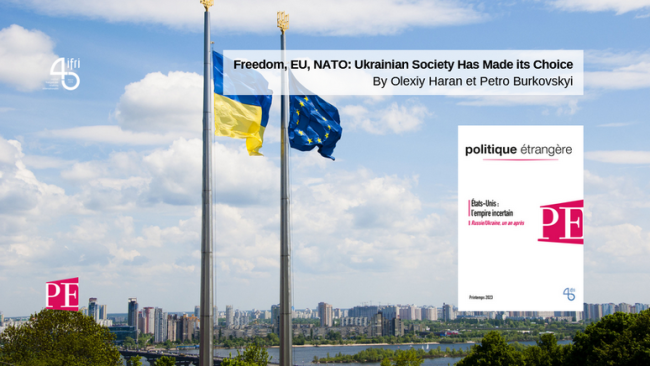
Freedom, EU, NATO: Ukrainian Society Has Made its Choice
The Ukrainian resistance should be seen in its long-term context, starting with independence in 1991, and confirmed by the events of 2014.
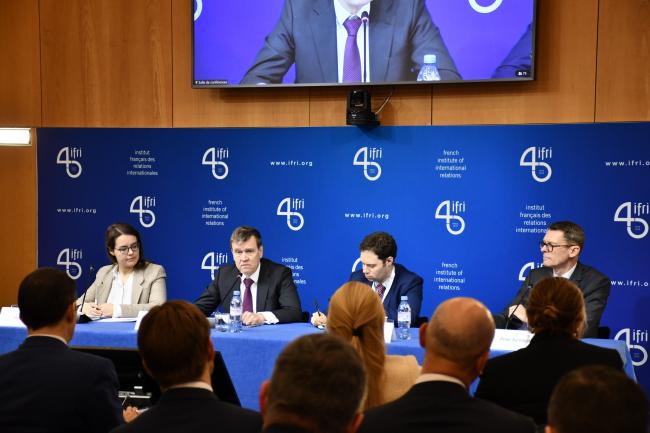
(Replay) Accession to NATO, war in Ukraine: what are the new security challenges for Sweden and Finland?
A conference with Esa Pulkkinen, Permanent Secretary of the Finnish Ministry of Defense, and Peter Sandwall, State Secretary to the Swedish Minister of Defense, held at Ifri on February 9, 2023.
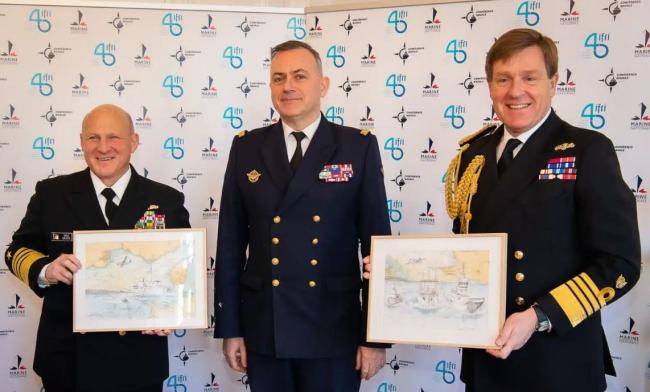
US Navy, French Navy And Royal Navy See Eye To Eye On Interoperability
The heads of the three leading NATO navies, the Chief of Naval Operations (CNO), Admiral Mike Gilday, First Sea Lord, Admiral Ben Key, and the Chief of Staff of the French Navy, Admiral Pierre Vandier, met last week in France for the first ever "Paris Naval Conference".


CNO Delivers Remarks at Paris Naval Conference
CNO Delivers Remarks at Paris Naval Conference
Below is a transcript of the remarks as delivered:
THOMAS GOMART: Just a quick announcement before starting. If you don't want to practice your French you can use receptors which are with this gentleman over there or at the table, because I will speak French and switch to English for the session.
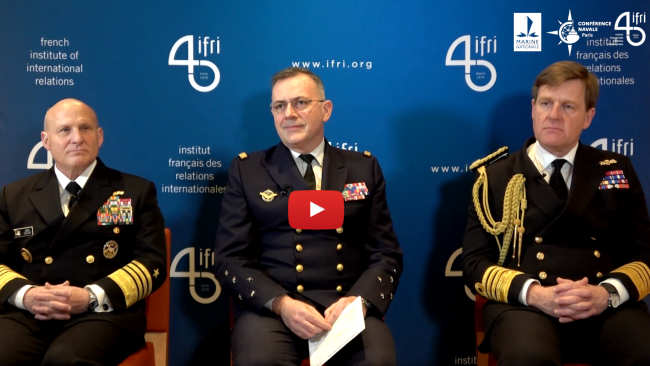
Interview - Conférence navale de Paris: The Return Of Naval Combat
An interview with the chiefs of staff of the French, American, and British navies.
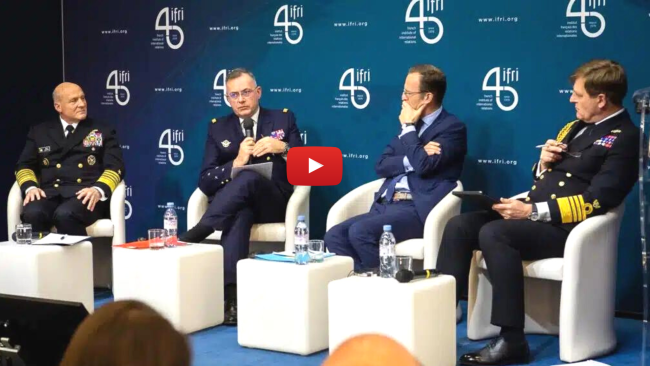
(Replay) Conférence navale de Paris : the return of naval combat
A conference organized by Ifri and the French Navy with British, French and American speakers to reflect on the evolution of naval strategy and the impact of new technologies on navies.
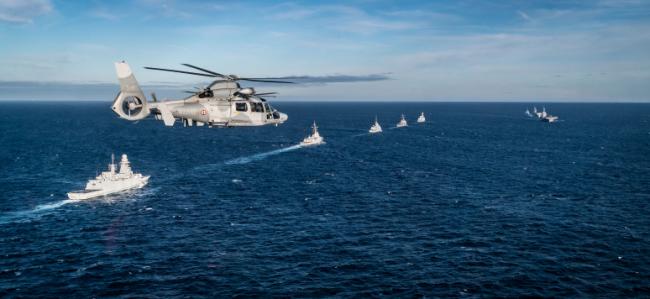
Naval Combat Redux: A Renewed Challenge for Western Navies
Our world is becoming increasingly contested and unpredictable and we are trending towards a return of great power strategic competition, characterized by more frequent challenges to the established rules-based international order. As a consequence, the risk of interstate conflict continues to rise. This regressive evolution is most readily apparent in the maritime domain, where the concomitant impacts on the free flow of international trade and the control of illegal and unregulated fishing are interlaced with the prescient, yet growing challenge of environmental security.


France's strategic thinking in the Middle East is at a standstill
French President Emmanuel Macron was poised to arrive in Jordan for a two-day visit starting on Tuesday, December 20. French troops are deployed in the country as part of the Chammal military operation. Héloïse Fayet, a researcher with the Institut Français des Relations Internationales (French Institute of International Relations) who specializes in the armed forces present in the Middle East, told Le Monde that the terrorist threat in the region was almost eliminated. This, she said, should lead Paris to rethink its strategy. Ms. Fayet published a study in mid-November examining France's strategic posture in the Middle East.

Self-defense Groups, the Pyromaniac Firefighters of Sahel
Since 2012, the proliferation of jihadist groups across the Sahel has monopolized the attention of the authorities.forced by the threats they represent and the weakening of their regal power, states are gradually withdrawing from their peripheral rural territories. As a result, populations have organized themselves to become local security providers.
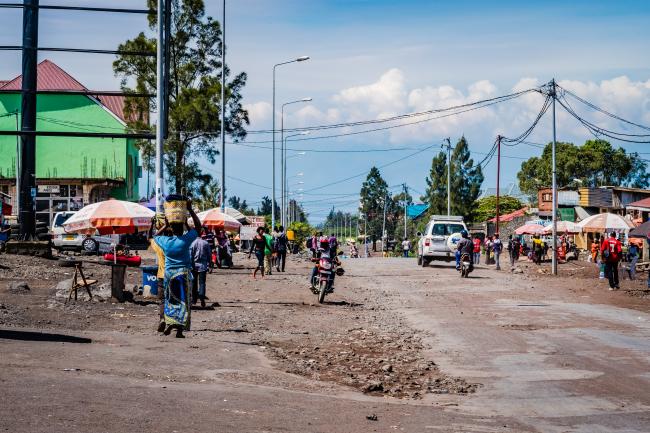
Democratic Republic of Congo: Nothing New in the East
While a state of siege was declared a year ago in two Congolese provinces and Kenyan authorities organized a meeting in Nairobi between the Congolese government and armed groups, the pacification of the Congolese East remains unresolved. This study looks back at the Tshisekedi government's policy and handling of this issue since 2019.
Military Stockpiles: A Life-Insurance Policy in a High-Intensity Conflict?
The war in Ukraine is a reminder of the place of attrition from high-intensity conflict in European armies that have been cut to the bone after three decades of budget cuts. All European forces have had to reduce their stocks to the bare minimum. As a result, support to Ukraine has meant a significant drain on their operational capabilities. A significant amount of decommissioned systems were also donated, due to the lack of depth in operational fleets.

How Rwanda Became Africa’s Policeman
From Benin to Mozambique, President Paul Kagame is flexing his small country’s military muscle—and transforming the continent’s security landscape.
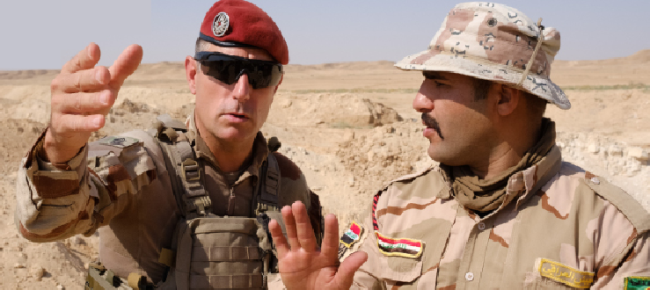
What Strategic Posture Should France Adopt in the Middle East?
France has a historical presence in the Middle East, where it has many interests to defend: the fight against terrorism, the promotion of the arms industry, the dissemination of humanitarian values, etc. To this end, it has a number of resources at its disposal, notably military: French forces are deployed in Iraq, Syria and Jordan as part of Operation Chammal, in Lebanon for the United Nations Interim Force in Lebanon (UNIFIL), and in the United Arab Emirates.
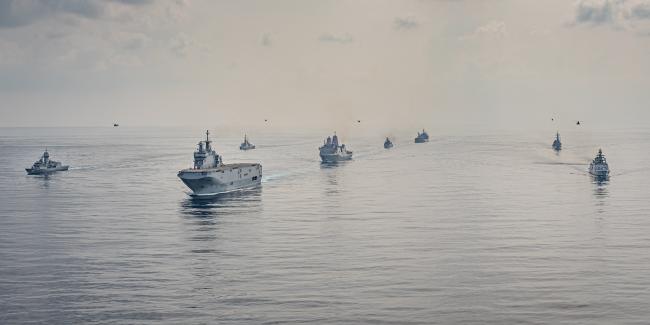
France and AUKUS: Bouncing Back to Live up to Pacific Challenges
Back in September 2021, the announcement of AUKUS – the defense partnership between Australia, the United Kingdom (UK) and the United States (US) was a shock to Paris.
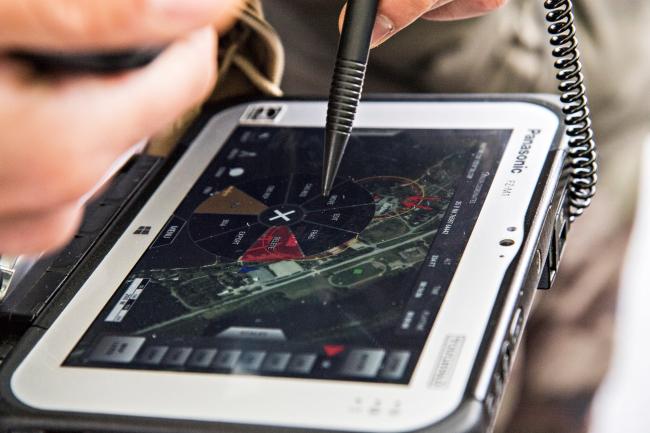
Open Innovation in Defense. Passing Fad or New Philosophy?
The use of civilian technologies on the battlefield—one of the lessons that can be drawn from recent conflicts—is attracting growing interest from the armed forces of France and other nations. The growing number of examples of effective integration of civilian technologies into the armed forces, including during conflict, shows the importance of open innovation and the acceleration of the international race toward innovation in the defense industry.
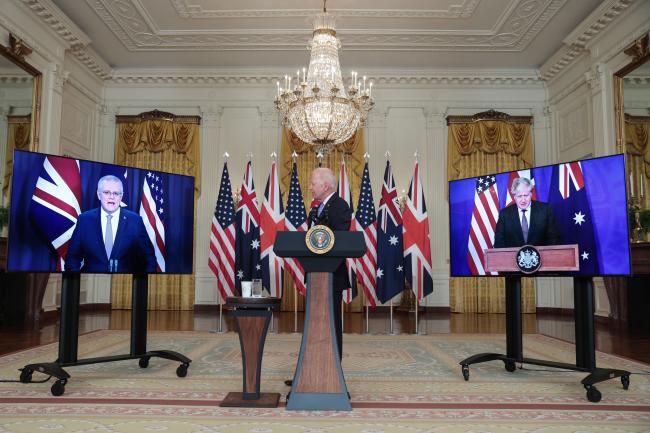
The historical heritage of AUKUS: Australia-United States-United Kingdom relations since 1900
The signing of the AUKUS partnership agreement between Australia, the United States and the United Kingdom in September 2021 seems to have reconstituted a natural coalition between “Anglo-Saxon” states. This solidarity generates contradictory judgments.
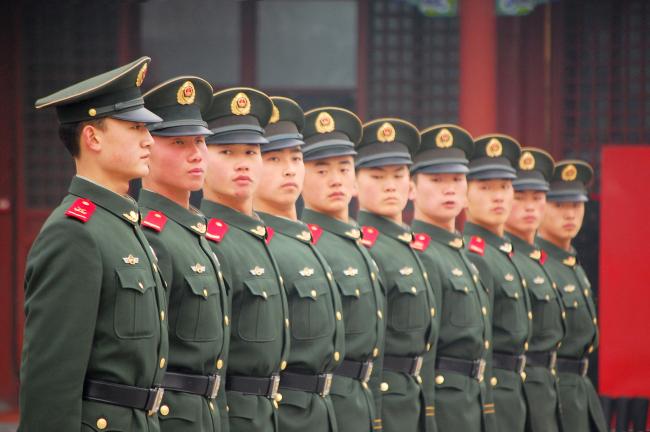
Modernizing the People's Liberation Army: The Human Factor
The tremendous demographic challenges facing China will not significantly affect the People’s Liberation Army (PLA) in the immediate future, but will become more problematic in the medium and long term. The rapid aging of the population and the resulting socio-economic imbalances will put pressure on defense budgets, military wages and the general attractiveness of the army. For the time being, the PLA’s primary goal in terms of human resources is to build a less oversized, more professional army, prepared for high-intensity combat.

French Navy bets on electronic warfare to counter anti-ship threats
With 2,000 miles of direct coastline and more than a dozen overseas territories, France’s naval vessels maintain a continuous presence in multiple maritime zones — from the North Sea to the Caribbean, and from the Indian Ocean to the Pacific.
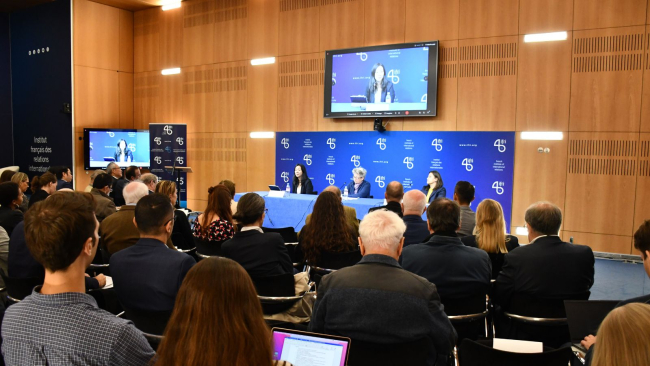
Asia after the War in Ukraine: Re-imagining multilateralism and the risk of high-intensity conflict (video replay)
Annual conference of Ifri's Center for Asian Studies. The war in Ukraine has marked the return of high-intensity conflict in Europe and represents a profound, structural shift in the region’s strategic environment. It also takes place against a backdrop of a decades-long rebalancing of global power and the increase of strategic competition between the United States and China, in particular.
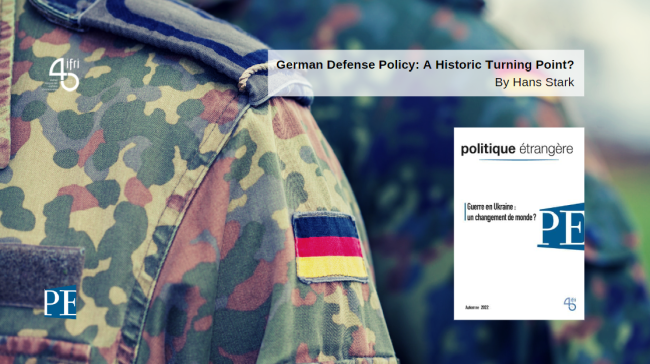
German Defense Policy: A Historic Turning Point?
The war in Ukraine has been a rude awakening for Berlin.
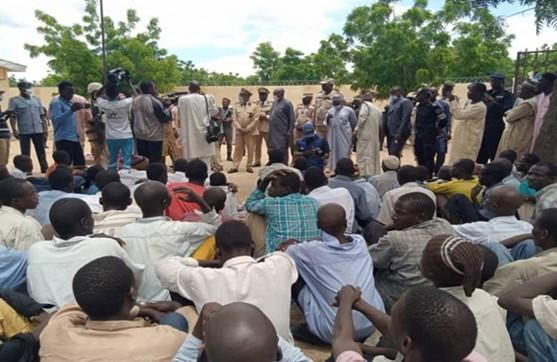
The national DDR policy for Boko Haram ex-combatants in the Extreme North of Cameroon. Issues, challenges and limits
Surprised and harassed by Boko Haram’s atrocities from mid-2013, the Cameroonian authorities initially responded with strong military and judicial responses that helped to contain the threat and regain control of the situation.
The Wind Rose’s Directions: Russia’s Strategic Deterrence during the First Year of the War in Ukraine
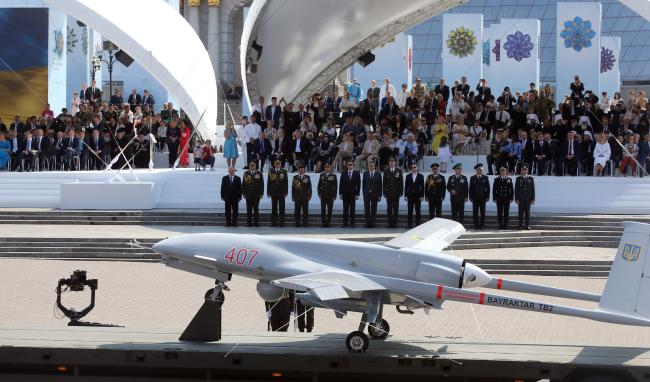
TB2 Bayraktar: Big Strategy for a Little Drone
Since 2016, the tactical drone TB2 Bayraktar—“standard bearer” in Turkish—has received considerable media attention, particularly during the conflict in Nagorno-Karabakh in 2020. Thanks to Azerbaijan’s victory over its neighbor Armenia, the drone, manufactured by Baykar, is now a proven combat system with increasing numbers of export clients.
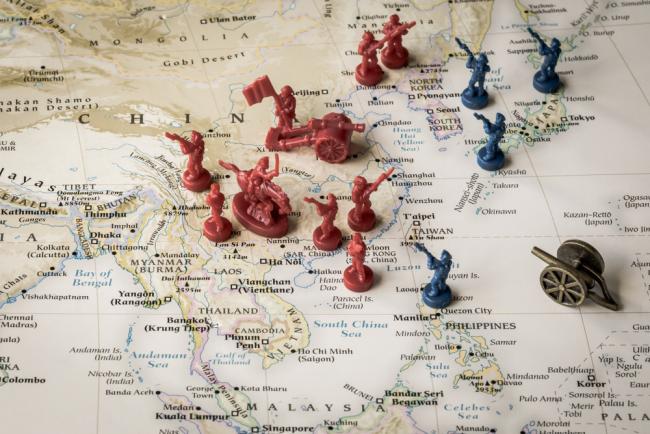
Imagining Beyond the Imaginary. The Use of Red Teaming and Serious Games in Anticipation and Foresight
The Red Team Defence demonstrates the Ministry of the Armed Forces' desire to appropriate new foresight tools. Thus, brain games or serious games aim to bypass the weight of the military hierarchy, the standardisation of thoughts and cognitive biases in order to avoid strategic unthinking.
Military Stockpiles: A Life-Insurance Policy in a High-Intensity Conflict?
The war in Ukraine is a reminder of the place of attrition from high-intensity conflict in European armies that have been cut to the bone after three decades of budget cuts. All European forces have had to reduce their stocks to the bare minimum. As a result, support to Ukraine has meant a significant drain on their operational capabilities. A significant amount of decommissioned systems were also donated, due to the lack of depth in operational fleets.
Chinese Nuclear Force Modernization and Doctrinal Change
Dating back to the first test in 1964, the Chinese nuclear force modernization process is motivated by other nuclear powers’ modernization across the years, mostly from the United States and the Soviet Union, but also by domestic factors such as economic debates and tensions in the scientific community.

Deus ex machina : les enjeux de l’autonomisation des systèmes d’armes
While the automatization of machines is part of an already long historical, conceptual, and technical trajectory, the exponential progress of artificial intelligence techniques, robotics and their military applications suggest the emergence of systems that integrate more autonomy. Indeed, despite campaigns calling for a moratorium on autonomous weapons, most military powers are developing programs focused on autonomy.
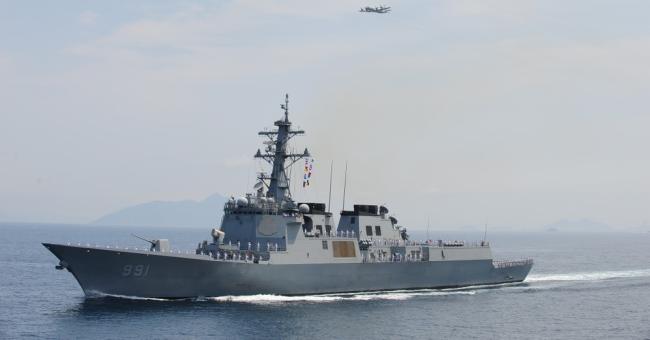
La paix par la force. La modernisation de la défense sud-coréenne sous la présidence Moon Jae-in
South Korea's defense modernization plan, Defense Reform 2.0, represents a significant effort in terms of military capabilities since 2018. The outgoing president, Moon Jae-in, has placed particular emphasis on high-tech acquisition as well as transforming the Korean defense industrial and technological base into a major domestic and international supplier.
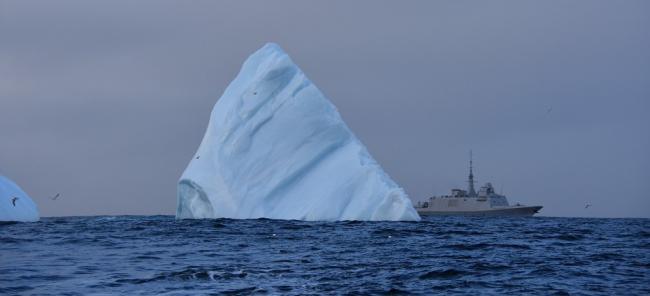
Arctic: Toward the End of the Exception? Strategic, Nuclear and Maritime Issues in the Region
Through multiple international initiatives, including the creation of the Arctic Council at the end of the Cold War in 1996, the Arctic appears to be one of the last areas of peaceful cooperation in the world. This “Arctic exception” is also devoid of any serious territorial dispute between the neighboring countries, some of which are nevertheless great powers: Russia, the United States, Canada, but also Sweden, Norway, Denmark (via Greenland), Iceland and Finland.
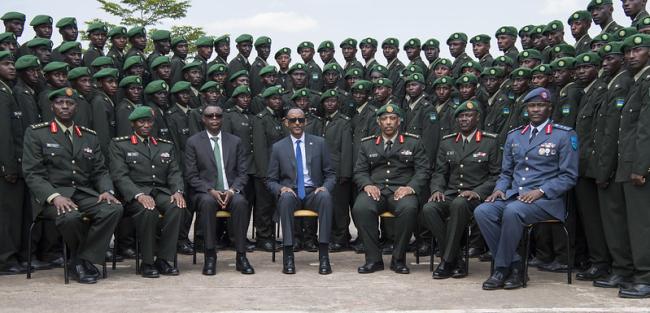
Rwanda’s Military Diplomacy. Kigali’s Political Use of the Military Means to Increase Prestige and Influence in Africa and Beyond
Although it is one of the smallest states on the African continent, Rwanda has adopted a proactive foreign policy. Kigali has deployed troops within the framework of multilateral peacekeeping missions to increase its prestige and influence. Since last year, changes have arisen: Rwanda has extended its activities outside of multilateral operations, intervening unilaterally in the Central African Republic (CAR) and then in Mozambique. Rwanda desires to foster its reputation as a regional and continental “security provider”.
Ifri, a foundation recognized as being of public utility, relies largely on private donors – companies and individuals – to guarantee its sustainability and intellectual independence. Through their funding, donors help maintain the Institute's position among the world's leading think tanks. By benefiting from an internationally recognized network and expertise, donors refine their understanding of geopolitical risk and its consequences on global politics and the economy. In 2026, Ifri partners with over 90 French and international companies and organizations.

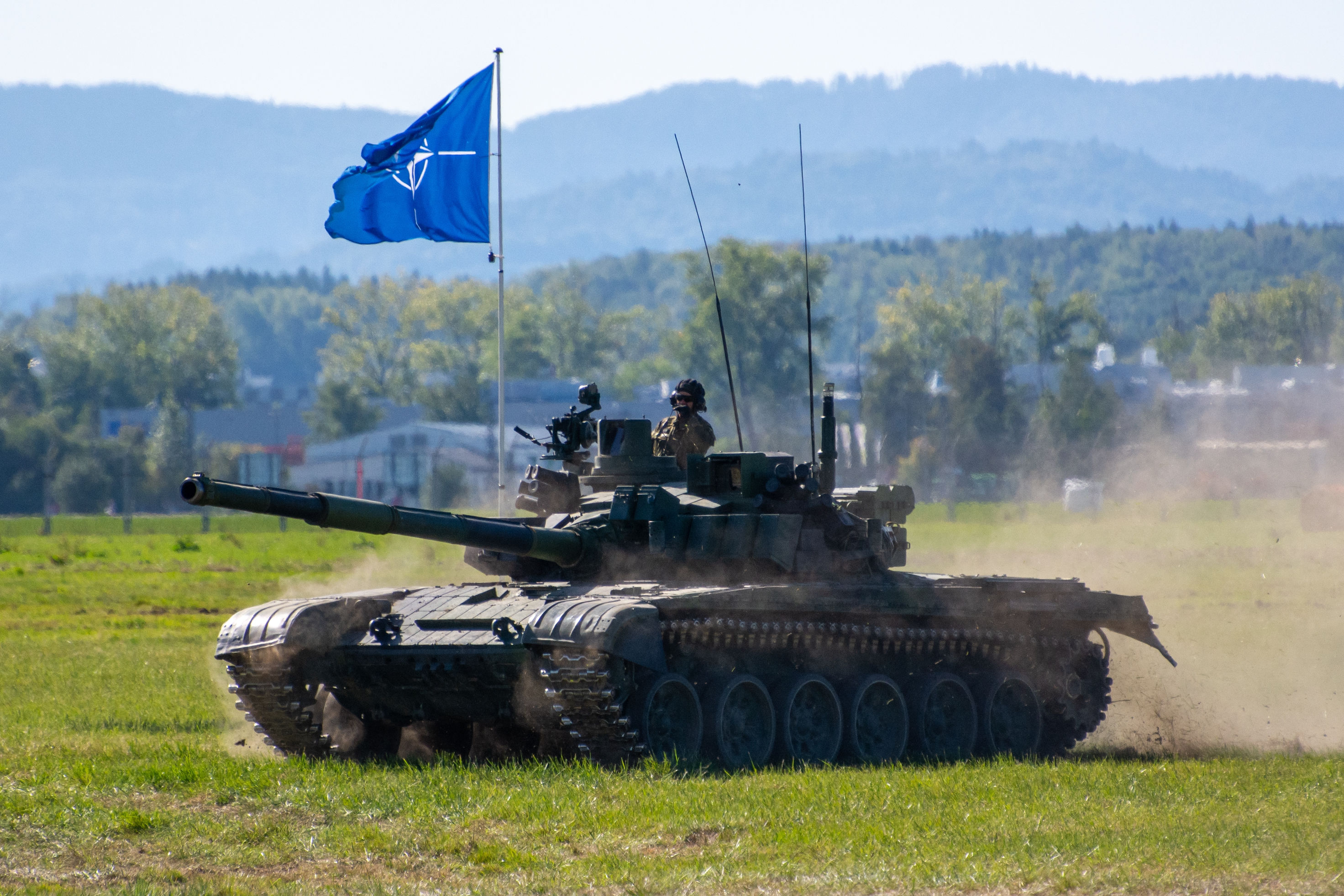
The European & Transatlantic Security Program aims to contribute to the strategic debate by developing analyses around three main axes: European defense and the security architecture of the European continent, institutional and strategic links between the Treaty Organization of North Atlantic (NATO) and the European Union (EU), as well as the evolution of the transatlantic relationship.
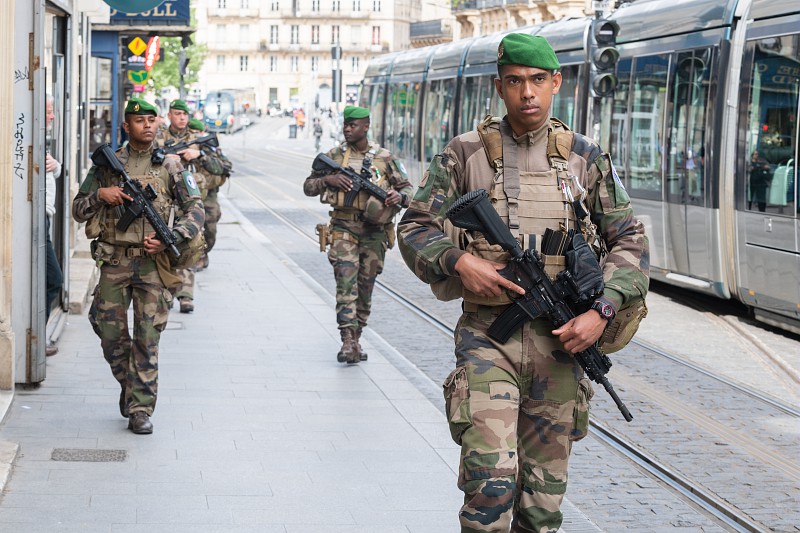
The distinction between internal and external threats is often exaggerated, as the borders are so porous. Conflicts taking place thousands of kilometers from France can have tragic resonances on national territory. Radicalization, terrorism and even organized crime have an international dimension that cannot be ignored.
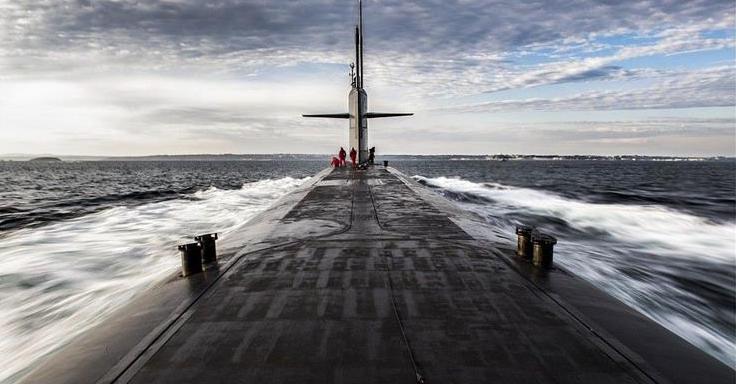
The conflicts in Europe, Asia and the Middle East demonstrate a return of nuclear power to the balance of power. Arsenals are being modernized and expanded, while arms control is collapsing. This research program aims to analyze these phenomena.
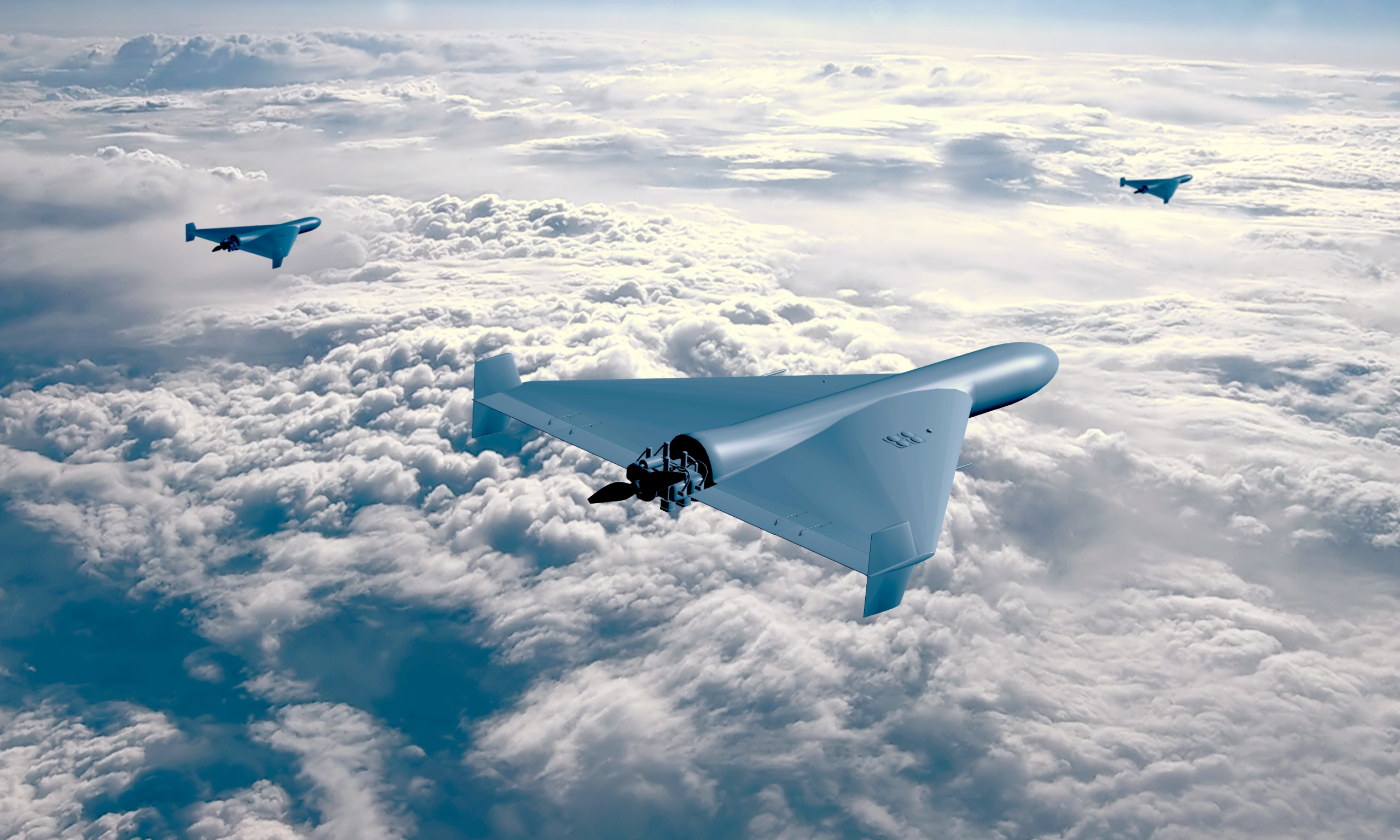
The Observatory of Future Conflicts is a research program carried out by the French Institute of International Relations and the Foundation for Strategic Research on behalf of the three army headquarters aimed at studying developments in tensions and armaments at the horizon 2040 in a transversal perspective, taking into account the issues of each army.
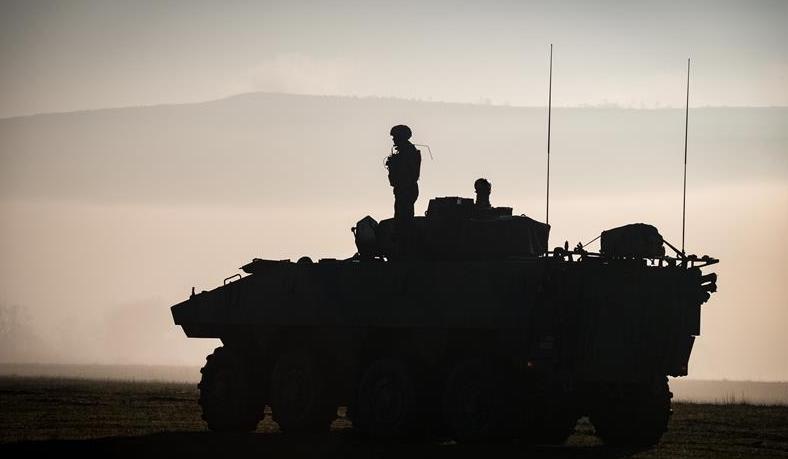
Heir to a tradition dating back to the founding of Ifri, the Security Studies Center provides public and private decision-makers as well as the general public with the keys to understanding power relations and contemporary modes of conflict as well as those to come. Through its positioning at the juncture of politics and operations, the credibility of its civil-military team and the wide distribution of its publications in French and English, the Center for Security Studies constitutes in the French landscape of think tanks a unique center of research and influence on the national and international defense debate.
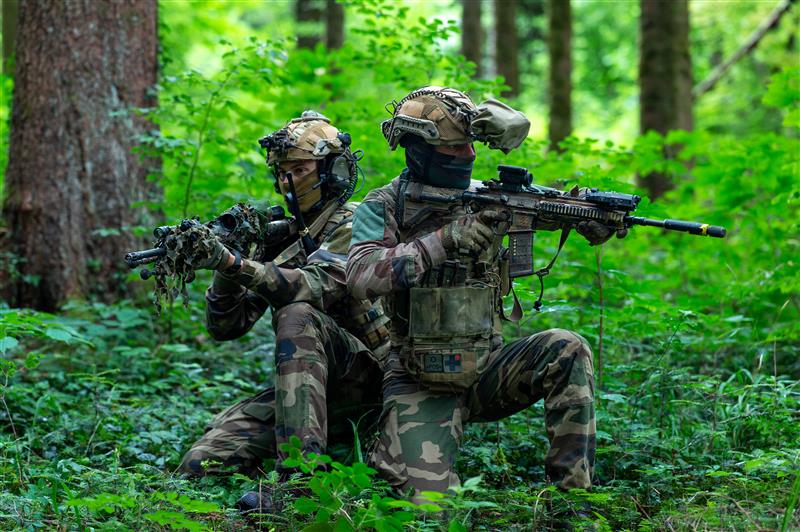
The Defense Research Unit is a program that aims at stimulating the strategic debate by dealing with subjects at the junction of the “technico-operational” and the “political-strategic”. A unique structure in France, it brings together civilian researchers and “military fellows” from each of the three armies to produce work on defense policies, the capability and strategic adaptation of armies, and foresight on tomorrow's conflicts.