





Security - Defense
As a result of global strategic competition, security and defense issues are marked by the return of major wars and nuclear deterrence, the transformation of terrorism and the race for military technologies.
Related Subjects
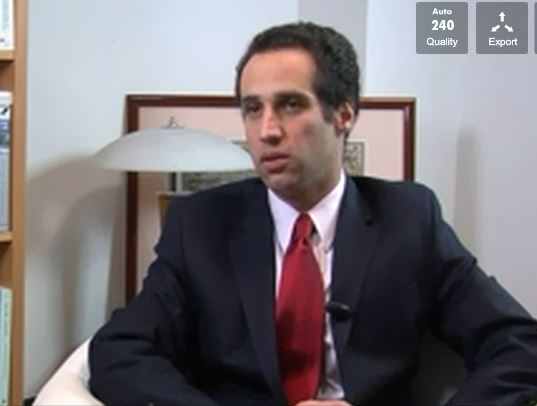
"U.S. Foreign Policy and the Ukrainian Turmoil"
The speakers from the Annual Conference on the United States summarize their talks in short videos. Here, Jeff Mankoff analyzes the strategies put in place by the United States with hopes of containing the situation in Ukraine.
Syria and Beyond: The Future of the Chemical Weapons Threat
The use of chemical weapons (CW) in Syria and the decision to award the 2013 Nobel Peace Prize to the Organization for the Prohibition of Chemical Weapons (OPCW) reminded the international community that these weapons continue to represent a serious threat. The number of incidents of chemical attacks has been increasing in recent years, and efforts to curb CW programs – apart from the joint mission in Syria – have generally proven unsatisfactory.

Judicialization of the Battleground
The increasing judicialization of external military action is encouraging military law to fall into line with common law.
Internet Governance after Snowden
The Snowden affair could bring about major changes in the structure of the Internet and its governance. Technologies should now a priori integrate standards which give citizens the capacity to keep a check on what data is available.
Citizens’ Self-Defense Groups in Mexico: Rightful Defenders, Incontrollable Groups or Whistle-Blowers?
The rise of civilian self-defense groups in various states across Mexico since 2011 bear witness to the powerlessness and corruption of state bodies confronted with the pervasiveness of organized crime.

Des armes à tout faire ? Modularité et polyvalence des équipements militaires
Versatility and modularity have been praised as design imperatives for military hardware, in order to reduce costs as well as to facilitate training and maintenance.
Les chars, un héritage intempestif ?
Regarded as a revolutionary weapon at the beginning of the 20th century, the tank is now suffering from a lack of legitimacy: in the last 20 years, most European states have drastically reduced their tank fleets, sometimes even entirely removing them from their arsenals.
International Relations: the Era of Anthropologists
Both perpetrators and forms of violence change. States are no longer the central referents of contemporary conflicts. We can no longer understand them as the outcome of a linear history starting from tribal societies and leading to Western political structures.

The Digital Tsunami. Natural Disasters Management in the Age of Social Media
Social media enable new means of natural disasters management. It is now easier to locate victims, to find shelters, or to coordinate humanitarian aid. Prevention has also become more efficient. From now on, this tool will be more and more present in the field of natural disasters management; however, it also poses some risks because of its open nature, which makes control more difficult.
Peace as War’s Goal: A Slow Rediscovery
According to the traditional notion of the just war, an armed conflict should lead to conditions of durable peace.
Country Risk Analysis: More than a Postmodern Discipline
Methodological debates about the stages of growth and the way in which a country goes through political modernization are long-established and manifold.
Strategy in Theory
The term “strategy” goes back to Greek antiquity and its meaning has evolved over time. Although today the term is bandied about and employed in all contexts, in the past, attempts to define it have been made by the greatest military thinkers.
The Nagging Problem of State Insolvency
Historically, states have indebted themselves to finance military campaigns. They do so nowadays for other reasons such as financing productive investment.
On the Strategic Value of Ballistic Missile Defense
The strategic value of missile defense remains in considerable debate in Europe but less so in the United States.
Les chausse-trapes de la remontée en puissance : Défis et écueils du redressement militaire
A process of military resurgence shows a government’s will to strengthen its defense apparatus, either to face new strategic challenges or, more frequently, to reverse decline of its capabilities.
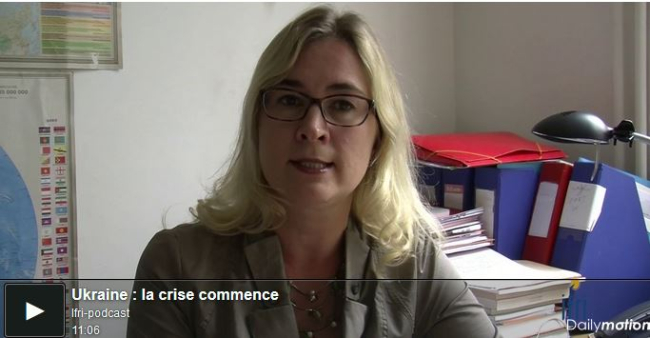
Ukraine : the crisis begins
Il y aura un avant et un après. En Ukraine, en Russie, dans toute l’Europe, ailleurs.
La disparition de l’Ukraine comme entité souveraine – on en est plus près que jamais – serait un coup de tonnerre en Europe. Parce que l’espace qui lui survivrait serait très difficilement gérable, ouvrant le risque d’une longue guerre civile dans le style Balkans- années 1990. Et parce que la Russie est incapable de gérer seule cet espace où les Occidentaux n’ont guère l’envie de s’investir profondément.
Une Europe aux abonnés quasi-absents. La crise prend à contre-pied une Politique européenne de voisinage (PEV) brouil- lonne, éclaire l’impuissance militaire de l’Union de Lisbonne et son incapacité à s’entendre sur une stratégie commune face à un pro- blème fondamental dans son voisinage, tant demeurent prégnants les intérêts nationaux, et non politiques les mécanismes bruxellois.
Et loin, très loin, l’Amérique... Une Amérique finalement assez peu présente dans la crise, mais qui se voit, en un temps d’incertitude sur son propre positionnement stratégique, renvoyer la question fondamentale de ces 20 dernières années – qu’elle n’a pas plus que les autres les moyens de trancher : le système international retourne- t-il à grande vitesse vers une structure d’affrontement classique dont Moscou pourrait, avec Pékin, constituer l’épicentre ? Ou, bon an mal an, reste-t-il stable, avec de bons moyens d’amortir les cahots ici ou là inévitables ?
Sur l’ensemble de ces thèmes et bien d’autres encore, l’Ifri présente ici quelques brèves introductions à l’ensemble des débats ouverts par les événements ukrainiens. La crise ukrainienne ne fait que commencer.
La réforme du secteur de sécurité, entre bureaucraties et stratégie
The concept of Security Sector Reform (SSR) was developed during the 1990s as a response to several problems chiefly faced by countries in post-conflict transitions: weak new governments; conflicting civil-military relations; ill-defined division of tasks between the armed forces, the police, and the judiciary system; and tension between the requirements to stabilize the country and to establish the rule of law.
The India-Pakistan-China Strategic Triangle in the New International Environment
The Future of Deterrent Capability for Medium-Sized Western Powers in the New Environment
Beyond the Cold War Nuclear Legacy: Offense-Defense and the Role of Nuclear Deterrence
Ifri, a foundation recognized as being of public utility, relies largely on private donors – companies and individuals – to guarantee its sustainability and intellectual independence. Through their funding, donors help maintain the Institute's position among the world's leading think tanks. By benefiting from an internationally recognized network and expertise, donors refine their understanding of geopolitical risk and its consequences on global politics and the economy. In 2026, Ifri partners with over 90 French and international companies and organizations.

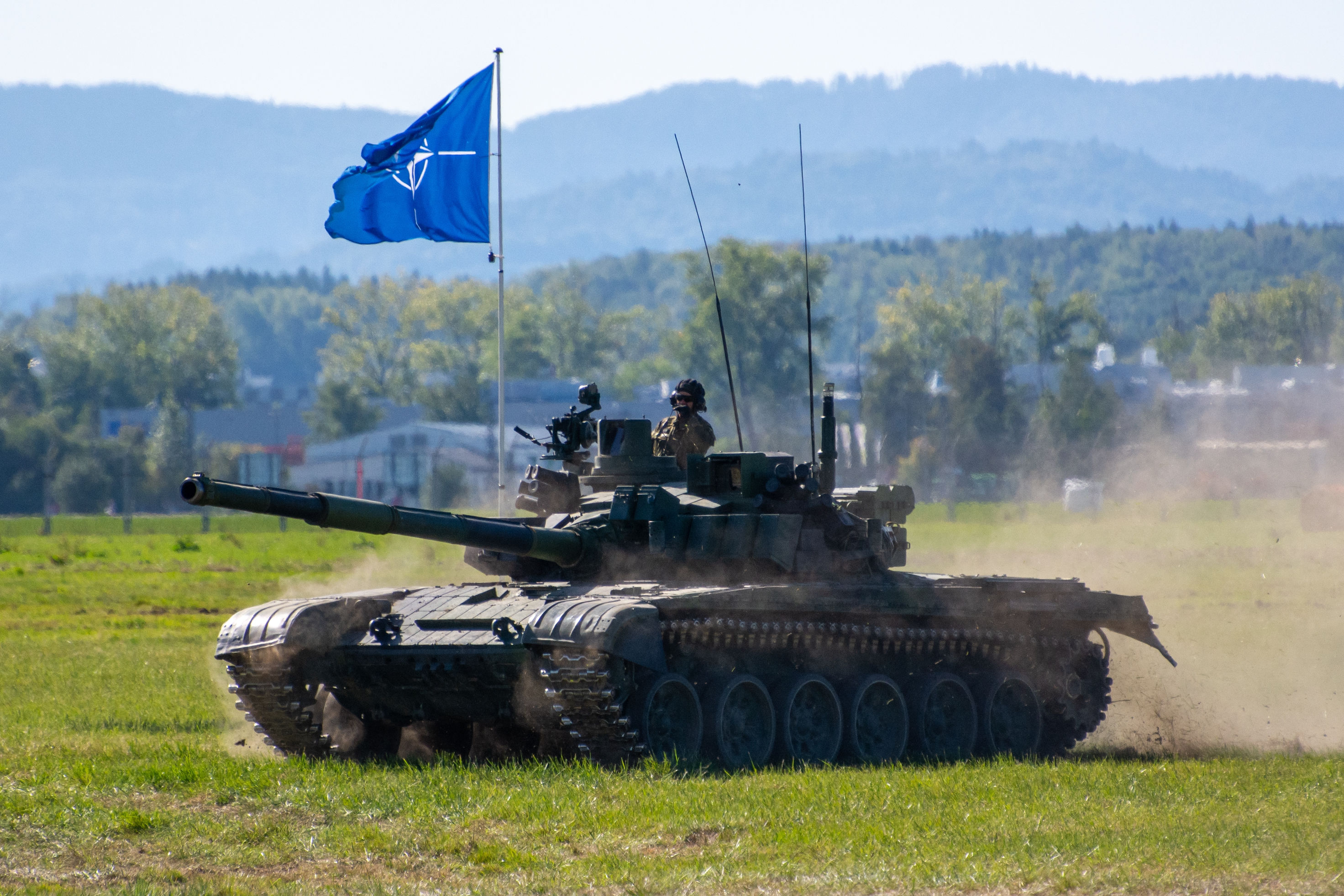
The European & Transatlantic Security Program aims to contribute to the strategic debate by developing analyses around three main axes: European defense and the security architecture of the European continent, institutional and strategic links between the Treaty Organization of North Atlantic (NATO) and the European Union (EU), as well as the evolution of the transatlantic relationship.
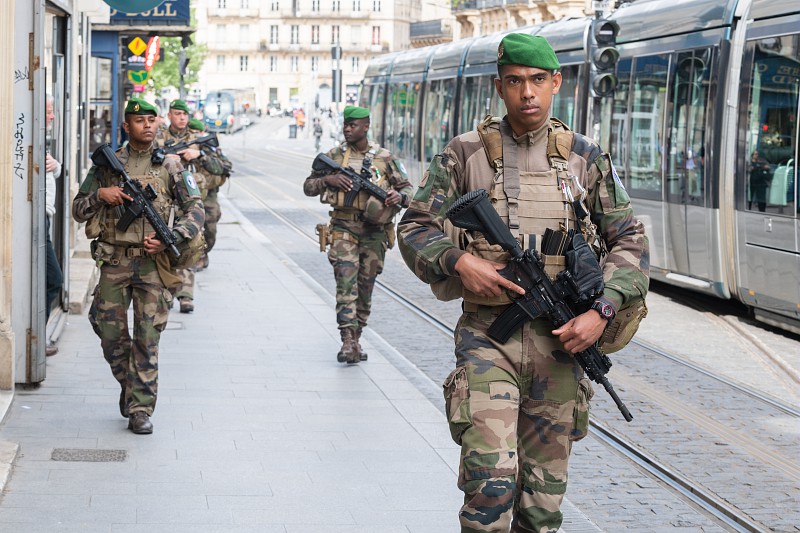
The distinction between internal and external threats is often exaggerated, as the borders are so porous. Conflicts taking place thousands of kilometers from France can have tragic resonances on national territory. Radicalization, terrorism and even organized crime have an international dimension that cannot be ignored.
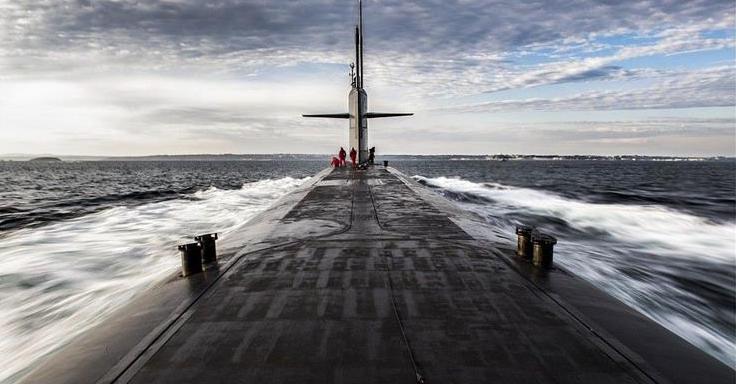
The conflicts in Europe, Asia and the Middle East demonstrate a return of nuclear power to the balance of power. Arsenals are being modernized and expanded, while arms control is collapsing. This research program aims to analyze these phenomena.
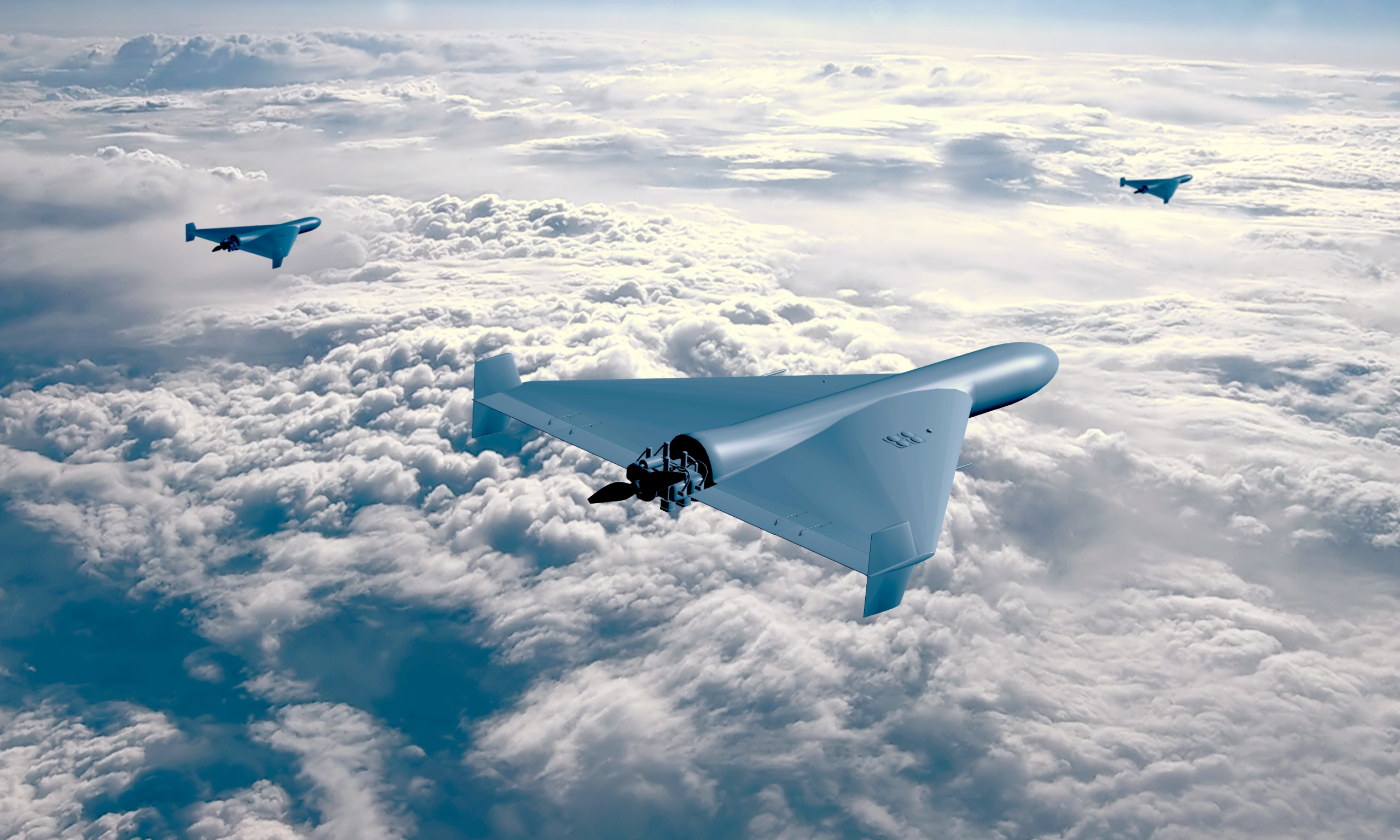
The Observatory of Future Conflicts is a research program carried out by the French Institute of International Relations and the Foundation for Strategic Research on behalf of the three army headquarters aimed at studying developments in tensions and armaments at the horizon 2040 in a transversal perspective, taking into account the issues of each army.
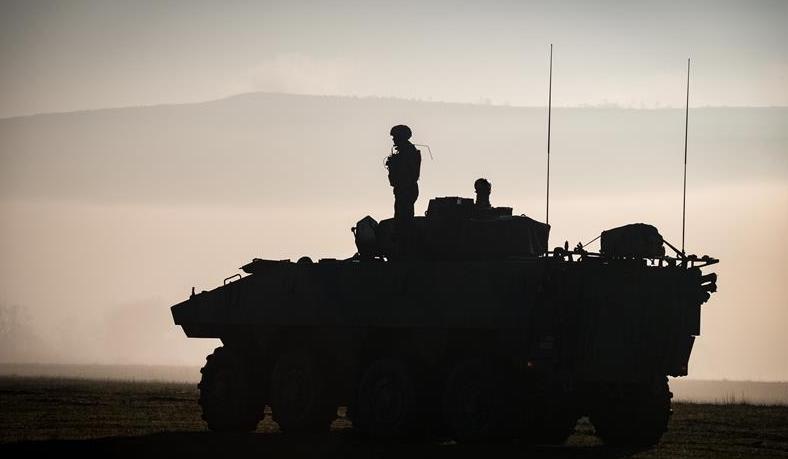
Heir to a tradition dating back to the founding of Ifri, the Security Studies Center provides public and private decision-makers as well as the general public with the keys to understanding power relations and contemporary modes of conflict as well as those to come. Through its positioning at the juncture of politics and operations, the credibility of its civil-military team and the wide distribution of its publications in French and English, the Center for Security Studies constitutes in the French landscape of think tanks a unique center of research and influence on the national and international defense debate.
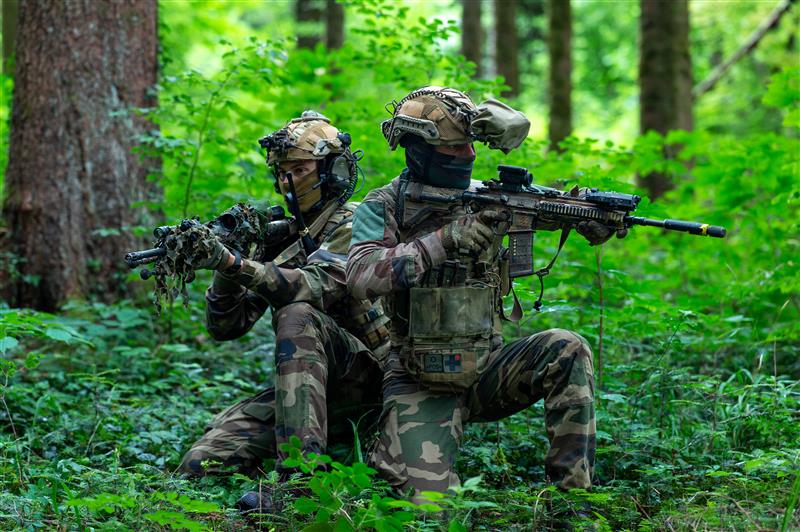
The Defense Research Unit is a program that aims at stimulating the strategic debate by dealing with subjects at the junction of the “technico-operational” and the “political-strategic”. A unique structure in France, it brings together civilian researchers and “military fellows” from each of the three armies to produce work on defense policies, the capability and strategic adaptation of armies, and foresight on tomorrow's conflicts.