




Security - Defense
As a result of global strategic competition, security and defense issues are marked by the return of major wars and nuclear deterrence, the transformation of terrorism and the race for military technologies.
Related Subjects
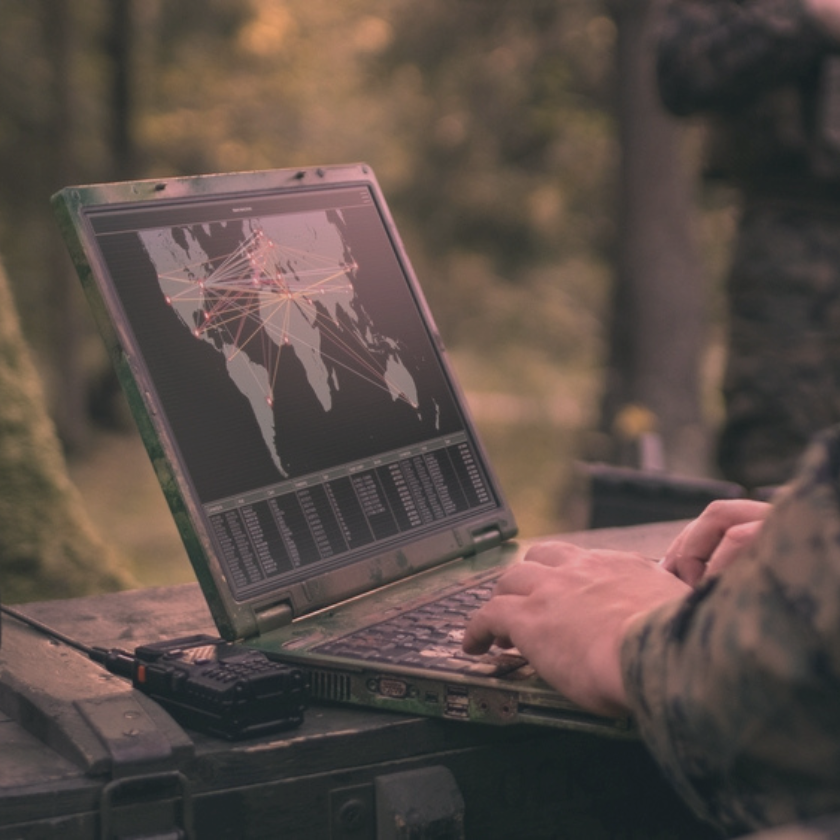
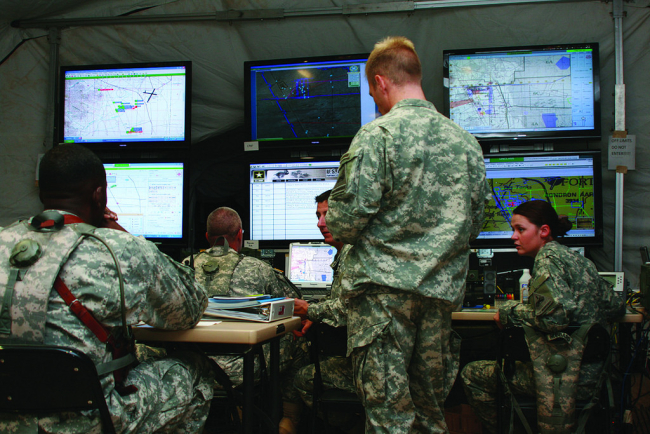
L'avenir de la surprise tactique à l'heure de la numérisation
Surprise is a crucial dimension of military tactics, which stems from incertitude inherent to war.
War and Democratic Decision Making: How do Democracies Argue and Decide Whether or Not to Intervene in Distant Wars?
What is the proper place and forum for decisions about war and peace in a democracy? There is surprisingly little consensus on this matter, not in theory and not in practice. While in Iraq, Libya and Syria, all Western actions have ended in failure, it seems necessary to analyze the place and importance of this aspect of the democratic decision making.
La Sentinelle égarée ? L’armée de Terre face au terrorisme
The 2015 terror attacks in France and the ensuing activation by the Ministry of Defense of its homeland protection plan opened a new phase in the long history of the French Army’s involvement in internal security.


In France, are soldiers outside the Eiffel Tower and the Louvre really worth it?
Sentinel represents a watershed development in French military operations. For the first time since the end of the Cold War, the number of French army soldiers actively deployed in metropolitan France roughly equals that of overseas operations. But the military establishment here is far from unified on the value of an operation often seen as a costly and superficial means of reassuring civilians and tourists at the expense of substantive improvement to national security.

NATO wrestles with internal divisions ahead of Warsaw summit
The alliance is struggling to assemble four battalions to safeguard its eastern flank from a possible Russian attack. In addition, many member states are falling short of their financial commitments to the alliance.
Retours sur Sangaris. Entre stabilisation et protection des civils
In December 2013, France launched its operation Sangaris in the Central African Republic. What conclusions can be drawn for the stabilization of the country and the protection of civilians?

The Return of Geopolitical Risk - Russia, China and the United States
The year 2014 was defined by the conflict in Ukraine, the emergence of Daesh, and tensions between China and Japan. As for 2015, it has witnessed the spread of Daesh, the conflict in Yemen, the Greek crisis, revelations about the activity of the National Security Agency (NSA), the migrant crisis, and a ramping-up of terrorist attacks.
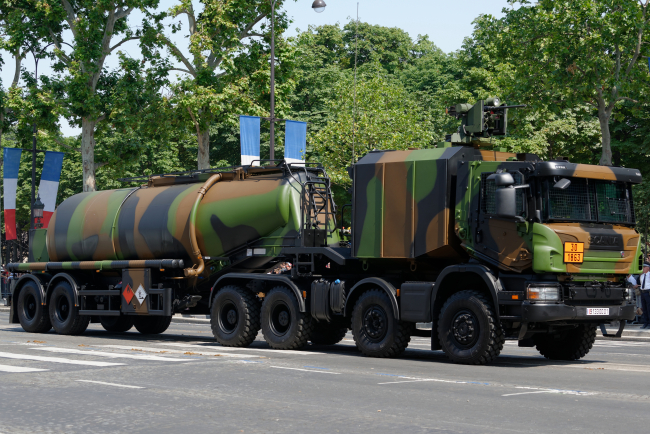
La sécurité énergétique des armées françaises. Le soutien pétrolier à l’heure de la transition
Ever since its inception on the eve of World War One, the concept of securing fuel supply has consistently proven its vitality to military operations.
Kurds against IS: An Effective Military Solution?
The Kurdish military’s recent history immediately brings to mind images of its mythical female fighters, and of its real victories against Daesh. But its successes have been primarily in Syria. In Iraq, the Kurdish military has been hindered by poor preparation, lack of effective weaponry, and various political and tactical disagreements between actors. Without support from the West, Kurdish forces will not be able to win the on-ground offensive.
Cooperation Despite Frictions in Northeast Asia
Cooperation Despite Frictions in Northeast Asia
Cooperation Despite Frictions in Northeast Asia
Despite the political tensions that oppose Japan, China and South Korea, recent months have seen a certain rapprochement between Tokyo, Seoul and Beijing. The first trilateral summit in three years was held in November 2015.
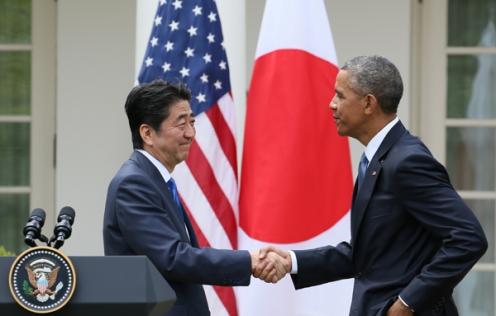
Japan and its Alliance with the US. Structure, Dynamics, Evolution to 2030
China’s rise, US rebalancing in Asia, historic defense reforms in Japan, the adoption of new Guidelines for bilateral cooperation: the Japan-US alliance has reached a turning point in its history.
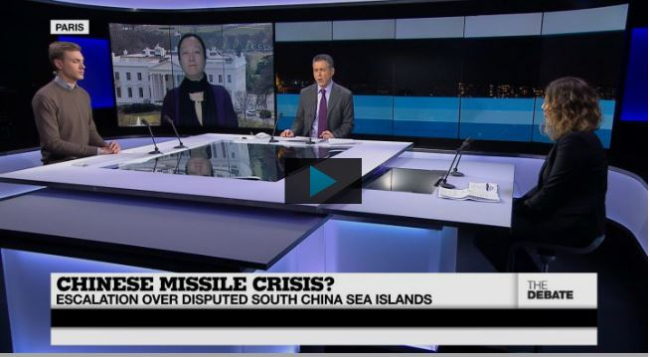
Chinese missile crisis? Escalation over disputed China Sea islands
Reports have emerged that China has set up a missile launch base on Woody Island, part of an archipelago disputed with Taiwan and Vietnam. This comes just as the US President was wrapping up an ASEAN summit to strengthen ties after the recent Trans-Pacific Partnership trade deal. How will this shape policy not only among Washington's traditional allies in the region but also in countries like Vietnam? Once again, a war-weary US is being called upon and has to look at the broader picture.
Forces terrestres et réassurance : Quelles options pour l'Alliance ?
Born into the Cold War, the very notion of ‘reassurance’ was revived in the wake of the 2014 Ukraine crisis as NATO had to label the measures destined to reassert the lasting relevance of collective defense towards its member states.
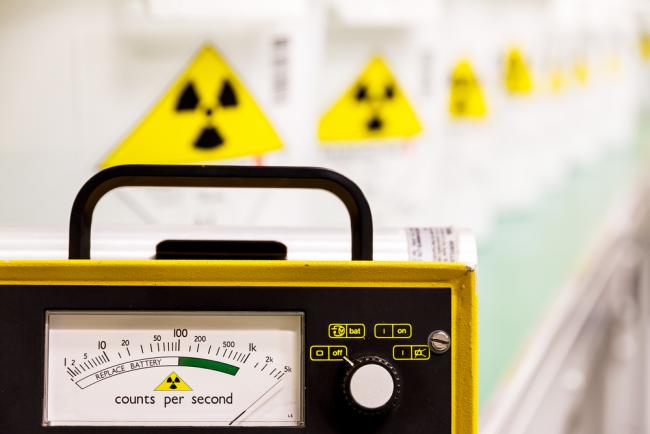
The Challenges of Maintaining Nuclear Cultures : US and UK perspectives
After the world entered the nuclear age, civilian and military organizations have witnessed the slow emergence of nuclear cultures, defined as the set of values and knowledge, shared among the national security community, about the relative importance of nuclear weapons in the country’s defense posture, the distinctive features of nuclear weapons in terms of security, safety and operational requirements, and the workings of deterrence.

China quiere aumentar su protagonismo en Oriente Próximo
Después de haber rehuido durante años implicarse en una región que considera un avispero, China quiere finalmente mostrarse como un participante más activo en Oriente Medio. La visita que el presidente chino, Xi Jinping, comienza este martes a Arabia Saudí, Irán y Egipto señala la creciente importancia que Pekín concede a la zona, tanto desde el punto de vista económico como de seguridad, y representa un paso más en su estrategia para presentarse como una alternativa al modelo estadounidense de potencia mundial.
La prueba nuclear norcoreana refuerza el papel de EE UU en Asia
Corea del Norte ha tratado esta semana de aumentar la presión para ser reconocida como una potencia nuclear con la prueba del pasado miércoles en la que aseguraba que empleó una bomba de hidrógeno. Y ha introducido un nuevo elemento en el gran juego de alianzas estratégicas y comerciales que Estados Unidos y China disputan en el siglo XXI en Asia, un tablero de ajedrez que representa el 38,8% del PIB mundial. La prueba nuclear ha dejado en evidencia la falta de control de Pekín sobre Pyongyang y ha reforzado el papel de Washington como garante de la seguridad en la región.
Hybrid Warfare in the Strategic Spectrum: an Historical Assessment
"Hybrid Warfare" is a fashionable concept, but in order fo it to be really relevant, it has to be visualized within the whole strategic spectrum.
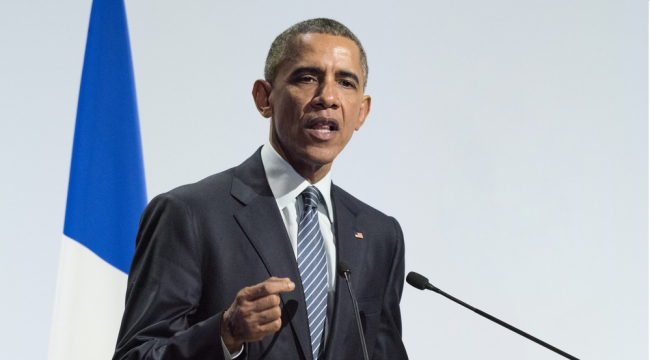
Après Paris et San Bernardino, le terrorisme dans le débat américain
Both the Paris attacks and the San Bernardino shooting reopened the wound of terrorism in the United States. Although President Obama has not shifted his stance or his strategy on the issue, public opinion is worried and populist rhetoric is ever more present in the campaign for the 2016 election.
Caveats to Civilian Aid Programs in Counterinsurgency: The French Experience in Afghanistan
Amaury de Féligonde has just spent one year in Kapisa and Surobi as a project manager within the Afghan-Pakistan Interministerial Unit. Back in France, he expresses his personal views and draws conclusions from his experience.
France's Return into NATO: French Military Culture and Strategic Identity in Question
More than 40 years after the unilateral decision by General de Gaulle to withdraw French forces from NATO's integrated military command, President Sarkozy decided that France would reintegrate the Atlantic Alliance’s military structure, based on "full and complete participation". The decision was endorsed by Parliament and has generated little debate in France, while a majority of French people appear to approve of it.
Evolution of the Australia-Japan Security Partnership: Toward a Softer Triangle Alliance with the United States?
This paper examines how and why the Australia-Japan defense and security partnership has evolved, what policy implications this new partnership has for the U.S.-Japan alliance system, and what constraints the further advancement of trilateral security cooperation faces.
Potential Strategic Consequences of the Nuclear Energy Revival
Renewed interest throughout the globe in harnessing nuclear energy has raised concern about security threats from states and non-state actors while holding out the promise of more electricity for more people.
Chinese Perceptions of the Utility of Nuclear Weapons: Prospects and Potential Problems in Disarmament
This paper takes a careful look at China's perceptions of the role of nuclear weapons in its national security policy and defense posture.
North Korea's Nuclear Weapons Development: Implications for Future Policy
Despite the resumption of high-level diplomatic contact between Washington and Pyongyang in late 2009, realization of a non-nuclear Korean Peninsula remains a very remote prospect, with the DPRK insisting that a peace agreement between the U.S. and North Korea and hence the cessation of "hostile DPRK-U.S. relations" are necessary before any consideration of denuclearization.
In Search of the Nuclear Taboo: Past, Present, and Future
One of the most puzzling - if positive - phenomena of the past half century is the non-use of nuclear weapons.
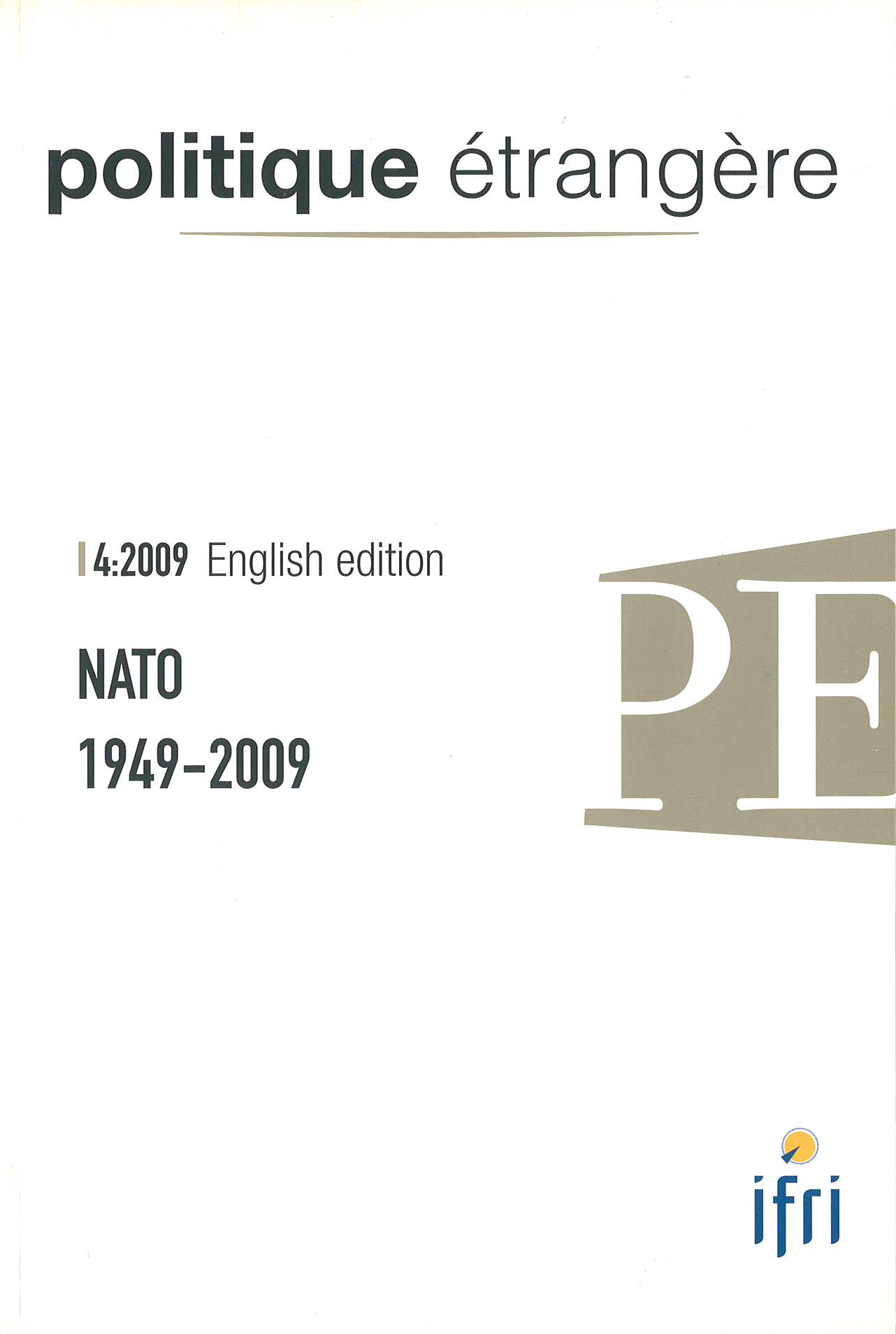
NATO 1949-2009
A little more than 60 years after its creation, questions about the future of the Alliance emerge at the intersection of three observations. First, the complexity of the world, which makes the Alliance ‘inevitable,' since it is a rare source of stability and solidarity in a world marked by uncertainty. Second, American doubt. If the United States was the global policeman for some simple minds at the start of the 1990s, others see the US as having used up its power in the adventurism of the Bush Administration. The future will wipe out these two caricatures. For members of the Alliance, the US will long continue to be a necessary friend, whose power and possible abandonment are feared. The third observation is, obviously, Europe's incurable ethnocentricity: if Europeans knew how to look at the world and their place in it, they would rapidly give up their mediocre powerlessness. History is moving on elsewhere and raises questions on its chaotic path to which others are replying more quickly. In the years ahead, therefore, the Alliance may lorge ahead without Europe or nearly without it, despite the fact that Europeans' specific know-how could be useful.
Dangerous Weapons in Dangerous Hands: Responding to the Challenges of Chemical and Biological Terrorism
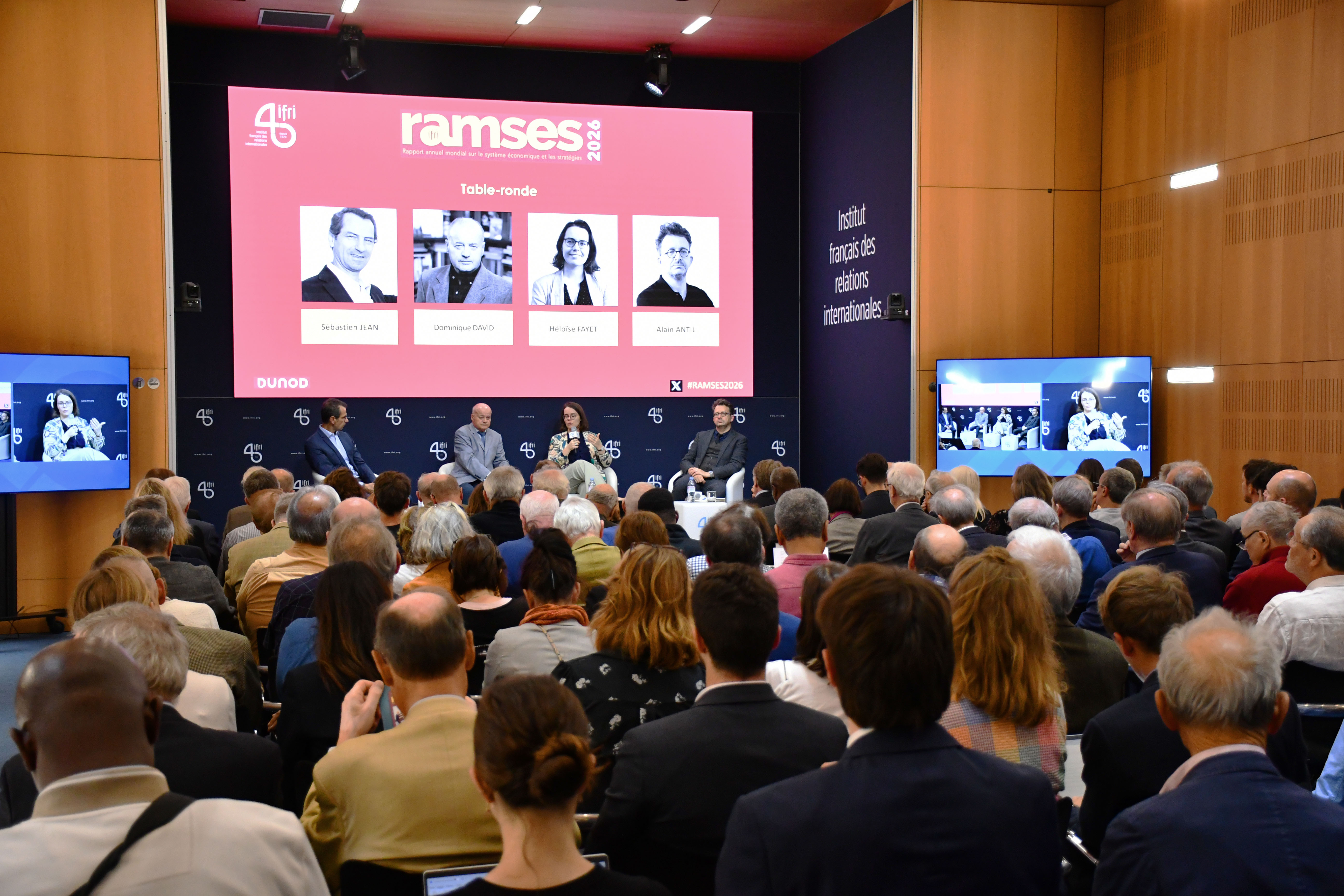
Ifri, a foundation recognized as being of public utility, relies largely on private donors – companies and individuals – to guarantee its sustainability and intellectual independence. Through their funding, donors help maintain the Institute's position among the world's leading think tanks. By benefiting from an internationally recognized network and expertise, donors refine their understanding of geopolitical risk and its consequences on global politics and the economy. In 2026, Ifri partners with over 90 French and international companies and organizations.
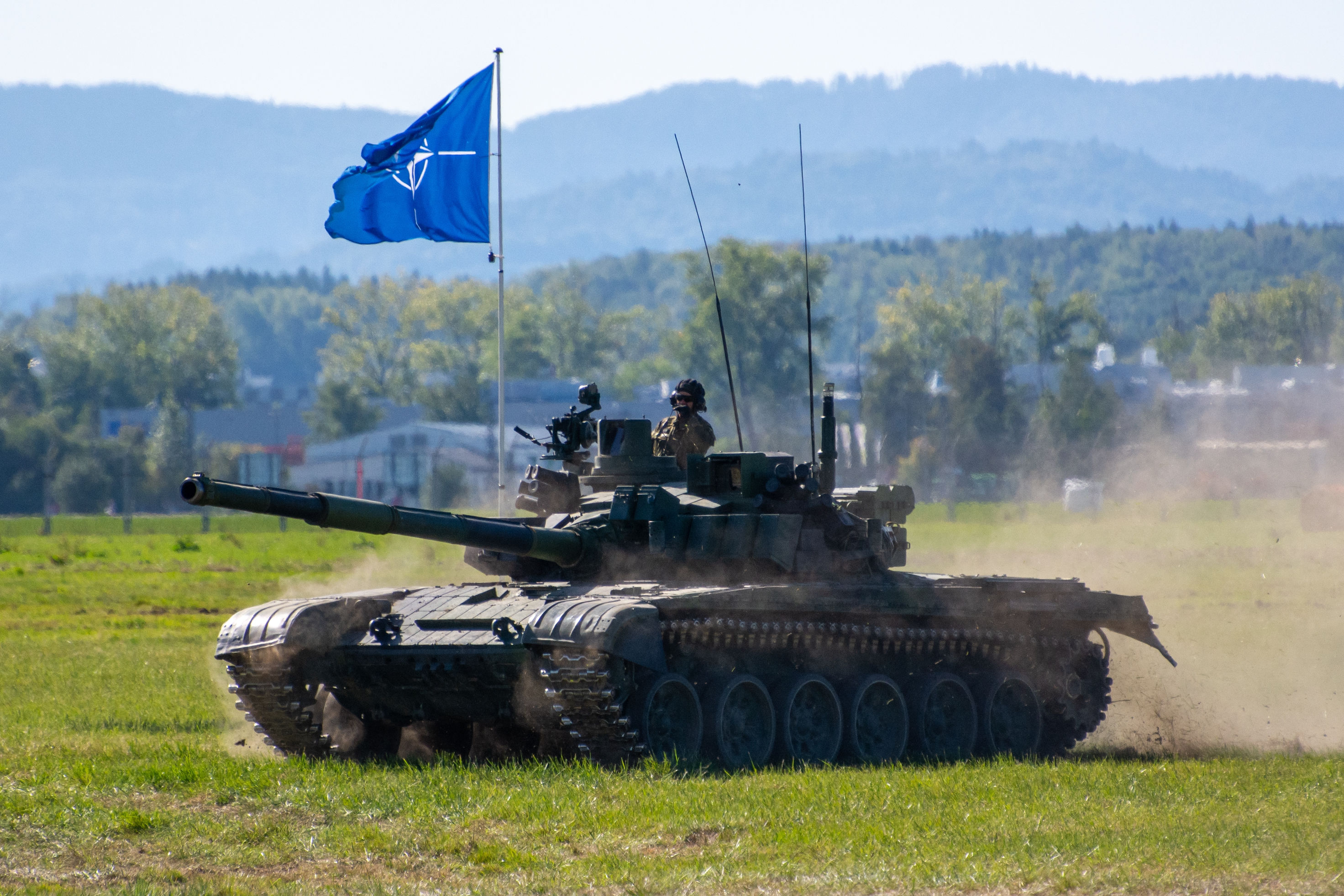
The European & Transatlantic Security Program aims to contribute to the strategic debate by developing analyses around three main axes: European defense and the security architecture of the European continent, institutional and strategic links between the Treaty Organization of North Atlantic (NATO) and the European Union (EU), as well as the evolution of the transatlantic relationship.
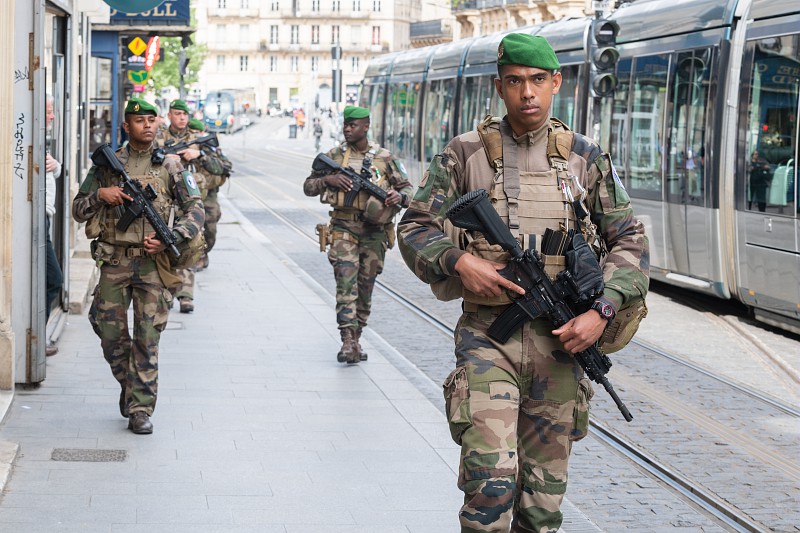
The distinction between internal and external threats is often exaggerated, as the borders are so porous. Conflicts taking place thousands of kilometers from France can have tragic resonances on national territory. Radicalization, terrorism and even organized crime have an international dimension that cannot be ignored.
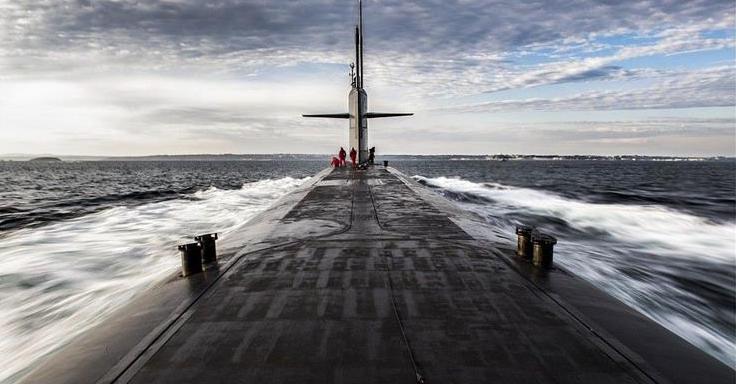
The conflicts in Europe, Asia and the Middle East demonstrate a return of nuclear power to the balance of power. Arsenals are being modernized and expanded, while arms control is collapsing. This research program aims to analyze these phenomena.
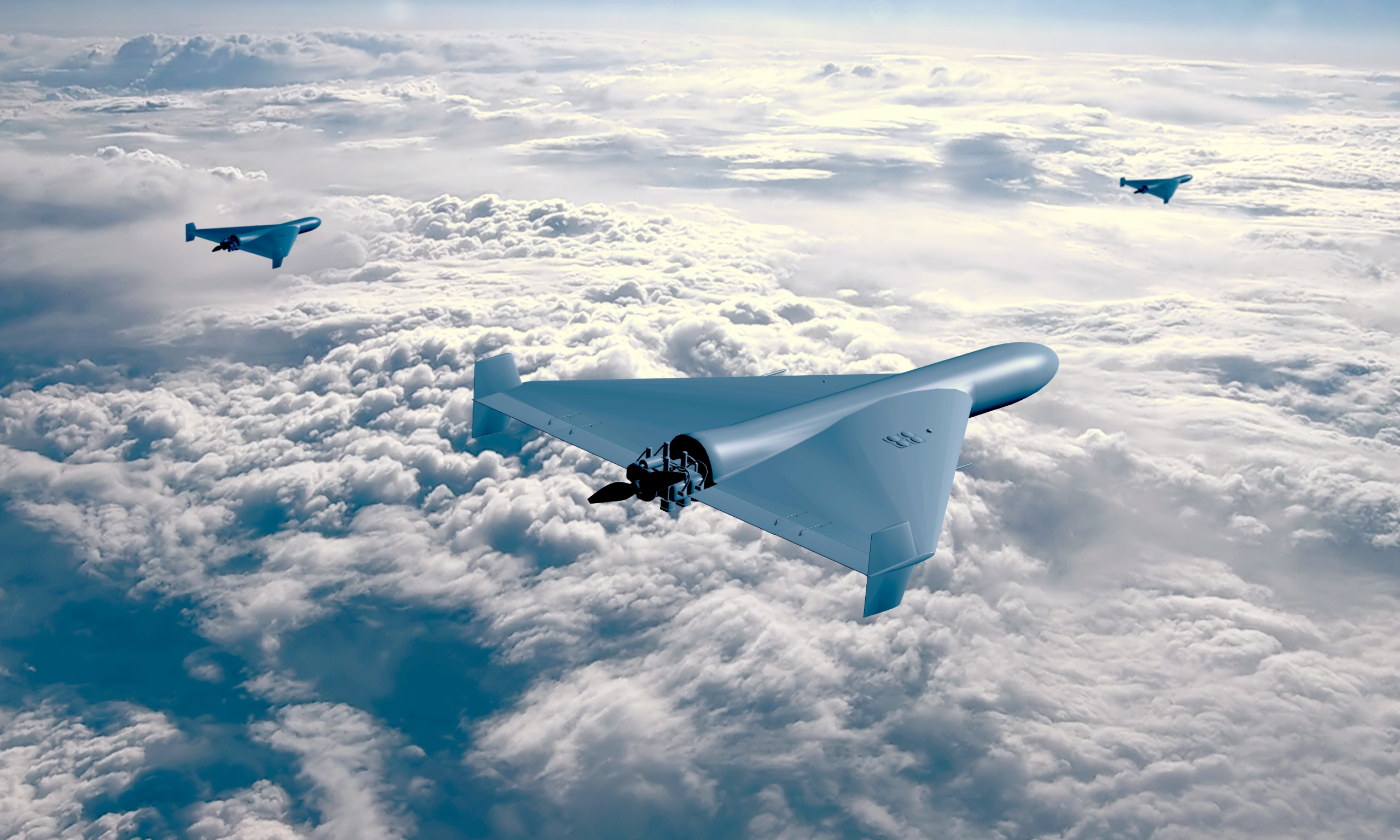
The Observatory of Future Conflicts is a research program carried out by the French Institute of International Relations and the Foundation for Strategic Research on behalf of the three army headquarters aimed at studying developments in tensions and armaments at the horizon 2040 in a transversal perspective, taking into account the issues of each army.
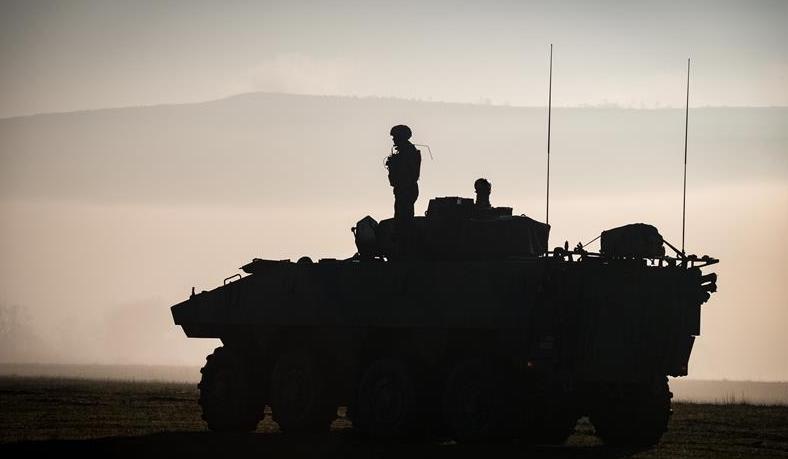
Heir to a tradition dating back to the founding of Ifri, the Security Studies Center provides public and private decision-makers as well as the general public with the keys to understanding power relations and contemporary modes of conflict as well as those to come. Through its positioning at the juncture of politics and operations, the credibility of its civil-military team and the wide distribution of its publications in French and English, the Center for Security Studies constitutes in the French landscape of think tanks a unique center of research and influence on the national and international defense debate.
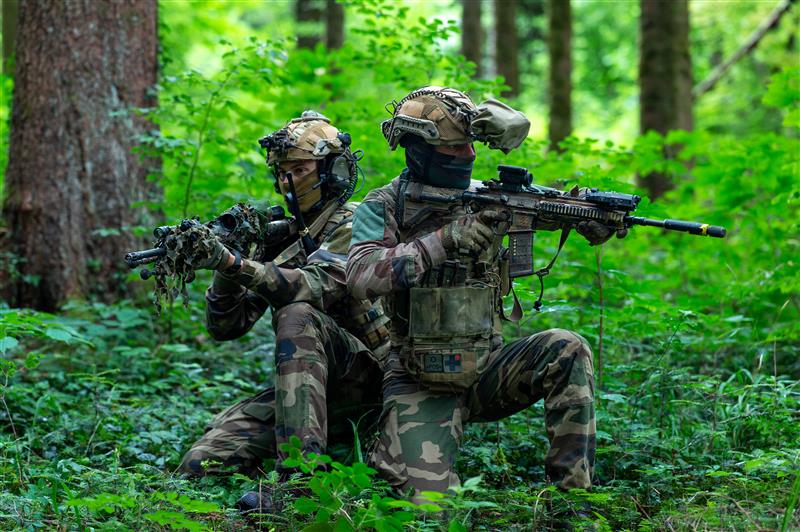
The Defense Research Unit is a program that aims at stimulating the strategic debate by dealing with subjects at the junction of the “technico-operational” and the “political-strategic”. A unique structure in France, it brings together civilian researchers and “military fellows” from each of the three armies to produce work on defense policies, the capability and strategic adaptation of armies, and foresight on tomorrow's conflicts.