

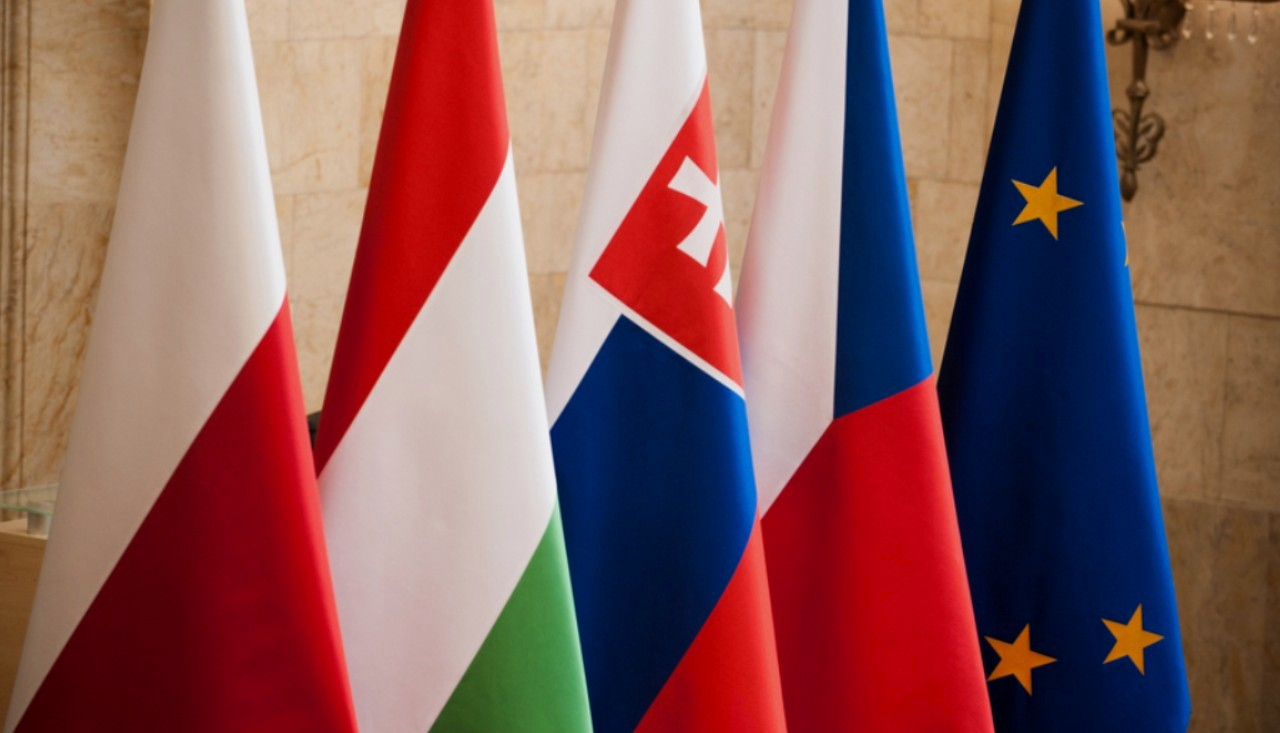
A New Moment for Central Europe?
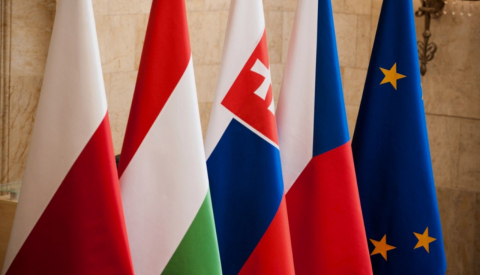
Recent political developments in Central Europe have revived the debate about the future of regional cooperation and the Visegrád Group. Changes in Hungary, Poland, the Czech Republic and Slovakia, together with Austria’s growing interest in closer cooperation with its neighbours, could create new opportunities for dialogue and coordination around shared priorities.
Titre bloc à la une
Highlights
See all our analyses
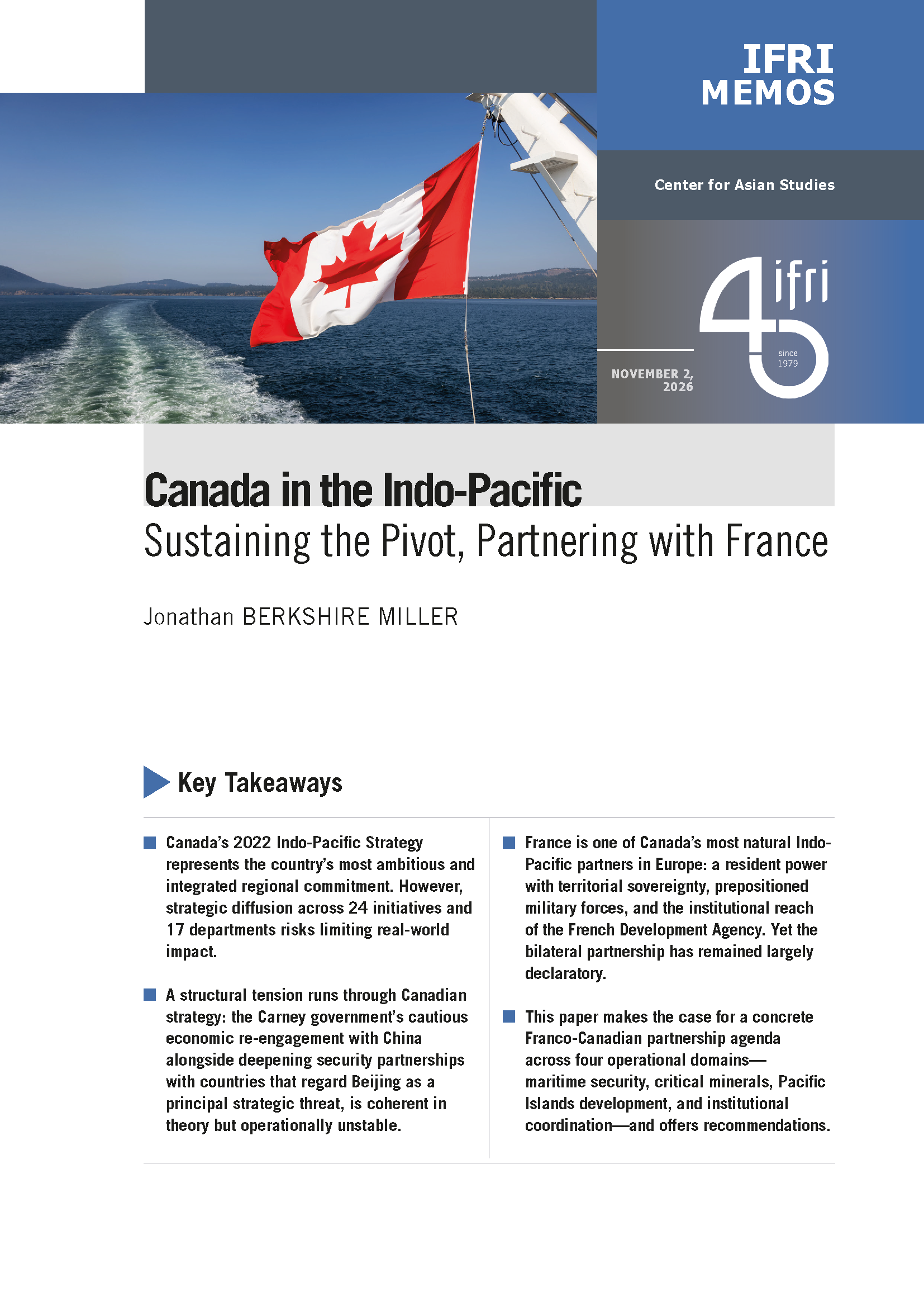
Canada in the Indo-Pacific: Sustaining the Pivot, Partnering with France
Since the launch of Canada’s inaugural Indo-Pacific Strategy (IPS) in November 2022, Ottawa has moved—with notable but uneven momentum—from the margins of regional engagement to a position of growing strategic visibility. The Strategy, backed by an initial $2.3 billion five-year investment, reflects a long-overdue recognition: Canada is a Pacific nation whose prosperity and security are inextricably linked to the stability of the world’s most economically and strategically consequential region.

Solar Radiation Management: A Climate Tool with Geopolitical Implications
The Paris Agreement (2015) aims to keep global warming below 2 °C, preferably 1.5 °C, above pre-industrial levels. Mitigation (reducing greenhouse gas emissions) remains the core tool for reaching net carbon neutrality by mid-century. However, a temperature overshoot is anticipated. The United Nations Environment Programme (UNEP) forecasts that the 1.5 °C threshold will be exceeded in the coming years, with warming potentially peaking between 2.2 °C and 3.6 °C this century. Against this backdrop, three trends characterize the climate policy debate.
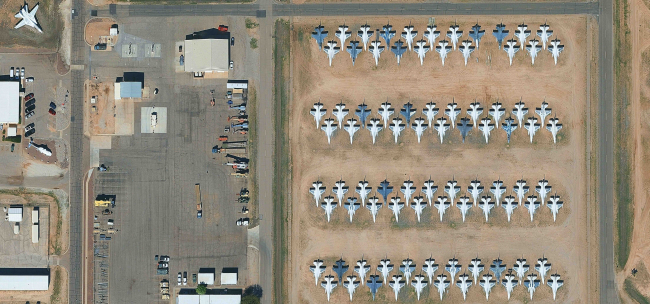
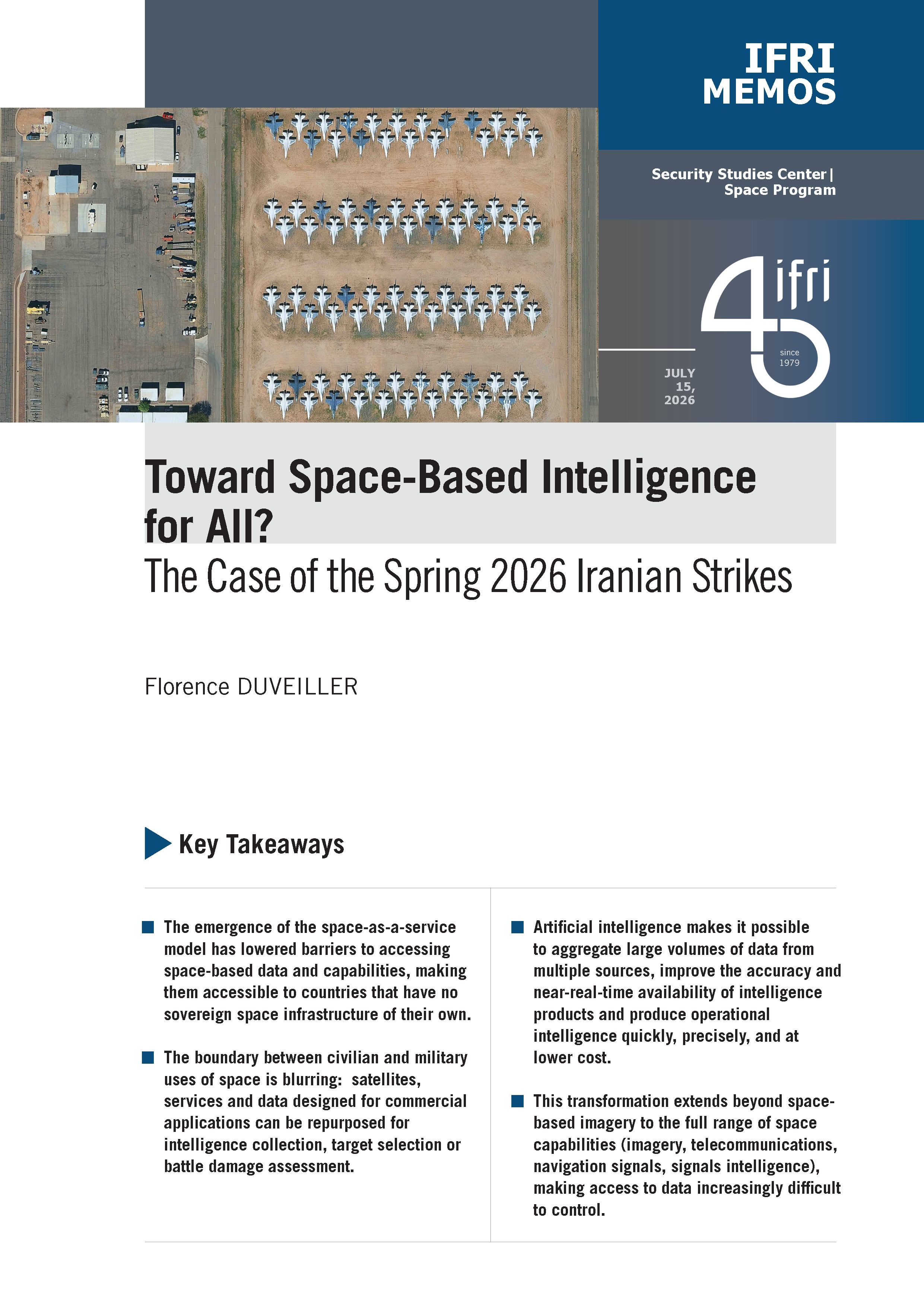
Toward Space-Based Intelligence for All? The Case of the Spring 2026 Iranian Strikes
The conflict in the Middle East has highlighted the effectiveness of Iranian strikes in identifying targets and conducting precision strikes. This raises the question: which capabilities enabled the Islamic Revolutionary Guard Corps (IRGC) to achieve these results?
The Architecture of Money: A European Strategy for Tokenized Finance
This report examines how tokenization may reshape European financial sovereignty. Tokenization does more than digitize existing assets: it makes it possible to separate and recombine dimensions of monetary systems once considered inseparable. This creates new opportunities for financial integration but may also yield new forms of infrastructural and monetary dependence

Pakistan and the Israel-Palestine Conflict: Transformation in Pakistan’s Approach After the War in Gaza
Pakistan has long combined vocal support for the Palestinian cause with covert engagement with Israel. Since the war in Gaza, this balance has become untenable: public opinion is united against Israel, joining Trump’s Board of Peace has drawn rare cross-party criticism, and new regional alignments put normalization out of reach.
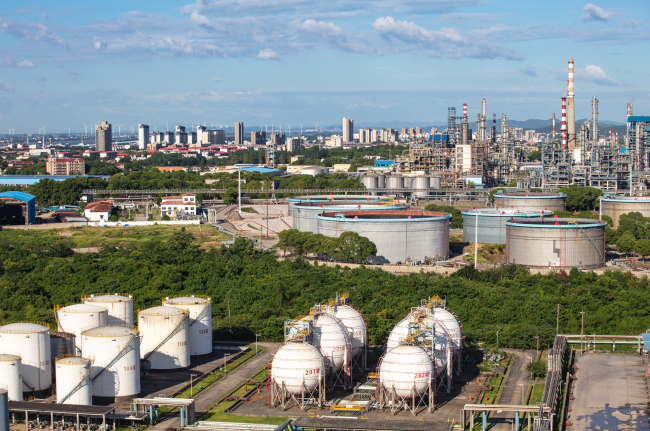
China’s Hydrogen Economy Five Years On
China’s hydrogen sector is not new. It is the world’s largest industrial hydrogen system, rooted in ammonia, methanol, refining, coal chemicals and by-product gas streams.

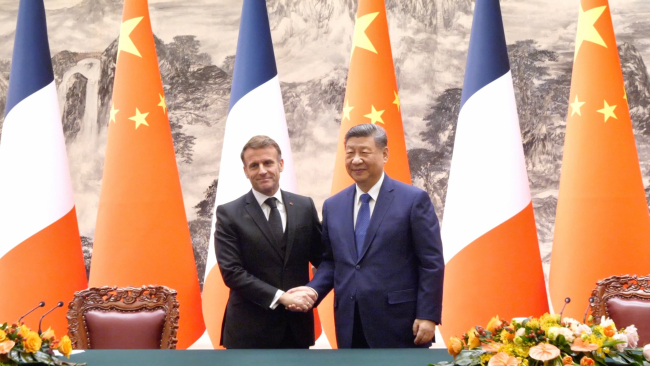
Could Europe’s cost-of-living protests sharpen EU-China trade tensions?
Unrest over economic hardship could strengthen calls to protect industry and jobs, though direct impact on trade talks is uncertain.

French nuclear deterrence: modernisation, forward presence and support for Poland
France is entering one of the most important phases of modernising its nuclear deterrent since the end of the Cold War. Over the next decade, a significant part of the systems that make up the Force de dissuasion will be replaced, while Paris is simultaneously trying to strengthen the European dimension of its doctrine through the concept of forward deterrence. For Poland, two questions are particularly important: will this initiative survive the presidential transition in 2027, and can Poland’s security become permanently connected to the French understanding of “vital interests”?
Titre mis en avant
Relive the 2026 World Policy Conference
From April 24 to 26, 2026, in Chantilly, the World Policy Conference brought together political leaders, business decision-makers, researchers, and journalists from all five continents to discuss the major global challenges.
→ Access the full video replays of the sessions and discover the highlights of this unique event, founded and chaired by Thierry de Montbrial.


Understand today's world to better shape it tomorrow

For more than 45 years, Ifri has placed international relations at the center of discussions for the benefit of the general interest.
Ifri, a foundation recognized as being of public utility, relies largely on private donors – companies and individuals – to guarantee its sustainability and intellectual independence. Through their funding, donors help maintain the Institute's position among the world's leading think tanks. By benefiting from an internationally recognized network and expertise, donors refine their understanding of geopolitical risk and its consequences on global politics and the economy. In 2026, Ifri partners with over 90 French and international companies and organizations.
Titre
Watch and listen
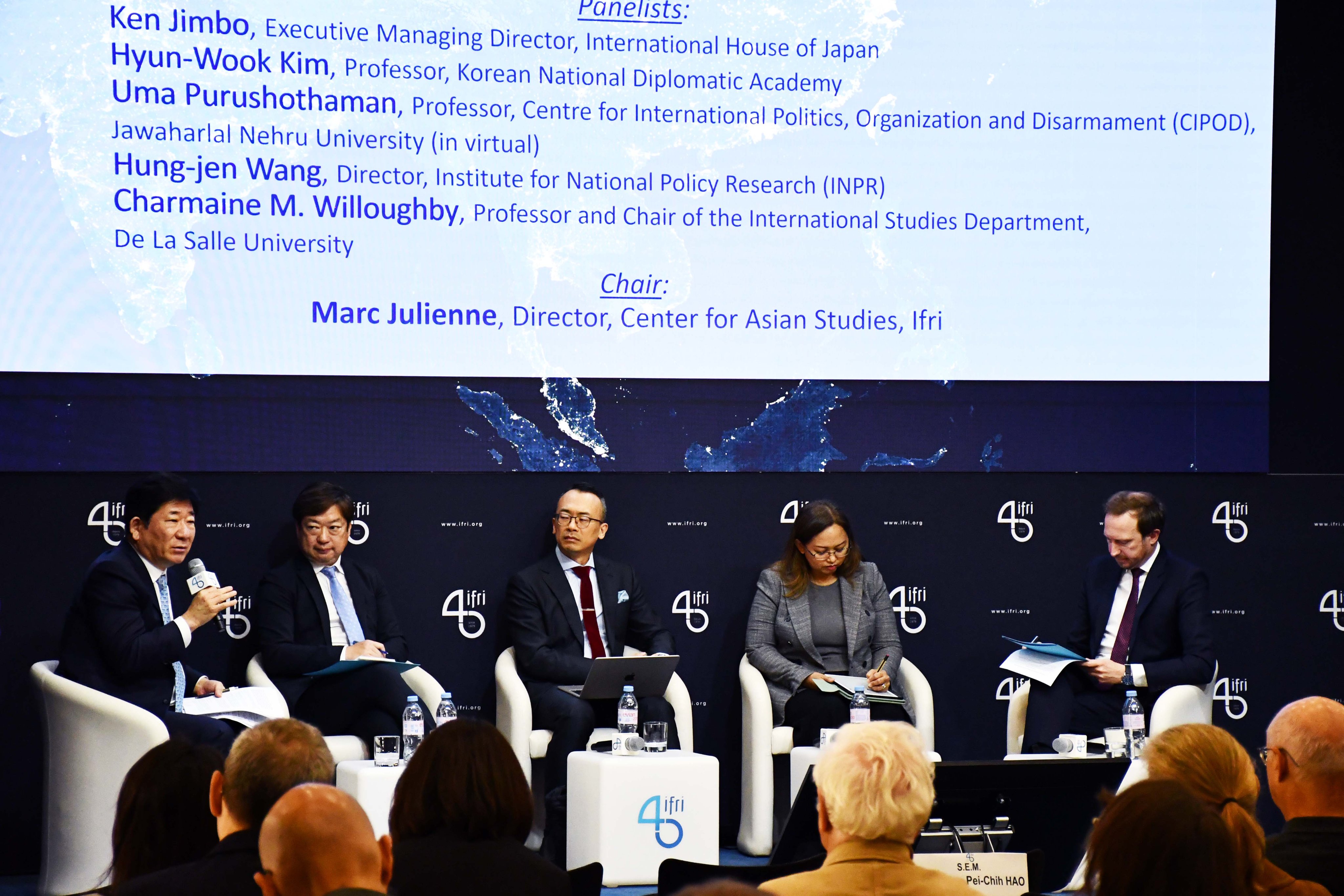
Replay - Navigating Uncertainty: Asian Powers amid US-China Competition
On 14 October 2026, Ifri’s Center for Asian Studies brought together experts from Taiwan, South Korea, Japan, the Philippines and India to discuss how Asian countries are adapting to the competition between Washington and


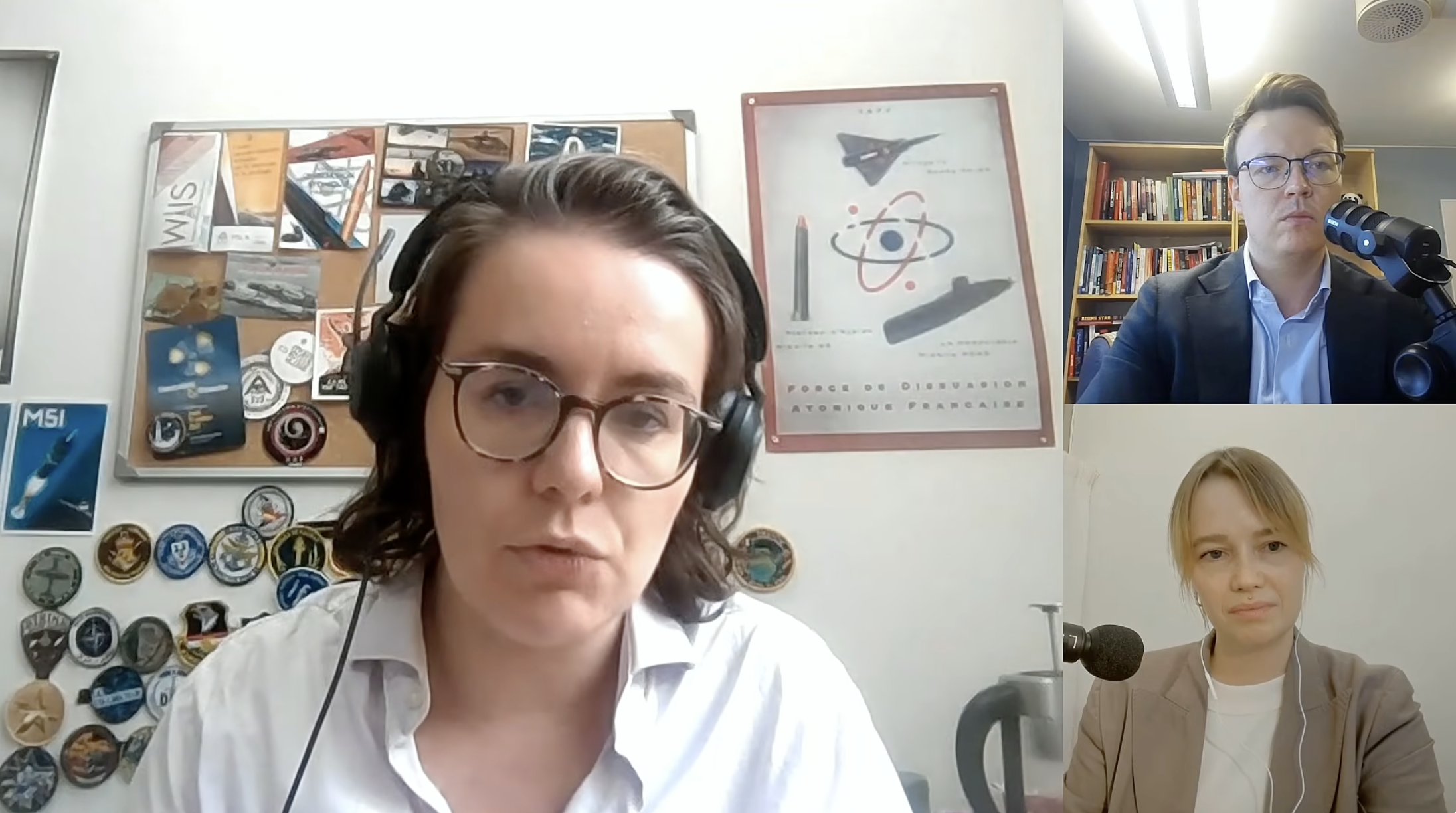
Nuclear Weapons and AI: How Bad Is It?
In this episode, Minna and Fabian are joined by Héloïse Fayet, Senior Research Fellow and Head of the Deterrence and Proliferation program at the French Institute for International Affairs (Ifri) to discuss the impact of AI on nuclear weapons and how social media impact nuclear signalling.

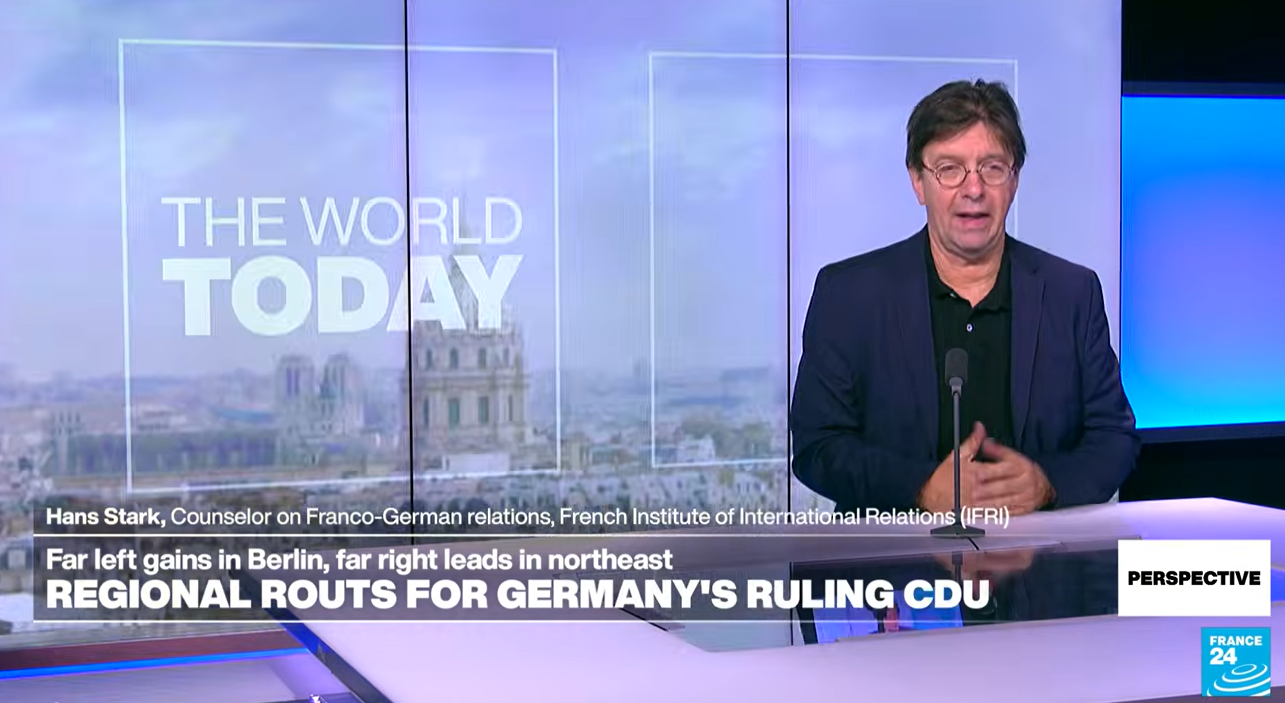
'Merz is in a very, very fragile situation'
The far right AfD claims it has become Germany’s new “people’s party”. The statement comes after AfD claimed its second regional election win in as many weeks, ramping up pressure on the poorly performing CDU and Chancellor Friedrich Merz.


Replay - Geopolitical Stakes of the New Moon Race
As the United States, China, and India solidify their lunar ambitions, Europe is still seeking to define its stance: should it be a reliable partner or an autonomous strategic player?
Titre
Highlights
Titre container
Latest publications
Titre en savoir plus
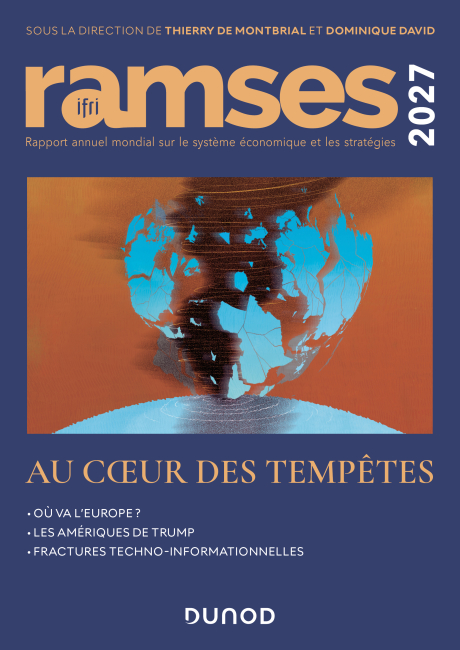
Ramses 2027
"Au cœur des tempêtes"
Ramses 2027
"Au cœur des tempêtes"
Every year, Ramses provides the essential keys and benchmarks to decipher developments in the world. Ramses 2027, Dunod/Ifri, September 2026
Titre en savoir plus
Politique étrangère
Politique étrangère
The journal of debates and analyses on major international issues.