





Informations pratiques
Centres et programmes liés
Ceci est un événement réservé.
En savoir plus sur nos programmes de soutienSeminar with Jiang Shixue, Vice President of the Chinese Association of Latin American Studies and Research Director at the Chinese Academy of Social Sciences (CASS), and R. Evan Ellis, Assistant Professor, Center for Hemispheric Defence Studies, NDU, Washington DC. Chair: Françoise Nicolas, Director, Ifri Center for Asian Studies.
China"s interest in Latin America has grown considerably in recent years. Two-way trade has increased by nearly fifteen-fold in the past decade - from $12.6 billion in 2000 to $183 billion in 2010 - while people-to-people exchanges intensify and high-level visits become more frequent and substantial. These expanding relations are often trumpeted on both sides of the Pacific as an opportunity for win-win development and south-south cooperation. Yet creeping suspicions about the real intentions and ultimate impact of China"s growing presence in the region are becoming more salient. Some analysts in Latin America interpret China"s actions as a simple play on the region"s natural resources, while others view a larger geopolitical struggle for influence with the United States.
Autres événements
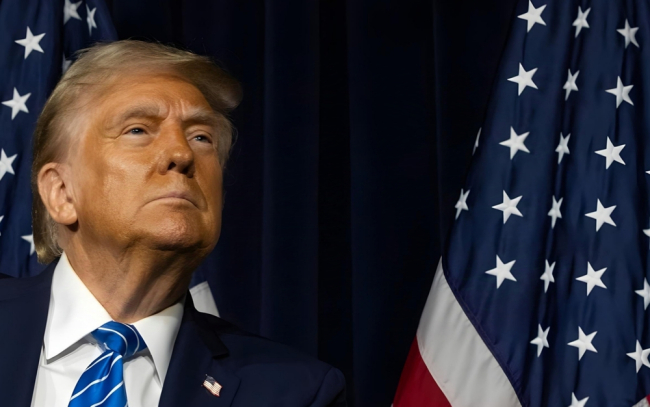
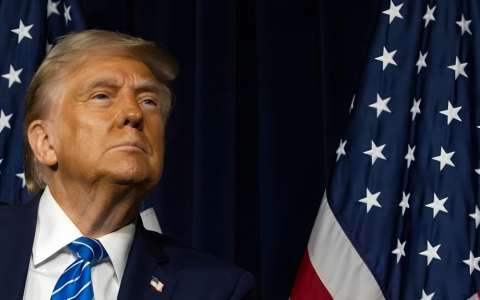
À un mois des midterms, où va l’Amérique de Donald Trump ?
La 24e édition de la Conférence annuelle du programme Amériques de l'Ifri analysera les dynamiques à l’œuvre aux États-Unis et leurs conséquences pour l'Europe et la relation transatlantique.
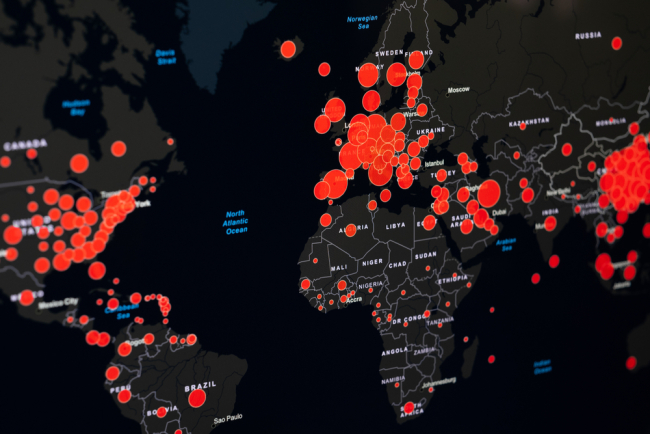
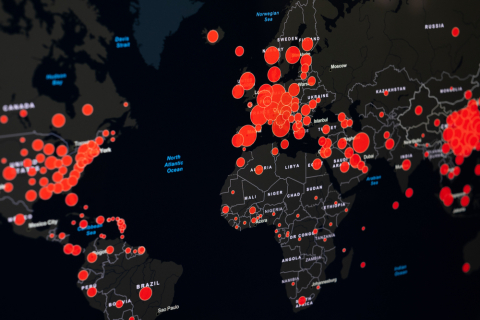
Pandémies et maladies infectieuses : que peut la communauté internationale ?
Tandis que les tensions internationales s’aiguisent et que le monde risque de se fracturer en blocs géopolitiques, pandémies et maladies infectieuses continuent de se développer. Des facteurs comme la multiplication des guerres ou le dérèglement climatique ne font qu’aggraver la situation.
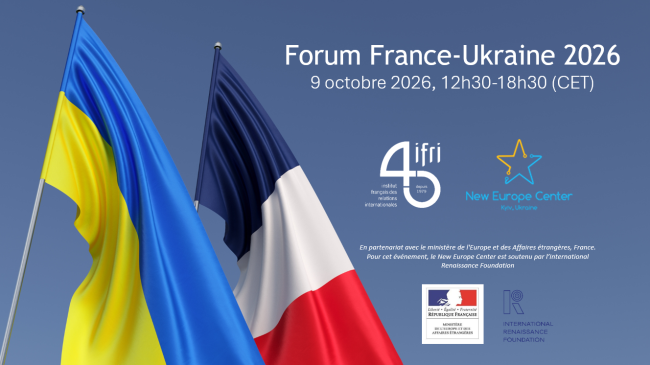
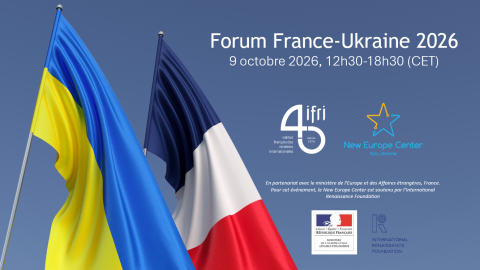
Forum France-Ukraine 2026
Plus de quatre ans et demi après le début de la guerre à grande échelle déclenchée par la Russie contre l’Ukraine, le Forum France-Ukraine 2026 accueillera des responsables politiques, des experts, des universitaires et des représentants de la société civile des deux pays pour échanger autour de trois sujets principaux : les formats et conditions d'un règlement diplomatique durable ; l'intégration euro-atlantique de l'Ukraine, entre processus d'adhésion à l'UE et rapprochement avec l'OTAN ; et les transformations sociétales de l'Ukraine d'après-guerre ainsi que ses perspectives de reco