


Enjeux de l'intégration européenne du Kosovo : coopération régionale et relations de voisinage

Informations pratiques
Ceci est un événement réservé.
En savoir plus sur nos programmes de soutienOn April, 1st 2016, the Stability and Association Agreement between Kosovo and the European Union entered into force, marking a major step towards Kosovo’s political and economic convergence and candidate status. This agreement is the first contractual link between Kosovo and the Union, although it still leaves the question of the non-recognition of the country by five Member States unresolved.
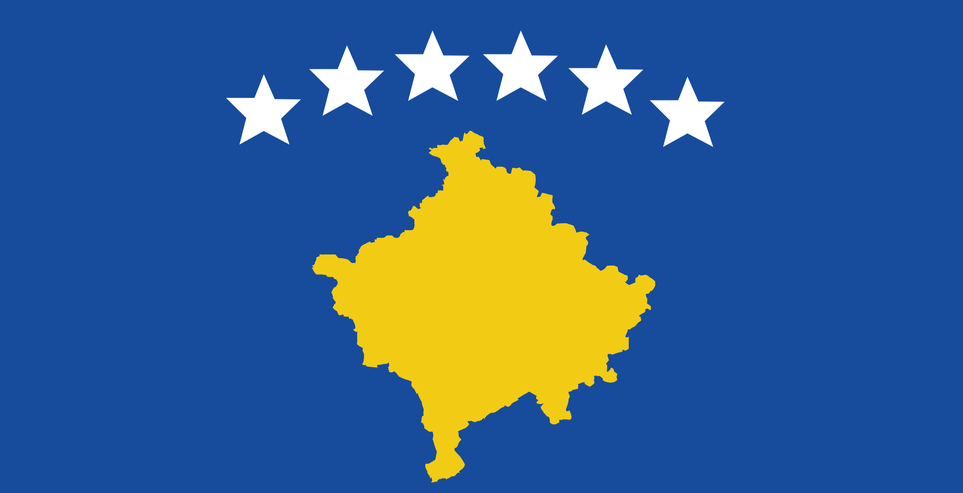
In addition to necessary political and economic reforms in public administration, the rule of law, human rights and the protection of minorities as well as free trade, the European integration of Kosovo implies an emphasis on regional cooperation and good neighbourly relations. This emphasis in the EU’s approach to Kosovo is supported by all Member States.
Particularly important is the normalisation of the relations between Pristina and Belgrade. The negotiations have been supported by the EU through the facilitation of its High Representative, presently Federica Mogherini. This facilitation process has yielded several positive results. A milestone is the Brussels agreement of 2013, which provides keys in the local governance structure of Kosovo, as well as other agreements on integrated border management, the protection of religious and cultural sites. These paved the way for opening of EU accession negotiations with Serbia and the conclusion of a Stability and Association Agreement for Kosovo. However, not all agreed points have been fully implemented so far, most notably with regards to the creation of the Association/Community of Serb majority municipalities in Kosovo. The mandate of the self-administration of the Association/Community has not yet been agreed, which nourishes uncertainty and distrust within Kosovo’s society.
The relations between Kosovo and Montenegro are stable, although a strife on the demarcation of borders between the two countries hinders the pursuit of Kosovo’s visa-liberalisation process.
Macedonia recognised Kosovo eight months after its declaration of independence. The relations between the two states continue to be positive. In February 2016, several Agreements were signed, e.g. on technical assistance and cooperation regarding European integration. The Kumanovo incident and public statements on the participation of Kosovars therein, however, raised tensions. More recently, the formation of an Albanian platform in Skopje, supported by Kosovo and Albania, to help the opposition party in Macedonia in forming a ruling coalition also stirred tensions.
Kosovo's relations with Albania, by contrast, are supported through a series of bilateral agreements, e.g. for the protection and support of investment and the intensification of economic cooperation in relation to environment, energy, transport, duties and taxes, etc...
Regional Cooperation and good neighbourhly relations are essential to Kosovo’s European integration. In 2013, Kosovo became a member of the Regional Cooperation Council (RCC). More recently, it joined the working group "Regional Youth Cooperation Office" (RYCO) to promote reconciliation and youth cooperation.
The aim of this conference is to shed light on these questions and other related challenges.
Sujets liés
Autres événements
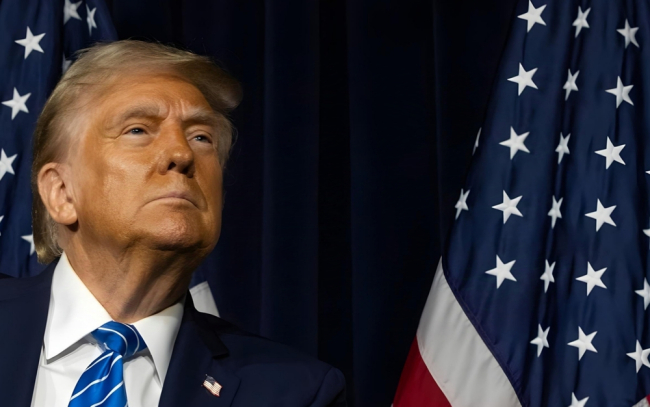
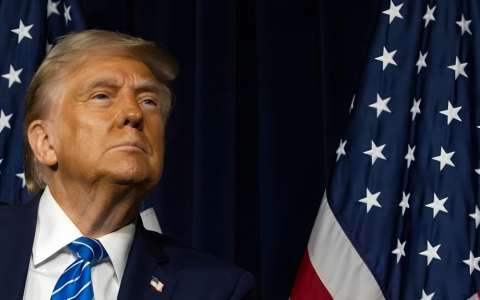
À un mois des midterms, où va l’Amérique de Donald Trump ?
La 24e édition de la Conférence annuelle du programme Amériques de l'Ifri analysera les dynamiques à l’œuvre aux États-Unis et leurs conséquences pour l'Europe et la relation transatlantique.
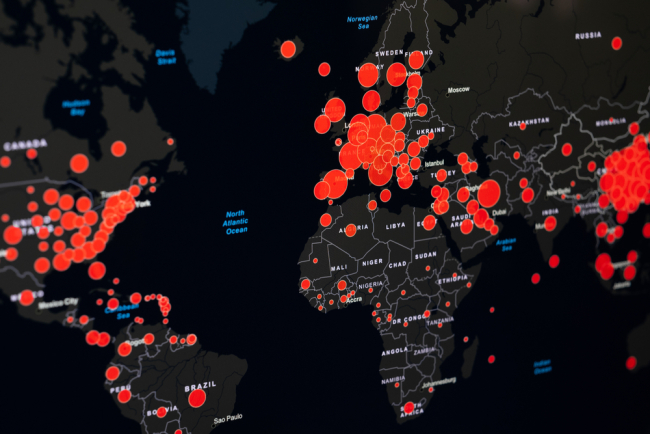
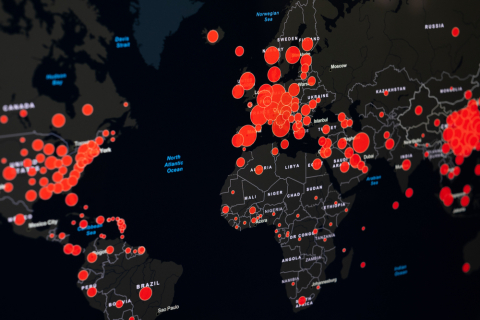
Pandémies et maladies infectieuses : que peut la communauté internationale ?
Tandis que les tensions internationales s’aiguisent et que le monde risque de se fracturer en blocs géopolitiques, pandémies et maladies infectieuses continuent de se développer. Des facteurs comme la multiplication des guerres ou le dérèglement climatique ne font qu’aggraver la situation.
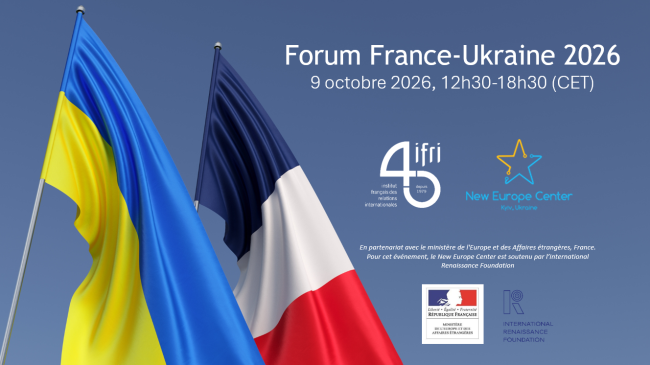
Forum France-Ukraine 2026
Plus de quatre ans et demi après le début de la guerre à grande échelle déclenchée par la Russie contre l’Ukraine, le Forum France-Ukraine 2026 accueillera des responsables politiques, des experts, des universitaires et des représentants de la société civile des deux pays pour échanger autour de trois sujets principaux : les formats et conditions d'un règlement diplomatique durable ; l'intégration euro-atlantique de l'Ukraine, entre processus d'adhésion à l'UE et rapprochement avec l'OTAN ; et les transformations sociétales de l'Ukraine d'après-guerre ainsi que ses perspectives de reconstru