
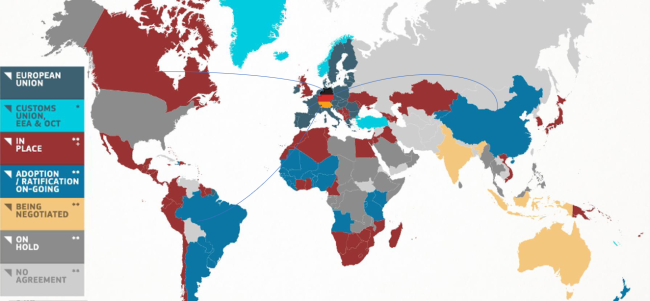
Towards a New European Trade Strategy in Times of Geopolitical Upheaval: The German Perspective
As one of the most successful trading blocs, the EU sees itself confronted with the erosion of the global rules-based trading system and trade becoming increasingly weaponized.
Global Coal Markets at a Climax. An Era of Coal Decline is Finally about to Begin
In a previous note published in 2018, we noted that global coal demand had flattened. Several governments had announced coal phase-out plans, global coal power investment had contracted, and investment in greenfield coal mines was also at a standstill. The freezing of financial resources for coal projects might have indicated the beginning of a structural decline in coal demand and supply.

Ethics and Responsibility in Space Exploration: The Rise of Soft Law to Regulate New Practices


Can Politics and Business Align? Policy, Transparency and Logistics
Politics and business can be intertwined in many ways but also conflicting. This is especially the case regarding foreign investments and possible influence by third countries in Europe, for example.
How to Curb Investments in Chinese Technology: Initiatives and Debates in the United States
In a continuation of U.S. efforts to slow China's development and acquisition of strategic technologies, Washington has imposed new restrictions on American investment in Chinese technology sectors such as artificial intelligence (AI), quantum, and semiconductors.
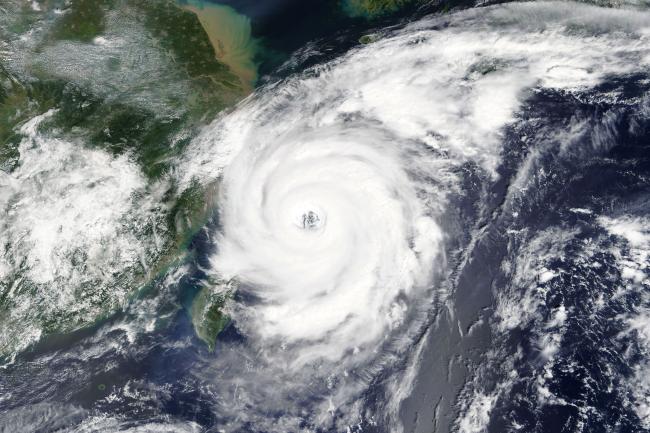
Balance of Power in the Taiwan Strait in the Case of a Natural Disaster: Considering an Overlooked Scenario
Scenario planning in the Taiwan Strait that solely assumes a situation without natural disasters or emergencies, where the military and government function as usual, falls short in preparing for more complex contingencies.
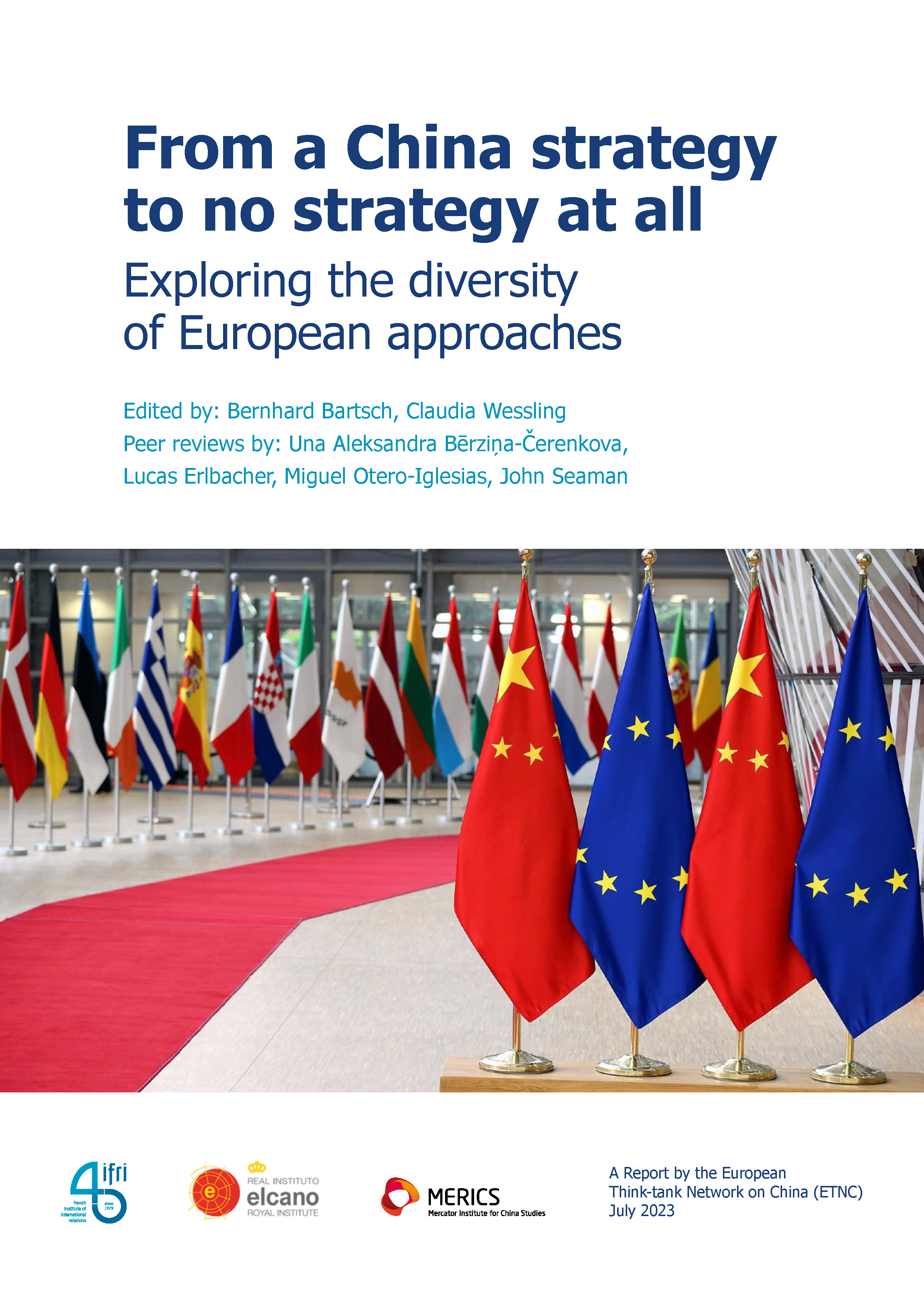
From a China strategy to no strategy at all: Exploring the diversity of European approaches
While there is now new momentum in the relationship between Europe and China, considerable variation remains in approaches across the continent, from clear-cut strategies to more ambiguous policies, complicating a common European position.
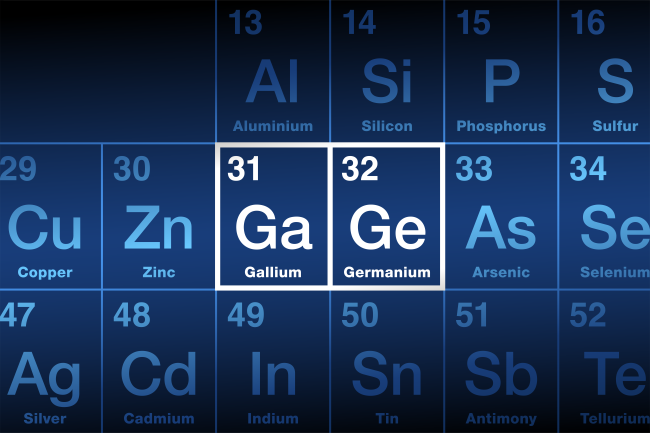
China’s Weaponization of Gallium and Germanium: The Pitfalls of Leveraging Chokepoints
China’s recent announcement of raw material export controls highlights important pitfalls of weaponized interdependence and demonstrates that not all chokepoints are created equal.


When the chips are down: China threatens to cut supply on rare minerals
China has just announced controls on exports of rare minerals - gallium and germanium - whose production it dominates and which are essential for the manufacture of electronic components.

France, Germany play safe during China Premier Li's European trip
HAMBURG, Germany -- Chinese Premier Li Qiang avoided public clashes on a high-profile visit to Germany and France this week, in what analysts see as a sign of the European nations' reluctance to alienate Beijing.
After Hiroshima: The G7 Summit, Economic Security and the EU-Japan Partnership
Japan and the European Union are increasingly aligned on international economic policies, the product of a similar outlook toward China – concerned without being overtly hostile – and worried about over-reach by the United States.


French Expert Says Afghanistan-Related Challenges Loom Large for Central Asia as Geopolitical Competition Intensifies
Addressing the situation in Afghanistan remains on top of the agenda for Central Asia, said Michael Levystone, an associate research fellow at the Institut Français des Relations Internationale (IFRI) Russia/Eurasia Center, in an exclusive interview with The Astana Times. The expert, who participated in the Astana International Forum (AIF) on June 8-9, also discussed the intensifying geopolitical competition in Central Asia, regional connectivity and water scarcity.
Türkiye’s Stifled Ambitions
As its elections have unfolded this spring, Türkiye has again shown itself to be symptomatic of the times. Across the world, numerous political regimes oscillate between democratic forms of government and an authoritarian concentration of power; impressive periods of growth give way to inflation and recession; and international deregulation gives rise to widespread diplomacy in an effort to juggle a myriad of shifting political loyalties. Faced with the war in Ukraine, Ankara is playing a strong hand by enlarging its areas of presence and intervention. Türkiye is more important to its partners than ever, independent of its eventual domestic trajectory.
Western discourse predicted the advent of Chinese dominance in the very short term, but events have taken a rather different turn. The drivers that enabled the unprecedented growth of recent decades seem to have run out of steam. Moreover, the outcome of Beijing’s economic strategies is still uncertain, in a context shaped primarily by U.S. policies. China’s influence in the future will be considerable, but the direction its rebound will take remains unclear.
For Europeans, the events in Ukraine and the thorny issue of the Sino-American rivalry cannot paper over the other security problems we face: On what common vision of our history and future will we build the Europe of tomorrow? Has drug trafficking already changed the nature of our societies? Can we afford to turn away from instances of destabilization in Africa, from the Horn to the Sahel?
Is Iran the Big Beneficiary of Chinese Foreign Policy in the Middle East?
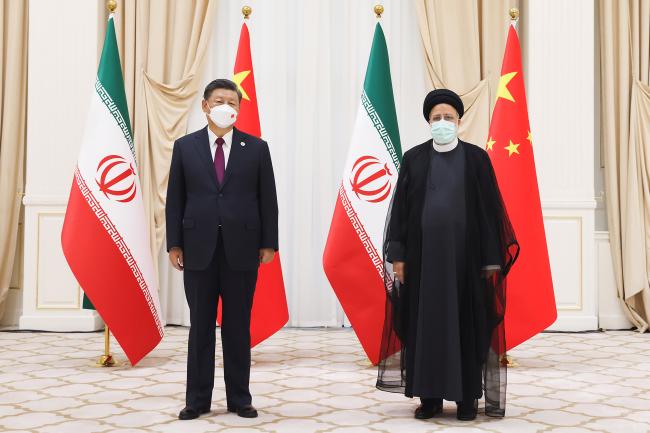
On March 10, the revelation of an agreement between Saudi Arabia and Iran brokered by China took Western observers and diplomats by surprise. Beijing's unprecedented intervention in the dispute between Riyadh and Teheran confirms its growing ambitions in the region.
Can Europe do Without a Geologistical Strategy to Face China?
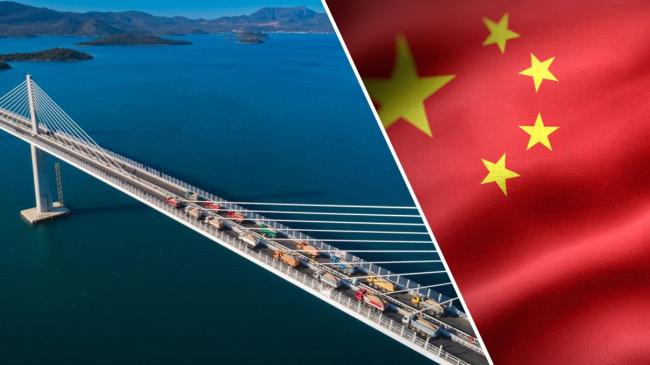
During the economic and financial crisis in 2008, during which the West was severely weakened, the ties between the Western Balkans and China were particularly close. For these countries, turning to China meant to secure new destination markets for their exports and to guarantee new investments.

Japan PM Kishida’s Africa tour lays groundwork for G7 summit, as China and Russia concerns loom large
While the impact of Kishida’s tour is ‘marginal, it can still send ‘a message of solidarity’ that it intends to take the continent’s concerns seriously. Getting the African countries to take active measures against Russia will be difficult if they are not offered strong incentives in exchange, one analyst notes.
EU's China policy staying on track despite intensifying debate
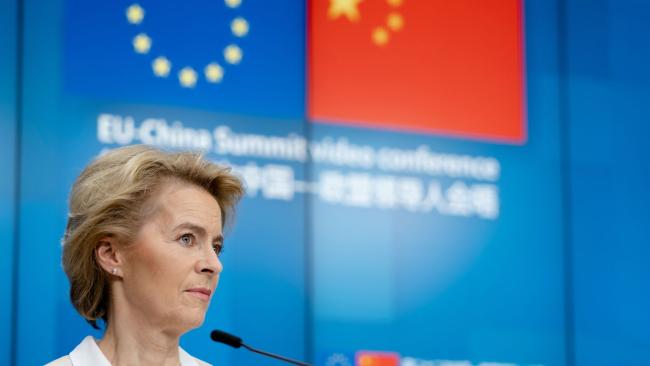
While French President Emmanuel Macron’s state visit to China is viewed by some to be an exercise in stirring the pot, this does not mean that the European boat has veered off course. The EU is used to robust debate among and within member states, and can take this as another opportunity to affirm their stance on China.
Macron's Taiwan comments expose muddled China policy
French President Emmanuel Macron's call for Europe to steer clear of a Taiwan conflict -- rooted in France's pride and deep-seated resistance to following America's lead -- has raised questions about where he and Paris really stand on China.

China in the Race to Low Earth Orbit: Perspectives on the Future Internet Constellation Guowang
In April 2021, the Chinese government officially, but rather quietly, established a new state-owned enterprise (SOE) named China SatNet. Its mission: build out China’s “mega-constellation” program for low Earth orbiting internet satellites, known as Guowang (“national network”).
Reshuffling Value Chains - South Korea as a Case Study
Despite all the talks about the reshuffling of value-chains and the trend to a form of industrial “Desinicization” (or decoupling/disengagement from China), the example of South Korea does not vindicate such assertions.
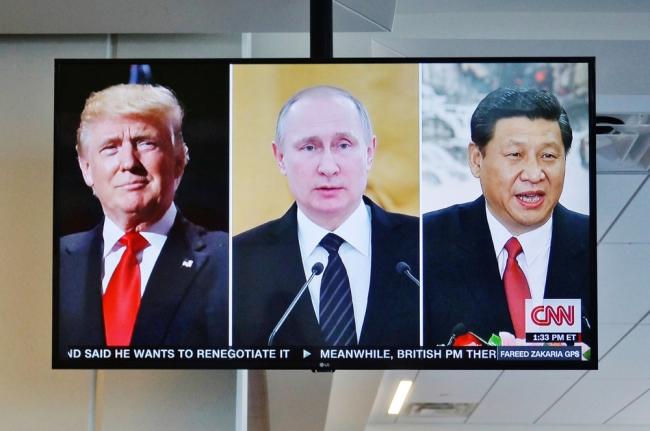
Global Order in the Shadow of the Coronavirus: China, Russia and the West
The coronavirus pandemic has thrown a harsh spotlight on the state of global governance. Faced with the greatest emergency since the Second World War, nations have regressed into narrow self-interest. The concept of a rules-based international order has been stripped of meaning, while liberalism faces its greatest crisis in decades.
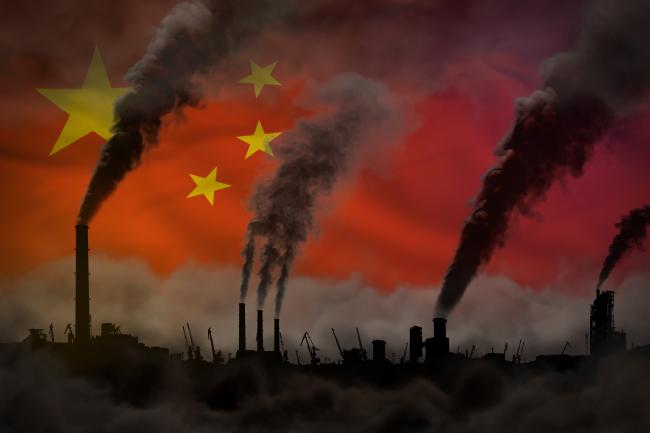
Ambitious New Climate Goals Shouldn't Let China off the Hook
Xi Jinping’s announcement of carbon neutrality is impeccably timed, but the hard part lies ahead.
Towards Tougher Bilateral Relations Between EU and China
When politics catches up to the economy. In the wake of the EU-China summit, what can we expect from the bilateral relations? 2020 was supposed to be the year of EU-China relations. However, the Covid-19 pandemic has quickly disrupted the positive expectations.
Japan’s Trade Policy in the Midst of Uncertainty
The multilateral trading system under the World Trade Organization (WTO) has been of the utmost importance for Japan’s trade policy.
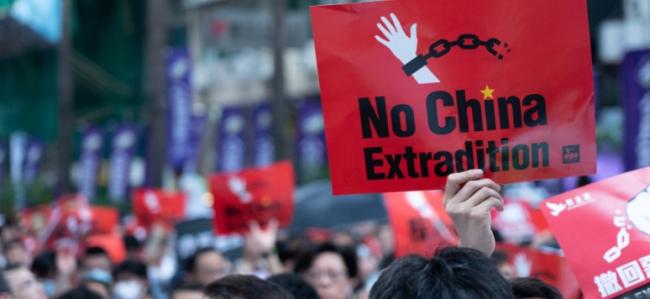
Hong Kong : The 2019 Protest Movement and the Future of Autonomy
The current protest movement in Hong Kong, which began with the proposed extradition law in June 2019 that would have considerably weakened the judicial border between Hong Kong and Mainland China, has set itself apart from the city’s numerous movements in recent years by its massive following. The protestors, who employ original strategies (online organization, absence of clear leadership, use of digital tools), achieved an initial success with the suspension of the proposed law in September. But even after the law’s withdrawal, massive protests and increasing acts of violence continued to grip the territory. Demands now center around an independent investigation into acts of police violence and on the revival of democratic reforms.
China’s Ambiguous Positions on Climate and Coal
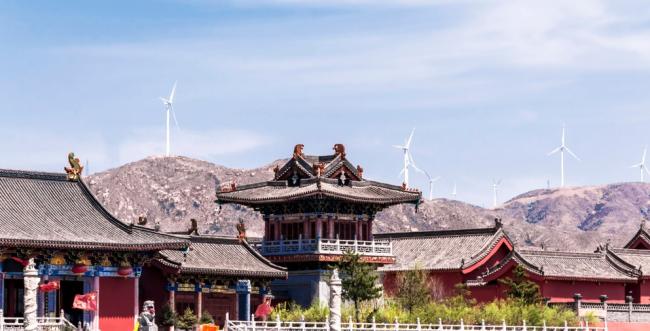
China’s 2018 energy consumption data capture the ambiguity of Beijing’s attitude toward climate change. Energy demand rose by 3.5% to 3,155 million tonnes of oil equivalent (Mtoe), with an increase of coal consumption (though its share in the overall energy mix is decreasing) and an expected greenhouse gas (GHG) emission surge of 2.3%, to 9.5 gigatonnes (Gt) for the same year.

(De)globalization of International Plastic Waste Trade: Stakes at Play and Perspectives
The world plastic production has been multiplied by 23 since 1964 to reach 348 million tonnes (mt) in 2017. This production level is expected to double in the next 20 years, largely because of the significant growth in plastic consumption in developing countries. Today, China is the largest producer of plastics (representing nearly 30% of global production) and the European Union (EU) comes second (18.5%) with 64 mt.
La compétition stratégique en Afrique : approches militaires américaine, chinoise et russe
While it was left behind from power politics for the last decades, Africa is at the core of a renewed attention from global powers.
Greater Eurasia: The Emperor’s New Clothes or an Idea whose Time Has Come?
The Greater Eurasia project has emerged as the poster-child of Vladimir Putin’s foreign policy, symbolic of a resurgent and self-confident Russia.
5G and the US-China Tech Rivalry – a Test for Europe’s Future in the Digital Age
Carbon Capture, Storage and Utilization to the Rescue of Coal? Global Perspectives and Focus on China and the United States
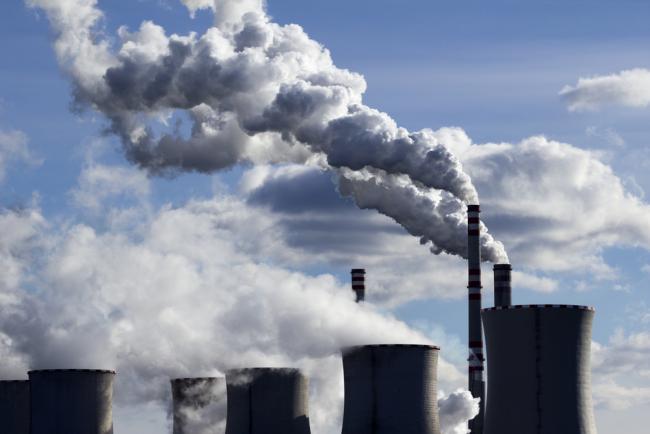
In most of the pathways that limit global warming to 1.5°C, capture of CO2 from fossil-fuel or biomass-based installations and its long-term geological storage (carbon capture and storage - CCS and bio-energy with carbon capture and storage - BECCS) plays a crucial role.
France and China's Belt and Road Initiative
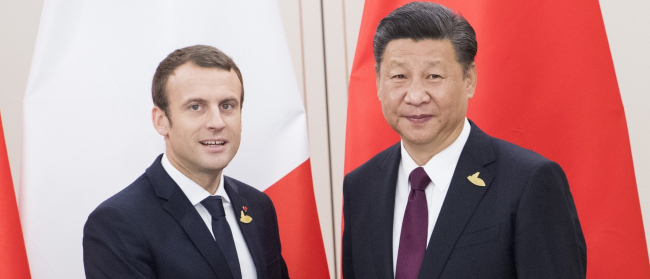
Under President Macron, France has staked out a positive but principled position towards China's BRI.
Seven Years of The 16+1: An Assessment of China’s ‘Multilateral Bilateralism’ in Central Europe
Since mid-2012, in the wake of the global financial crisis, China has sought to reinvigorate relations with Central and Eastern Europe (CEE), notably through the creation of the 16+1 formula.
Between Giants: The Sino-Indian Cold War in the Indian Ocean
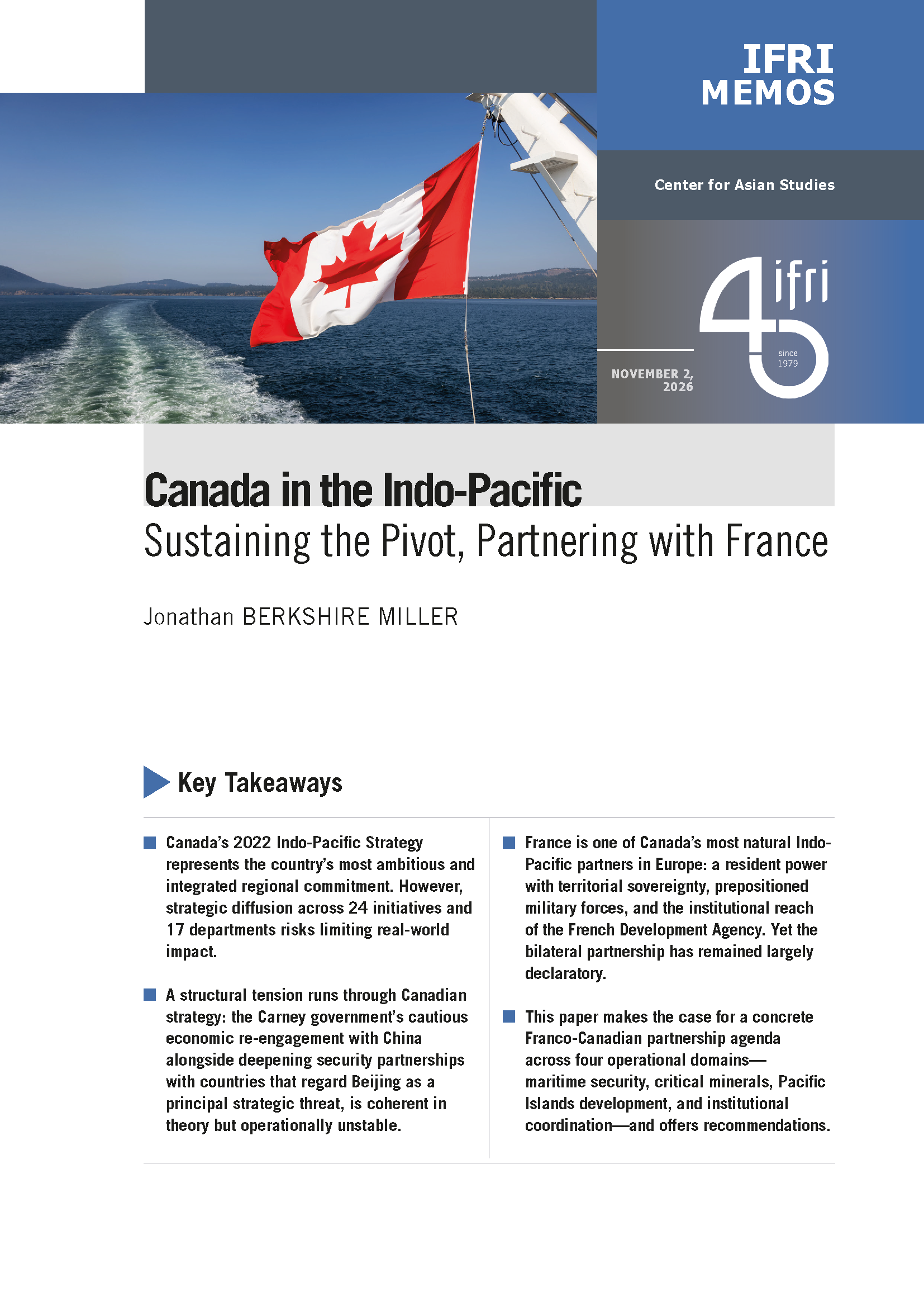
Strategic competition between India and China in the Indian Ocean is growing and has the potential to profoundly impact the stability and security of the region. The Indian Ocean is becoming the scene of a sustained contest that in some ways resembles strategic competition during the Cold War.
The need for a strategic recycling approach to take up the challenge of critical metals
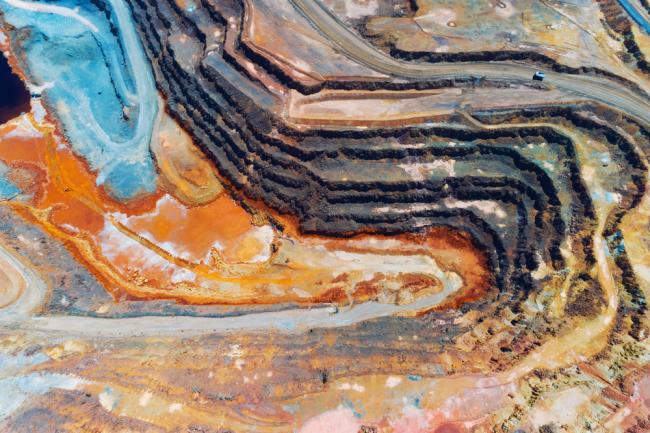
In September 2010, China stopped all exports of rare earths and associated products to Japan, depriving Japan’s industry of essential raw materials. This decision highlighted the tensions around the trade of critical materials and China’s monopoly on a group of particular metals. Western countries had already taken some initiatives so as to reduce, or at least to analyse their vulnerabilities in the segment of critical materials.
The Next Wave of Global LNG Investment Is Coming
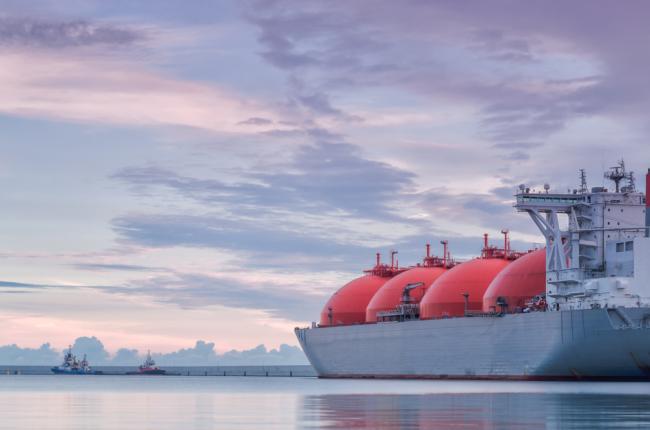
With an annual growth of 10% in 2017 to 290 million tons (Mt) and 8.3% in the first half of 2018, Liquified Natural Gas (LNG) demand is rising faster than expected. Accounting for 44% of global demand growth in 2017, China is the main driver of the growth as the government has made natural gas a key policy choice to reduce air pollution and restructure its high-carbon energy mix.
Emerging Markets and Migration Policy: China
China’s development has given rise to massive flows of both domestic migration and international emigration.
Xi Jinping’s Institutional Reforms: Environment over Energy?
During its two sessions (lianghui) in March 2018, the National People’s Congress (NPC) announced China’s most important institutional reforms in the last 30 years. These changes occurred right after Xi Jinping consolidated his power and at a time when stakeholders working in the energy field were expecting more clarity on policy orientations.
Catching Up or Staying Ahead. Japanese Investment in the Mekong Region and the China Factor
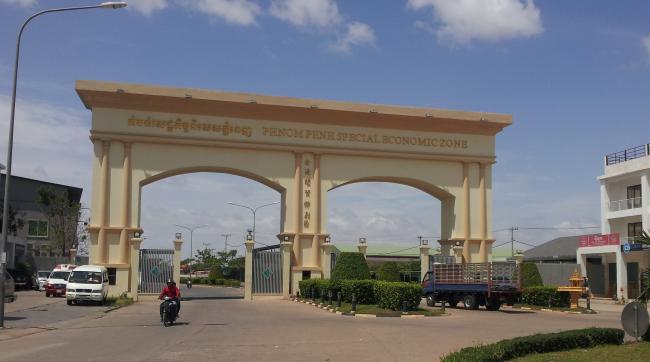
There is no denying that the Mekong region has become an economic battleground where Japan and China are competing to gain and sustain economic influence in the region.
China’s National Carbon Market: a Game Changer in the Making?
As 2017 drew to close, China officially approved plans for its long-awaited national Emission Trading Scheme (ETS) and the National Development and Reform Commission (NDRC) outlined some of the implementation details[1]. Though it will be limited to the power sector (and combined heat and power, or CHP) at first, it will nevertheless be the world’s largest carbon market. It is expected to cover 1,700 companies representing approximately 30% of China’s total greenhouse gas (GHG) emissions. China’s CO2 emissions from fuel combustion amounted to approximately 8,796 metric tonnes of CO2 equivalent (MtCO2Eq.) in 2016, and seem to remain stable since 2014, though they appear to increase again in 2017[2]. Shanghai should host the national market exchange, which will be jointly owned by the governments of other provinces while Hubei should host the registry[3].
Ifri, a foundation recognized as being of public utility, relies largely on private donors – companies and individuals – to guarantee its sustainability and intellectual independence. Through their funding, donors help maintain the Institute's position among the world's leading think tanks. By benefiting from an internationally recognized network and expertise, donors refine their understanding of geopolitical risk and its consequences on global politics and the economy. In 2026, Ifri partners with over 90 French and international companies and organizations.