


Europe
Europe is described here in a geographical sense. It is not limited to the European Union, and includes, for example, the United Kingdom and the Balkans. It remains central to international relations.
Related Subjects
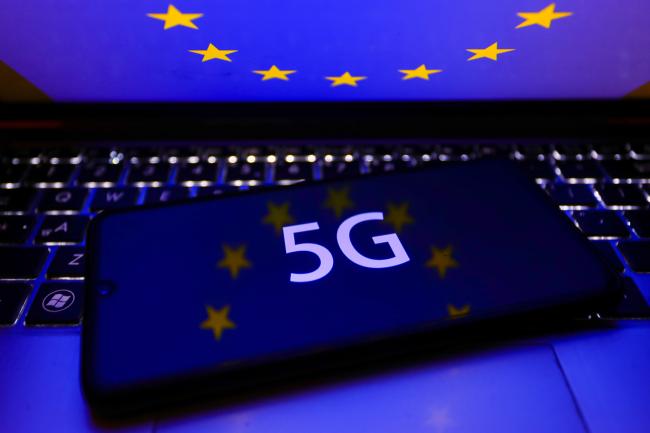
Europe and the Geopolitics of 5G: Walking a Technological Tightrope
The acute Sino-American tensions which started in 2018 have been coupled with controversies around 5G technology, exemplified by the spotlight placed on Chinese equipment manufacturer Huawei and the security risks associated with its use. For Europe, the 5G challenge at the international level is drawing a very complex landscape.

Korea-EU Direct Investment Links: The Neglected Facet of a Tight Partnership
Despite their difference in size, Korea and the EU have developed over time a strong and deep relation through direct investment flows. Germany dominates the relationship, but there remains ample room for the other EU member-states to further develop their relations with Korea.
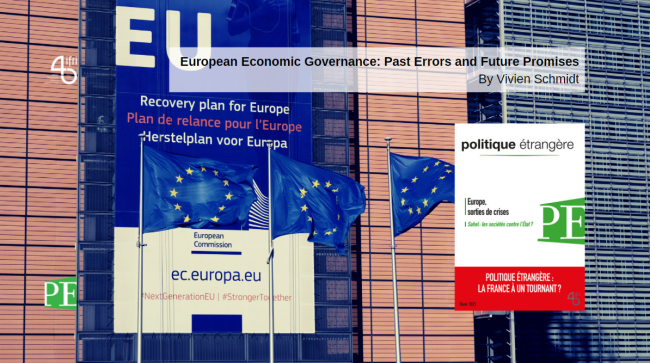
European Economic Governance: Past Errors and Future Promises
The eurozone crisis marked a real failure of European Union (EU) policy, which led to mediocre economic performance and the erosion of its political legitimacy among the populations of member states.
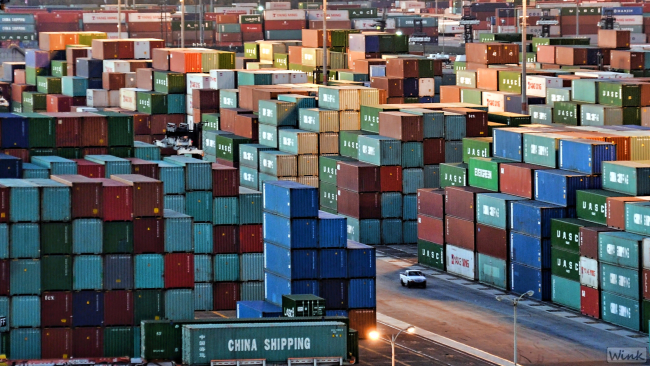
Strengthening Sovereignty in the Era of Global Value Chains
How to reduce the vulnerabilities induced by these global value chains to be more independent, while taking into account the reality of these productive processes which precisely generate interdependencies?
Trade
Françoise Nicolas contributed the chapter on trade, providing more insights into the opportunities and challenges South Korea and the EU need to address to revive the rules-based multilateral trading system.
The Direction of France’s Foreign Policy over the Next Thirty Years
A foreign policy points to a united society that manages its relationships with its surroundings while defending its own interests.
Preparing for 2050: From “Foresight” to “Grand Strategy”
China and the United States both have a “grand strategy”: Beijing aspires to be the world’s leading power in 2049, while Washington plans to remain primus inter pares.
European Defense: Acting in Time
This seems like a fitting moment to strengthen European cooperation on defense.
Foreign Policy: France at a Turning Point?
An exceptional issue of Politique étrangère
Confronted with a world in which the fundamentals are being redefined, France’s foreign policy is under scrutiny. In which geographies should France assert its presence? To which major challenges should France be responding in order to survive in tomorrow’s world? What kind of relationship to that world should France be establishing, as thirty years of Western intervention have ended in catastrophic failure in Afghanistan?
Philanthropy and Migration in Europe: What Role for Foundations?
The 2015 “crisis” accelerated and/or intensified the involvement of foundations (in particular those from the private sector) in the field of migration. The crisis not only created a sense of urgency, but also generated a movement of public empathy that foundations were willing to accompany and amplify. It was also seen as a challenge to Europe and its humanist values, which foundations sought to defend in accordance with their own beliefs in inclusive societies.

The Future of British Defense Policy
As the prospect of the United Kingdom leaving the European Union raises increasing challenges to its international position, as well as major divisions at home, the future of British defense policy seems more uncertain than ever.
Brexit: a Certain Idea of Europe
The reasons for the result of the UK’s June 2016 referendum reveal nothing we didn’t already know. They have to do with the development of British society and political debates particular to the UK.
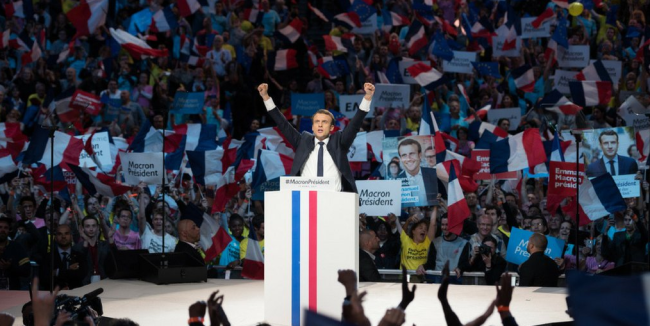
Meeting Macron in the Middle. How France and Germany Can Revive the EU
Macron's presidency offers a rare chance to revive the French-German relationship just when Europe needs it most.

Making Sense of Europe’s Southern Neighbourhood: Main Geopolitical and Security Parameters
Europe’s southern neighbourhood is a diverse but interlinked geopolitical ensemble, whose specificities need to be carefully assessed before Europeans devise dedicated security strategies, divide responsibilities and make policy decisions.
The EU and Innovation: When Business Meets Politics
Innovation, entrepreneurship, growth and competitiveness go hand in hand. This short paper looks at two areas where the EU plays a role to help drive innovation: regulation and financing.
France: the tale of disenchantment, ambiguity and ambition on the EU
France may be ready to take the initiative again in the EU, but it does not know where to press on.
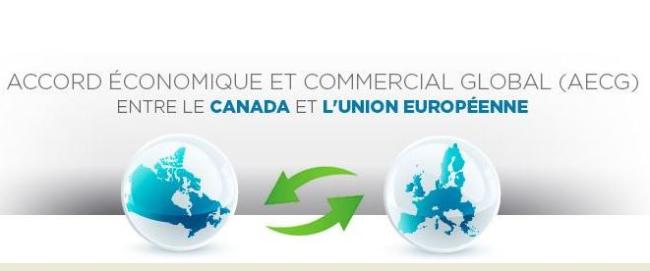
CETA: the Making of the Comprehensive Economic and Trade Agreement Between Canada and the EU
Once ratified, the Comprehensive and Economic Trade Agreement (CETA) could ultimately eliminate all tariff barriers between the European Union and Canada. CETA is also a new generation Free-Trade Agreement: it includes the opening of public procurement, the facilitation of cross investments and cooperation in the area of regulation. Its long negotiation process illustrated important changes that are happening in the way trade agreements are negotiated, both in Canada and in the EU.
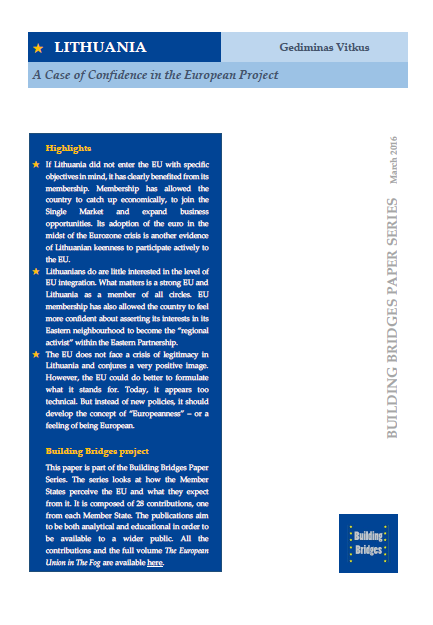
Lithuania: A Case of Confidence in the European Project
If Lithuania did not enter the EU with specific objectives in mind, it has clearly benefited from its membership. Membership has allowed the country to catch up economically, to join the Single Market and expand business opportunities. Its adoption of the euro in the midst of the Eurozone crisis is another evidence of Lithuanian keenness to participate actively to the EU.
Croatia: An Expanding Learning Curve
The expectations of Croat citizens are modest since the country entered the EU in the midst of the financial crisis and the popular feeling is one of cautious optimism. The membership serves as a catalyst for the creation of national identity as one rooted in the West. It should also boost growth in the country, which Croatia is only starting to see having entered the EU in the midst of the crisis.

Slovakia: Country of Many Paradoxes
Slovakia might be perceived as a “latecomer” in preparing for EU accession only in the 1990s, but it caught up rapidly. Among its chief objectives was for Slovakians to achieve higher living standards and gain an external system of checks and balances, which would improve the country’s democratic processes and public administration.
Support independent French research
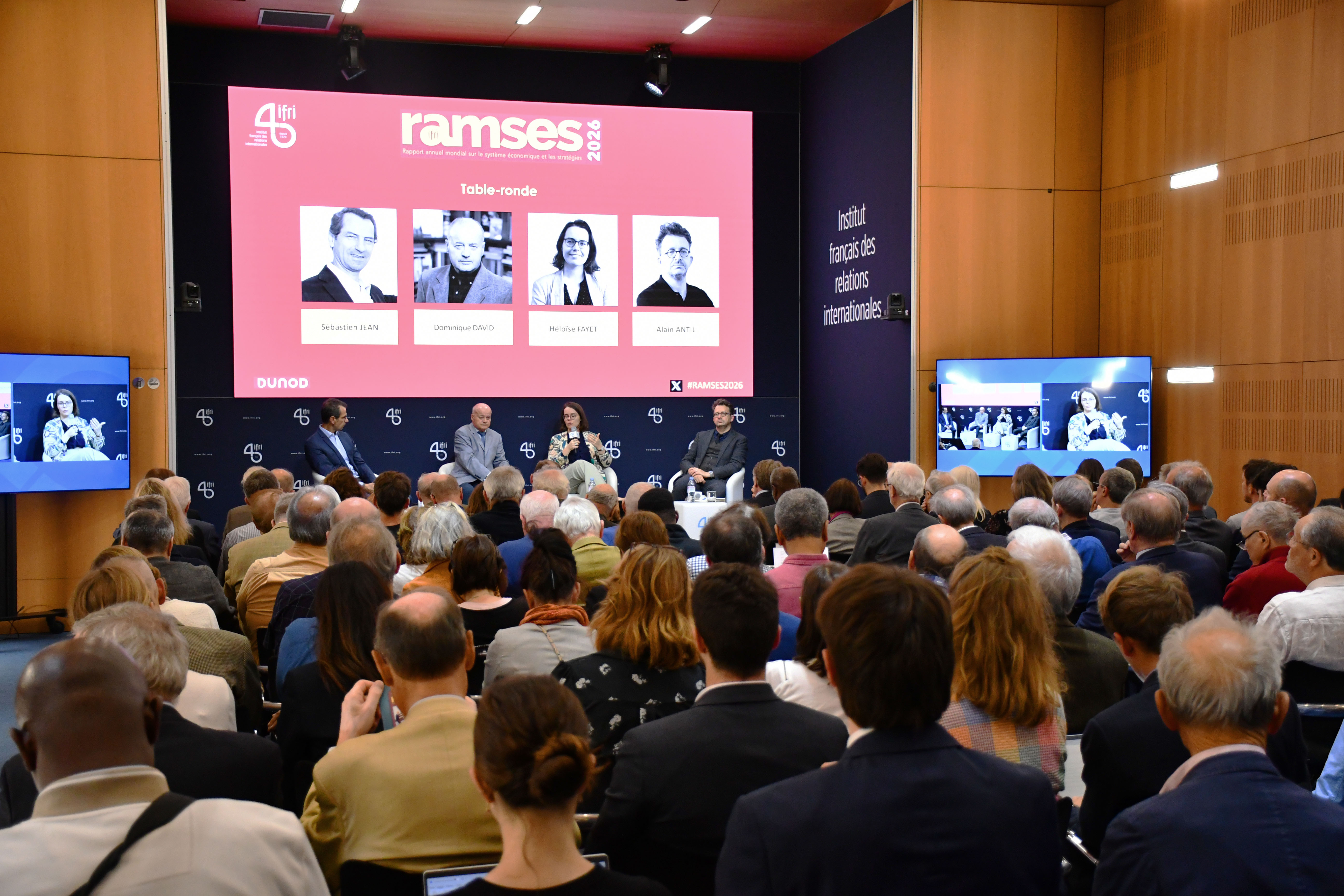
Ifri, a foundation recognized as being of public utility, relies largely on private donors – companies and individuals – to guarantee its sustainability and intellectual independence. Through their funding, donors help maintain the Institute's position among the world's leading think tanks. By benefiting from an internationally recognized network and expertise, donors refine their understanding of geopolitical risk and its consequences on global politics and the economy. In 2026, Ifri partners with over 90 French and international companies and organizations.
Related centers and programs
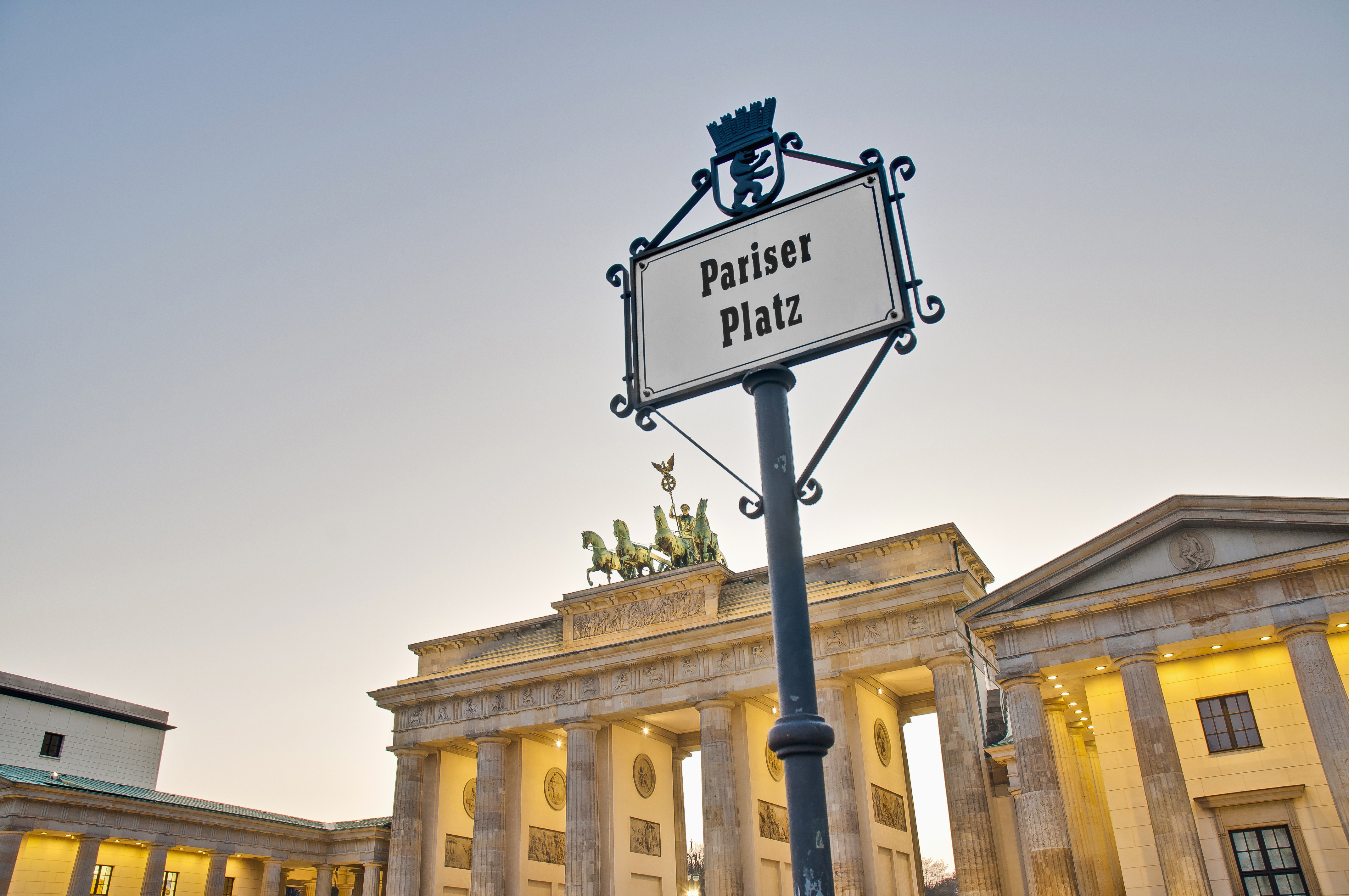
The Study Committee on Franco-German Relations (Cerfa)
The Study Committee on Franco-German Relations (Cerfa) was created in 1954 by an inter-governmental agreement between the Federal Republic of Germany and France, in order to raise awareness of Germany in France and analyze Franco-German relations, including in their European and international dimensions. In its conferences and seminars, which bring together experts, political leaders, senior decision-makers and representatives of civil society from both countries, Cerfa develops the Franco-German debate and stimulates political proposals. It regularly publishes studies through two collections: Cerfa notes and studies as well as Franco-German visions.
Cerfa maintains close relations with the network of German foundations and think tanks. In addition to its research and debate activities, Cerfa promotes the emergence of a new Franco-German generation through original cooperation programs. This is how in 2021-2022, Cerfa led a program on multilateralism with the Konrad Adenauer Foundation in Paris. This program is aimed at young professionals from both countries interested in the issues of multilateralism in the context of their activities. It covered a wide range of themes relating to multilateralism, such as international trade, health, human rights and migration, non-proliferation and disarmament. Previously, Cerfa had participated in the Franco-German future dialogue, co-led with the DGAP from 2007 to 2020, and supported by the Robert Bosch Foundation and the Daniel Vernet group (formerly the Franco-German Reflection Group) which was founded in 2014 upon the initiative of the Genshagen Foundation.
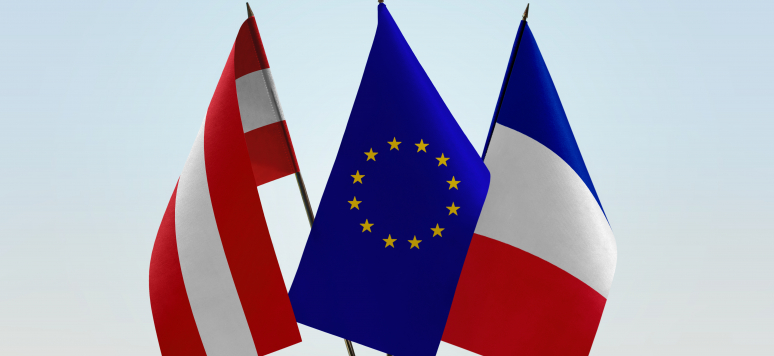
Austro-French Centre for Rapprochement in Europe (ÖFZ)
The Austro-French Centre for Rapprochement in Europe (ÖFZ/CFA) is a Franco-Austrian intergovernmental organization, initiated in 1976 by Prime Minister Jacques Chirac and Federal Chancellor Bruno Kreisky, in order to develop economic relations between Western and Eastern Europe, contributing to the creation of a Europe of peace.
After the fall of the Berlin Wall, the ÖFZ/CFA refocused its action on the problems following the enlargement of the European Union, and integrated the following countries in its field of activities : Hungary, Poland, Czech Republic, Slovak Republic, Slovenia, the Baltic countries, Romania and Bulgaria. ÖFZ/CFA's vocation, as a space for reflection and exchange, is in fact reinforced by the need to support the new member countries of the Union in their integration process. Since 2004, the ÖFZ/CFA has also turned towards the Union's new neighbors, in particular towards the countries of the Western Balkans, which perceive their future from a European perspective.
The ÖFZ/CFA strives to place all of its exchanges in a global perspective concerning the future of our continent. Today it centers its activities around three directions: the Franco-Austrian bilateral dialogue, the future of the European Union, the future recomposition of the continent.
Reports of all events organized by the ÖFZ/CFA are available on its website (http://oefz.at). The ÖFZ/CFA's budget is provided by the French and Austrian foreign ministries. Depending on the themes addressed, the ÖFZ/CFA calls on European public and private institutions to help finance its meetings. The CFA's orientations benefit from the recommendations of an Orientation Council, approved by a Board of Directors, which elects from among its members a president and a secretary general.