







3452 publications
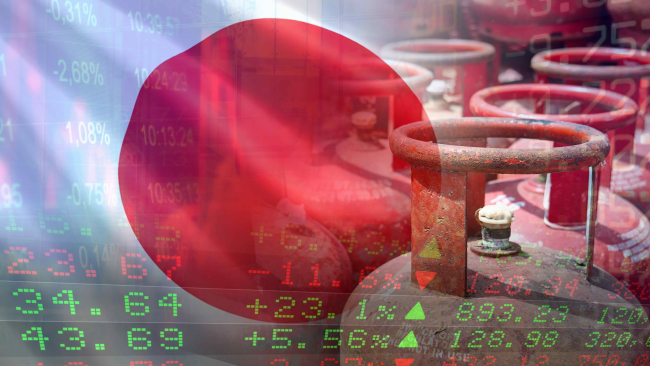
Japan’s Energy Policy after Hormuz. Security, Competitiveness, and Decarbonization
The 2026 Hormuz crisis has strengthened rather than weakened the rationale for Japan’s decarbonization strategy, contrary to what might have been expected. Rather than energy policy supplanting climate policy, the two should actually be viewed as inseparable.

From Protest to Power? The AfD Ahead of the Eastern State Elections
The September state elections will test the AfD’s transition from protest force to potential governing power amid growing political fragmentation and dissatisfaction with Chancellor Friedrich Merz and his coalition. While firmly established in eastern Germany, the AfD is also gaining ground in the west, raising questions about coalition-building and the future direction of German politics.

Ramses 2027. In the Eye of the Storm
The frameworks—the tools we used to make sense of the world and try to organize it—are fading away one by one. How can we reshape and redefine them? Can the European Union—conceived for a different era—still play its role, and if so, what role? How does Trump’s America fit into the global landscape? And how are new technologies transforming both the fabric of our societies and the conditions of their international coexistence?
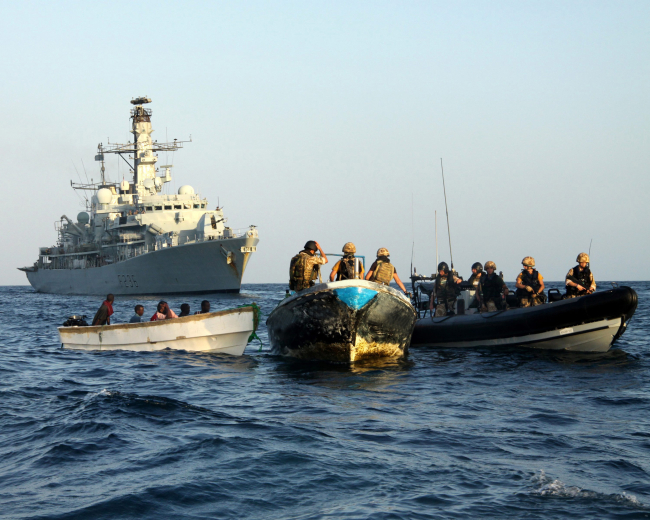
From Corsairs to Private Military Contractors. Nonmilitary Maritime Actors and the Historical Continuities of Naval Warfare
Since late 2023, several Houthi attacks on commercial shipping have involved privately contracted armed teams conducting defensive engagements and coordinating immediate response efforts, often in the relative absence of regular naval forces during the immediate hostilities at sea. These cases highlight a strategic tension that increasingly confronts modern navies. On the one hand, they are expected to conduct persistent, low-intensity maritime security tasks such as counterpiracy, maritime policing, and the protection of commercial shipping. On the other hand, they face renewed pressure to prepare for high-intensity conflict against peer and near-peer adversaries amid the return of great power competition.
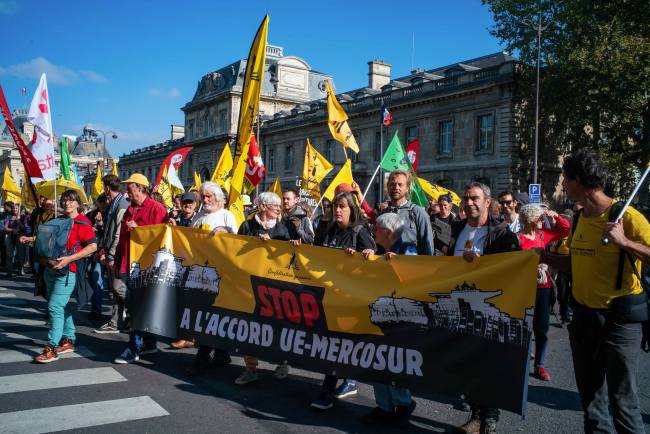
The Nuanced Relationship Between Public Opinion and Foreign Policy
Public sentiment is something decision-makers must contend with, especially in democratic states. However, the extent to which public opinion shapes foreign policy varies. Three Council of Councils experts in France, India, and Nigeria reflect on how public opinion does—and sometimes does not—affect foreign policy decisions.
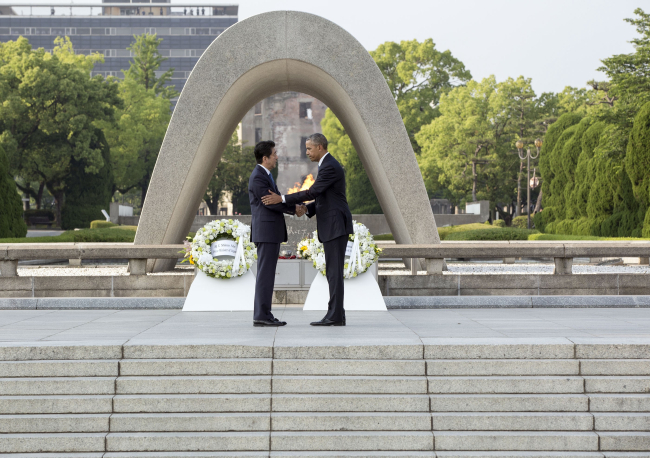
Japan and Nuclear Weapons: Between Extended Deterrence and Normative Dilemmas
Since the late 1950s, Japan’s nuclear weapons policy has been based on the coexistence of two competing normative rationales: the rejection of nuclear weapons, rooted in the legacy of Hiroshima and Nagasaki, and the recognition of the central role of US extended nuclear deterrence for Japan’s security.

The Transfer Paradox. Rethinking Global Imbalances
Global imbalances have come back to the top of the policy agenda. Many analyses and reports have been produced over recent months. The standard prescription involves better coordination of macroeconomic policies, with three familiar recommendations: higher consumption in China, higher investment in Europe, and fiscal consolidation in the United States.
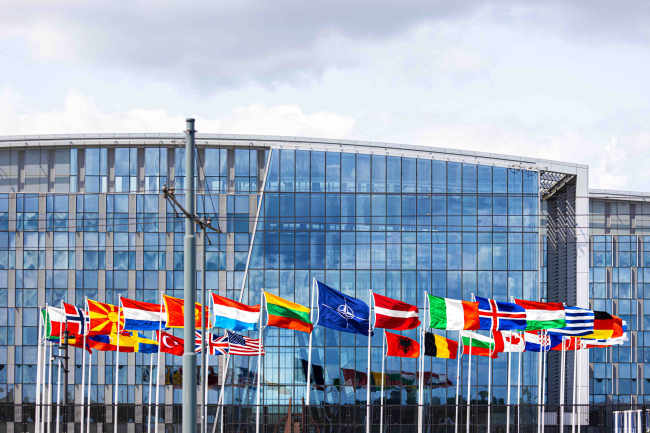
Taking the Pulse: Enough with the Annual NATO Summits, Already?
Over the past ten years, NATO has held almost as many summits as it did during the entirety of the Cold War. Are they still useful, or is it time to stop holding annual meetings?