



Informations pratiques
Thématiques et régions
Centres et programmes liés
Ceci est un événement réservé.
En savoir plus sur nos programmes de soutienAs the Bonn negotiating session is about to start, international climate talks are entering the final straight towards COP21. The European Union positioned itself as a frontrunner in climate policy and it has recently confirmed its long-term commitment by defining its 2030 targets. This strong domestic climate action is a major strength that the EU can draw on to take a leadership role in the process of reaching a global binding agreement.
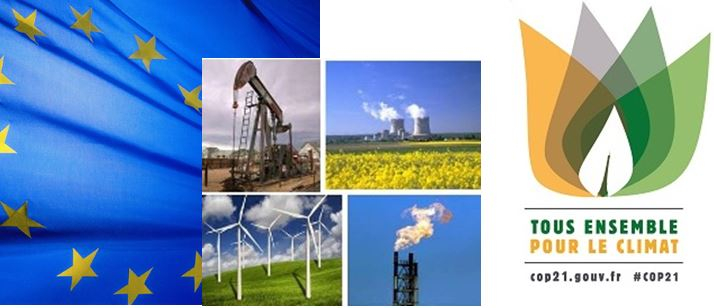
This event, co-organised by Ifri, SWP and PISM, attempted to identify the decisive steps for the European climate diplomacy in the run-up to COP21, with a particular focus on the role that France, Germany, Poland and the European institutions can play. The discussion also revolved around the convergence between EU’s position and those of the other parties to the negotiations. The ultimate goal was to share analyses on the potential outcomes of COP21 and define the impact it may have on the EU.
Programme
11:15 - 12:45 : What goals and what means for COP21? Expert views
Oliver Geden, Head of EU Research Division, Stiftung Wissenschaft und Politik
Carole Mathieu, Research Fellow, Ifri Center for Energy
Marek Wąsiński, Analyst, Polish Institute of International Affairs
Moderator: Vivien Pertusot, Director, Brussels Office, Ifri
12:45 - 13:30 : Lunch
In partnership with:

Replay
Sujets liés
Autres événements
Le renseignement peut-il encore anticiper les ruptures ?
Retour de la guerre de haute intensité en Europe, durcissement des rivalités entre puissances, multiplication des menaces hybrides, persistance du risque terroriste : le monde est entré dans une ère de confrontation où l'information, son contrôle et son exploitation sont devenus des armes à part entière.
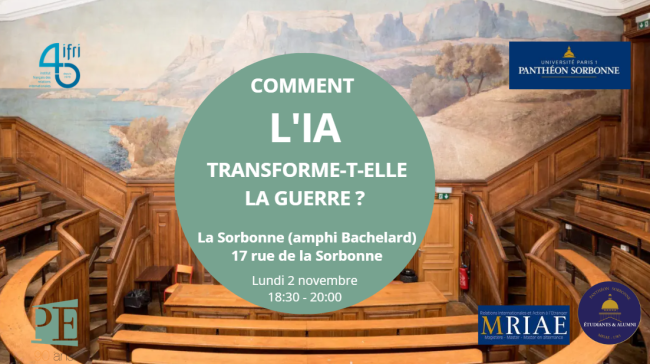
Comment l'IA transforme-t-elle la guerre ?
À l'occasion de la parution du numéro d'automne de Politique étrangère (n° 3/2026) et de son dossier sur les modalités de la "nouvelle" guerre, l'Ifri et l'Association (ADEA) du Magistère relations internationales et action à l'étranger (MRIAE) de la Sorbonne sont heureux de s'associer pour vous proposer une conférence autour de deux chercheurs de l’Ifri ayant contribué à ce dossier.
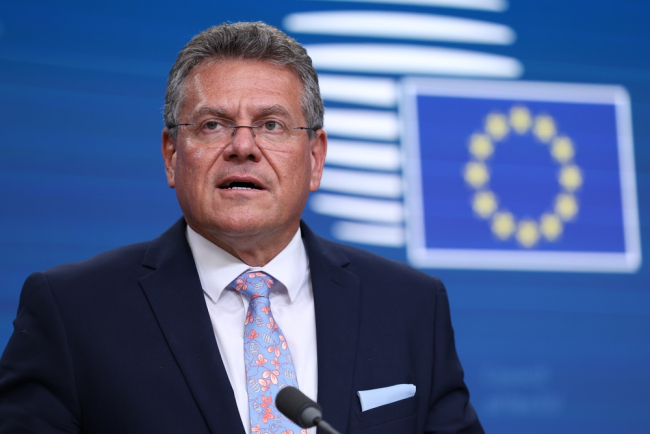
Europe-Chine : L'UE est-elle prête à répondre au "2e Choc chinois" ?
Un déjeuner débat autour de Paul Maurice, Secrétaire général du Comité d'études des relations franco-allemandes (Cerfa) à l'Ifri et Marc Julienne, Directeur du Centre Asie de l'Ifri.