

E-mobility: European Energy and Transport Policies at Crossroads
Les politiques européennes du transport envisagent le développement d’une infrastructure de recharge pour véhicules électriques. Suite au scandale Volkswagen et dans un contexte de signal prix faible sur le marché du carbone, l’Union européenne remet en avant l’électrification du secteur automobile. De nouveaux « business models » doivent être élaborés.
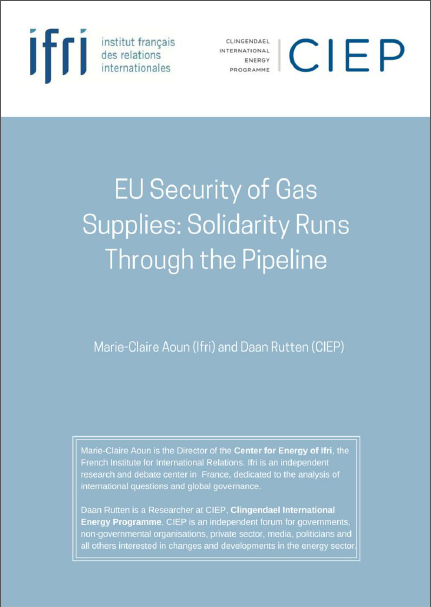
Sécurité d’approvisionnement gazière de l’Union européenne: vers un renforcement de la solidarité
Face aux tensions entre l’Union européenne et son principal fournisseur de gaz, la Russie, la Commission européenne revisite depuis 2014 sa stratégie de sécurité énergétique.
Union européenne : quand Commission et gouvernements jouent aux quilles avec les grands producteurs d’électricité
RWE, EON, EDF, ENGIE et quelques autres sont en difficultés financières. Ce résultat qui eût paru invraisemblable il y a vingt ans est le fruit combiné de mal gouvernances publiques au sein de l’Union et d’évolutions extérieures mondiales.
Il est utile d’analyser les unes et les autres.
Exploring the strengths and weaknesses of European innovation capacity within the Strategic Energy Technologies (SET) Plan
Ce rapport explore la capacité de l'Union Européenne à innover dans le cadre de son Plan Stratégique pour les Technologies Energétiques (Plan SET).
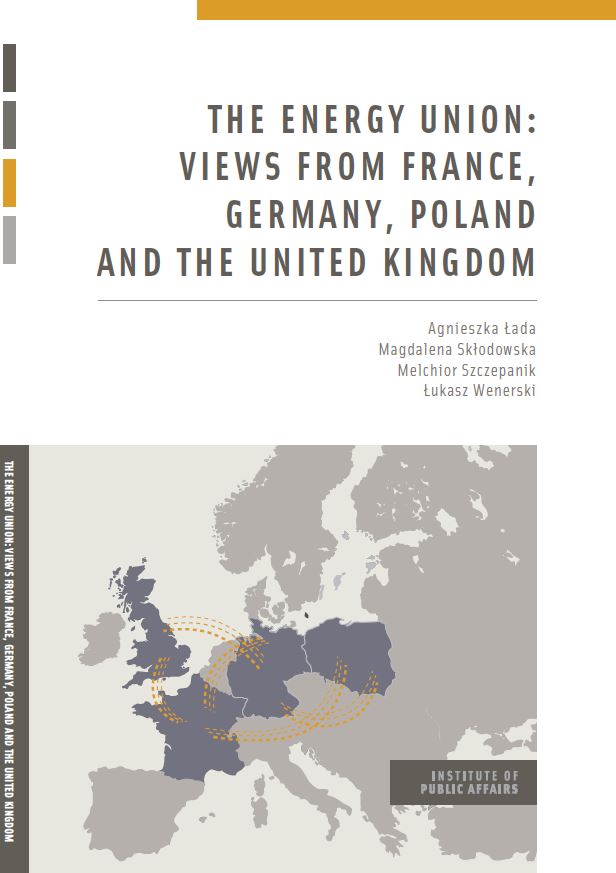
The Energy Union: Views from France, Germany, Poland and the United Kingdom
Etude présentée lors de la conférence du 1er et 2 juillet 2015 co-organisée par l'ISP, la Fondation Genshagen et l'Ifri: "L'Union de l'Energie - Allemagne, France et Pologne: entre objectifs européens communs et approches nationales divergentes". Melchior Szczepanik (ISP) et Carole Mathieu (centre énergie de l'Ifri) ont coécrit le chapitre consacré à la perception française du projet d'Union de l'Energie.
De l'espérance à l'incertitude : l'Europe, l'énergie et le climat 2008-2012
En ce début d’année 2012, nombreuses sont les questions qui se posent en ce qui concerne la politique européenne en matière d’énergie et de climat, mais pour les identifier, il faut, au préalable, rappeler l’architecture de cette politique, esquisser la toile de fond des grands événements politiques et économiques mondiaux des dernières années et tenter un bilan des succès et des échecs.
Efficacité énergétique : les calculs compliqués de la Commission
Qui ne connaît les trois fois 20, ces piliers de la politique énergétique européenne ? Mais qui est capable de donner la définition exacte ?
Y-aura-t-il un jour un marché européen du gaz et de l'électricité ?
A cette question, j’aurais répondu il y a un an plutôt positivement. Aujourd’hui, je n’en suis plus si sûr. Mon relatif optimisme hier se basait sur le remplacement d’un ensemble d’opérateurs nationaux en situation de monopoles (au moins régionalement) par un oligopole d’opérateurs ayant une part importante de leur activité en dehors de leur pays d’origine. Figuraient dans la liste : EON, EdF, RWE, ENEL, GdFSuez, IBERDROLA, VATENFALLS pour l’essentiel.
Union européenne : à Bruxelles, le nucléaire n’est plus tabou
Alors que le nucléaire était quasiment absent des discours et des textes de la Commission européenne, le ton change. Sa présidente a récemment affirmé qu'il fallait faire plus dans ce domaine et devrait nommer un commissaire à l'Energie favorable à l'atome civil.

Quel équilibre entre développement durable et sécurité énergétique ?
Pour combattre le changement climatique et trouver de nouvelles formes de coopération énergétique plus durable pour la planète, le gouvernement fédéral a mis en place une stratégie de diplomatie climatique qui regroupe ses actions de collaboration avec les pays partenaires.
Union européenne : quand Commission et gouvernements jouent aux quilles avec les grands producteurs d’électricité
RWE, EON, EDF, ENGIE et quelques autres sont en difficultés financières. Ce résultat qui eût paru invraisemblable il y a vingt ans est le fruit combiné de mal gouvernances publiques au sein de l’Union et d’évolutions extérieures mondiales.
Il est utile d’analyser les unes et les autres.
Exploring the strengths and weaknesses of European innovation capacity within the Strategic Energy Technologies (SET) Plan
Ce rapport explore la capacité de l'Union Européenne à innover dans le cadre de son Plan Stratégique pour les Technologies Energétiques (Plan SET).
The Energy Union: Views from France, Germany, Poland and the United Kingdom
Etude présentée lors de la conférence du 1er et 2 juillet 2015 co-organisée par l'ISP, la Fondation Genshagen et l'Ifri: "L'Union de l'Energie - Allemagne, France et Pologne: entre objectifs européens communs et approches nationales divergentes". Melchior Szczepanik (ISP) et Carole Mathieu (centre énergie de l'Ifri) ont coécrit le chapitre consacré à la perception française du projet d'Union de l'Energie.
De l'espérance à l'incertitude : l'Europe, l'énergie et le climat 2008-2012
En ce début d’année 2012, nombreuses sont les questions qui se posent en ce qui concerne la politique européenne en matière d’énergie et de climat, mais pour les identifier, il faut, au préalable, rappeler l’architecture de cette politique, esquisser la toile de fond des grands événements politiques et économiques mondiaux des dernières années et tenter un bilan des succès et des échecs.
Efficacité énergétique : les calculs compliqués de la Commission
Qui ne connaît les trois fois 20, ces piliers de la politique énergétique européenne ? Mais qui est capable de donner la définition exacte ?
Y-aura-t-il un jour un marché européen du gaz et de l'électricité ?
A cette question, j’aurais répondu il y a un an plutôt positivement. Aujourd’hui, je n’en suis plus si sûr. Mon relatif optimisme hier se basait sur le remplacement d’un ensemble d’opérateurs nationaux en situation de monopoles (au moins régionalement) par un oligopole d’opérateurs ayant une part importante de leur activité en dehors de leur pays d’origine. Figuraient dans la liste : EON, EdF, RWE, ENEL, GdFSuez, IBERDROLA, VATENFALLS pour l’essentiel.
Soutenez une recherche française indépendante
L'Ifri, fondation reconnue d'utilité publique, s'appuie en grande partie sur des donateurs privés – entreprises et particuliers – pour garantir sa pérennité et son indépendance intellectuelle. Par leur financement, les donateurs contribuent à maintenir la position de l’Institut parmi les principaux think tanks mondiaux. En bénéficiant d’un réseau et d’un savoir-faire reconnus à l’international, les donateurs affinent leur compréhension du risque géopolitique et ses conséquences sur la politique et l’économie mondiales. En 2026, l’Ifri accompagne plus de 90 entreprises et organisations françaises et étrangères.
