




Informations pratiques
Thématiques et régions
Centres et programmes liés
Ceci est un événement réservé.
En savoir plus sur nos programmes de soutienDans le cadre de l'Ifri Energy Breakfast Roundtable, un séminaire avec Louis-Marie Jacquelin, ENEA Consulting, Stéphane Biscaglia, département Energies Renouvelables, Ingénieur Réseaux Intelligents et Stockage, Ademe. Présidence: William C. Ramsay, directeur du programme Energie à l'Ifri et Jacques Lesourne, président du comité scientifique du programme Energie à l'Ifri.
Power suppliers and utilities have been struggling for years to cope with the caprices of electricity demand. Their scariest nightmare might still be to come as renewable, an intermittent and unpredictable source of power, is booming. The prospects of integrating increasing offshore wind or decentralized photovoltaic production are daunting and costly with prospects for very low capacity to production ratio. Given political decisions in some countries to switch off nuclear power plants following Fukushima, meeting these challenges becomes even more urgent. Europe has already established a 20%renwables target for 2020. This may not be enough. Strategies are being defined to improve power grid capacity, interconnections and responsiveness. This new context demands a more aggressive business case for the development of storage.
There are many storage technologies. They can be mechanical (pumped hydro power, or STEP, compressed air, and flywheels), thermal or chemical (Batteries, Lithium batteries in use for electric vehicle to grid technologies, integrated solar storage, hydrogen storage for use in fuel cells etc.). By storing power in times of low demand or high renewable production, and releasing it when the demand rises again helps smooth intermittence and prices and enhance the safety of supply in a liberalized electricity market. Storage technologies are expensive, and hydropower pumped systems have almost reached their maximum capacity in Europe. This conference will assess alternative solutions, their availability and affordability where Europe stands in the development and deployment of these technologies.
Sujets liés
Autres événements
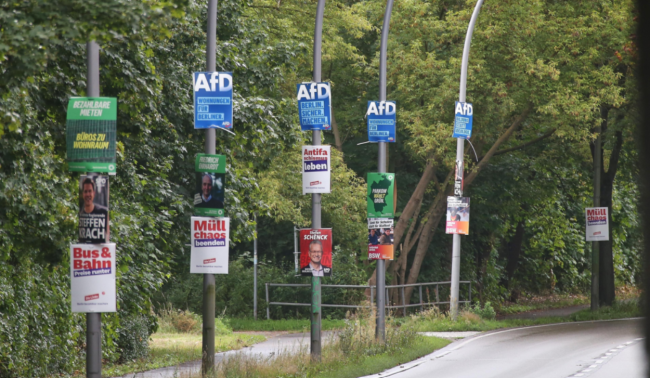
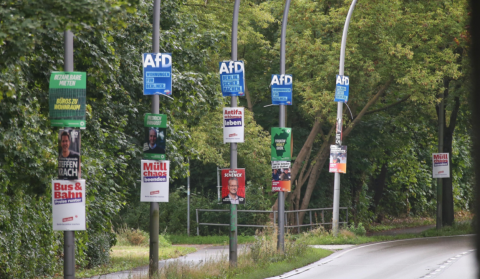
Les élections régionales en Allemagne de l’Est – l’AfD aux portes du pouvoir ?
Les enjeux des scrutins régionaux du 6 septembre en Saxe-Anhalt, puis du 20 septembre à Berlin et au Mecklembourg-Poméranie-Occidentale dépassent largement le cadre des trois Länder concernés en raison du poids du parti d’extrême-droite Alternative für Deutschland (AfD).
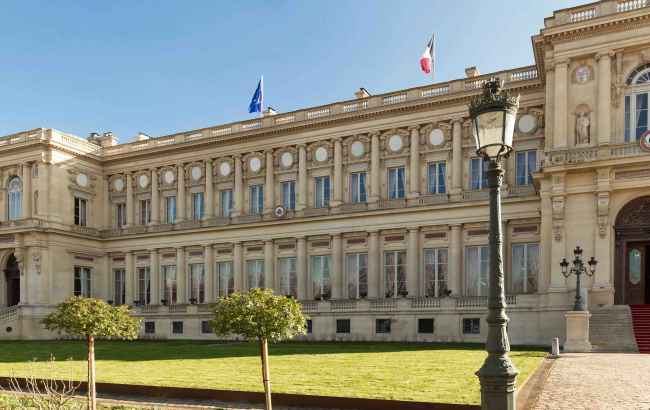
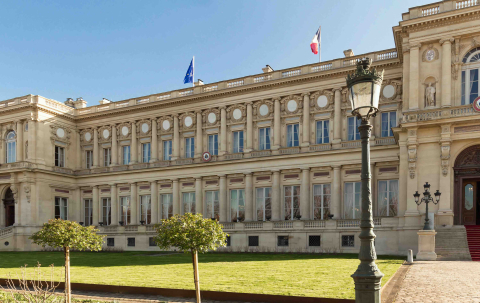
Quelle politique étrangère dans un système diplomatique en disruption ?
L'ordre international établi au lendemain de la Seconde Guerre mondiale traverse une phase de profonde recomposition. Dans ce contexte, l'Ifri a le plaisir d'accueillir le lundi 21 septembre, Martin Briens, Secrétaire général du ministère de l'Europe et des Affaires étrangères, pour une conférence-débat autour des grands enjeux diplomatiques auxquels la France et l’Europe sont aujourd’hui confrontées.
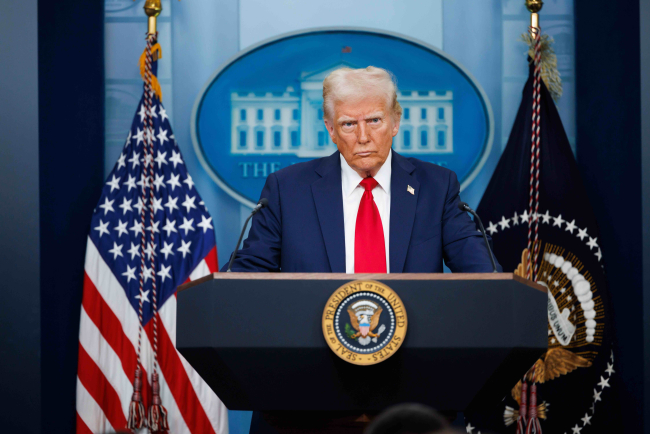
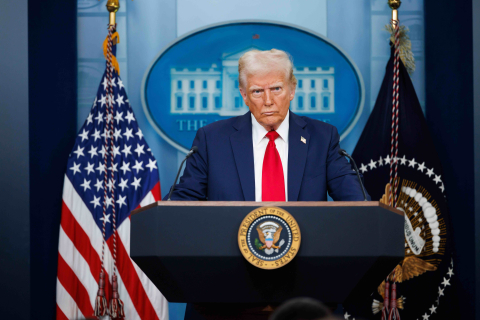
Midterms : une rupture dans la rupture ?
Un déjeuner débat autour de Laurence Nardon, Responsable du Programme Amériques, et Sébastien Jean, directeur associé de l'Initiative géoéconomie et géofinance.