


Rare Earths and other Critical Raw Materials: Towards a Security of Supply?
Informations pratiques
Thématiques et régions
Centres et programmes liés
Ceci est un événement réservé.
En savoir plus sur nos programmes de soutien26 January 2011
14:00 - 16:00
at
European Commission Representation in Belgium
73, rue Archimède
Brussels, Belgium
with
Roderick Eggert
Professor and Director of the Division of Economics and Business,
Colorado School of Mines
Paul Anciaux
Policy Officer - Mining, metals, raw materials,
DG Enterprise and Industry, European Commission
René van Sloten
Chairman, BUSINESSEUROPE Market Access Working Group
and
Alan Price
Partner and Co-Chair of the International Trade Practice Wiley Rein LLP, Washington DC
Chair:
William C. Ramsay
Director, Ifri Energy Program
With the development and increasing commercialization of cutting edge technologies and growing competition from emerging economies, Europe is ever-more vulnerable to supply disruptions of rare, geographically concentrated raw materials. The so-called "rare earths" are but one among many. In 2008, the European Commission identified 14 such critical materials necessary for the health of European industry but subject to severe supply risks due to geopolitical-economic factors. Both Europe and the United States face similar challenges in securing these critical raw materials to support the growth of enterprise and industry. By bringing together perspectives from both sides of the Atlantic, this conference aims to discuss some of these challenges, the effects on industry, and policy options available for ensuring better securities of supply - in particular the options examined in a special Communication by the European Commission on raw materials scheduled for adoption on 26 January.
In cooperation with the U.S. Mission to the EU
and with the kind support of
the Representation of the European Commission in Belgium
Sujets liés
Autres événements
À un mois des midterms, où va l’Amérique de Donald Trump ?
La 24e édition de la Conférence annuelle du programme Amériques de l'Ifri analysera les dynamiques à l’œuvre aux États-Unis et leurs conséquences pour l'Europe et la relation transatlantique.
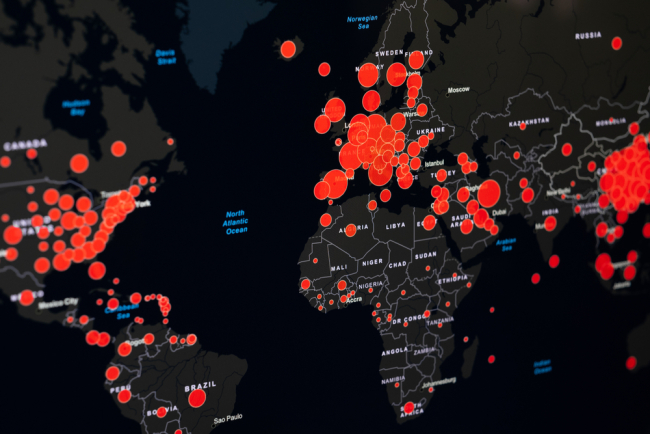
Pandémies et maladies infectieuses : que peut la communauté internationale ?
Tandis que les tensions internationales s’aiguisent et que le monde risque de se fracturer en blocs géopolitiques, pandémies et maladies infectieuses continuent de se développer. Des facteurs comme la multiplication des guerres ou le dérèglement climatique ne font qu’aggraver la situation.
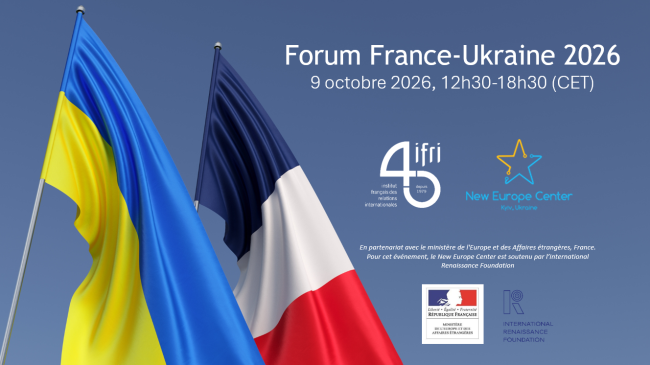
Forum France-Ukraine 2026
Plus de quatre ans et demi après le début de la guerre à grande échelle déclenchée par la Russie contre l’Ukraine, le Forum France-Ukraine 2026 accueillera des responsables politiques, des experts, des universitaires et des représentants de la société civile des deux pays pour échanger autour de trois sujets principaux : les formats et conditions d'un règlement diplomatique durable ; l'intégration euro-atlantique de l'Ukraine, entre processus d'adhésion à l'UE et rapprochement avec l'OTAN ; et les transformations sociétales de l'Ukraine d'après-guerre ainsi que ses perspectives de reconstru