




Informations pratiques
Thématiques et régions
Centres et programmes liés
Ceci est un événement réservé.
En savoir plus sur nos programmes de soutienSéminaire fermé sur invitation
|
Seminar organized by CDC Climat and Ifri Center for Energy with M. CHOI Jae Chul, Ambassador for climate change of South Korea In the run up to the major milestone of the 21st Conference of the Parties to the United Nations Framework Convention on Climate Change (COP21) in December 2015 in Paris, CDC Climat Research and the Ifri Center for Energy are jointly organising « Climate Breakfast Roundtables » bringing together key stakeholders with the aim of sharing analyses on the climate policies adopted at local, national and regional levels and on the potential outcomes of the Paris Climate Conference. On Friday 28th November, CDC Climat Research and Ifri are pleased to welcome Jai-chul CHOI, Ambassador for Climate Change of the Republic of Korea who will provide an overview of South Korea’s domestic climate policy and its involvement in the international climate change negotiations. His statement will be followed by a debate with the audience.
|
Sujets liés
Autres événements
Europe-Chine : L'UE est-elle prête à répondre au "2e Choc chinois" ?
Un déjeuner débat autour de Paul Maurice, Secrétaire général du Comité d'études des relations franco-allemandes (Cerfa) à l'Ifri et Marc Julienne, Directeur du Centre Asie de l'Ifri.
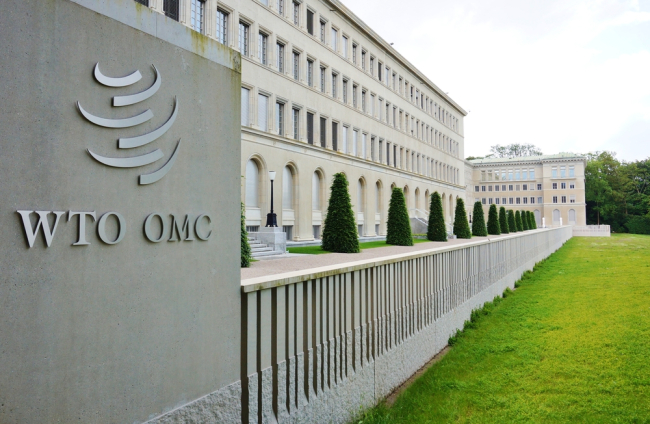
Le commerce mondial à l'heure des rapports de force: quel avenir pour l'OMC ?
Petit-déjeuner débat avec Jean-Marie Paugam, Directeur général adjoint de l'Organisation mondiale du commerce (OMC). Débat présidé par Thierry de Montbrial, Président exécutif de l'Ifri, membre de l'Académie des Sciences morales et politiques.
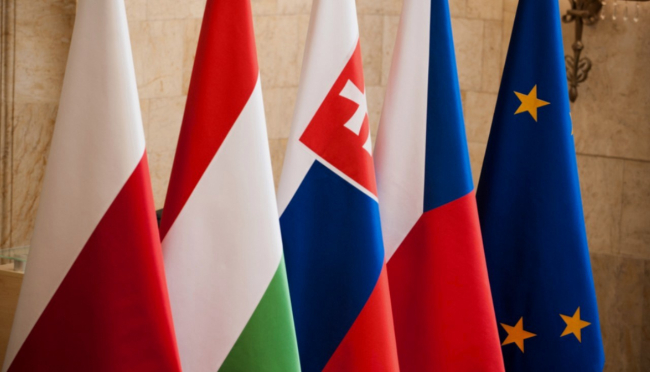
L’Europe centrale face aux choix stratégiques européens. Quel avenir pour la coopération régionale ?
Les récentes évolutions politiques en Europe centrale ont relancé le débat sur l’avenir de la coopération régionale et du Groupe de Visegrád. Les changements intervenus en Hongrie, en Pologne, en République tchèque et en Slovaquie, ainsi que l’intérêt croissant de l’Autriche pour une coopération renforcée avec ses voisins, pourraient créer de nouvelles possibilités de dialogue et de coordination autour de priorités communes.