MAGA
Related Subjects

MAGA and AfD: Toward a Transatlantic Alliance of Nationalist Right-Wing Parties
The rapprochement between Donald Trump’s MAGA movement and Germany’s AfD has accelerated significantly since Trump’s return to the White House.
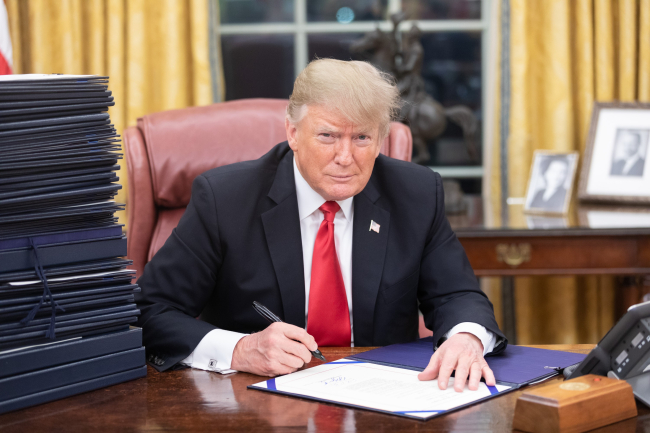
Trump II vs. Digital Governance: A Crusade in the United States and Europe
Since taking office, the Trump II administration has waged a systematic deregulation campaign targeting the tech sector in both the United States and Europe. How can Europe maintain dialogue while preserving its governance framework?
Trump II and the World / Politique étrangère, Vol. 90, No. 3, 2025
Does Trumpism exist? And if so, how can its ideology be characterized, given the myriad currents underpinning it—from populism and the Christian Right to paleolibertarianism and technolibertarianism? Does it embody a genuine worldview that informs its diplomatic actions? An obsessive drive to overturn long-standing practices, alliances, and commitments deemed “detrimental” to American interests, coupled with a fixation on transactional, one-off deals, appears to serve as its de facto strategy—hence the widespread weakening of allied ties. Observers are equally at a loss to discern an economic strategy, and above all reluctant to anticipate the possible outcomes of its contradictory maneuvers.
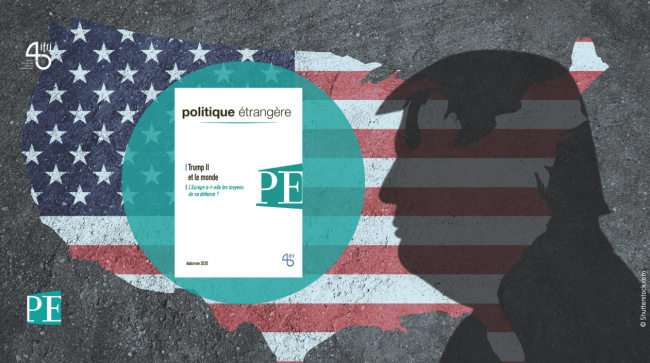
Trump II: The Clash of Ideologies
The second Trump administration brings together a number of very different, even opposing, ideologies: far-right populism, the reactionary Christian right, paleolibertarianism, and technolibertarianism. The most visible measures taken since Donald Trump's return to the White House have been populist in nature, with the president's authority strengthened, checks and balances weakened, a form of identity politics embraced, and economic nationalism implemented.
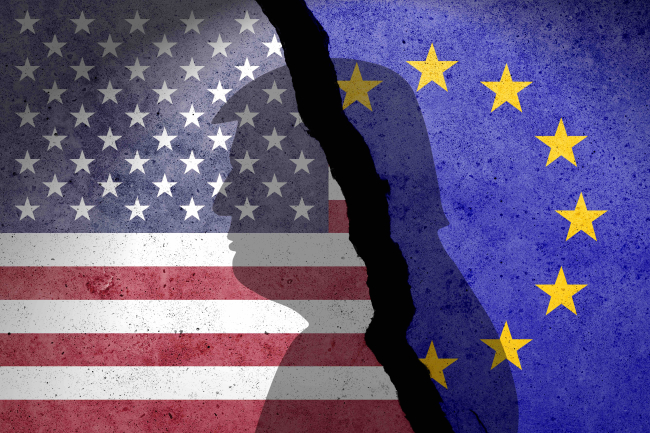
Trump's Trade War: What Answers for the European Union?
The announcement, on April 2, 2025, of “reciprocal tariffs” by the United States has opened a sequence of profound break with decades of established trade policy practices, where the administration behaviour has been marked by dogmatic blindness, amateurism, and self-serving interests.
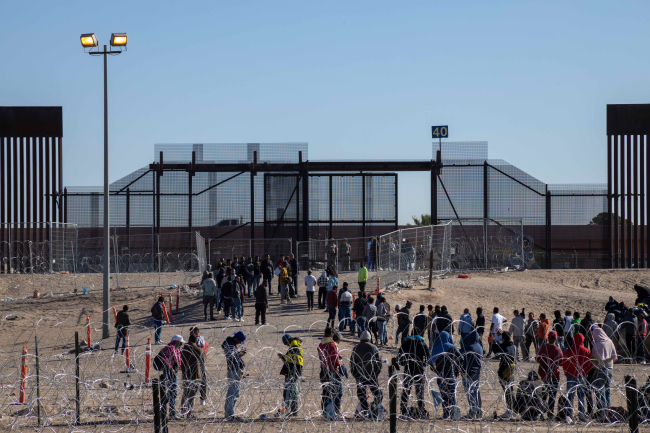
Migrations Between Mexico and the United States: More of the Same or a Headlong Rush?
As Trump prepares to tighten border controls with Mexico and carry out mass deportations of undocumented immigrants, Mexico is questioning the economic consequences of this migration policy and expects to have to negotiate the issue in connection with the tariffs imposed by the Trump administration.
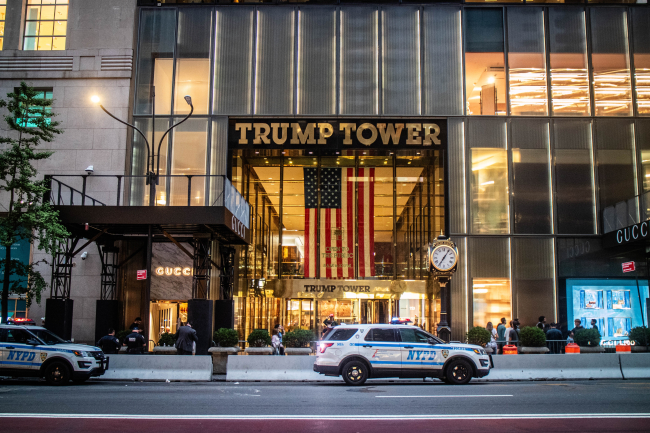
Donald Trump v. the States: the Case of New York
While the disruptive policies of the second Trump administration are being implemented at the federal level and on the international stage, they are also being felt in the federal states and major cities across the country. In the spring of 2025, several cases involving the state and city of New York demonstrate that the president’s attacks on environmental protection, the separation of powers, freedom of speech, etc., are also being carried out at the local level.
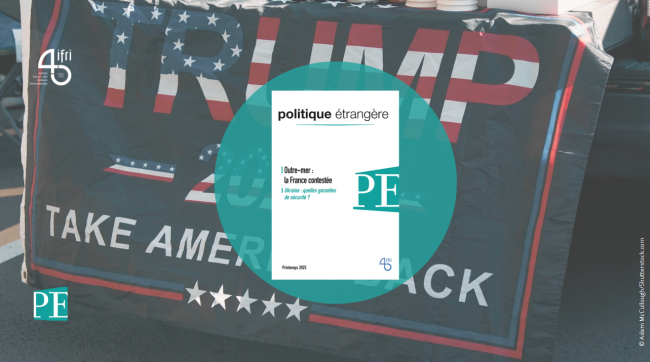
Trump 2: Challenges for the US Military Posture - Politique étrangère, Vol. 90, No. 1, Spring 2025
The distribution of operational leverage points in US strategy has changed significantly over the past two decades, with a sharp reduction. Donald Trump's distancing and repeated criticism of traditional US alliances threaten to undermine the entire architecture of the US presence in the world, beyond the concrete, real and, in particular, industrial impasses of America's military posture.
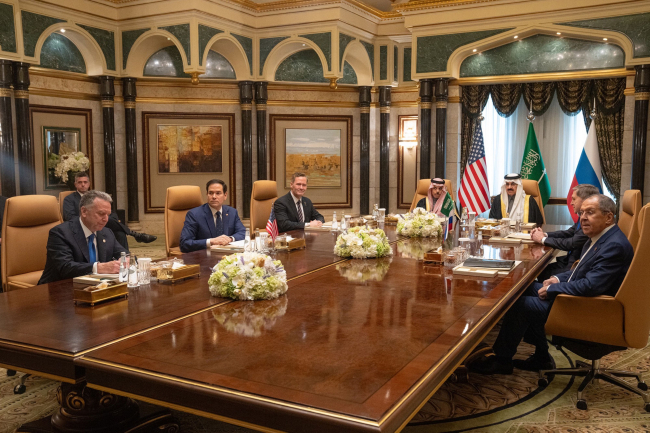
How the US under Trump Became a Strategic and Ideological Adversary of Europe
The Europeans' worst security nightmare seems to be coming true: on Tuesday, February 18, 2025, U.S. Secretary of State Marco Rubio and Russian Foreign Minister Sergey Lavrov met in Saudi Arabia to initiate the normalization of relations between their two countries. The meeting also aimed to set up peace negotiations for Ukraine. However, despite having the potential to affect the entire continent, the discussions took place without the Europeans or the Ukrainians being present.
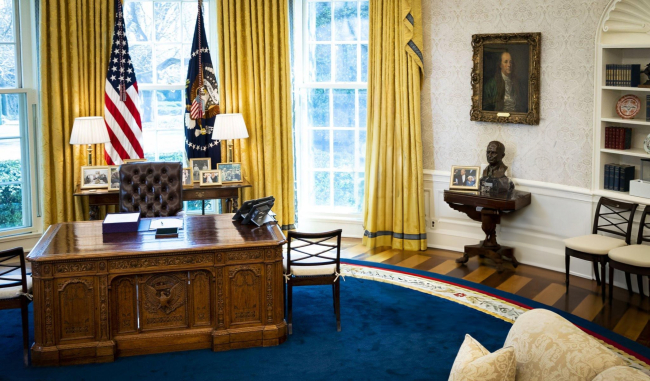
Will Trumpian Authoritarianism Lead to a Constitutional Crisis?
Since his return to the White House on January 20, 2025, President Donald Trump has signed around sixty executive orders to implement his political agenda. Numerous other measures have also been introduced by the White House and the new Department of Government Efficiency (DOGE) as part of these orders.
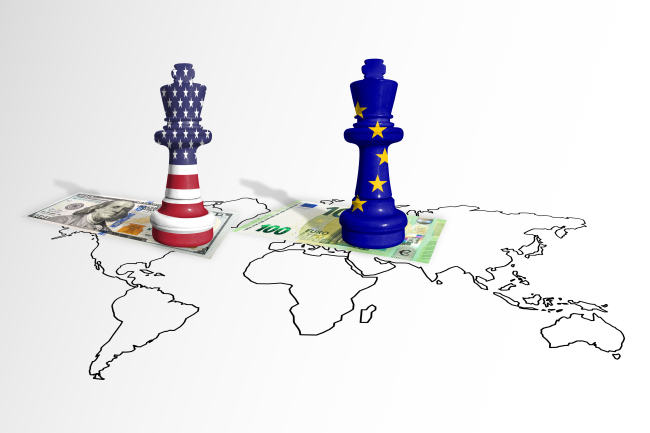
Trump’s Second Term: Laying the Groundwork for a New Trade War
In a statement released on February 1, 2025, President Trump announced the implementation of a 10% tariff on Chinese goods and a 25% tariff on imports from Canada and Mexico. While the former took effect via executive order on February 4, the latter were granted a 30-day reprieve. Sanctions targeting European Union (EU) products are said to be imminent.

From Conservative Nationalists to Tech-Libertarians: Far-Right Ideologies in the Trump 2 Administration
The officials and advisers of the Trump 2 administration represent diverse ideological currents, some of which are relatively new to Washington.
What Is the Future of Trumpism?
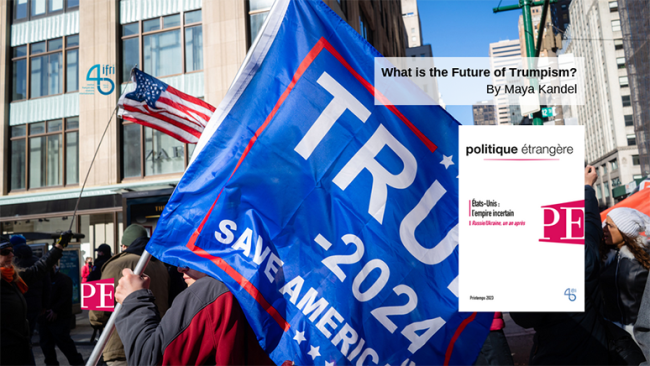
Donald Trump's presidency allowed the most radical wing of the Republicans to seize hold of the party.
Trump and the Republican Party: electoral defeat, ideological victory?
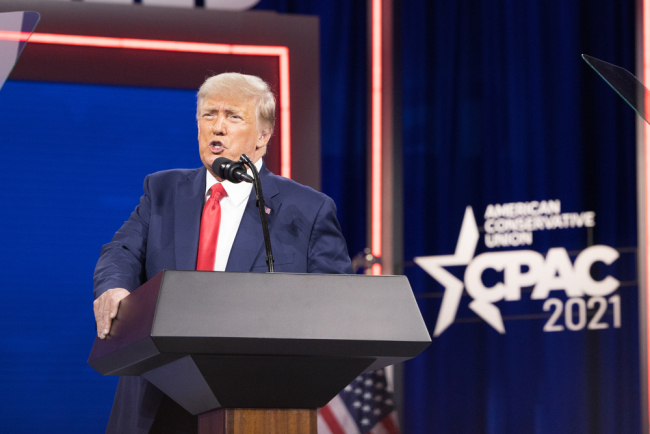
During Donald Trump’s four-year term, many new Republican candidates have been elected to Congress. Often backed by the former president from the GOP’s primaries, they were chosen for their devotion towards him and their support for his policies : moral conservatism and laissez-faire attitudes towards fiscal and environmental issues are old Republican tenets taken over by Trump, while nativist and economic nationalism (based on anti-immigration and protectionist policies respectively), as well as the portrayal of White people without college degree as an oppressed minority are fresh precepts brought forward by the former populist President.
MAGA and AfD: Toward a Transatlantic Alliance of Nationalist Right-Wing Parties
The rapprochement between Donald Trump’s MAGA movement and Germany’s AfD has accelerated significantly since Trump’s return to the White House.
Trump II vs. Digital Governance: A Crusade in the United States and Europe
Since taking office, the Trump II administration has waged a systematic deregulation campaign targeting the tech sector in both the United States and Europe. How can Europe maintain dialogue while preserving its governance framework?
Trump II: The Clash of Ideologies
The second Trump administration brings together a number of very different, even opposing, ideologies: far-right populism, the reactionary Christian right, paleolibertarianism, and technolibertarianism. The most visible measures taken since Donald Trump's return to the White House have been populist in nature, with the president's authority strengthened, checks and balances weakened, a form of identity politics embraced, and economic nationalism implemented.
Trump II and the World / Politique étrangère, Vol. 90, No. 3, 2025
Does Trumpism exist? And if so, how can its ideology be characterized, given the myriad currents underpinning it—from populism and the Christian Right to paleolibertarianism and technolibertarianism? Does it embody a genuine worldview that informs its diplomatic actions? An obsessive drive to overturn long-standing practices, alliances, and commitments deemed “detrimental” to American interests, coupled with a fixation on transactional, one-off deals, appears to serve as its de facto strategy—hence the widespread weakening of allied ties. Observers are equally at a loss to discern an economic strategy, and above all reluctant to anticipate the possible outcomes of its contradictory maneuvers.
Trump's Trade War: What Answers for the European Union?
The announcement, on April 2, 2025, of “reciprocal tariffs” by the United States has opened a sequence of profound break with decades of established trade policy practices, where the administration behaviour has been marked by dogmatic blindness, amateurism, and self-serving interests.
Migrations Between Mexico and the United States: More of the Same or a Headlong Rush?
As Trump prepares to tighten border controls with Mexico and carry out mass deportations of undocumented immigrants, Mexico is questioning the economic consequences of this migration policy and expects to have to negotiate the issue in connection with the tariffs imposed by the Trump administration.
Donald Trump v. the States: the Case of New York
While the disruptive policies of the second Trump administration are being implemented at the federal level and on the international stage, they are also being felt in the federal states and major cities across the country. In the spring of 2025, several cases involving the state and city of New York demonstrate that the president’s attacks on environmental protection, the separation of powers, freedom of speech, etc., are also being carried out at the local level.
Trump 2: Challenges for the US Military Posture - Politique étrangère, Vol. 90, No. 1, Spring 2025
The distribution of operational leverage points in US strategy has changed significantly over the past two decades, with a sharp reduction. Donald Trump's distancing and repeated criticism of traditional US alliances threaten to undermine the entire architecture of the US presence in the world, beyond the concrete, real and, in particular, industrial impasses of America's military posture.
How the US under Trump Became a Strategic and Ideological Adversary of Europe
The Europeans' worst security nightmare seems to be coming true: on Tuesday, February 18, 2025, U.S. Secretary of State Marco Rubio and Russian Foreign Minister Sergey Lavrov met in Saudi Arabia to initiate the normalization of relations between their two countries. The meeting also aimed to set up peace negotiations for Ukraine. However, despite having the potential to affect the entire continent, the discussions took place without the Europeans or the Ukrainians being present.
Will Trumpian Authoritarianism Lead to a Constitutional Crisis?
Since his return to the White House on January 20, 2025, President Donald Trump has signed around sixty executive orders to implement his political agenda. Numerous other measures have also been introduced by the White House and the new Department of Government Efficiency (DOGE) as part of these orders.
What Is the Future of Trumpism?
Donald Trump's presidency allowed the most radical wing of the Republicans to seize hold of the party.
Trump and the Republican Party: electoral defeat, ideological victory?
During Donald Trump’s four-year term, many new Republican candidates have been elected to Congress. Often backed by the former president from the GOP’s primaries, they were chosen for their devotion towards him and their support for his policies : moral conservatism and laissez-faire attitudes towards fiscal and environmental issues are old Republican tenets taken over by Trump, while nativist and economic nationalism (based on anti-immigration and protectionist policies respectively), as well as the portrayal of White people without college degree as an oppressed minority are fresh precepts brought forward by the former populist President.
Ifri, a foundation recognized as being of public utility, relies largely on private donors – companies and individuals – to guarantee its sustainability and intellectual independence. Through their funding, donors help maintain the Institute's position among the world's leading think tanks. By benefiting from an internationally recognized network and expertise, donors refine their understanding of geopolitical risk and its consequences on global politics and the economy. In 2026, Ifri partners with over 90 French and international companies and organizations.