


Milei: Three Years of Change, One Year to Win People Over
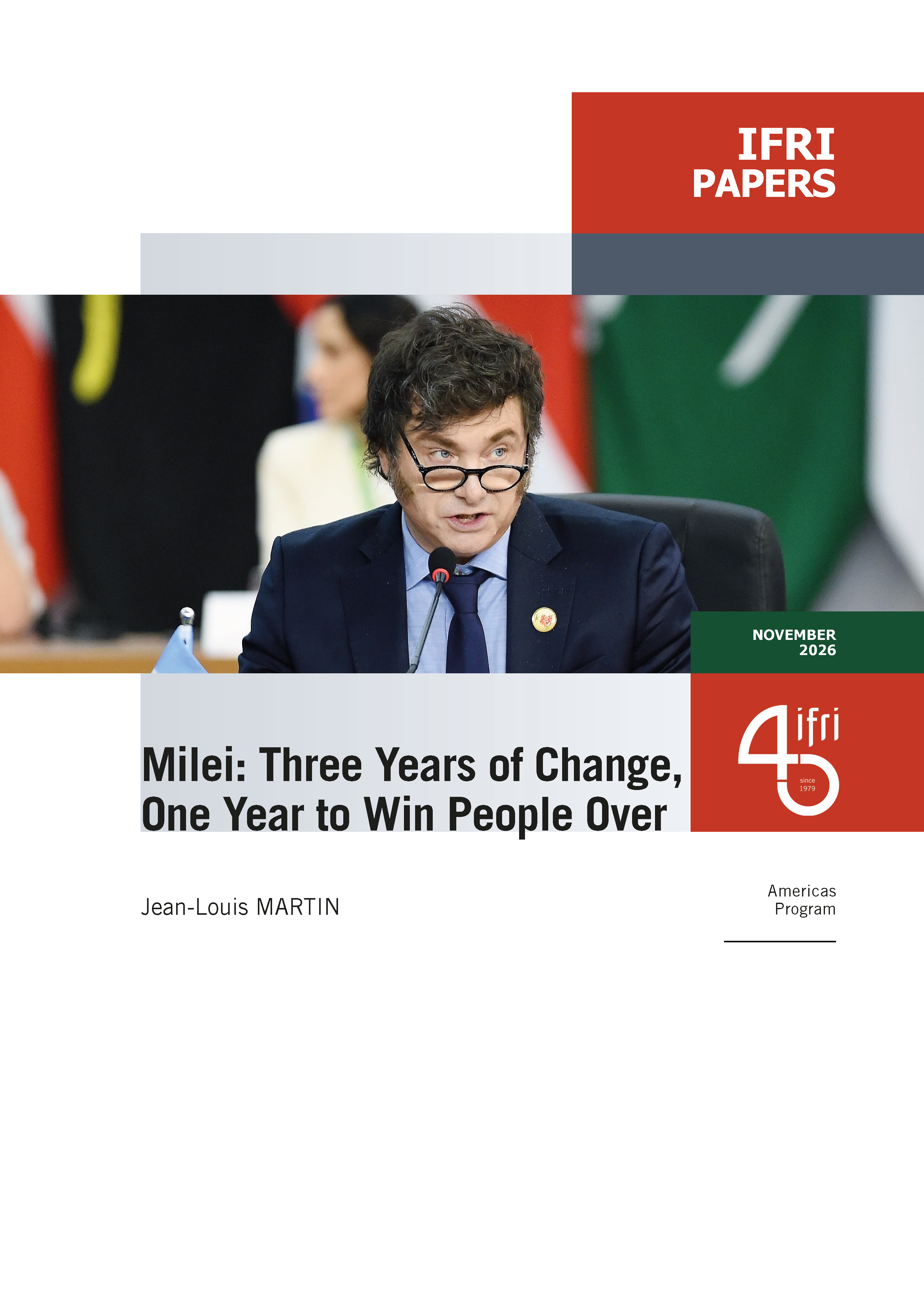
Following his unexpected election in 2023, President Javier Milei has been on a war path to repair the Argentinian economy by any means necessary and to protect the Argentinian people against the Peronist threat. However, just barely a year from his potential re-election, the results of his intense economic policies toward public finance, hyperinflation, and social policies have left him in a sore spot to convince Argentinians that he remains the solution to their economic woes.
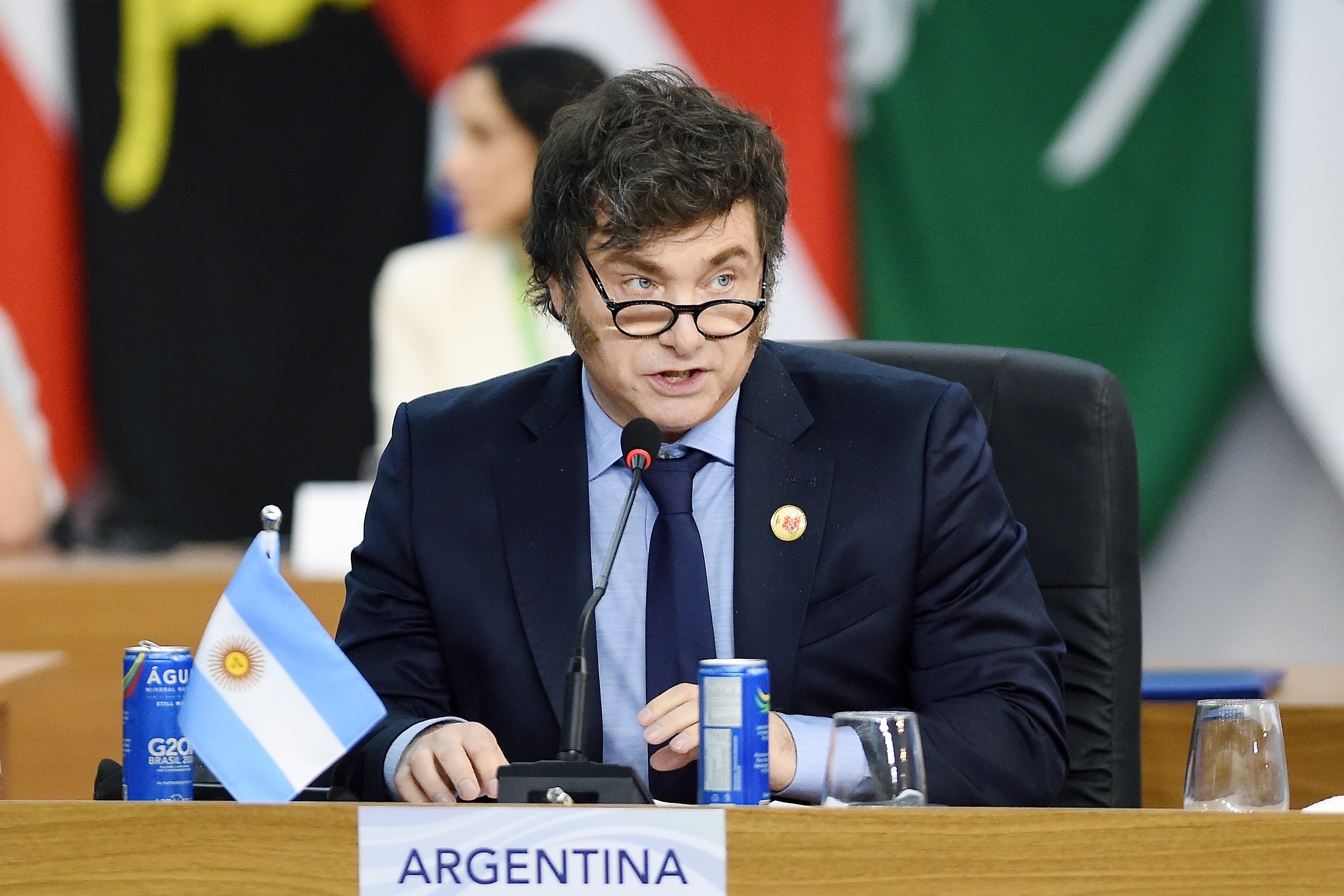
After inheriting a highly indebted Argentina from his predecessors, Milei has made undeniable progress in reforming public finances and bringing inflation under control, and has apparently abandoned his plan for the country’s full dollarization. But the return to growth remains limited. Milei advocates a “return to primary sectors” for the Argentine economy, but the growing sectors (agriculture, mining, hydrocarbons) are not enough to offset the decline of industry—particularly in terms of employment. The persistently high poverty rate worries Argentines, who remain attached to a social safety net now weakened by the state’s retreat.
On social issues, Javier Milei espouses a surprising mix, combining reactionary conservatism on abortion, feminism, and the environment—which runs counter to the expectations of Argentine society—with a libertarian-style tolerance regarding homosexuality, religion, and immigration. Finally, he has shown himself to be close to revisionism on the issue of the dictatorship.
Milei has also forged close ties with President Trump, from whom he secured public support during the 2025 legislative elections. This closeness continues a tradition in Argentine foreign policy of being guided by ideological affinities, though it does not rule out a certain degree of pragmatism.
Finally, despite numerous promises, the country’s heavy debt to the International Monetary Fund (IMF) persists and poses a threat to Milei’s progress in his efforts to secure financing and attract foreign investment. Already campaigning for reelection, the president will need to present voters with a more solid economic record.
This publication is also available in French and in Spanish.

Available in:
Themes and regions
ISBN / ISSN
Share
This page contains only a summary of our work. If you would like to have access to all the information from our research on the subject, you can download the full version in PDF format.
Milei: Three Years of Change, One Year to Win People Over


Jean-Louis MARTIN
Associate Research Fellow, Americas Program and Energy and Climate Center, Ifri


Americas Program
Ifri's work on the Americas region focuses mainly on the United States. Indeed, for more than 20 years, Ifri's Americas Program has provided keys to understanding American society and domestic policy while shedding light on developments in the country's foreign policy, including transatlantic relations and trade issues.
Since 2023, a specific axis on Latin America structures more actively Ifri's research on this region.
Ifri's Canada program was active in 2015 and 2016.
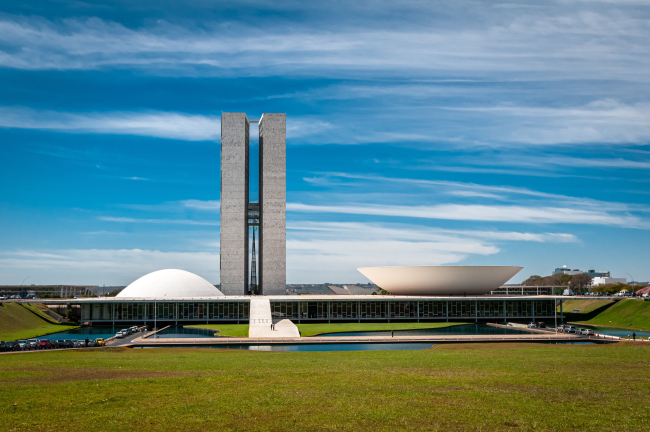
Brazil One Year Away from the October 2026 General Elections
Brazil’s general elections will be held on October 4, 2026, to elect the president, vice-president, members of the National Congress, governors, deputy governors and state legislative assemblies. For the presidential and gubernatorial elections, a second round will be held on October 25 if no candidate obtains a majority of the votes in the first round.
Trump II: The Clash of Ideologies
The second Trump administration brings together a number of very different, even opposing, ideologies: far-right populism, the reactionary Christian right, paleolibertarianism, and technolibertarianism. The most visible measures taken since Donald Trump's return to the White House have been populist in nature, with the president's authority strengthened, checks and balances weakened, a form of identity politics embraced, and economic nationalism implemented.
Water in Mexico: an Emergency that Will Wait
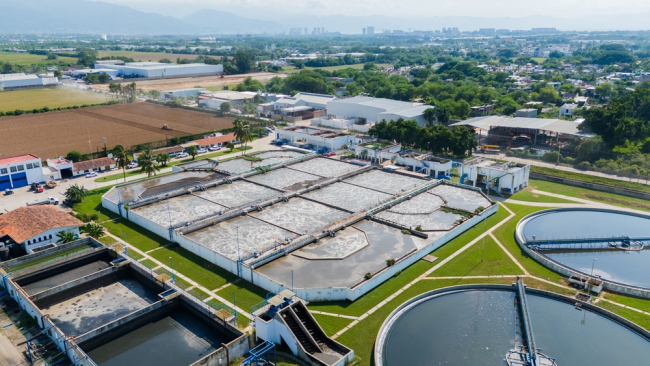
Access to water is already and will become increasingly problematic for Mexican economic actors due to the progressive scarcity of the resource resulting from climate change, a geographical distribution that does not coincide with that of the population or economic activity, and management that has so far been far too lax.
Donald Trump v. the States: the Case of New York
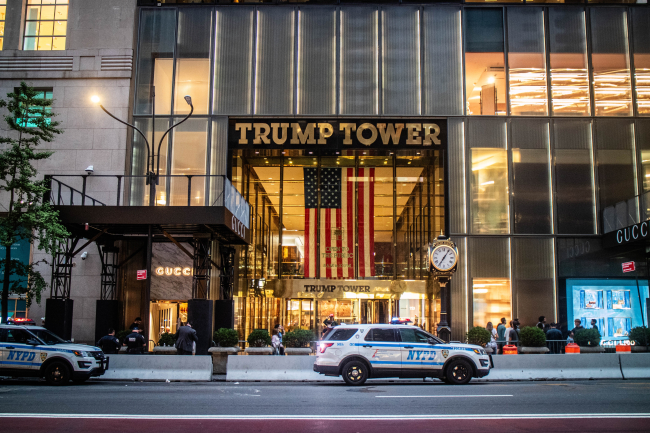
While the disruptive policies of the second Trump administration are being implemented at the federal level and on the international stage, they are also being felt in the federal states and major cities across the country. In the spring of 2025, several cases involving the state and city of New York demonstrate that the president’s attacks on environmental protection, the separation of powers, freedom of speech, etc., are also being carried out at the local level.